Understanding the Link Between Bullying and Academic Performance
4 January 2026
Let’s face it—school isn’t always sunshine and rainbows. For many students, it's the first place where they experience friendship, learning, and growth. But, for others, it's where they encounter something much darker—bullying. What’s worse, bullying doesn’t stay confined to the schoolyard. It has a ripple effect, especially when it comes to academic performance.
So, how exactly are bullying and academic performance linked? Does one really affect the other? Spoiler alert: It sure does.
In this post, we're going to get real about the connection between bullying and how students perform in school. We’ll break it all down—what bullying is, how it creeps into the classroom, and why it can shake a student’s learning like a house of cards.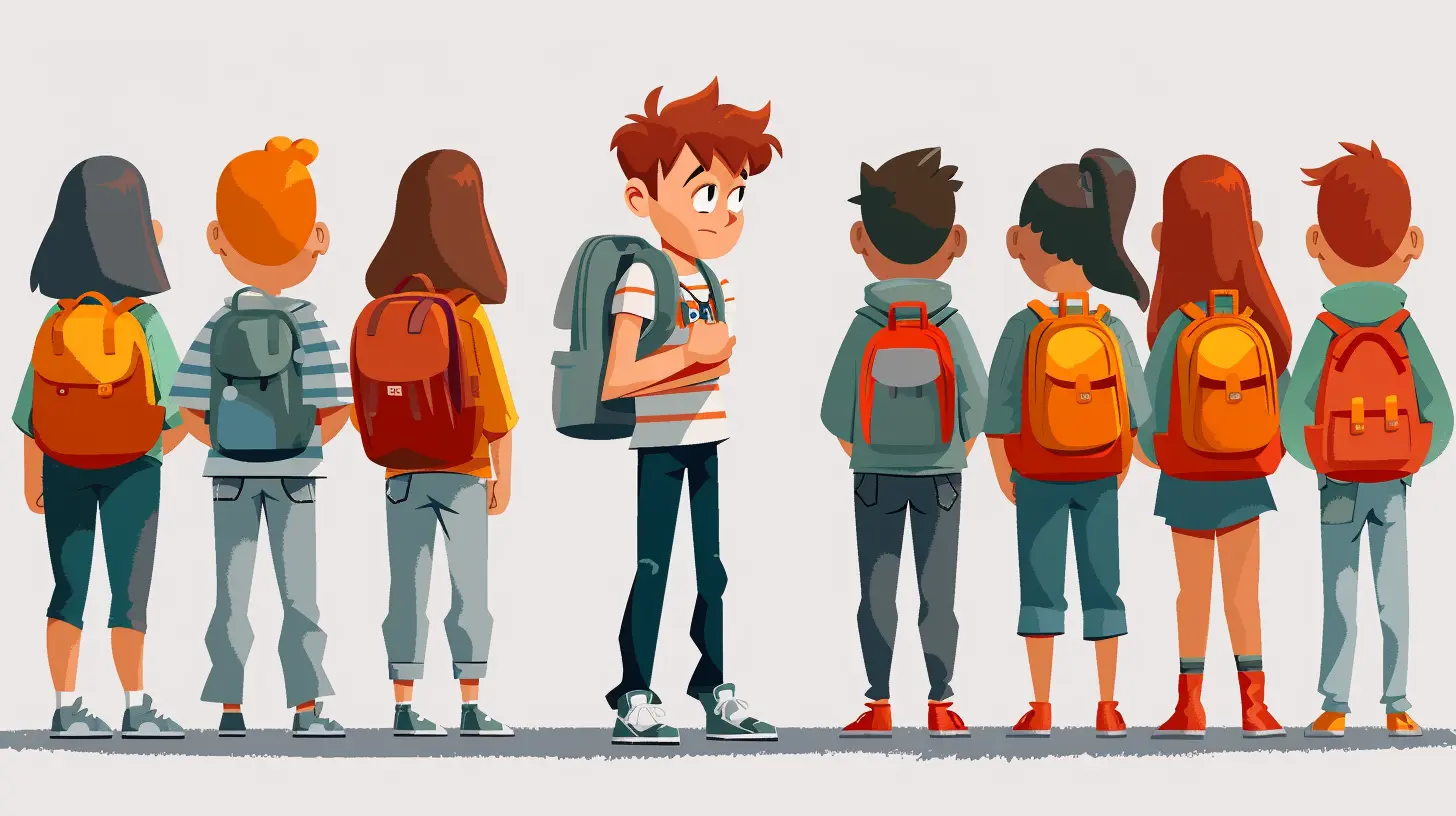
What Counts as Bullying Anyway?
Before we dive into the deep stuff, let's get one thing straight—what is bullying?Bullying is any repeated, intentional behavior that hurts another person physically, emotionally, or mentally. It includes everything from name-calling and spreading rumors to physical violence and cyberbullying. And no, it’s not just “kids being kids.” It’s serious stuff with real-world consequences.
There are different types of bullying:
- Physical bullying: Hitting, kicking, pushing—yeah, the obvious stuff.
- Verbal bullying: Insults, threats, constant teasing.
- Social bullying: Leaving someone out on purpose, spreading rumors.
- Cyberbullying: Using digital platforms to harass—DMs, texts, social media, the whole package.
The Emotional Toll It Takes
Imagine trying to study for a big math test while constantly worried about being laughed at or pushed around. Not exactly the ideal learning environment, right?Bullying chips away at a student’s self-confidence, increases anxiety, and can even lead to depression. These emotional changes don’t stay at home—they follow the student into the classroom like an unwanted guest.
Here’s what often happens:
- Students feel afraid or unsafe at school.
- They struggle to concentrate or stay motivated.
- Some may skip school altogether to avoid their bullies.
- Others may suffer from sleep issues, which in turn affects memory and attention span.
All of these factors combine to create the perfect storm for poor academic performance.
The Mental “Noise” That’s Hard to Tune Out
Let’s think about the brain like a computer. If your system is overloaded with pop-ups, ads, and malware, it slows down, right? Same goes for a student’s brain that’s juggling fear, stress, and sadness thanks to bullying.Even if a student is sitting in class every day, their brain might be running in survival mode. Instead of thinking about algebra, they’re preoccupied with thoughts like:
- “Will I be safe walking down the hallway today?”
- “What if they post that embarrassing video of me?”
- “Should I speak up or just stay invisible?”
This mental “noise” makes it tough to focus, process new information, and perform on tests or assignments. Who could possibly thrive in that kind of environment?
Academic Red Flags That Point to Bullying
Sometimes, kids don’t come right out and say, "Hey, I'm being bullied." But their schoolwork? That often tells the story.Here are a few signs educators and parents might notice:
- Sudden drop in grades
- Missing assignments or incomplete homework
- Avoiding school-related activities like clubs or group projects
- Regular absences or tardiness
- Low classroom participation
Teachers might see a normally chatty student go quiet or a once high-achiever suddenly slipping in performance. These changes in behavior could be blinking neon signs of bullying.
Why Some Students Are More Vulnerable
Let’s be honest—bullies tend to pick on those they see as “different.” These differences might be physical, cultural, or emotional. Students who are introverted, have disabilities, identify as LGBTQ+, or belong to minority racial groups often face bullying at higher rates.And when these students are targeted again and again, their sense of belonging takes a major hit. Feeling like an outsider in a place that should feel safe? That’s a motivation killer for sure.
Studies have shown that marginalized groups are more likely to suffer academic setbacks due to bullying—not just because of the bullying itself but because the environment around them often lacks proper support systems.
Teachers and Classmates: Part of the Problem or the Solution?
A teacher’s classroom isn’t just a room with desks and a whiteboard—it's a mini ecosystem. And the teacher? They’re the ecosystem’s gardener. If they don’t weed out toxic behaviors, bullying can bloom like unwanted dandelions in spring.Educators play a gigantic role:
- Catching bullies in the act
- Creating inclusive, respectful environments
- Encouraging students to speak up when they see or experience bullying
But guess what? Classmates matter too.
Peer support can be a game-changer. When students stand up for each other, it sends a clear message: bullying isn’t cool, and it won’t be tolerated here.
Long-Term Impacts of Bullying on Education
Alright, so we’ve established that bullying messes with grades and daily school life. But the damage doesn’t stop at high school graduation.Students who’ve been bullied often carry the scars into college and even professional life. They might:
- Avoid group settings due to trust issues
- Lack confidence in their abilities
- Have ongoing mental health struggles
- Avoid leadership or high-pressure roles
The ripple effect of bullying doesn’t just disappear; it ends up shaping how students see themselves for years to come.
Parental Involvement: More Powerful Than You Think
If you’re a parent reading this, don’t underestimate your role. You don’t need to swoop in like a superhero, but your involvement makes a difference.How to support your child:
- Open up the conversation: Ask about their day in a non-judgmental way.
- Watch for signs: Withdrawal, sudden silence, nervousness about school.
- Communicate with teachers: Build a bridge between home and school.
- Seek help: Don’t be afraid to talk to school counselors or mental health professionals.
Sometimes, just knowing someone’s in their corner helps a child breathe a little easier.
What Schools Can Do Differently
It’s not enough to hang a “No Bullying” sign on a wall and call it a day. Schools need to take real, actionable steps.Here are a few ideas:
- Implement student-led anti-bullying committees- Train teachers to spot and stop bullying effectively
- Create anonymous reporting systems
- Incorporate emotional intelligence into the curriculum
- Celebrate diversity through school-wide events
When students feel seen, heard, and valued, they perform better. It's as simple as that.
Turning Pain into Power: Real-Life Examples
Sometimes, the very students who were bullied become powerful voices for change. Think about people like Lizzie Velásquez or Jazz Jennings—individuals who were picked on growing up but used their experiences to spark movements.In classrooms around the world, kids who have faced bullying find resilience, empathy, and strength. With the right support, they don’t just survive—they thrive.
It All Comes Down to This…
Bullying isn’t just a nasty social issue—it’s a major academic hurdle. When a student is bullied, it acts like a fog in their brain, making it nearly impossible for them to see the path ahead clearly.By understanding the link between bullying and academic performance, we’re better equipped to help students succeed—not just on paper, but in life. Whether you’re a teacher, parent, student, or friend, your role in this is vital.
Let’s build schools that feel more like launchpads and less like battlegrounds.
Final Thoughts
When kids feel safe, supported, and accepted, they can focus on being who they’re meant to be: learners, thinkers, dreamers. And isn’t that what education is all about?all images in this post were generated using AI tools
Category:
Bullying PreventionAuthor:

Anita Harmon
Discussion
rate this article
2 comments
Alexa McPhail
How does bullying really affect grades?
February 2, 2026 at 4:06 AM
Anita Harmon
Bullying significantly impacts grades by causing emotional distress, reducing concentration, and increasing absenteeism, which ultimately hinders a student's academic performance.
Carla Riggs
This article effectively highlights the critical connection between bullying and academic performance. By illustrating how bullying negatively impacts students' mental health and engagement, it emphasizes the need for supportive interventions in schools. Addressing bullying not only fosters a safer environment but also enhances overall academic success. Great read!
January 6, 2026 at 5:52 AM
Anita Harmon
Thank you for your insightful comment! I'm glad you found the article helpful in highlighting the important connection between bullying and academic performance. Your feedback is appreciated!