The Benefits of Reading for Improving Writing Skills
4 February 2026
Let’s be honest—everyone wants to be a better writer, but few want to do the actual work for it. And no, staring at a blinking cursor for three hours doesn’t count as productivity. Here's the secret sauce (drumroll, please): reading. Yep, that thing you probably did in elementary school with actual enthusiasm. Turns out, cracking open a book isn’t just for English majors and bookworms. It’s the cheat code you’ve been ignoring, the gym for your writing muscles, and we’re about to dive into why.

Wait, Reading Helps Writing? Groundbreaking.
Okay, maybe not that groundbreaking. But if reading more books could magically turn you into Shakespeare, wouldn't you be at the library right now? (Spoiler alert: they’re free!) The relationship between reading and writing is like peanut butter and jelly—one absolutely makes the other better.Whether you’re penning essays, writing blog posts, crafting business emails, or trying your hand at the next great novel, reading can seriously up your game. But how? Oh, I’m so glad you asked.
1. Vocabulary Explosion: Say Goodbye to “Very Good”
Let’s face it, if your go-to adjectives are “nice,” “good,” and “very interesting,” your writing needs a little... seasoning. Reading throws a whole spice rack of new words at you without you even realizing it.When you read widely, you naturally absorb how words are used in different contexts. Suddenly, “happy” becomes “ecstatic,” “angry” turns into “seething,” and your writing sounds less like a middle school book report and more like a polished piece of adulting.
Bonus tip: Pay attention to how authors describe things. That’s the goldmine right there.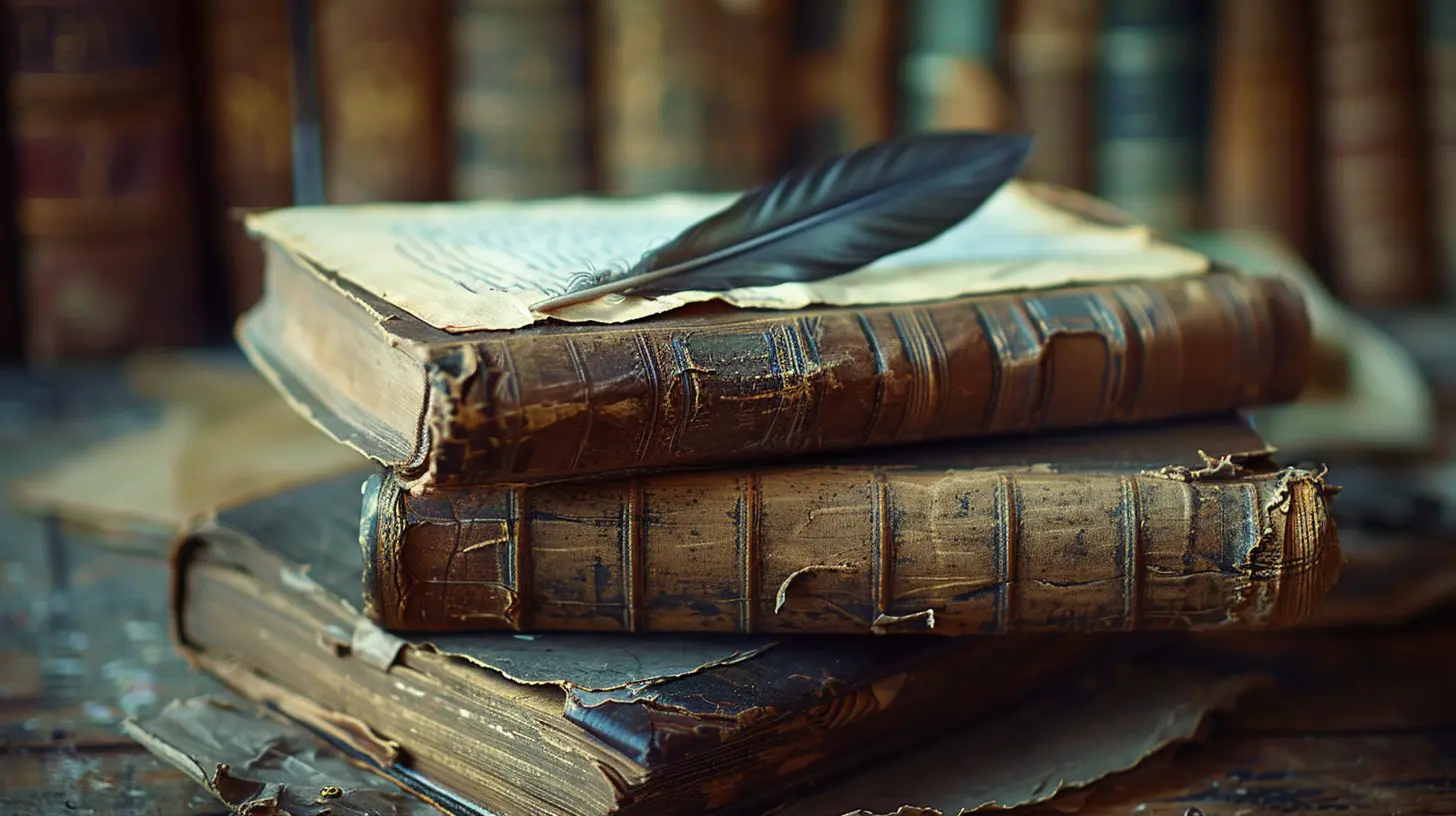
2. Grammar? What Grammar?
If grammar rules make your head spin, reading is your BFF. No one wants to memorize the difference between “who” and “whom,” but when you see it used correctly over and over again, your brain does this sneaky thing—it learns without asking your permission.Seriously, reading teaches grammar the way osmosis teaches hydration. The more exposure you have to grammatically sound writing, the more your internal “grammar radar” sharpens. You’ll start recognizing when something just sounds wrong, even if you can’t explain why.
So yes, reading is basically the grammar class you never knew you were attending.
3. Sentence Structure: Because Writing is More Than Just Words
Short sentence. Long sentence. Medium sentence. Broken sentence. Variety, my friend, is the spice of writing. And where do you learn how to mix it up like a pro? You guessed it—by reading!Authors are like sentence DJs—they know how to drop the beat and build rhythm. Reading helps you internalize sentence flow, structure, and pacing without you even realizing it. So next time you write, you’ll switch things up like a natural, and readers won’t fall asleep on their keyboards.
4. Style Snatching (In a Good Way)
Ever read something and thought, “Wow, I wish I could write like that!” Good news: you totally can. When you read a lot, especially across genres and authors, you start to pick up on different writing styles.Think of it like trying on clothes at a store. You see what fits, what doesn’t, what makes you feel like a literary rock star. Eventually, those influences shape your own unique voice. It’s not stealing—it’s inspiration. Even Hemingway didn’t just wake up one day writing like... well, Hemingway.
5. Creativity Fuel: Light That Fire
Some days, writing feels like trying to squeeze juice from a rock. You sit there, waiting for divine inspiration while your page stays blank and judgmental.Reading is the spark that gets the creative juices flowing again. When you immerse yourself in stories, ideas, and perspectives that aren’t your own, your brain starts making new connections. Suddenly, you've got a plot twist, a metaphor, or an opening line that slaps harder than your morning coffee.
And let’s be real—sometimes your brain just needs a break from its own thoughts.
6. Understanding What Works (And What Really, Really Doesn’t)
You know what’s great about reading a ton of different authors? You start seeing patterns. You learn the difference between writing that sings and writing that sinks.You’ll spot clichés from a mile away, notice plot holes like they owe you rent money, and develop solid opinions on what makes writing actually enjoyable. You basically become a writing detective—solving the mystery of what makes content click.
And when you read bad writing? Don’t scoff. Consider it a cautionary tale. Every cringeworthy sentence is a lesson in what NOT to do.
7. Gaining Empathy for Your Reader (Big One!)
Here’s a truth bomb: writing is not just about you—it’s about who’s reading it. (Gasp.)When you read, you experience how it feels to be the reader. You pick up on what bores you, what excites you, what makes you scream "WHY is this sentence six lines long?!" That firsthand insight makes you a more considerate, intentional writer.
So, yeah, reading makes you more charming on the page. You become the kind of writer that respects the reader's time—and that’s a flex.
8. Exposure to Different Genres = Versatile Writing Skills
Maybe you love sci-fi, or you're a sucker for murder mysteries. That’s cool. But branching out into genres you don’t usually touch? That’s where the magic happens.Reading different genres is like cross-training for your brain. You get exposed to a wide range of tones, vocabularies, sentence types, and storytelling styles. Try nonfiction for structure, poetry for emotion, essays for clarity, and graphic novels for dialogue. Boom. Renaissance writer activated.
9. Reading Teaches You Patience (And That’s a Skill, Too)
Writing is not a sprint. It’s more like assembling IKEA furniture—with fewer instructions and more existential dread. Reading teaches you to stick with a story, pay attention to details, and ride out the slow moments. These same qualities carry into your own writing process.If you're someone who expects literary brilliance on the first draft, reading will humble you in the best way possible.
10. It’s Just Plain Fun (Yes, Fun!)
Let’s not pretend reading is some painful chore unless you’re forcing yourself through 18th-century tax law for no reason. There's joy in getting lost in a story, laughing at clever dialogue, or underlining that one sentence that hits harder than a breakup text.And honestly? When writing feels fun, too, it shows. Readers can tell when you’re suffering your way through a paragraph. Think of reading as your “fun homework” that actually makes writing less of a grind.
Tips for Maximizing the Benefits of Reading
Alright, now that we’ve convinced you (or at least guilt-tripped you a little), let’s talk strategies:Read Like a Writer
Don’t just read for the plot. Pay attention to how the author structures sentences, builds tension, or chooses their words.Keep a Word Bank
Come across an awesome phrase or juicy word? Jot it down! Keep a running list of inspiring stuff. It’s like Pinterest for your vocabulary.Mix It Up
Fiction, nonfiction, poetry, blogs, even cereal boxes. The broader your reading diet, the more tools you get in your writer toolbox.Reread Your Favorites
Go back to books you loved and dissect why you loved them. The second time around, you’ll see the mechanics under the hood.But What If I Don’t Have Time to Read?
Oh, the classic excuse. “I’m just sooo busy.” If you’ve scrolled Instagram for more than five minutes today, you officially have time to read. Try these:- Audiobooks while commuting or pretending to clean
- E-books on your phone while waiting in line (or avoiding eye contact in public)
- One chapter before bed instead of bingeing season 12 of That Show You Say You Hate
Little bits add up. Reading isn’t a time-consuming hobby—it’s an investment in your communication skills, creativity, and let’s be honest, your overall coolness.
TL;DR: Reading Makes Writing Less Terrible (And Maybe Even Great)
If you’ve made it this far (pat yourself on the back), here’s the bottom line: Reading is the not-so-secret ingredient to better writing. It expands your vocabulary, polishes your grammar, sharpens your style, and fuels your creativity. Plus, it’s free, fun (usually), and way more productive than doomscrolling TikTok at 2 AM.So, next time you hit a writing wall, don’t just stare at the blinking cursor of doom. Grab a book, open your mind, and let the words do their work.
Your future writer-self will thank you.
all images in this post were generated using AI tools
Category:
Writing SkillsAuthor:

Anita Harmon
Discussion
rate this article
2 comments
Elsinore Vaughn
Reading enriches our minds, paving the way for stronger writing skills.
February 18, 2026 at 4:39 AM
Anita Harmon
Absolutely! Reading not only broadens our horizons but also enhances our vocabulary and understanding of various writing styles, ultimately strengthening our own writing abilities.
Fenris Kearns
This article effectively highlights the correlation between reading and writing skills. By exploring diverse genres, readers can enhance their vocabulary and comprehension, ultimately fostering better writing. It's a timely reminder of how engaging with literature can serve as a powerful tool for aspiring writers.
February 6, 2026 at 11:32 AM
Anita Harmon
Thank you for your insightful comment! I’m glad you found the connection between reading and writing skills compelling. Engaging with a variety of literature truly enriches both vocabulary and overall writing ability.