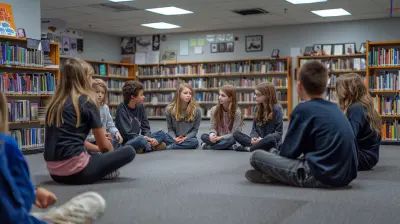
How Parents and Schools Can Collaborate to Combat Bullying
8 April 2026
Bullying. It’s a word that stings. A problem that affects millions of kids in schools around the world. And if you’re a parent or an educator, chances are, you’ve either seen it happen or worried about it happening. That knot in your stomach at the idea of your child—or any child—facing cruel words, physical threats, or social exclusion? You’re not alone.
But here’s the thing: bullying isn’t just a school issue. And it’s not just a family issue either. It’s a shared responsibility. When parents and schools team up, they form a powerful shield around kids. One that doesn’t just patch up wounds after bullying happens—but one that stops it in its tracks.
Let's dive into how we can build that partnership and make a real difference. Ready? Let’s do this together.
What Exactly Is Bullying?
Before we jump into solutions, let’s be clear about what we’re dealing with.Bullying isn’t just teasing or occasional disagreements between kids. It’s repeated, intentional behavior that creates an imbalance of power. Think verbal taunts, physical aggression, social exclusion, or cyberbullying. It’s meant to hurt, isolate, or control.
And guess what? The effects are anything but harmless. Anxiety, depression, low self-esteem, even academic struggles—they all tag along for the ride. That’s why this topic is so important.
Why Should Parents and Schools Work Together?
You may be thinking, “Isn’t bullying at school the school’s responsibility?” Technically, yes. But when schools and parents work together, magic happens. Let me explain.Imagine trying to row a boat with just one oar. You’ll go in circles. But with two oars—schools and parents—you move forward. Faster. Straighter. More effectively.
Here's why collaboration matters:
- Consistency: When kids hear the same message at home and at school, it sticks.
- Early Intervention: Parents often notice behavior changes first. Schools see interactions play out in real time. Together, they can catch signs earlier.
- Stronger Support: Kids feel safer when they know the adults in their corner are connected and paying attention.
Step One: Open Lines of Communication
Let’s be real—communication is the foundation of any healthy relationship. That includes the school-home partnership.For Parents:
- Don’t wait for a problem to pop up before reaching out to teachers.- Attend parent-teacher conferences. Even better? Stay in touch through email or school portals.
- Ask open-ended questions like, “How does my child interact with others in class?” or “Have you noticed anything unusual?”
For Schools:
- Be transparent. If there’s a bullying policy, share it in plain language.- Send regular updates, not just when things go wrong.
- Offer multiple ways for parents to communicate—email, phone, meetings, even apps.
It’s about creating a safe space where concerns are welcomed, not feared.
Step Two: Educating Both Sides
Knowledge is power, right? When parents and school staff understand what bullying looks like (especially the sneaky, non-physical forms), they’re better equipped to stop it.What Schools Can Do:
- Provide workshops or webinars for parents on identifying and preventing bullying.- Train teachers and staff to spot subtle signs and handle situations appropriately.
- Teach students empathy, digital citizenship, and conflict resolution—this isn’t fluff; it’s essential.
What Parents Can Do:
- Talk to your kids about kindness and respect before there’s a problem.- Role-play scenarios and how to respond to bullying—either as a victim or a bystander.
- Explain the difference between tattling and reporting. (Hint: if someone’s getting hurt, it’s not tattling.)
The goal here isn’t to scare kids, but to prepare them. Like giving them an emotional seatbelt for tricky situations.
Step Three: Creating a Unified Anti-Bullying Policy
You know what confuses kids? Mixed messages. If school has a zero-tolerance policy, but at home bullying is brushed off as “kids being kids,” you’ll end up with a lot of gray areas.That’s why it’s crucial for schools and families to be on the same page.
Schools:
- Develop clear policies—with consequences—that are consistently enforced.- Involve parents in policy creation when possible. Invite them to review drafts or attend meetings.
Parents:
- Read the school’s anti-bullying policy. Seriously, don’t just skim through.- Reinforce the message at home: “In our house, we treat people with kindness.”
When kids hear the same expectations in both places, you’re creating a culture where bullying just doesn’t fly.
Step Four: Responding to Bullying—Together
Even with prevention, bullying might still happen. So, how should we respond?If You’re a Parent:
- Stay calm. I know that’s easier said than done, especially if your child is hurting.- Document everything. Dates, times, what happened, who was involved.
- Contact the school—start with the teacher, then escalate if needed.
- Partner with the school to create a safety plan: new seating arrangements, shadowing, counseling, etc.
If You’re a School Staff Member:
- Take every report seriously. Dismissing it sends the wrong message.- Keep parents in the loop about investigations and actions taken.
- Offer support—not just to the target of bullying, but also to the bully (they often have unmet emotional needs too).
Think of it like a team facing a crisis—you figure it out together, and you don’t give up until there’s a resolution.
Step Five: Fostering a Culture of Respect
Here’s the secret sauce: real change doesn’t just come from policies. It comes from culture. And culture is built every day—in classrooms, at kitchen tables, on playgrounds, and in tiny moments that seem insignificant at the time.Schools Can:
- Celebrate kindness through awards, assemblies, or shout-outs.- Create safe spaces for students to talk, connect, and support one another.
- Encourage peer mentorship programs and clubs that promote inclusivity.
Parents Can:
- Model respectful behavior at home—your kids are watching.- Praise your child for standing up for others, showing empathy, or making amends after a conflict.
- Volunteer at school—you’d be surprised how much your presence contributes to the community vibe.
Respect is contagious. When adults lead with it, kids catch on fast.
Step Six: Using Technology to Communicate and Educate
Let’s face it—technology isn’t going anywhere. And while it can be a source of cyberbullying, it can also be part of the solution.Smart Ways to Use Tech:
- Schools can use apps to report bullying anonymously.- Parents can use digital tools to monitor social media and online behavior.
- Both can share positive stories, resources, and educational content to keep the conversation going.
Sidebar: Get your kids involved too. Ask them how they think tech can help stop bullying. You’ll be amazed at their ideas.
Step Seven: Encourage Peer Involvement
Let’s not forget the most powerful voices in this whole equation—students themselves.Research shows that when bystanders speak up, bullying stops within seconds. But kids need to feel empowered first.
Schools:
- Train student leaders to be peer allies.- Start anti-bullying student committees.
- Encourage projects that let students take ownership of change.
Parents:
- Encourage your kids to be upstanders, not bystanders.- Talk about real-life examples of bravery—highlight those who speak up for others.
- Remind them: being kind is cool. And it matters more than fitting in with the wrong crowd.
Final Thoughts
Bullying isn’t just “a phase” kids go through. It’s a serious issue that can leave lasting scars. But the good news? We're not helpless. With strong school-home collaboration, we stand a fighting chance—not just to respond, but to prevent and transform the school environment into a safe, uplifting space for every single child.Think of it like a village—a village where teachers, parents, and students hold each other up. Because no one should have to face bullying alone.
So, let’s start the conversation. Let’s open doors. Let’s show kids they’re not just heard—they’re protected and empowered.
Because when we stand together, bullying doesn’t stand a chance.
all images in this post were generated using AI tools
Category:
Bullying PreventionAuthor:

Anita Harmon
Discussion
rate this article
2 comments
Azriel Phillips
Forget just talking—let’s see real action! Collaboration means stepping up, not just showing up!
April 15, 2026 at 11:45 AM
Anita Harmon
I completely agree. Real change happens when we work together and take proactive steps. Let's make collaboration count.
Elora Johnson
This article beautifully highlights the essential partnership between parents and schools in addressing bullying. Together, we can create a nurturing environment for our children, fostering understanding and support. Thank you for sharing these valuable insights!
April 11, 2026 at 4:40 AM
Anita Harmon
Thank you for your kind words! I’m glad you found the article valuable. Together, we can indeed make a positive impact against bullying.