Addressing Bullying in Rural and Urban Schools: Unique Strategies
16 December 2025
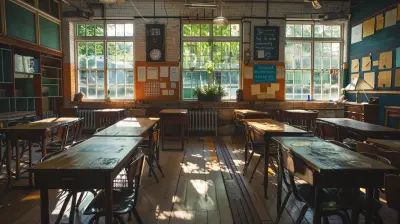
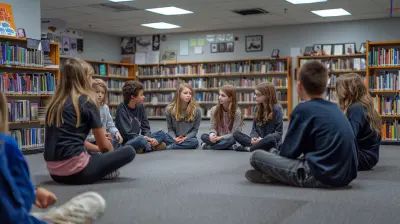
Bullying is an unfortunate reality in many schools across the globe. Whether it's in a small rural school or a large urban school, the harmful effects of bullying can leave lasting scars on students. But, here's the thing: while bullying is a universal problem, it doesn't look the same everywhere. The strategies that work for addressing bullying in a rural school setting might not be as effective in an urban one, and vice versa.
So, how do schools—both rural and urban—tackle this issue? What are the unique challenges, and more importantly, what are the unique strategies that can be employed? Let’s break it down.

What Is Bullying?
Before diving into the unique strategies, let’s first define what we mean by bullying. Bullying is intentional, aggressive behavior that involves an imbalance of power. It can take many forms, including physical, verbal, psychological, or cyber. The key components are repetition (happening over time) and the intent to harm.Now, as we look at the differences between rural and urban schools, it’s important to remember that bullying can happen anywhere. However, the environments in which bullying occurs are different, and this calls for tailored approaches.
The Unique Challenges in Rural Schools
1. Smaller, Tight-Knit Communities
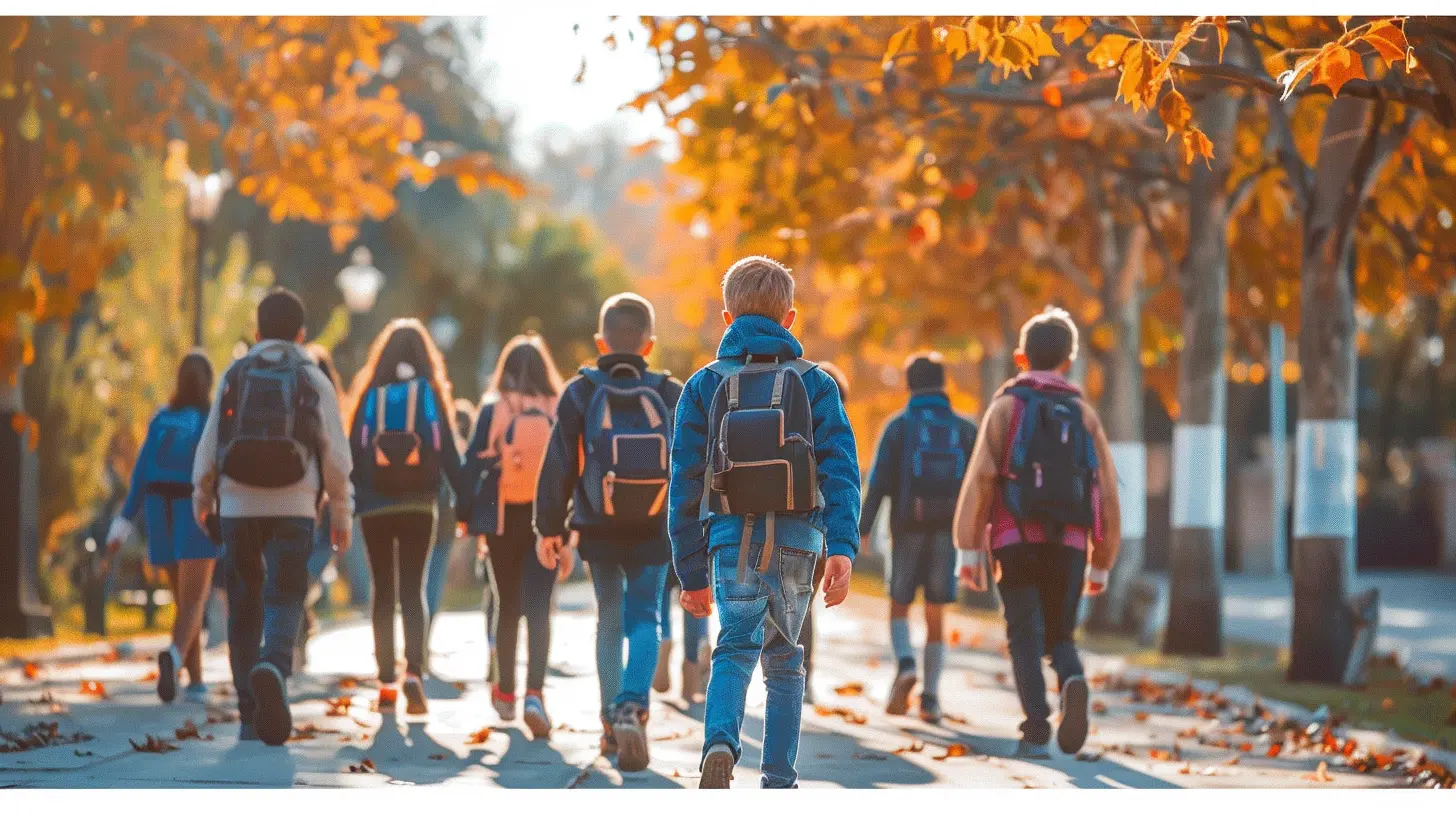
Rural schools are often in smaller communities where everyone knows everyone. While this can foster a sense of belonging, it can also mean that bullying is more hidden. When a community is tightly knit, there may be pressure to "not rock the boat" or to keep issues within the community. This can lead to underreporting of bullying incidents because students and parents may feel like speaking out will have personal or social consequences.2. Limited Resources
Rural schools often have fewer resources compared to their urban counterparts. They may lack access to counselors, anti-bullying programs, or even proper staff training. This can make it harder for schools to effectively address bullying because they simply don’t have the tools to do so.3. Lack of Anonymity
In smaller schools, anonymity is a rarity. Everyone knows who the bullies and the victims are, which can make the situation even more difficult. Victims might be hesitant to report bullying because they worry about further retaliation or social isolation.
The Unique Challenges in Urban Schools
1. Overcrowding and Diversity
Urban schools are usually much larger than rural schools. With more students comes more diversity in socio-economic backgrounds, cultures, and ethnicities. While diversity can be a wonderful thing, it can also be a breeding ground for misunderstandings, biases, or discrimination—which can fuel bullying.2. Cyberbullying
While cyberbullying is a growing concern everywhere, urban students may have greater access to technology, making it easier for cyberbullying to occur. The anonymity of the internet allows bullies to harass others without immediate consequences, and in a large school setting, it can be harder to track down the perpetrator.3. High Levels of Stress
Urban environments often come with higher levels of stress due to factors like crime, economic disparities, and large class sizes. This stress can manifest in students as aggression or bullying, especially if they are not equipped with healthy ways to cope with their emotions.
Addressing Bullying: Unique Strategies for Rural Schools
1. Foster Strong Relationships Between Students and Teachers
In rural schools, where everyone knows everyone, the relationship between students and teachers is crucial. Teachers should take the time to build trust with their students so that students feel comfortable reporting bullying incidents. When students feel heard and supported, they are more likely to speak up.2. Leverage the Close-Knit Community
While the small community can sometimes be a challenge, it can also be an asset. Schools can involve parents, community leaders, and even local businesses in anti-bullying efforts. Hosting community events that promote kindness and respect can help shift the culture to one that does not tolerate bullying.3. Use Peer Intervention Programs
Peer intervention programs can be highly effective in rural settings. Since students often know each other well, having older students serve as mentors or mediators can help resolve conflicts before they escalate into bullying. These peer-led programs can empower students to take a stand against bullying in a way that feels organic to their community.4. Utilize Online Resources
Even if a rural school lacks in-person resources like counselors, there are plenty of online resources available. Schools can implement online anti-bullying programs or offer virtual counseling sessions for students who need support. This can help bridge the gap in resources and provide students with the help they need.Addressing Bullying: Unique Strategies for Urban Schools
1. Implement Comprehensive Anti-Bullying Programs
Urban schools, with their larger student populations, need comprehensive anti-bullying programs that address different forms of bullying, including cyberbullying. Programs should be tailored to the specific needs of the student population and should include education on diversity, empathy, and conflict resolution.2. Use Technology to Combat Cyberbullying
Since urban students are often more connected to technology, schools can use that to their advantage. There are apps and platforms that allow students to report bullying anonymously. Some schools have even started using artificial intelligence to monitor social media platforms for signs of bullying. By using technology in a positive way, urban schools can stay ahead of the curve.3. Increase Access to Mental Health Resources
Given the high levels of stress that many urban students face, it’s crucial that schools provide access to mental health resources like counselors and psychologists. These professionals can help students manage their emotions and develop healthy coping mechanisms, which can reduce the likelihood of bullying.4. Promote Inclusivity
Urban schools need to embrace their diversity and promote a culture of inclusivity. Schools can host workshops on cultural sensitivity, create clubs that celebrate different backgrounds, and encourage students to see differences as strengths rather than weaknesses. When students feel like they belong, they are less likely to bully others.
Bridging the Gap: Strategies That Work for Both Rural and Urban Schools
While rural and urban schools face unique challenges, there are some strategies that can work in both environments.1. Education and Awareness
The first step in addressing bullying is education. Students, teachers, and parents all need to understand what bullying is, how to recognize it, and what to do about it. Schools should host regular workshops and training sessions to keep everyone informed.2. Create a Safe Reporting System
Students need to feel safe reporting bullying, regardless of whether they go to a rural or urban school. Schools should have clear, confidential reporting systems in place and should make sure that students know how to use them. This could be through an online form, a designated staff member, or even a hotline.3. Zero Tolerance Policies
Both rural and urban schools should have zero tolerance policies for bullying. These policies need to be clearly communicated to students and staff, and they should be enforced consistently. When students see that bullying is not tolerated, they are less likely to engage in it.4. Focus on Empathy
At the end of the day, bullying often stems from a lack of empathy. Schools should prioritize teaching empathy through social and emotional learning (SEL) programs. These programs help students understand their own emotions and the emotions of others, which can reduce bullying behaviors.The Role of Parents and the Community
Parents and the broader community play a crucial role in combating bullying. In both rural and urban settings, parents need to be involved in their children’s lives and stay informed about what’s happening at school. Open communication between parents, teachers, and students can help catch bullying early on.Community organizations can also provide support by offering additional resources, hosting events, or even providing funding for anti-bullying programs. When the whole community is involved, the message is clear: bullying will not be tolerated.
Conclusion
Addressing bullying in rural and urban schools requires a tailored approach. The challenges that students face in these different environments vary, but the goal remains the same: to create a safe and supportive environment for all students. By implementing strategies that are specific to the needs of their student populations, schools can take meaningful steps toward reducing bullying and fostering a culture of kindness.At the end of the day, it’s all about creating a space where every student feels valued. Whether through community involvement in rural areas or using technology to combat cyberbullying in urban schools, there are plenty of strategies to ensure that students are protected from bullying. It’s up to schools, parents, and communities to work together and make it happen.
all images in this post were generated using AI tools
Category:
Bullying PreventionAuthor:

Anita Harmon
Discussion
rate this article
2 comments
Enid Ramirez
Thank you for shedding light on this important issue; your strategies offer valuable insight for all educators.
January 18, 2026 at 4:41 AM
Anita Harmon
Thank you for your kind words! I'm glad you found the strategies helpful.
Selene Cummings
Love this insightful article! It's so important to address bullying in both rural and urban settings—every student deserves a safe learning environment.
December 18, 2025 at 12:47 PM
Anita Harmon
Thank you for your kind words! I completely agree—creating safe learning environments is crucial for all students, regardless of their location.