Turning Bystanders into Upstanders: Changing the Culture of Bullying
28 January 2026
Bullying has been a persistent problem in schools, workplaces, and even online spaces. While much attention is placed on the bully and the victim, we often overlook a crucial group in this equation—the bystanders. These are the people who witness bullying but remain silent or passive. The truth is, bystanders have the power to shift the culture of bullying simply by choosing to stand up. But how do we transform passive witnesses into active defenders? Let's break it down.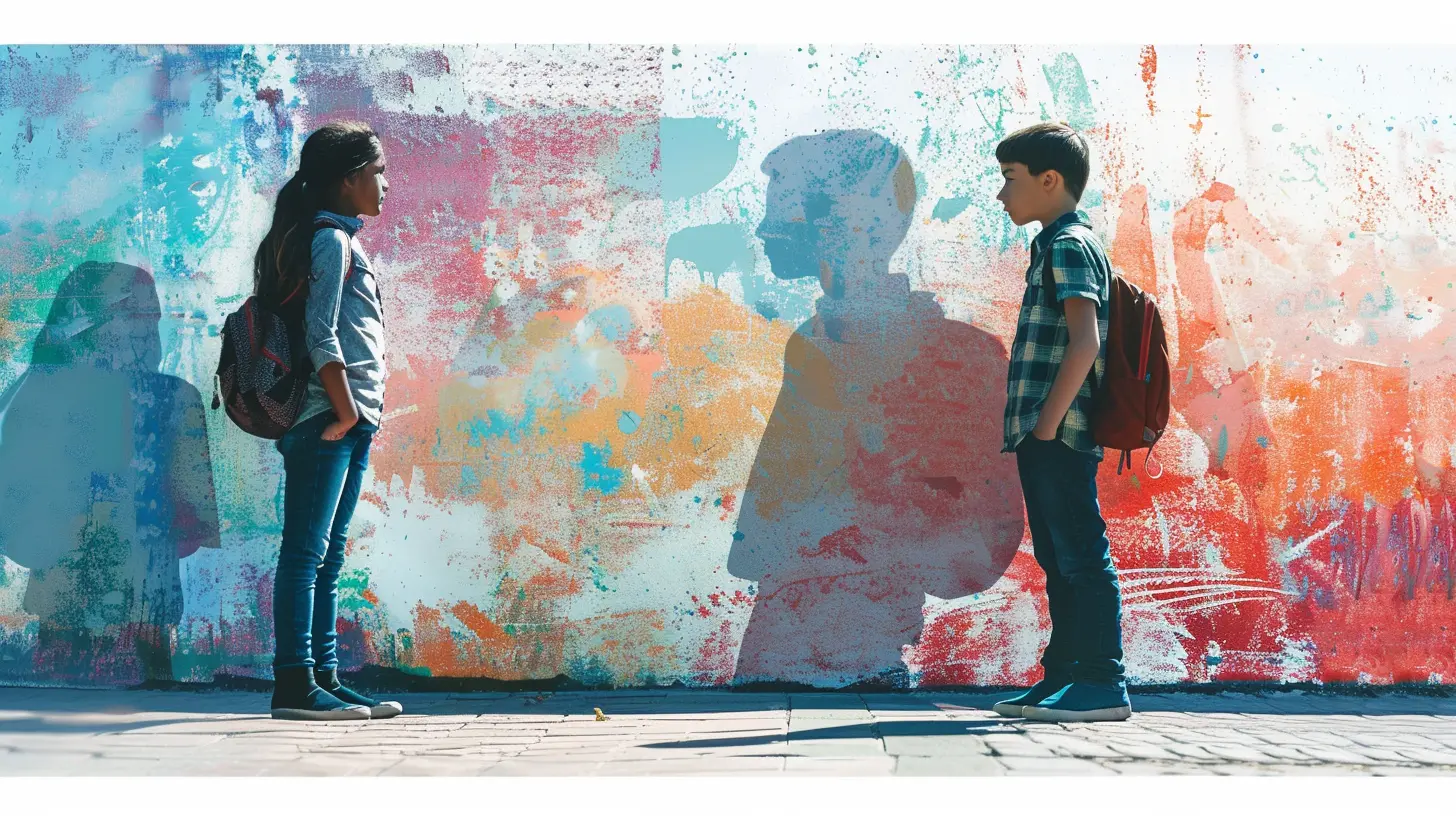
Understanding the Role of Bystanders
A bystander is anyone who sees or knows about a bullying situation but does nothing to stop it. Often, people assume that ignoring the problem makes them neutral, but silence actually supports the bully. Every time someone watches but doesn’t intervene, they unintentionally give the bully an audience—something that fuels their behavior.Some bystanders feel uncomfortable but don’t know what to do. Others fear retaliation or think someone else will handle the situation. Unfortunately, this mindset allows bullying to persist. The good news? With the right education and encouragement, bystanders can become upstanders—people who take action to support the victim and stop the bully.
Why People Stay Silent
Before we discuss solutions, it’s important to understand why bystanders hesitate to step in. Here are some common reasons:1. Fear of Becoming the Next Target
Many worry that if they step in, the bully will turn on them instead. This fear is valid, but strength comes in numbers. If multiple people stand up together, the bully loses power.2. Not Knowing How to Help
Some bystanders feel empathy but aren’t sure what to say or do. Without guidance, they freeze and do nothing.3. Assuming Someone Else Will Act
This is called the "bystander effect." When multiple people witness an event, they often assume someone else will step in, leading to collective inaction.4. Believing It’s Not Their Business
Some think, "It’s not my problem,” or “They’ll work it out." This kind of thinking disregards the impact bullying has on victims.5. Social Pressure
In school and workplace environments, people want to fit in. If a bully is popular, others may fear that standing up will isolate them.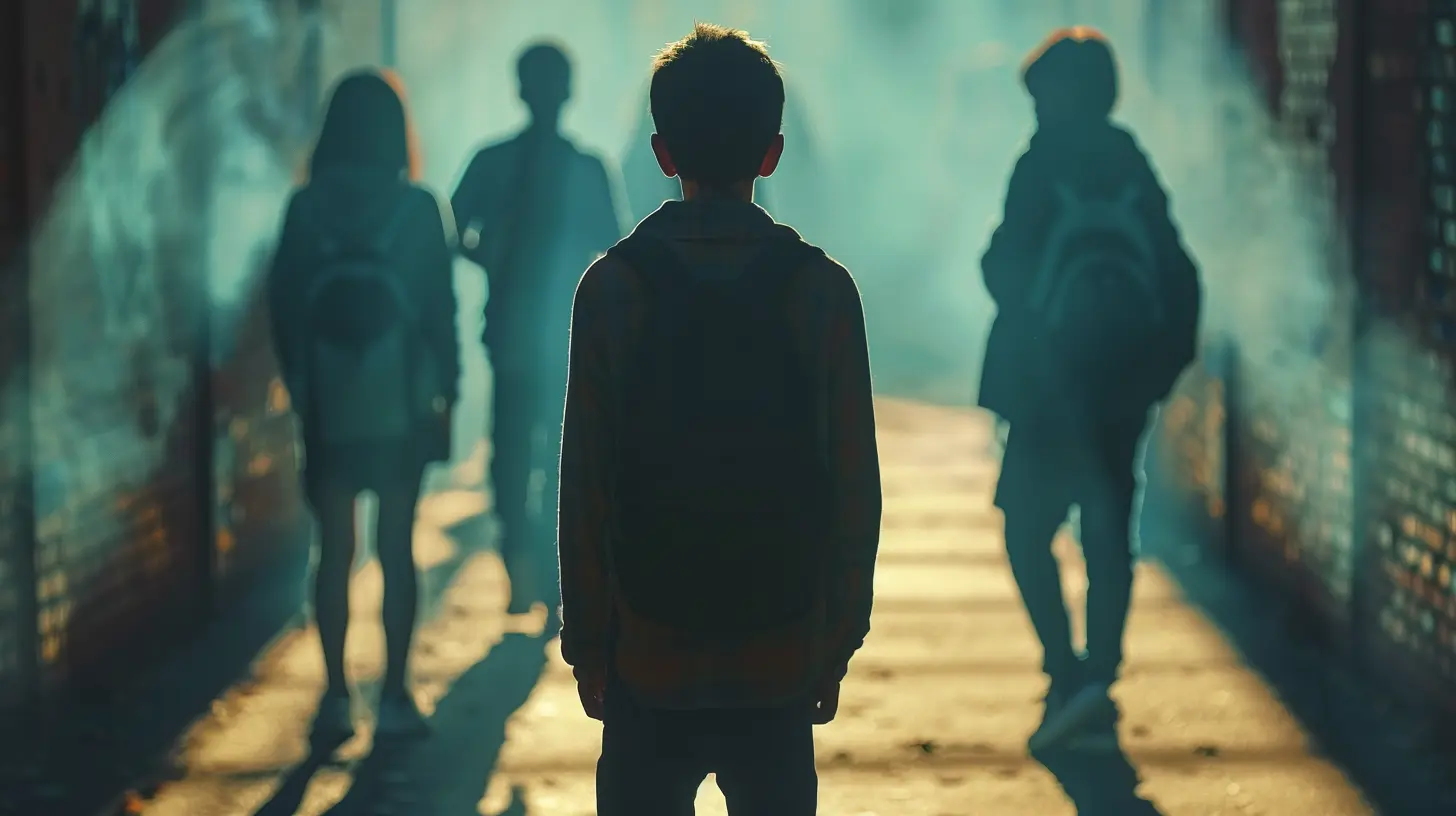
The Power of an Upstander
An upstander is someone who doesn’t just witness bullying but actively intervenes to stop it. They support the victim, confront the bully, or get help from others. Small actions can have a huge impact—showing the bully their behavior isn’t acceptable and offering the victim reassurance that they are not alone.So, how do we encourage people to become upstanders? 
Strategies to Turn Bystanders into Upstanders
1. Educate and Raise Awareness
Many people don’t realize the impact of their silence. Schools and workplaces should run workshops explaining the role of bystanders and why stepping up matters. Promoting real-life stories of upstanders can also inspire action.2. Teach Safe and Effective Ways to Intervene
Stopping bullying doesn’t always mean direct confrontation. Some safer ways to help include:- Distract: Changing the subject or creating a diversion to break up the situation.
- Support the Victim: Offering kindness afterward, checking in, and reassuring them.
- Report the Bullying: Telling a teacher, boss, or authority figure when intervention is needed.
- Gather Allies: Encouraging others to speak up so it's not just one person taking a stand.
3. Normalize Standing Up for Others
Schools and workplaces should foster a culture where standing up for others is expected, not unusual. Rewarding instances of kindness and bravery can shift the norm towards taking action rather than staying silent.4. Empower People with Confidence
Many hesitate to intervene because they don’t think they can make a difference. Encouraging self-belief and teaching assertiveness helps bystanders feel capable of stepping up.5. Encourage a Stronger Sense of Community
When people feel connected, they’re more likely to defend one another. Schools and workspaces should promote inclusion, team activities, and friendships, reducing the appeal of bullying.6. Use Peer Influence
People are more likely to act if they see their friends doing the same. Encouraging student-led or employee-driven anti-bullying initiatives makes standing up more socially accepted.The Ripple Effect of an Upstander
When one person takes a stand, others follow. Think of it like a chain reaction—one small act of bravery can shift the entire dynamic. If a bully sees that their actions aren't tolerated, they lose power. Similarly, when victims see support from bystanders, they feel safer and more valued.Upstanders don’t just stop one instance of bullying; they help reshape the culture. Imagine a school or workplace where bullying is consistently challenged rather than ignored. That’s the goal.
Real-Life Examples of Upstanders Making a Difference
It’s easy to talk about standing up, but real stories show just how powerful it can be. Here are a couple of inspiring examples:1. The Middle School Student Who Changed the Lunchroom
A 12-year-old student noticed a classmate being teased every day during lunch. Instead of ignoring it, he invited the bullied student to sit with him. Soon, more people joined them, isolating the bully instead. The bullying eventually stopped, all because one person decided to befriend the victim.2. The Workplace Hero
In an office setting, an employee noticed a colleague being constantly belittled by their manager. Instead of staying silent, the employee documented instances of bullying and encouraged others to speak up. With collective complaints, HR took action, and the toxic behavior was addressed.These cases prove that speaking up, even in small ways, matters.
The Role of Parents, Teachers, and Employers
Bystanders don’t turn into upstanders overnight; they need guidance. Parents, teachers, and employers all play critical roles in shaping how people respond to bullying.- Parents should teach children about kindness, confidence, and standing up for others.
- Teachers should actively encourage anti-bullying behaviors in classrooms.
- Employers should foster respectful workplaces and implement clear policies against bullying.
It takes a collective effort to create a culture where bullying is not tolerated.
Changing the Culture One Step at a Time
Bullying won’t disappear overnight, but every individual who chooses to be an upstander brings us one step closer to a bully-free environment. It’s time to shift from silence to action.So, next time you witness bullying, ask yourself: Will I be a bystander, or will I be an upstander?
The choice can make all the difference.
all images in this post were generated using AI tools
Category:
Bullying PreventionAuthor:

Anita Harmon
Discussion
rate this article
2 comments
Dusk McLemore
Turning bystanders into upstanders? Sounds like a superhero origin story waiting to happen! Forget capes; let’s arm them with kindness, empathy, and a sprinkle of courage. Because when it comes to bullying, the best superpower is standing up for one another. Up, up, and away from bullying!
February 15, 2026 at 11:20 AM
Anita Harmon
Absolutely! Empowering bystanders with kindness and courage is key to transforming our culture and combating bullying. Together, we can be the real superheroes!
Ethan Gibson
From bystanders to upstanders: let’s turn the tide, not tables!
February 4, 2026 at 4:13 AM
Anita Harmon
Thank you for your insightful comment! Empowering bystanders to become upstanders is crucial in fostering a supportive community and effectively combating bullying. Together, we can create positive change!