The Ethical Use of Open Educational Resources in Your Classroom
15 March 2026
Education is evolving faster than ever, and with the rise of technology, we're seeing a dramatic shift in how knowledge is shared. Gone are the days when textbooks were the only sources of information. Now, teachers and students alike have access to an endless supply of learning materials, thanks to Open Educational Resources (OERs).
But wait—just because something is free to use, does that mean it can be used however we want? That’s where things get tricky. The ethical use of OERs in your classroom isn't just about downloading and sharing—it’s about responsibility, fairness, and respect for intellectual work.
So, let’s dive into the world of OERs and uncover the ethical ways to integrate them into your teaching. 
What Exactly Are Open Educational Resources (OERs)?
Before we talk ethics, let’s get on the same page about what we’re dealing with. OERs are teaching, learning, and research materials available in the public domain or under an open license, allowing free use, adaptation, and sharing. These can include:- Textbooks
- Lecture notes
- Videos
- Quizzes
- Interactive activities
The biggest appeal? They're free and customizable! Teachers can tailor these resources to fit specific student needs without breaking the bank. But with great power comes great responsibility. 
The Ethics of Using OERs: Why Should You Care?
You wouldn’t walk into a store, grab a book, and walk out without paying, right? Then why should digital resources be treated any differently?Ethical concerns arise when OERs are used improperly—whether it’s failing to give credit, misusing licenses, or altering materials in a way that misrepresents the original intent. Here’s why ethical use matters:
- Respect for Creators – Just because someone made their work free doesn’t mean they don’t deserve recognition.
- Legal Consequences – Copyright violations can lead to serious legal issues, even with OERs.
- Academic Integrity – Teaching students the right way to source materials fosters a culture of honesty and respect.
Now that we get why it's important, let's break down how to use OERs ethically. 
1. Understanding Licensing: What Can (and Can't) You Do?
Not all OERs come with the same permissions. Most are protected under Creative Commons (CC) licenses, which outline how they can be used. Here’s a quick cheat sheet:- CC BY – You can use, modify, and share it as long as you credit the creator.
- CC BY-SA – Same as above, but any adaptations you make must be licensed under the same terms.
- CC BY-NC – You can use and modify it, but not for commercial purposes.
- CC BY-ND – You can share it, but can't modify it.
Understanding these licenses is CRUCIAL if you want to stay on the right side of ethical use. 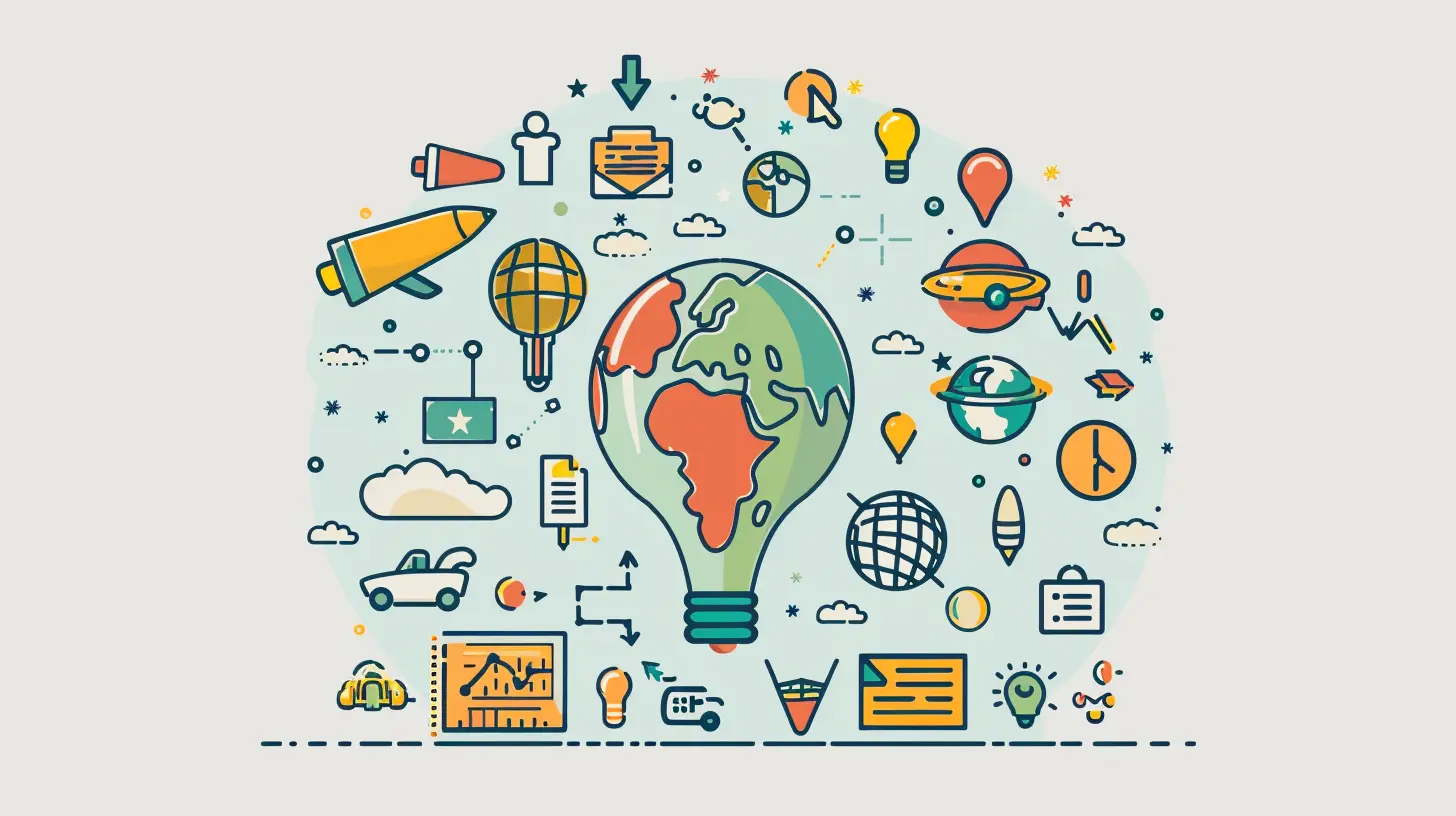
2. Always Give Credit Where It's Due
Think of attribution like saying “thank you” to the original creator. Credit isn’t just a formality—it acknowledges the hard work that went into creating the resource.A proper citation should include:
- The author’s name
- The title of the work
- A link to the original source
- The license type
For example:
"Introduction to Biology" by Jane Doe is licensed under CC BY-NC 4.0.
This small step makes a big difference in respecting intellectual property.
3. Keeping Modifications Ethical
OERs allow you to tweak and tailor resources, which is fantastic for personalization. However, altering content comes with responsibility.Imagine someone edits a famous novel and changes its ending to be completely different—without telling readers it was changed! That would be misleading, right?
The same rule applies to OERs:
- Maintain the integrity of the original message.
- Clearly state what modifications were made.
- Don’t misrepresent the author's intent.
Transparency is key!
4. Avoiding Commercial Exploitation
One of the most common misuses of OERs is profiting from them. If a resource is labeled Non-Commercial (NC), that means you can’t sell it, use it in paid courses, or package it for profit.If you’re unsure, ask yourself: Would I be making money from this? If the answer is yes, steer clear unless the license explicitly allows it.
5. Teaching Students About Ethical Use
As educators, we're not just responsible for using OERs ethically ourselves—we also have to teach students to do the same.Lessons on ethical resource use can include:
- How to find and cite OERs
- The importance of respecting intellectual property
- Understanding copyright vs. open licensing
Setting a good example will encourage students to carry these habits into future academic and professional work.
The Hidden Benefits of Ethical OER Use
Surprisingly, following ethical practices doesn’t just keep you out of trouble—it actually enhances the learning experience.1. Builds Transparency in Education
When educators properly attribute sources and respect licenses, it fosters a culture of openness and honesty in learning.2. Encourages Collaboration
Ethically using OERs means engaging with a global community of educators who share resources to improve education everywhere.3. Expands Access to Quality Education
When resources are used fairly and responsibly, they remain free and accessible to more people, including underserved communities.Ethical use isn't just about avoiding problems—it’s about ensuring the future of open education remains bright.
Final Thoughts
The rise of OERs is a game-changer in the classroom, but with that freedom comes responsibility. Understanding licensing, giving credit, modifying content ethically, avoiding profit-driven misuse, and teaching students proper practices—these aren’t just rules to follow; they’re standards that keep the educational ecosystem fair and thriving.So, before you hit that download button, pause for a second and ask yourself: Am I using this resource the right way? Because in the world of education, ethics matter just as much as knowledge itself.
all images in this post were generated using AI tools
Category:
Open Educational ResourcesAuthor:

Anita Harmon
Discussion
rate this article
2 comments
Alvin Scott
Thank you for this insightful article on the ethical use of Open Educational Resources. It’s crucial for educators to understand their responsibilities in sharing and utilizing these materials effectively. I look forward to implementing these principles in my classroom.
March 21, 2026 at 12:19 PM
Anita Harmon
Thank you for your kind words! I'm glad you found the article helpful and I hope the principles enhance your teaching practices.
Casey Rosales
Thank you for this insightful article! The discussion on the ethical use of Open Educational Resources is crucial for fostering a fair and inclusive learning environment. Your tips are practical and empowering, making it easier for educators to enhance their classrooms responsibly.
March 18, 2026 at 12:27 PM
Anita Harmon
Thank you for your kind words! I'm glad you found the article helpful and that the tips resonate with the importance of ethical practices in education.