The Role of Peer Support in Stopping Bullying in Schools
4 December 2025
Bullying is one of those ugly truths that still rear its head in the school environment. And while schools have tried countless rules, policies, and even surveillance systems to squash it, bullying continues to linger in school hallways, playgrounds, and online spaces. But here’s something incredible—what if the real solution isn’t just stricter punishment or more teachers watching? What if the real power lies in students themselves?
Yep, we're talking about the power of peer support. It’s the secret sauce many schools are beginning to stir into their anti-bullying strategies. But what exactly is peer support? How does it work? And why is it so powerful when it comes to stopping bullying?
Let’s break it all down.
What is Peer Support?
In simple terms, peer support is students helping students. It involves peers stepping in, offering a listening ear, showing empathy, and standing up for each other, especially in tough situations like bullying.Unlike adult intervention, which often feels formal and intimidating, peer support carries a sense of familiarity and trust. After all, who better understands the struggles of a student than another student who walks the same hallways and faces similar challenges?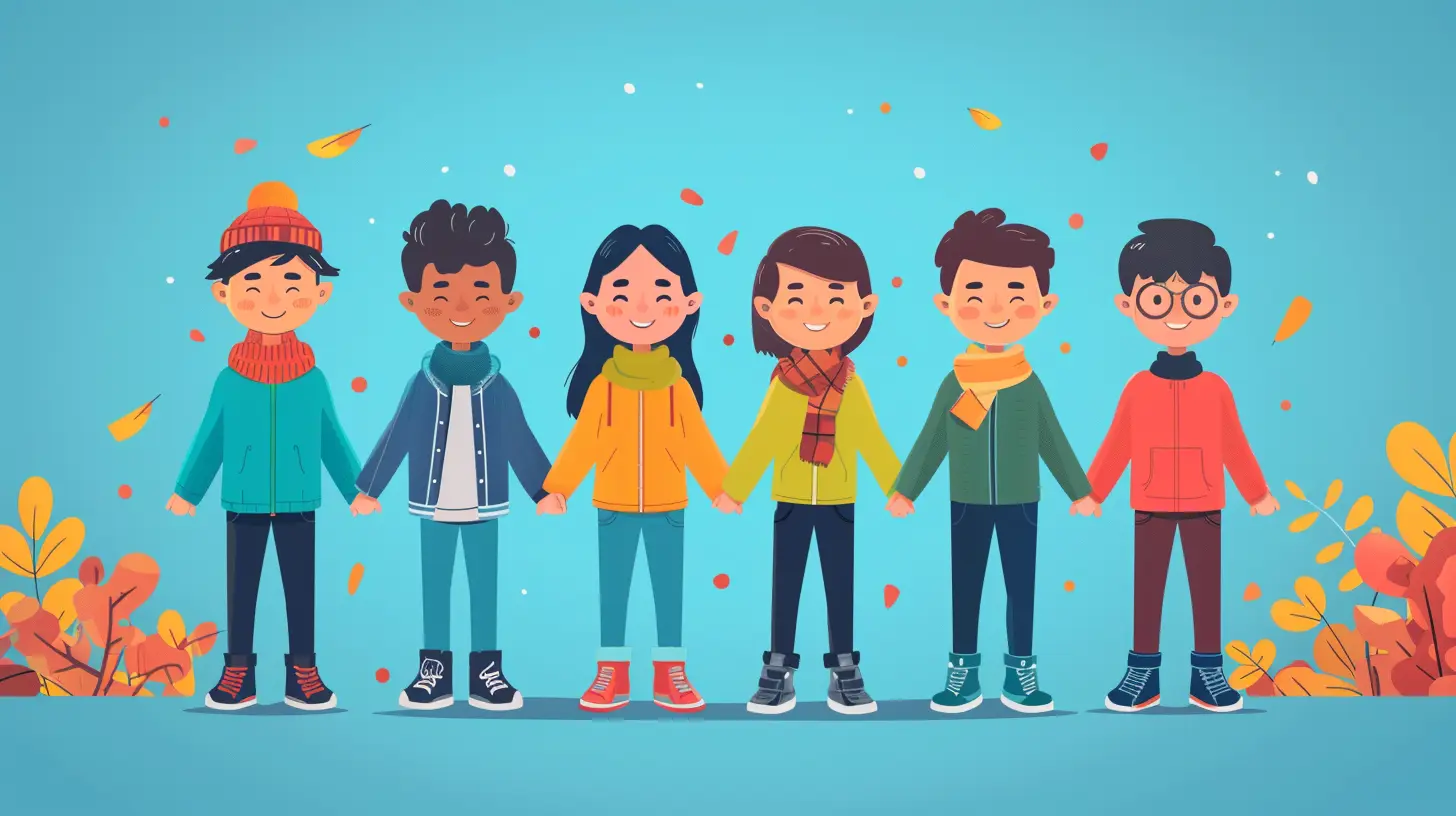
Why Traditional Anti-Bullying Methods Aren’t Always Enough
Don’t get us wrong—adult intervention is crucial. Teachers, counselors, and parents all play vital roles in addressing bullying. But here’s the problem: bullying often happens away from adult eyes. It thrives in whispers, in corners, in DMs, and behind lockers where supervision falls short.Most students who are bullied don’t report it to adults. Why? Fear of retaliation, shame, or simply not trusting that adults will truly understand. That’s where peer support shines—it bridges the gap between silence and action.
How Does Peer Support Help?
Let’s dive deeper. Peer support isn’t just about “being nice.” It’s a proactive movement that includes multiple roles and strategies.1. Bystander Intervention
You know the saying, “If you’re not part of the solution, you’re part of the problem”? That hits home here. When students witness bullying, their response is critical. Peer support teaches students not to be silent bystanders but active defenders.Instead of laughing along or looking the other way, trained peer supporters know how to step in, defuse the situation, or report it without escalating the conflict.
2. Building a Culture of Empathy
Imagine walking into a school where kindness is the norm, not the exception. Peer support leaders help build this kind of culture. Through campaigns, events, and everyday interactions, they spread the message that bullying is not cool and kindness is powerful. It becomes a ripple effect—when one student speaks up, it encourages others to do the same.3. Providing Emotional Safety
For someone being bullied, the world often feels like an unsafe place. Having a peer to talk to—someone who listens without judging—can be life-changing. Peer supporters offer a sense of belonging and validation that helps victims regain confidence and emotional balance.4. Encouraging Responsiveness, Not Retaliation
Retaliating against bullies often makes the situation worse. Peer support teaches constructive responses. Instead of fighting fire with fire, peer supporters offer strategies like reporting, walking away, or seeking help, setting an example of emotional maturity.
Setting Up Peer Support Programs: What Works?
Now you’re probably wondering, “How do schools actually do this?” Setting up a peer support system isn’t as complicated as it sounds. It just takes commitment, creativity, and consistency.1. Peer Mentorship Programs
Schools can pair older students with younger ones in mentorship roles. These mentors act as guides, role models, and friends. Not only does this boost the confidence of younger students, but it also makes them feel safer and more connected.2. Peer Listening Groups
Trained peer listeners can offer emotional support to students who are struggling. Think of it as a school-approved support group—safe, confidential, and guided by empathy.Students can “book” time with a trained peer listener to vent, discuss problems, or just chat. It’s like therapy—but with someone your own age.
3. Anonymous Reporting Systems
Allowing students to report bullying anonymously to a peer-led team can make a huge difference. It removes the fear of being labeled a snitch and helps the support team act without putting the victim in more danger.4. Awareness Campaigns Led by Students
When students spearhead anti-bullying campaigns—through posters, skits, videos, or social media—it hits differently. It doesn’t feel like a lecture; it feels like peer advice. That relatability is gold.Real-Life Impact: Success Stories from Schools
Let’s take a peek into the real world. Schools that have embraced peer support report some pretty incredible results:- Lower rates of bullying incidents.
- Higher levels of student happiness and inclusion.
- More reports of bullying (yes, that’s a good thing—silence is the enemy).
- Stronger student relationships and better classroom dynamics.
In some schools, peer-led anti-bullying groups have become so popular that students compete to be part of them. Why? Because it gives them purpose. They feel like they are making a real difference—and they are.
Challenges Peer Support Programs Face (And How to Overcome Them)
Of course, no system is perfect. Peer support programs do face challenges, like:1. Lack of Training
You can’t just throw students into these roles and hope for the best. They need proper training in communication, empathy, conflict resolution, and confidentiality. Schools need to invest in workshops and ongoing mentorship to keep the quality high.2. Fear of Retaliation
Some students might be scared to speak up or step in. That’s valid. Creating an environment where it's safe to support peers—backed by school-wide policies—is essential.3. Sustaining Engagement
Keeping the momentum going can be tricky. That’s why integrating peer support into school culture is important. It shouldn’t be a one-time event—it should be part of the school’s DNA.Why Peer Support is the Future of Anti-Bullying Strategies
Here’s the honest truth: bullying isn’t going away with just detentions and disciplinary action. It's a deeply human issue, and the solutions need to be human too.Peer support brings heart into the equation. It’s not about punishment. It’s about healing, connection, and empathy. It makes students feel seen, heard, and valued—and that’s the cornerstone of any safe, thriving school environment.
Think of it like this: Adults build the framework. Teachers enforce the structure. But students? They make up the soul of the school. When students stand up for each other, they don’t just stop bullying—they reinvent the culture entirely.
What Can Parents and Teachers Do to Support Peer-Led Initiatives?
It’s not all on the kids. Here’s how adults can support:- Encourage communication: Create open spaces where students feel comfortable talking about what’s going on.
- Support training programs: Advocate for peer leadership development in your school.
- Celebrate peer leaders: Recognize and reward students who step up.
- Model kindness: Kids notice everything. If adults deal with conflict through respect and empathy, students are likely to do the same.
- Stay engaged: Attend school meetings, read newsletters, and stay in the loop with anti-bullying efforts.
Final Thoughts: Peer Power is Real
At the end of the day, stopping bullying isn’t just the job of teachers or principals—it’s a team effort. And when students are empowered to be that team, real change starts to happen.Peer support isn’t just a nice school project. It’s a revolution in how we tackle bullying—one connection, one conversation, one act of courage at a time. And maybe, just maybe, that’s how we finally create schools where everyone feels safe, supported, and respected.
So next time you think about how to stop bullying—don’t just look up. Look around. The heroes might already be sitting in the classroom.
all images in this post were generated using AI tools
Category:
Bullying PreventionAuthor:

Anita Harmon
Discussion
rate this article
2 comments
Rook Mathews
Peer support is vital in combating bullying. Empowering students to stand together fosters a positive school culture, promotes empathy, and creates safe spaces. We must prioritize peer-led initiatives to effectively address and reduce bullying in our schools.
December 10, 2025 at 5:34 AM
Anita Harmon
Absolutely! Peer support is crucial in creating a safe and empathetic school environment. Empowering students to advocate for each other is key to effectively combating bullying.
Faenor Simmons
Empower peers, prevent bullying.
December 7, 2025 at 8:24 PM
Anita Harmon
Absolutely! Empowering peers is key to creating a supportive environment that discourages bullying and fosters resilience.