The Role of School Counselors in Bullying Prevention
27 January 2026
Bullying is a serious issue that affects students of all ages. It can lead to emotional distress, poor academic performance, and long-term psychological scars. But who plays a key role in stopping it within schools? School counselors. These professionals do much more than offer career advice—they stand as a frontline defense against bullying.
So, how exactly do school counselors help prevent bullying? Let’s break it down.

Understanding the Impact of Bullying
Before diving into the role of school counselors, it’s essential to understand how damaging bullying can be. It’s not just "kids being kids"—the effects can last a lifetime.The Emotional Toll
Bullying can shatter a student’s confidence, leading to anxiety, depression, and even suicidal thoughts. Victims often struggle with self-worth, making it difficult for them to thrive socially or academically.Academic Consequences
Students who are bullied frequently find it hard to concentrate in class. Some may avoid school altogether, leading to declining grades and disengagement from learning.Long-Term Effects
Bullying’s impact doesn’t end at school. Many victims carry the scars into adulthood, affecting their relationships, careers, and overall mental well-being.Now that we understand how severe the issue is, let’s discuss how school counselors work to prevent and combat bullying.

The Crucial Role of School Counselors in Bullying Prevention
School counselors are not just problem solvers—they are change-makers. They work behind the scenes and on the front lines to create a safe and inclusive environment for all students.1. Educating Students About Bullying
Knowledge is power. One of the most effective ways counselors prevent bullying is by educating students about what bullying looks like and how to stand against it.- They conduct workshops, presentations, and activities to help students recognize different forms of bullying, including physical, verbal, and cyberbullying.
- They teach empathy, kindness, and conflict resolution, encouraging students to support one another rather than tear each other down.
2. Offering a Safe Space for Victims
Not all students feel comfortable reporting bullying to teachers or parents. That’s where counselors step in.- They provide a confidential and safe space for students to share their experiences.
- They offer coping strategies and emotional support, ensuring that victims feel heard and valued.
3. Identifying and Addressing Bullies
Surprisingly, bullies also need help. Many students who engage in bullying do so because of problems at home, low self-esteem, or unresolved anger.- Counselors identify these students and intervene before the behavior escalates.
- Instead of simply punishing them, they work to understand the root cause of their actions and provide guidance on healthier ways to express emotions.
4. Training Teachers and Staff
Preventing bullying isn’t just a student-counselor effort—it requires a team approach. Counselors play a huge role in training teachers and staff on how to recognize and handle bullying situations.- They educate staff on warning signs of bullying, ensuring early intervention.
- They create protocols for reporting and addressing bullying to ensure consistency across the school.
5. Encouraging Peer Support Programs
Students often listen to their peers more than adults. That’s why counselors establish peer support groups and leadership programs.- Programs like peer mentoring and student-led anti-bullying campaigns empower students to take a stand.
- When students support each other, it fosters a culture where bullying is less likely to thrive.
6. Implementing School-Wide Anti-Bullying Policies
Having clear and strict anti-bullying policies is crucial, and counselors help shape these policies.- They ensure that schools have clear rules against bullying, with consequences for those who engage in it.
- They work with administration to create reporting systems so that no case of bullying goes unnoticed or unaddressed.
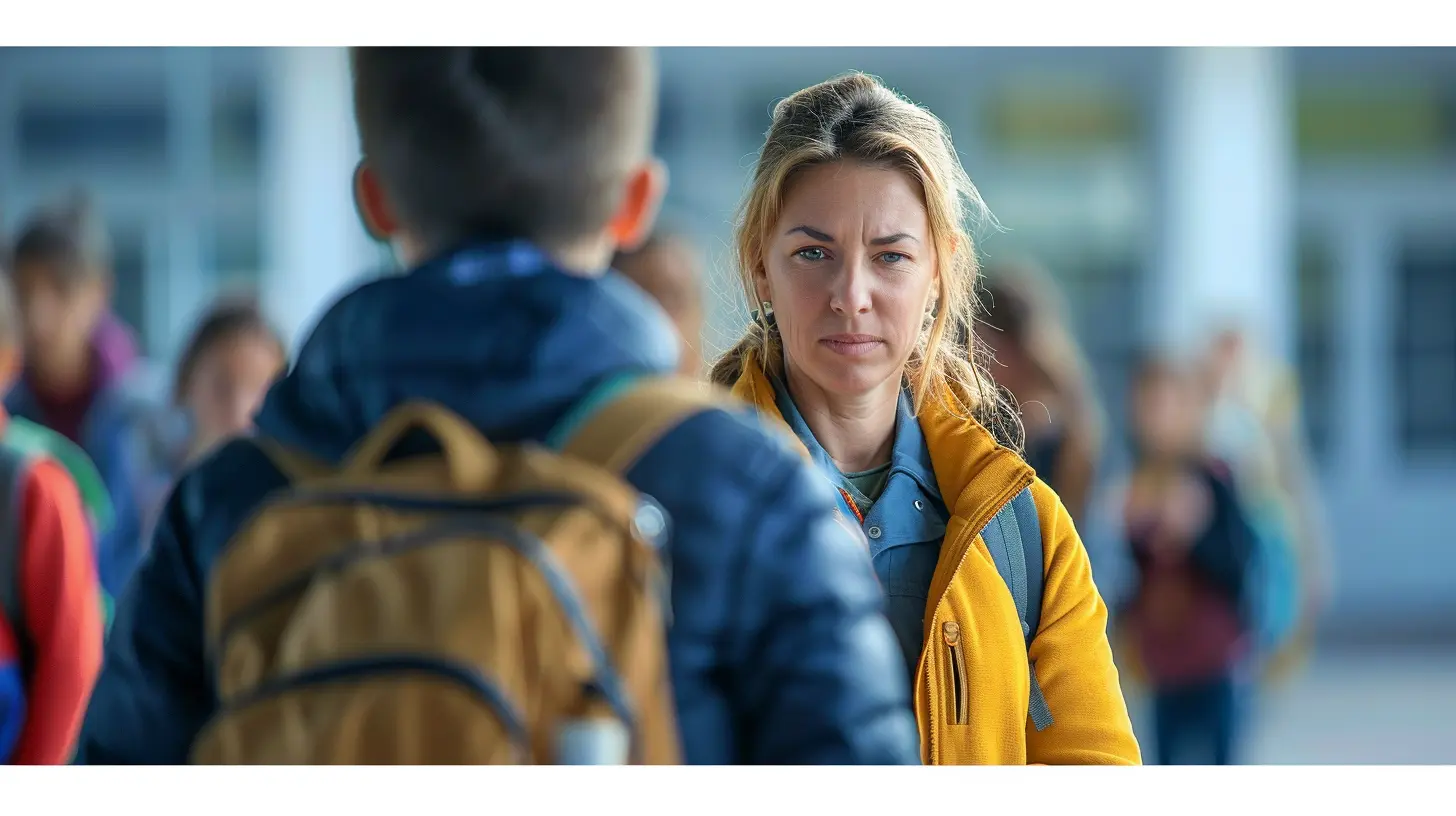
The Importance of Early Intervention
Bullying can escalate quickly if not addressed early. That’s why counselors focus on early intervention strategies.- They monitor behavioral changes in students who may be struggling.
- They conduct regular check-ins with both victims and perpetrators to ensure progress.
- They involve parents in the conversation, strengthening the support system at home.
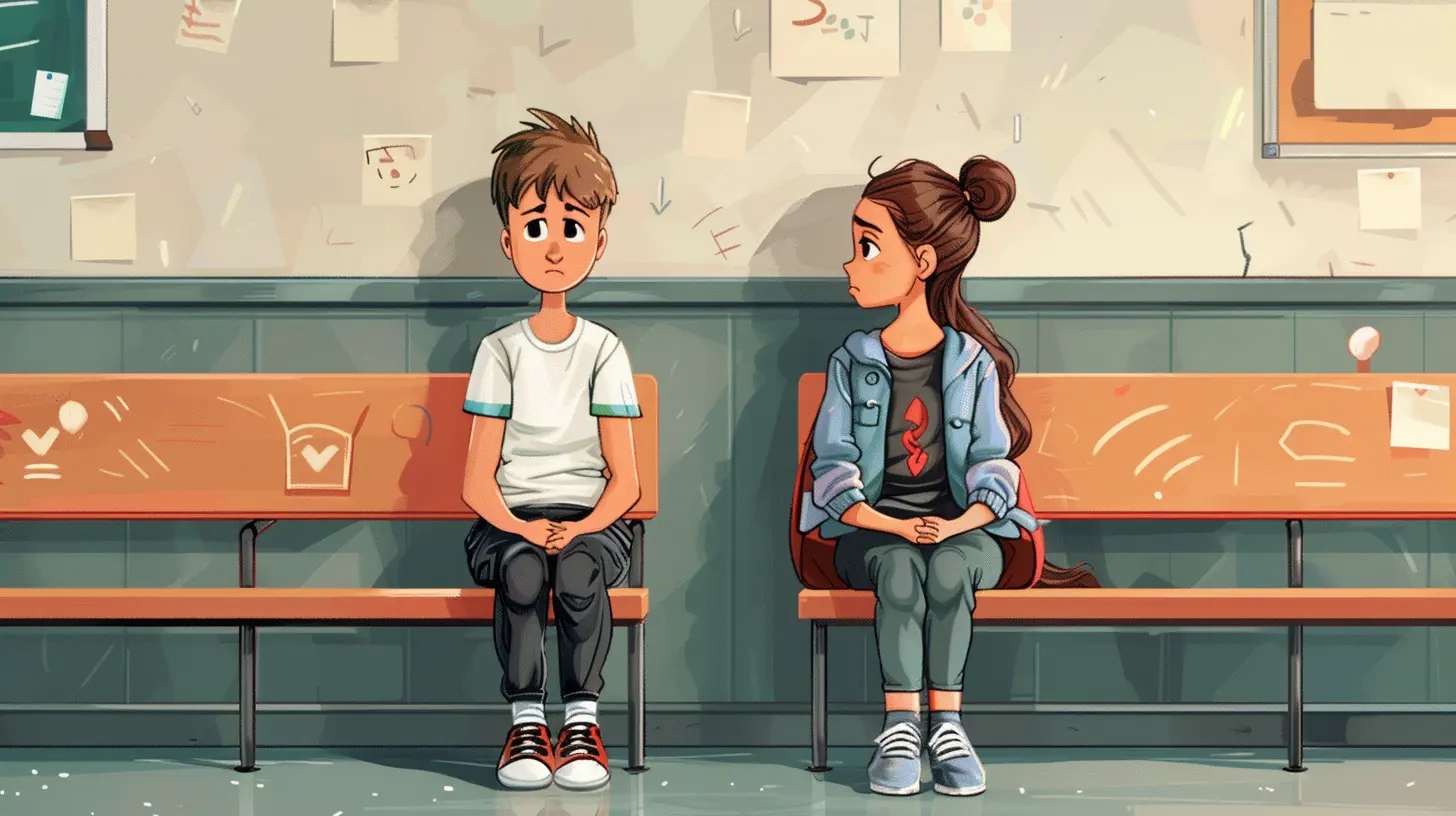
How Parents Can Support the Efforts of School Counselors
Counselors play a crucial role, but they can’t do it alone. Parents have a responsibility to reinforce these efforts at home.1. Keep Communication Open
Encourage kids to talk about their experiences at school. If something seems off, ask questions and provide reassurance.2. Teach Conflict Resolution at Home
Help children learn how to calmly express their feelings and handle conflicts without resorting to aggression.3. Lead by Example
Children imitate what they see. Show kindness, empathy, and respect in your own interactions.4. Report Any Concerns
If your child is being bullied or is involved in bullying, work with the school counselor to find a solution.Final Thoughts
School counselors are the unsung heroes in the fight against bullying. They educate, support, and intervene, ensuring that students feel safe and valued. With their efforts—along with the support of teachers, parents, and students—schools can cultivate an environment where bullying has no place.We all have a role to play. Whether you’re a student, parent, or educator, standing against bullying starts with awareness and action. And with dedicated school counselors leading the way, we can create schools where every child feels safe, respected, and empowered.
all images in this post were generated using AI tools
Category:
Bullying PreventionAuthor:

Anita Harmon
Discussion
rate this article
2 comments
Jacob Pope
This article effectively highlights the essential role school counselors play in bullying prevention. Their proactive strategies, such as fostering open communication and providing support, are crucial in creating a safe school environment. Empowering counselors can lead to a more positive experience for all students.
February 16, 2026 at 11:22 AM
Anita Harmon
Thank you for your insightful comment! I completely agree that empowering school counselors is key to fostering a supportive and safe school environment for students.
Casey Cross
While school counselors play a vital role in bullying prevention, their effectiveness hinges on systemic support, training, and collaboration with teachers and parents to foster a safe environment.
January 27, 2026 at 3:51 AM
Anita Harmon
Absolutely! Effective bullying prevention requires a collaborative approach, with counselors, teachers, and parents working together for a supportive school environment.