Innovation in Education: Leading the Way to a Creative Learning Culture
27 November 2025
Education has come a long way from the traditional chalk-and-talk methods. With the ever-evolving digital landscape, innovation in education is no longer optional—it’s a necessity. Schools, colleges, and educators worldwide are embracing new techniques, tools, and mindsets to create a learning culture that fosters creativity, critical thinking, and real-world problem-solving.
But what exactly does innovation in education mean? And how can it pave the way for a more engaging and effective learning experience? Let’s dive into it!

What is Innovation in Education?
Innovation in education isn’t just about using technology in the classroom. It’s about rethinking how we teach and how students learn. It’s about breaking free from outdated methods and embracing new ideas that cater to diverse learning styles.At its core, educational innovation is all about:
- Encouraging creativity and curiosity
- Making learning more accessible and engaging
- Developing critical thinking and problem-solving skills
- Preparing students for a fast-changing world
When education evolves, students become more than just passive listeners—they become creators, problem-solvers, and lifelong learners.
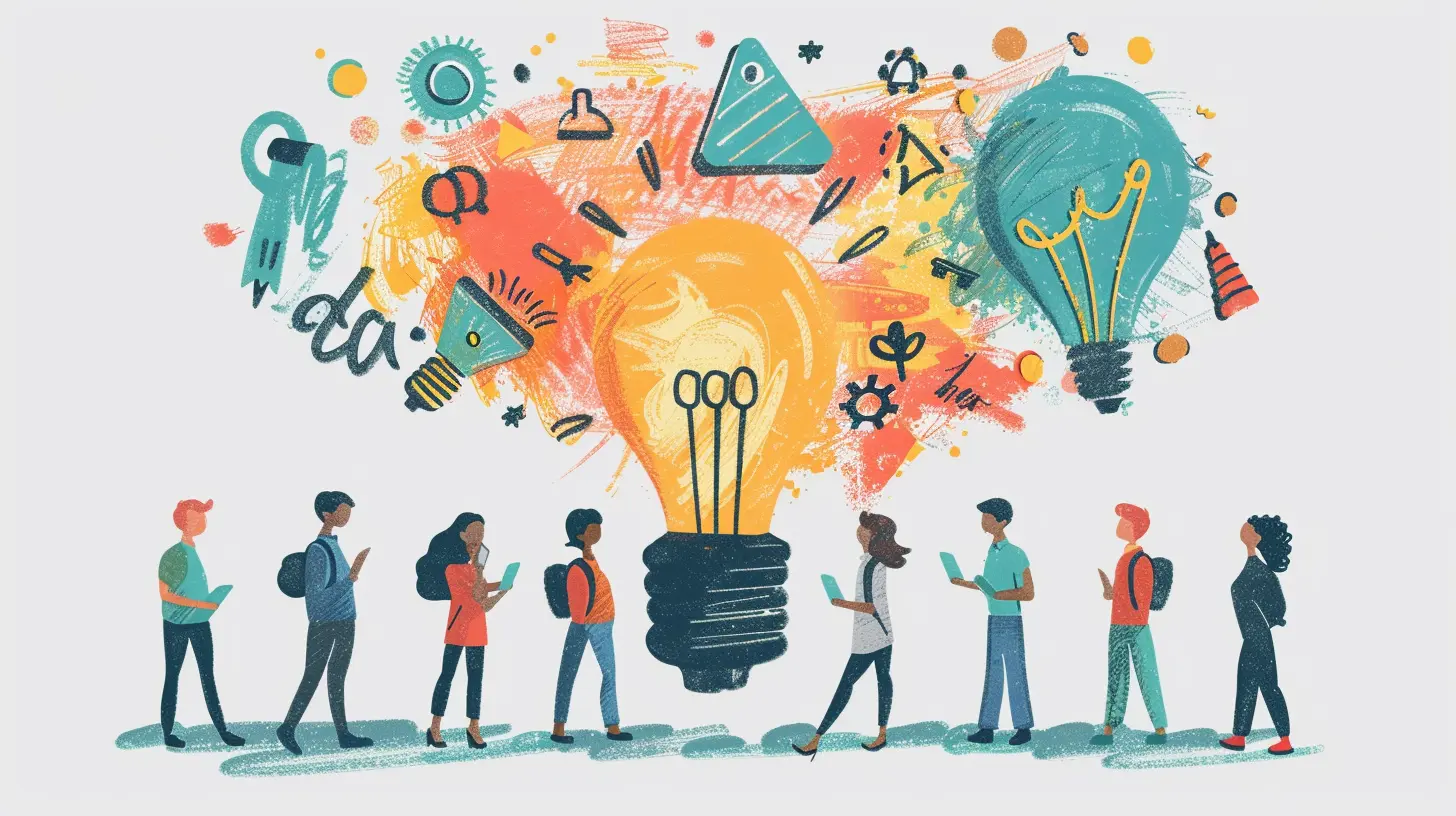
Why is Innovation in Education Important?
Think about it. The world is changing at an unprecedented pace. From Artificial Intelligence (AI) to automation, the skills required for success today are vastly different from those needed a decade ago. If education doesn’t keep up, students will graduate without the tools to thrive in the real world.Here’s why innovation is crucial:
1. Enhances Engagement and Interest
No one enjoys sitting through long, monotonous lectures. Innovative teaching methods like gamification, interactive sessions, and project-based learning make education more engaging. When students are interested, they retain information better.2. Encourages Personalized Learning
Every student learns differently. Some grasp concepts quickly, while others need extra support. Adaptive learning technologies, such as AI-driven platforms, tailor lessons to individual needs, ensuring that no student is left behind.3. Develops 21st-Century Skills
Today’s workforce demands more than just academic knowledge. Analytical thinking, collaboration, and digital literacy are becoming essential. By incorporating these skills into the learning process, students are better prepared for future challenges.4. Creates Lifelong Learners
Innovation makes learning more enjoyable. When students develop a love for learning early on, they’re more likely to continue seeking knowledge throughout their lives.
Innovative Approaches in Education
Now that we understand why innovation is vital, let’s explore some of the most effective approaches transforming education today.1. Technology-Driven Learning
Technology has completely revolutionized education. The rise of EdTech (Educational Technology) has made knowledge more accessible than ever.- Virtual Classrooms & E-Learning Platforms – With platforms like Google Classroom, Coursera, and Khan Academy, students can learn anytime, anywhere.
- Augmented Reality (AR) & Virtual Reality (VR) – Imagine dissecting a frog in biology class—without the mess—through AR simulations! These tools make learning immersive and interactive.
- AI-Powered Tutors – AI-driven programs provide personalized feedback, helping students understand concepts better.
2. Gamification in Education
Who doesn’t love a good game? Gamification applies game elements like points, rewards, and challenges to learning. This method makes education fun and encourages students to stay motivated.- Duolingo uses gamification to teach languages effectively.
- Math apps reward students with badges and levels as they master new concepts.
- Classrooms use leaderboards to encourage friendly competition.
Gamified learning keeps students excited about education, turning lessons into enjoyable experiences.
3. Project-Based Learning (PBL)
Rather than memorizing facts for an exam, students learn by doing. Project-Based Learning allows students to work on real-world problems, collaborating to find solutions.- A science class might build a robot.
- History students could create a documentary on ancient civilizations.
- Business students might develop their own startups.
PBL enhances creativity, teamwork, and problem-solving—all critical skills for future success.
4. The Flipped Classroom Model
Imagine doing your "homework" in class and watching lectures at home. That’s the flipped classroom model. Instead of passively listening during school hours, students engage in discussions, problem-solving, and hands-on activities in class.This method:
- Encourages discussions and student participation.
- Provides more time for teacher-student interaction.
- Helps students grasp difficult concepts at their own pace.
5. Social-Emotional Learning (SEL)
Education isn’t just about academics. A truly innovative system prioritizes emotional intelligence, self-awareness, and interpersonal skills. Social-Emotional Learning (SEL) teaches students how to manage stress, communicate effectively, and empathize with others.Schools that implement SEL strategies report improved academic performance, lower dropout rates, and happier students. Because let’s be real—mental well-being is just as important as grades.

How Educators Can Foster a Creative Learning Culture
Innovation doesn’t happen overnight. But with the right mindset and strategies, educators can cultivate a creative learning culture that empowers students to think outside the box. Here’s how:1. Encourage Curiosity and Experimentation
Instead of discouraging mistakes, embrace them! A healthy learning environment celebrates curiosity and fosters a growth mindset. Encourage students to ask questions, experiment, and explore new ideas without fear of failure.2. Use Real-World Applications
Students often ask, “When will I ever use this in real life?” To keep learning relevant, educators should connect lessons to real-world scenarios. Bring in guest speakers, organize field trips, and incorporate case studies to bridge the gap between theory and practice.3. Promote Collaboration Over Competition
While competition can be motivating, fostering collaboration builds teamwork and communication skills. Group projects, peer reviews, and brainstorming sessions encourage students to learn from each other rather than just compete for grades.4. Provide a Safe Space for Creativity
Rigid classroom structures can stifle creativity. Instead, create an environment that welcomes bold ideas. Whether it's through art, storytelling, coding, or hands-on projects, let students express themselves in ways that feel natural to them.5. Stay Open to Change
Education is constantly evolving. The best educators stay curious and adapt to new teaching techniques, technologies, and ideas. Attending workshops, following educational trends, and seeking student feedback will keep learning fresh and engaging.Final Thoughts
Innovation in education isn’t just a trend—it’s the key to shaping a future-ready generation. Whether through technology, gamification, or project-based learning, the goal remains the same: helping students become creative thinkers, problem-solvers, and lifelong learners.The traditional classroom is evolving, and that’s a good thing. By embracing change, we’re not just teaching students what to think, but how to think—and that’s the real game-changer.
So, whether you’re an educator, a student, or a parent, remember: the future of education is bright, dynamic, and full of endless possibilities!
all images in this post were generated using AI tools
Category:
Leadership SkillsAuthor:

Anita Harmon
Discussion
rate this article
2 comments
Nala Lambert
This article beautifully captures the essence of fostering creativity in education. Embracing innovation not only enriches learning experiences but also empowers students to explore and thrive in an ever-changing world. Thank you!
December 7, 2025 at 8:24 PM
Anita Harmon
Thank you for your kind words! I'm glad you found the article inspiring. Embracing innovation truly is key to enriching education and empowering students.
Owyn Vaughn
Who knew that learning could be as fun as a cat video marathon? With innovation leading the way, we're trading in dull textbooks for creative spark! Let’s embrace the chaos of imagination and turn classrooms into playgrounds for bright minds—bring on the creativity!
November 29, 2025 at 3:20 AM
Anita Harmon
Absolutely! Embracing creativity transforms education into an engaging adventure, making learning as enjoyable as those cat video marathons. Let's keep the momentum going!