The Power of Teacher Collaboration in 2026
17 April 2026
Let’s be honest. For decades, the classic image of a teacher has been a solitary hero. The lone warrior in a classroom, armed with a planbook and a dream, fighting the good fight behind a closed door. We’ve celebrated this image in movies and lore. But here’s the uncomfortable truth: that model is not just outdated; in 2026, it’s a recipe for burnout and stagnation. The classroom door, both literally and figuratively, is swinging wide open. The real power in education today—and more so tomorrow—isn’t found in isolation. It’s forged in connection. It’s the power of teacher collaboration, and by 2026, it won’t just be a nice-to-have; it will be the very engine of educational survival and success.
Think of it this way. You wouldn’t expect a single engineer to build a spaceship alone, or one doctor to perform a complex surgery without a team. So why have we expected one teacher to master the universe of curriculum design, social-emotional learning, educational technology, differentiated instruction, and cultural competency for 30 unique minds—all by themselves? It’s an impossible ask. Collaboration is the force multiplier that turns that impossible task into a shared, achievable mission.

From “My Kids” to “Our Kids”: The Philosophical Shift
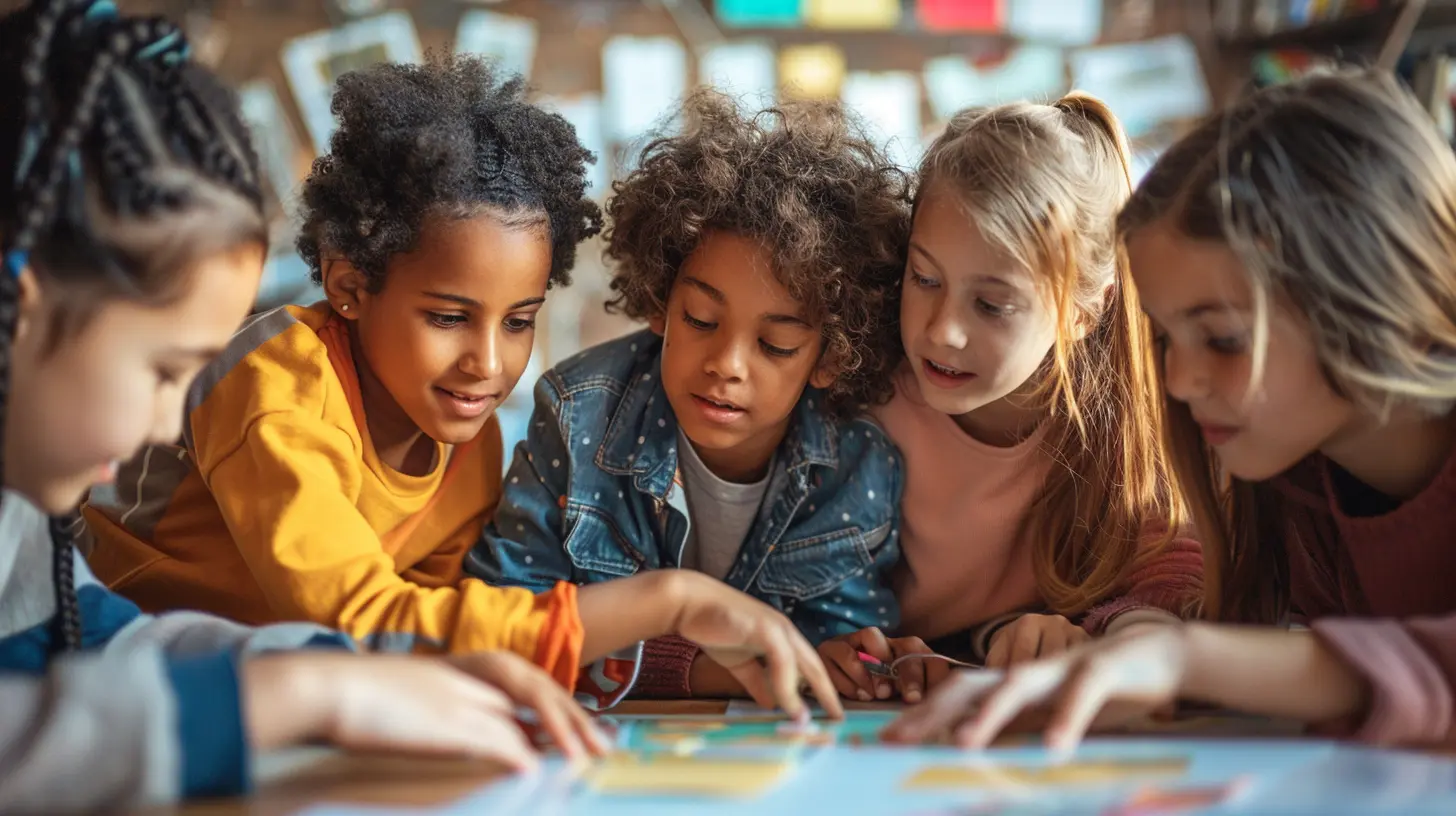
The first and most profound change is a shift in ownership. For true collaboration to take root, we must move from a mindset of “my students” and “my classroom” to “our students” and “our school.” This isn’t just semantics; it’s a seismic change in professional culture.When you view the 8th grader struggling in math as your responsibility alone, the weight is crushing. But when the 8th-grade math teacher, the 7th-grade math teacher (to identify gaps), the science teacher (to find applied math connections), and the school counselor collaborate, that student is suddenly surrounded by a web of support. They become “our kid.” In 2026, this ethos is embedded in the architecture of the school day. It’s in the master schedule that carves out sacred, non-negotiable time for teams to meet. It’s in the physical layout, with shared planning spaces that are more inviting than isolated classrooms.
This shift dismantles the damaging culture of comparison and competition that sometimes festers among staff. It’s no longer, “Why are your test scores higher?” but “How did we approach this standard, and what can we learn from each other’s results?” The success of one becomes a case study for the success of all.
The 2026 Collaboration Toolkit: Beyond the Weekly Meeting
So, what does this actually look like on a Tuesday afternoon in 2026? It’s far more sophisticated than a weekly gripe session or a passive “PLC” (Professional Learning Community) where people just share what they did last week. Collaboration has evolved into a dynamic, data-informed, and technology-powered practice.1. Hyper-Specific Data Digs: Teams aren’t just looking at unit test averages. They’re using next-generation analytics platforms that can pinpoint, for example, that 65% of English Language Learners in the 10th-grade cohort are stumbling on the same textual inference skill in both history and literature classes. This isn’t an English department problem; it’s a cross-curricular literacy problem. The history and English teachers then co-design a mini-unit, using historical documents and literary texts, to explicitly teach that skill. They share strategies, create common rubrics, and track progress together. The data tells a story, and the team writes the next chapter—collectively.
2. Micro-Credentialing and Skill-Sharing: In 2026, the “expert” in the building isn’t just the person with the most years of service. It’s the second-year teacher who is a wizard at using a specific AI tool to create personalized reading passages. Through structured collaboration time, she runs a 30-minute “skill burst” for her team. In return, she learns classroom management nuances from a veteran teacher. This peer-to-peer professional development is immediate, relevant, and empowering. It creates a culture where everyone is both a teacher and a learner.
3. Global Co-Teaching via Immersive Tech: Here’s where it gets futuristic. Imagine a biology class in Ohio collaborating in real-time with a class in Costa Rica on a rainforest ecology project. Using immersive VR (Virtual Reality) or robust AR (Augmented Reality) platforms, students and teachers can “meet” in a shared virtual space—a digitized version of a rainforest canopy. The teachers have planned this for weeks, aligning standards and outcomes. They team-teach across continents, each bringing their geographical and cultural perspective to the science. This isn’t a pen-pal project; it’s a co-taught, collaborative learning experience that prepares students for a globally connected workforce. The teachers involved aren’t just collaborating with a colleague down the hall; they’re building a professional network that spans the globe.

The Human Glue: Trust, Vulnerability, and Leadership
All the technology and scheduling in the world are useless without the human element. Effective collaboration is built on a foundation of radical candor and professional vulnerability. It requires teachers to say, “The lesson I was so proud of totally flopped. Help me figure out why,” or “I have no idea how to reach this one student; can I brainstorm with you?”This level of openness is terrifying in a traditional, evaluative school culture. That’s why leadership in 2026 is critical. Administrators must be the chief collaboration officers. Their role is to:
* Model Vulnerability: Principals who share their own mistakes and learning processes give teachers permission to do the same.
* Protect Time: They guard collaborative time as fiercely as instructional time. No interruptions, no covering other duties.
Focus on Process, Not Just Product: They celebrate the quality of the collaborative discussion*—the tough questions asked, the alternative strategies proposed—not just the resulting rise in scores.
Building this trust is like building a muscle. It’s awkward and weak at first. Early meetings might be silent or superficial. But with consistent practice, protected space, and leadership that values the process, it grows strong. This trust becomes the immune system of the school, helping it weather the inevitable storms of education policy shifts, challenging community dynamics, and yes, even future pandemics.

The Tangible Outcomes: Why This All Matters
Okay, so we’re building trusting teams, using cool tech, and sharing data. What’s the actual payoff? Why is this the non-negotiable power source for 2026?For Teachers: An Antidote to Burnout. Isolation is a primary fuel for teacher exhaustion. Collaboration provides a community, a sounding board, and a source of shared creative energy. When the burden is distributed, the load is lighter. Teachers feel more supported, more innovative, and more professionally satisfied. They stay in the profession longer and grow more effectively within it.
For Students: A Seamless, Coherent Learning Journey. When teachers collaborate across grades and subjects, students experience school not as a series of disconnected, jarring episodes, but as a coherent narrative. They hear consistent language about writing expectations from science to social studies. They see their math skills applied intentionally in a shop or art class. The walls between subjects become porous, mirroring the interconnected nature of the real world. This leads to deeper understanding and more durable learning.
For Schools: A Culture of Iterative Innovation. A collaborative school is a learning organization. Every challenge is met with a collective, “How might we…?” Instead of top-down mandates, solutions bubble up from the teams closest to the students. This creates a nimble, adaptive environment that can respond to new needs—whether it’s integrating a new tech tool or addressing a sudden shift in student demographics—with agility and shared purpose.
The Road to 2026: It Starts Today
The year 2026 isn’t a distant fantasy; it’s practically tomorrow. The transformation doesn’t require a magic wand or a massive budget. It starts with a single step.* Teachers: Find one colleague this week. Share one struggle. Ask for one idea. That’s collaboration.
* Leaders: Cancel one superfluous meeting and give that time back to a team to talk about student work. That’s enabling collaboration.
* Everyone: Challenge the myth of the solitary hero. Start talking about “our kids,” “our challenges,” “our ideas.”
The power of teacher collaboration in 2026 is the power of moving from a collection of individual stars to a constellation—a pattern far more brilliant, navigational, and enduring than any single point of light could ever be. It’s the recognition that our collective wisdom will always eclipse our individual expertise. The future of education isn’t behind a closed door. It’s being built, right now, at the collaboration table.
all images in this post were generated using AI tools
Category:
Teacher SupportAuthor:

Anita Harmon
Discussion
rate this article
2 comments
Rusty Cain
Sure, because teachers totally have extra time for collaboration!
April 21, 2026 at 3:25 AM
Anita Harmon
I get that. Time is always tight for teachers. The idea is to find effective ways to collaborate that fit into their busy schedules.
Benjamin Mendoza
This article highlights the vital role of teacher collaboration in enhancing educational outcomes. By fostering teamwork and sharing best practices, educators can create a more innovative and supportive learning environment for both themselves and their students.
April 18, 2026 at 3:23 AM
Anita Harmon
Thank you for your insightful comment! I wholeheartedly agree that teacher collaboration is essential for fostering innovation and enhancing student outcomes.