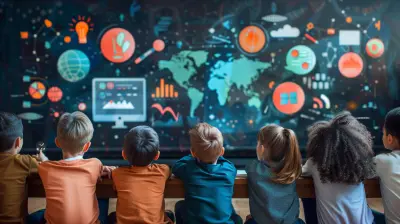
Using Virtual Labs to Make Science More Accessible
15 February 2026
Let’s be honest—science can be intimidating. Microscopes with a million knobs, chemicals that sound like wizard spells, and experiments that can go boom if done wrong (or worse, break your school budget). But what if I told you that now, anyone, anywhere, can dive headfirst into the fascinating world of science labs without ever touching a Bunsen burner or smelling formaldehyde? Yep, we're talking about virtual labs!
Thanks to the magic of technology, students from all walks of life can now conduct experiments, explore scientific concepts, and fall in love with science—from the comfort of their couch. So, buckle up! We’re about to geek out (in the coolest way possible) and see how virtual labs are changing the game, making science more accessible, engaging, and just plain awesome.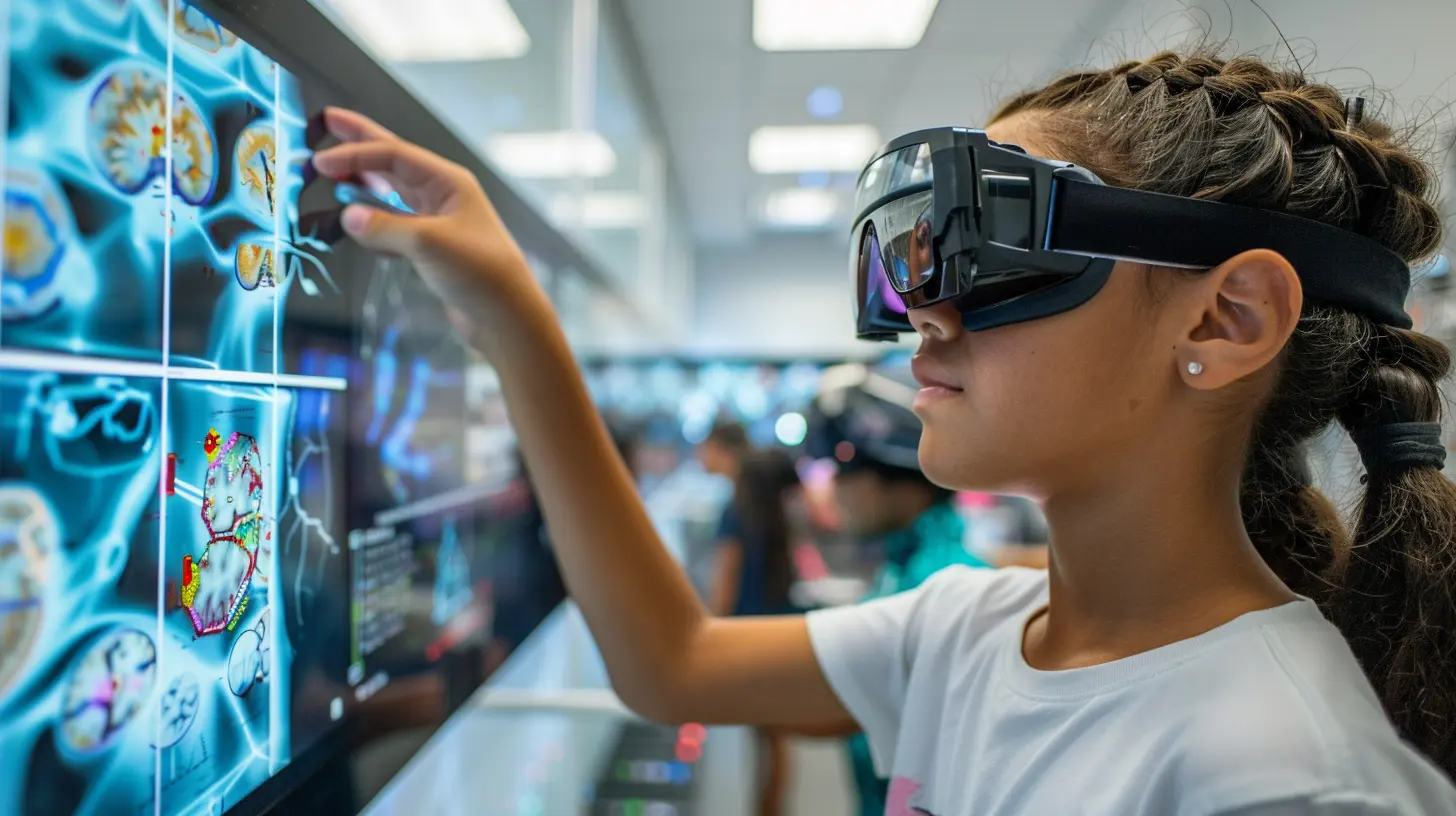
What Exactly Are Virtual Labs?
Imagine your favorite science lab, but instead of goggles and glassware, you have a laptop or tablet. Virtual labs are online simulations that let you perform scientific experiments in a digital space. They're interactive, safe, and incredibly realistic. You can mix chemicals, observe reactions, dissect organisms (without the mess!), and even run physics simulations – all with a few clicks.Basically, it’s like a video game, but instead of scoring points, you're soaking up knowledge. Pretty cool, right?
Why Traditional Labs Just Don’t Cut It for Everyone
Don’t get me wrong—traditional labs are great. Smelling that weird lab air and scribbling results on a whiteboard? Classic. But they come with their fair share of problems:- Expensive equipment: Not every school can afford high-tech gear.
- Limited access: Rural schools? Homeschoolers? Students with disabilities? Often left out.
- Safety risks: Ever had a fire drill in the middle of a chemistry experiment? Not fun.
- Time constraints: Labs are scheduled, but inspiration doesn't follow a timetable.
These barriers make it tough for a lot of students to really dive into hands-on science. And that’s where virtual labs swoop in like superheroes wearing digital capes.
How Virtual Labs Are Making Science More Inclusive
You know what's great about virtual labs? They don't care who you are or where you're from. They're accessible to anyone with internet. That alone opens doors for MILLIONS of learners.1. No Fancy Equipment Needed
Forget about needing access to expensive microscopes or rare chemicals. All you need is a device and Wi-Fi (even the school's old computers work fine). Virtual labs simulate everything. You can dissect a frog, test Newton’s laws, or conduct titration experiments—all using just clicks and drags.2. Anytime, Anywhere Learning
Whether you're a night owl or an early bird, science is always in session. Students can run experiments at their own pace, review steps, and redo activities as many times as needed. No pressure, no missed opportunities.3. Perfect for Students with Disabilities
Traditional labs often aren't designed with accessibility in mind. Virtual labs can be. Screen readers, keyboard navigation, subtitles, and adjustable interfaces make sure no one’s left behind. That’s real inclusivity right there.4. Safe Learning Environment
Let’s face it—some science experiments get... volatile. With virtual labs, there's no risk of chemical burns, broken glass, or explosions (unless they’re simulated—then they're safe and totally rad). It removes the fear of "messing up," encouraging curiosity and bold thinking.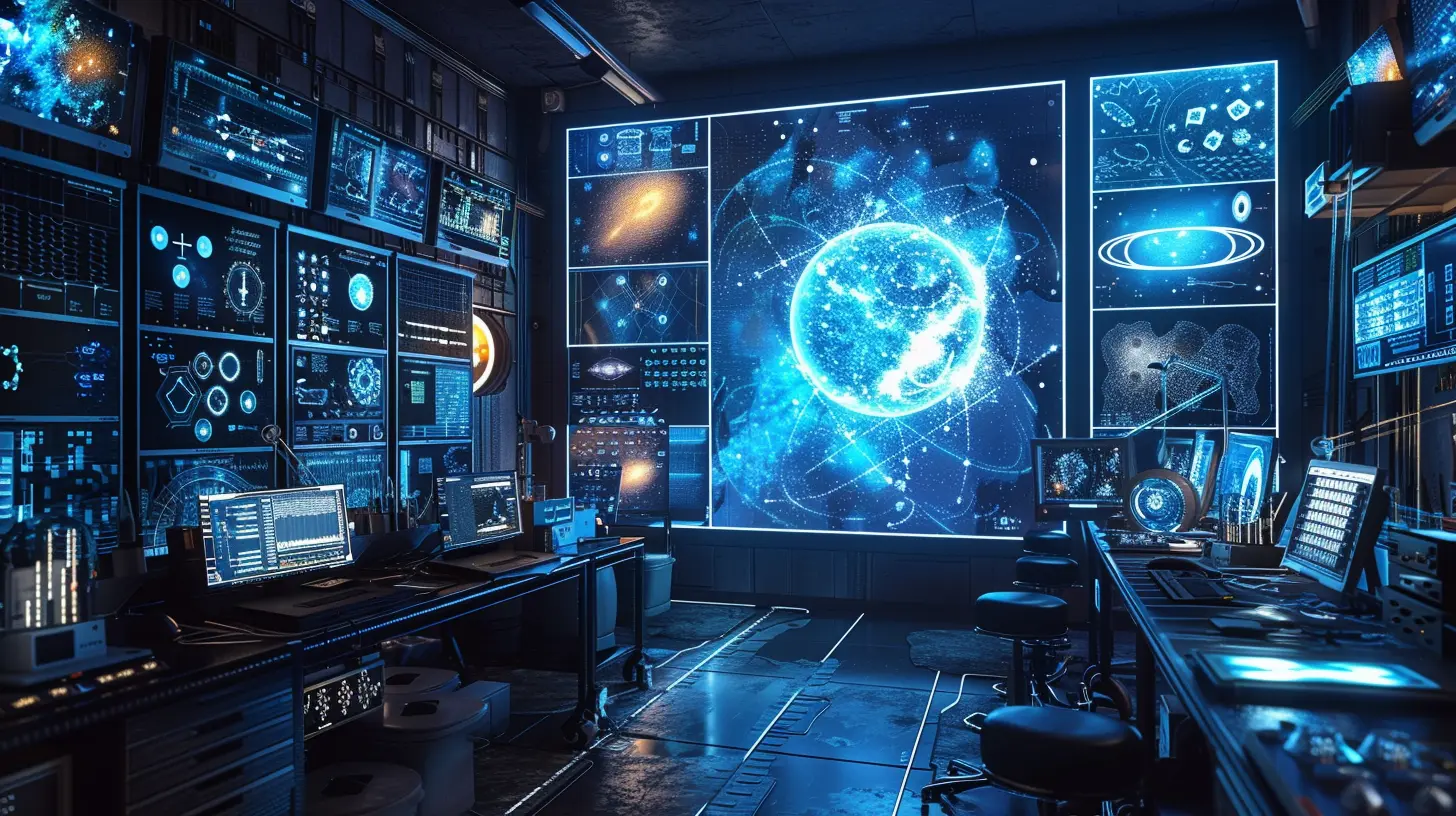
The Real Fun Begins: What You Can Do in a Virtual Lab
Still wondering what exactly you can do in a virtual lab? Here’s a peek into the digital science playground:🌡 Chemistry Simulations
Mix acids and bases, observe color changes, conduct flame tests—all without donning safety goggles. And guess what? No clean-up!🧬 Biology Labs
Dissect a virtual frog (no smell, promise), examine cell structures, or explore DNA replication in detail. It’s like National Geographic, but interactive.⚛ Physics Experiments
Test gravity, measure speed, understand energy transformations—without launching anything into the cafeteria.🌍 Environmental Science Activities
Explore ecosystems, simulate pollution impact, or study climate patterns. Great for budding environmentalists.🧠 Psychology and Human Anatomy
Run classic psychology experiments or zoom into the human nervous system. Who needs a cadaver when you’ve got 3D models?Bonus Perks: Virtual Labs Have Secret Superpowers
Okay, maybe not literal superpowers. But these perks are pretty close.1. Gamification = Motivation
Many virtual labs use game mechanics—badges, levels, points—to make learning feel less like a chore and more like a challenge. It’s like unlocking science achievements.2. Instant Feedback
Didn’t balance that equation correctly? No worries. Virtual labs offer instant corrections and explanations so students can learn from their mistakes right then and there.3. Data Collection Made Easy
Forget about scribbling data furiously on your worksheet. Virtual labs record everything. You can export graphs, analyze trends, and submit detailed lab reports in a jiffy.4. Collaboration Goes Global
Students from different parts of the world can log into the same virtual lab, share ideas, and collaborate in real-time. Science just went international, and passports are optional.A Teacher’s New Best Friend
Teachers, we see you. Planning labs, managing chaos, grading reports—it’s a lot.Virtual labs simplify your life. Here’s how:
- Prep time = zero: No more ordering supplies or setting up lab stations.
- Scalable learning: Have 30 students? 300? Everyone gets a lab.
- Track progress: Monitor who did what, view results, and grade faster.
- Customize curriculum: Pick the simulations that fit your lesson plan to a tee.
Plus, students can review experiments before or after class, reinforcing those tricky concepts that always pop up on tests.
Are There Any Downsides?
Look, no system is perfect—virtual labs included. Some students (especially tactile learners) might miss the real “feel” of physical labs. And yes, there’s the tech gap: not everyone has reliable internet or a personal device at home.So, what’s the solution? Mixed-mode learning. Combine the best of both worlds—use virtual labs for prep and review, and go hands-on when possible. Kind of like practicing on a simulator before flying a real plane—smart, right?
Popular Virtual Lab Platforms You Should Totally Check Out
There’s a whole world of virtual science labs out there. Here are a few fan favorites:- PhET Interactive Simulations – Great for physics and chemistry basics.
- Labster – Super detailed 3D experiences.
- PraxiLabs – Especially good for biology and chemistry.
- HHMI Biointeractive – Fantastic for advanced life sciences.
- Gizmos – User-friendly with a wide variety of topics.
Many offer free modules or school licenses. So poke around and find your perfect lab partner!
So, What’s the Future of Science Education?
Here’s the deal: science is evolving, and so is how we teach it. Virtual labs aren’t just a pandemic-era Band-Aid; they’re a long-term upgrade. As AI, VR, and AR step into the mix, things are only going to get cooler—and more immersive.Imagine walking inside a plant cell, shrinking down like Ant-Man to observe mitosis up close. Or visiting Mars to study geology firsthand—all virtually, of course. That’s not science fiction anymore, folks. That’s the classroom of tomorrow.
Final Thoughts: Let’s Make Science for Everyone
Science should be exciting, not exclusive. Virtual labs kick down the barriers that have kept too many students from falling in love with it. Whether you’re a student experimenting from home, a teacher juggling virtual and in-person classes, or a school administrator trying to stretch a tight budget—virtual labs are a powerful, practical, and playful solution.So, next time someone says science is "too hard" or "only for brainiacs," pull out your tablet, load up a virtual lab, and say, “Wanna bet?
all images in this post were generated using AI tools
Category:
Educational TechnologyAuthor:

Anita Harmon
Discussion
rate this article
2 comments
Penelope Wilson
Great article! Virtual labs truly open up a world of possibilities for everyone. Science is for all, and these tools make learning fun and accessible. Let’s keep exploring! 🌟🔬
February 26, 2026 at 5:21 AM
Anita Harmon
Thank you! I'm glad you enjoyed the article. I completely agree—virtual labs are transforming science education and making it more inclusive and engaging for everyone! 🌟🔬
Kenneth Cook
Virtual labs revolutionize science education by breaking down barriers and making hands-on experiments accessible to all. Empowering learners with interactive tools fosters curiosity, sparks innovation, and nurtures the next generation of scientists. Let's embrace this transformative journey!
February 16, 2026 at 5:58 AM
Anita Harmon
Absolutely! Virtual labs truly open doors for learners everywhere, making science more engaging and inclusive. It's exciting to see how they can inspire future innovators.