The Importance of Learning a Second Language in Today’s Global Economy
21 September 2026
Let’s face it – we’re living in a global village now. With just a few taps on our screens, we can connect with someone sipping coffee in Paris, designing apps in Tokyo, or running a business in Buenos Aires. The world is shrinking, but the opportunities are growing. And guess what acts as your golden ticket to ride this global wave? Knowing a second language.
Whether you're a student, a young professional, or someone just itching to spread your wings internationally, learning a second language isn’t just a cool party trick – it's a legit power move in today’s global economy. Let's break it down (without boring you to tears, promise).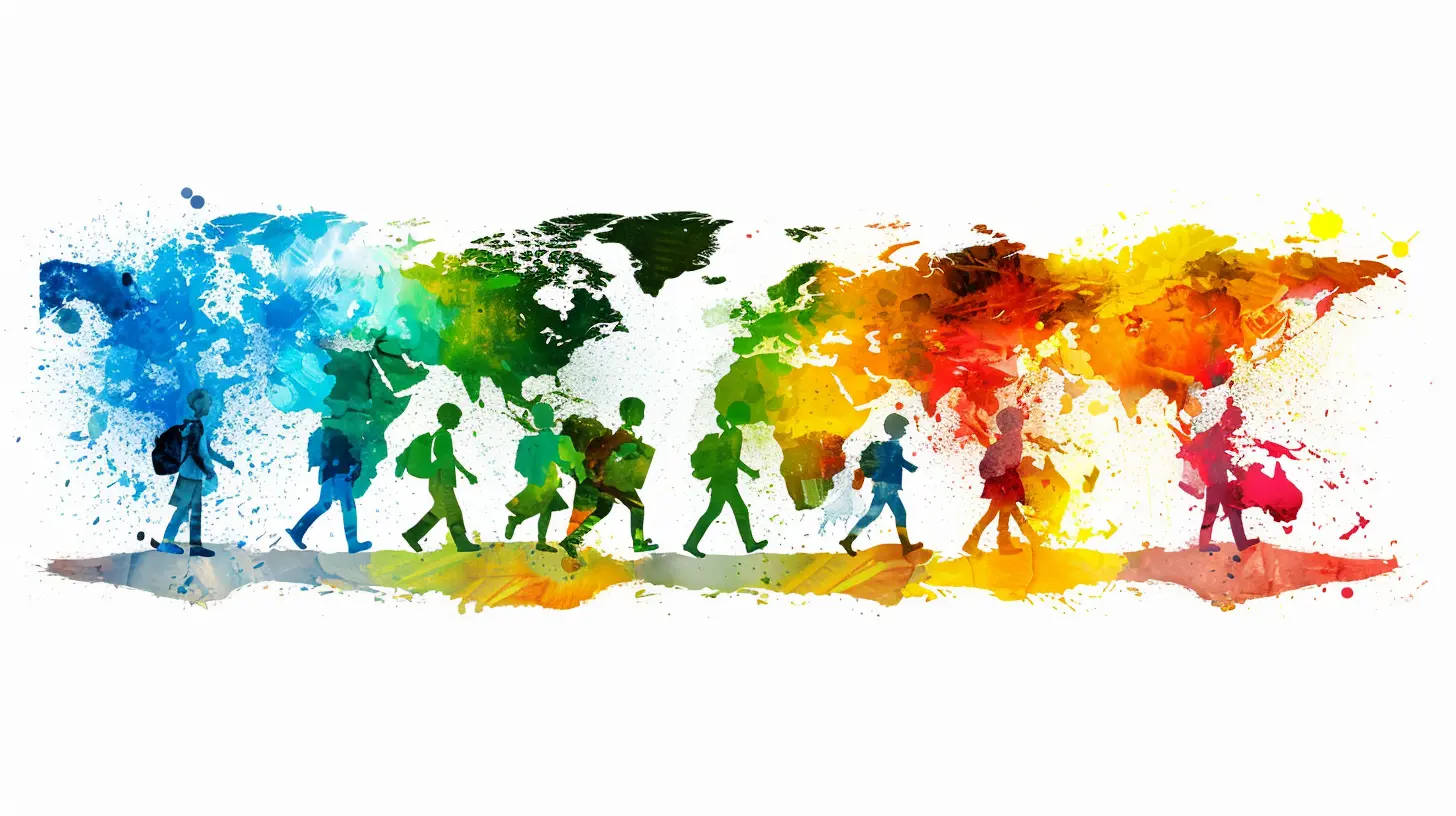
? The World is More Connected Than Ever
Thanks to technology and globalization, international boundaries have blurred. But while the internet and emojis might help you send a message, real communication still matters – and nothing beats speaking someone's native language.Think about it: Would you rather negotiate a business deal in English and hope the other party gets your email tone right, or do it in their mother tongue and knock their socks off with your effort and cultural understanding?
Being bilingual or even multilingual is like having a VIP backstage pass in the global economy. You’re not just surviving – you’re thriving.
? Boosting Career Prospects – Like, Big Time
Let’s talk jobs. Employers LOVE people who speak more than one language. Why? Because it shows flexibility, communication skills, and a global mindset. And in industries like marketing, finance, customer service, and tech, bilingual employees are pure gold.Imagine working for a U.S. company wanting to expand into Latin America. If you speak Spanish? Boom – you’re suddenly more valuable than folks who don’t. It’s not just about translation either. You understand the culture, the slang, the unspoken rules. That’s priceless.
Bonus Perks at Work
- ➕ Higher salary potential (yes, please!)- ➕ Better chances at promotions
- ➕ International travel or relocation opportunities
- ➕ Ability to connect with global clients and teammates
Multilingual employees often earn between 5% and 20% more than monolingual ones. That’s not just coffee money – that’s vacation-to-Europe money.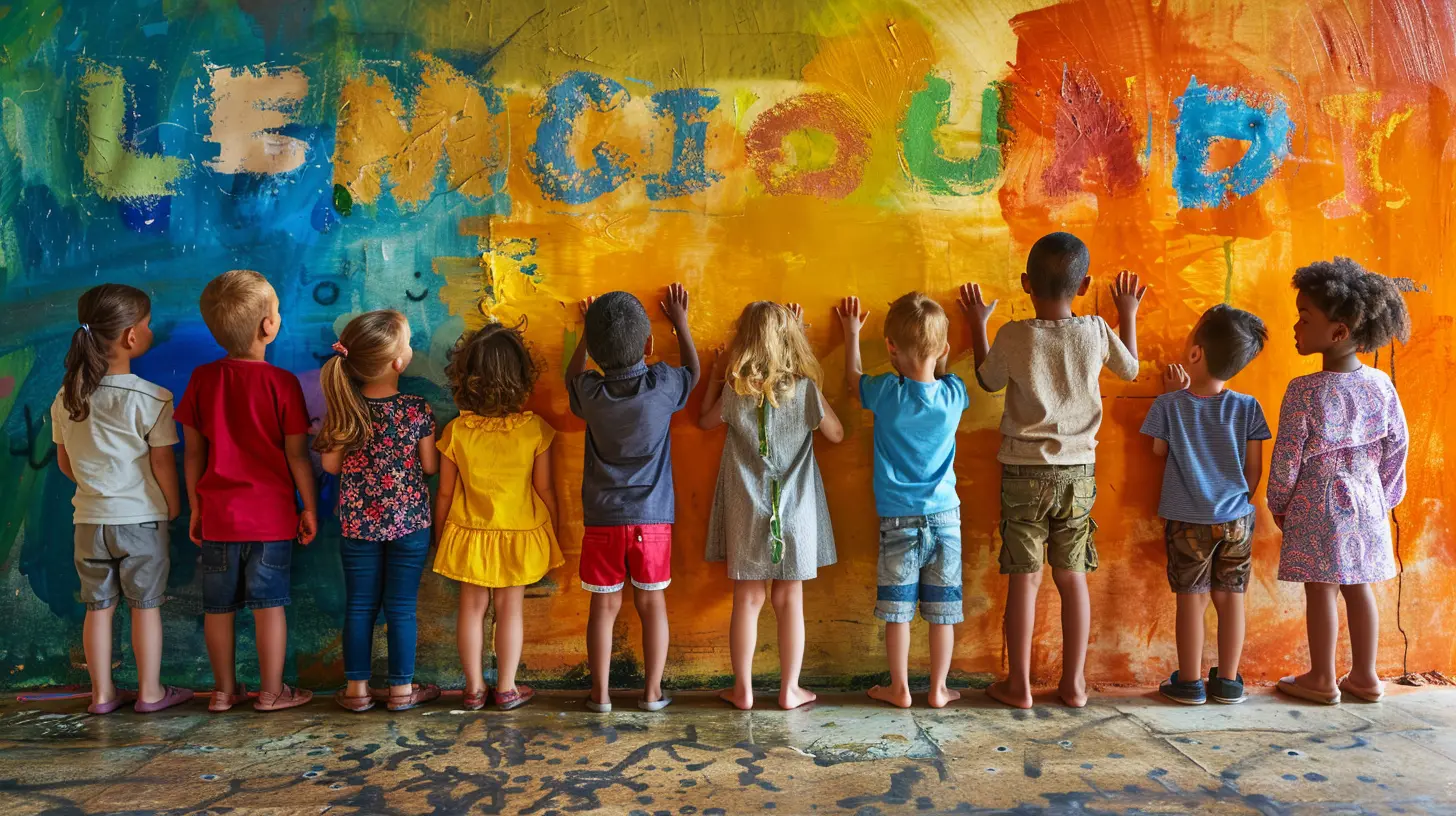
? Brain Gains – Flex Those Mental Muscles
Here’s something cool: learning a second language literally changes your brain. It's like giving your gray matter a personal trainer.Mental Benefits Include:
- Improved memory (where did you put your keys again?)- Enhanced multitasking skills (juggle those deadlines like a boss)
- Better problem-solving abilities (hello creative solutions)
- Sharper focus and concentration
Your brain becomes more agile, more efficient, and – dare we say – younger? Some studies suggest bilingualism delays the onset of dementia and Alzheimer’s. Learning Spanish today could be helping your future 80-year-old self remember where you parked the car.
? Travel Opens Up in Technicolor
Ever been to a foreign country and felt completely lost? You mime, you point, and somehow end up with something you didn’t order.Knowing the local language turns travel from stressful to magical.
You can:
- Chat with locals (and make real connections, not just pass through)
- Navigate the city with confidence
- Understand menus, signs, and fun street gossip
- Avoid tourist traps
Languages unlock experiences. They turn an average tourist trip into an unforgettable adventure. Think of it like switching from black-and-white TV to 4K Ultra HD.
? Building Stronger Global Relationships
In business and life, relationships are everything. And language is the bridge.When you speak someone’s language, even imperfectly, you show respect. You signal that you care about their world, their culture, and their points of view. That kind of effort builds trust faster than any LinkedIn connection ever could.
Fun Fact
English may be today's "lingua franca," but Mandarin Chinese has the most native speakers in the world. Spanish is next in line. So if you want to go global, English alone may not cut it for long.?? Education Gets a Serious Edge
If you’re a student, learning a second language can seriously level up your academic game.- Studying abroad? A second language makes it smoother and infinitely more fun.
- Researching global topics? You'll have access to more sources.
- Applying for international universities or scholarships? Being bilingual is a green flag.
Educators and universities love applicants who speak another language. It shows curiosity, dedication, and an eagerness to embrace the world.
? The Digital World is Multilingual
Ever binge-watched a foreign show with subtitles and thought, “This hits different”? That’s because language brings flavor.Social media, online content, international blogs – a large chunk is NOT in English. Knowing another language means:
- Access to more information
- Engaging with different cultures authentically
- Staying relevant in a global digital space
Imagine understanding K-pop lyrics without Google Translate. Or joining a French cooking class taught by a grandma in Provence via YouTube. That’s the power of a second language, friend.
? Cultural Appreciation Goes Deep
Learning a second language is like having x-ray glasses that help you see the culture in depth. It’s not just about vocabulary – it’s about the way people think, feel, and express themselves.You get the jokes. You catch the idioms. You understand the unspoken vibes.
Language is culture. Understanding one means appreciating the other. And that makes you a more empathetic, open-minded global citizen.
? Emerging Markets = New Opportunities
Here's a little tip: the big bucks and big opportunities? They’re often in rising economies, not just the traditional powerhouses.Countries like Brazil, India, Indonesia, Vietnam, and Nigeria are booming. But guess what? English isn’t always the default language in these places.
If you speak Hindi, Portuguese, Vietnamese, or even Yoruba, you’re ahead of the curve. You’re not waiting for opportunities to come to you – you’re already in the driver’s seat.
? It’s Fun, Seriously
Okay, real talk: learning a language isn’t just smart – it’s straight-up fun.Apps like Duolingo turn it into a game. Language exchanges introduce you to cool people worldwide. You get to laugh at your own mispronunciations and celebrate small wins (like successfully ordering tacos in Mexico City without a hiccup).
It’s a hobby, a skill, and a superpower all rolled into one.
So… What’s Stopping You?
Fear? Time? Thinking you’re too old? Nah, push all that aside.- There are free apps galore.
- Podcasts let you learn while you walk your dog.
- YouTube channels give you lessons for every level.
- Language exchange meetups are in most cities (and online!)
Start small. Pick a language that excites you. Commit to 10 minutes a day, even if it’s just practicing greetings.
It won’t be perfect, but it’ll be worth it.
Final Thoughts: Speak the Language, Speak the World
In today’s global economy, learning a second language isn’t just some optional side hustle – it’s your secret weapon. It’s what sets you apart in a sea of sameness. It’s what helps you connect, communicate, and conquer the world with confidence.So go ahead… start learning that second language. Your future self – and your brain, bank account, and passport – will totally thank you.
all images in this post were generated using AI tools
Category:
Second Language AcquisitionAuthor:

Anita Harmon