Teaching Kids Resilience in the Face of Bullying
21 August 2026
Bullying is a harsh reality for many children, and as parents, teachers, and caregivers, it's heartbreaking to witness. But while we can't always control what others do, we can equip our kids with the tools they need to stand strong. Resilience is like an emotional armor that helps children bounce back from difficulties, including bullying.
So, how do we teach kids to be resilient in the face of bullying? Let’s break it down step by step. 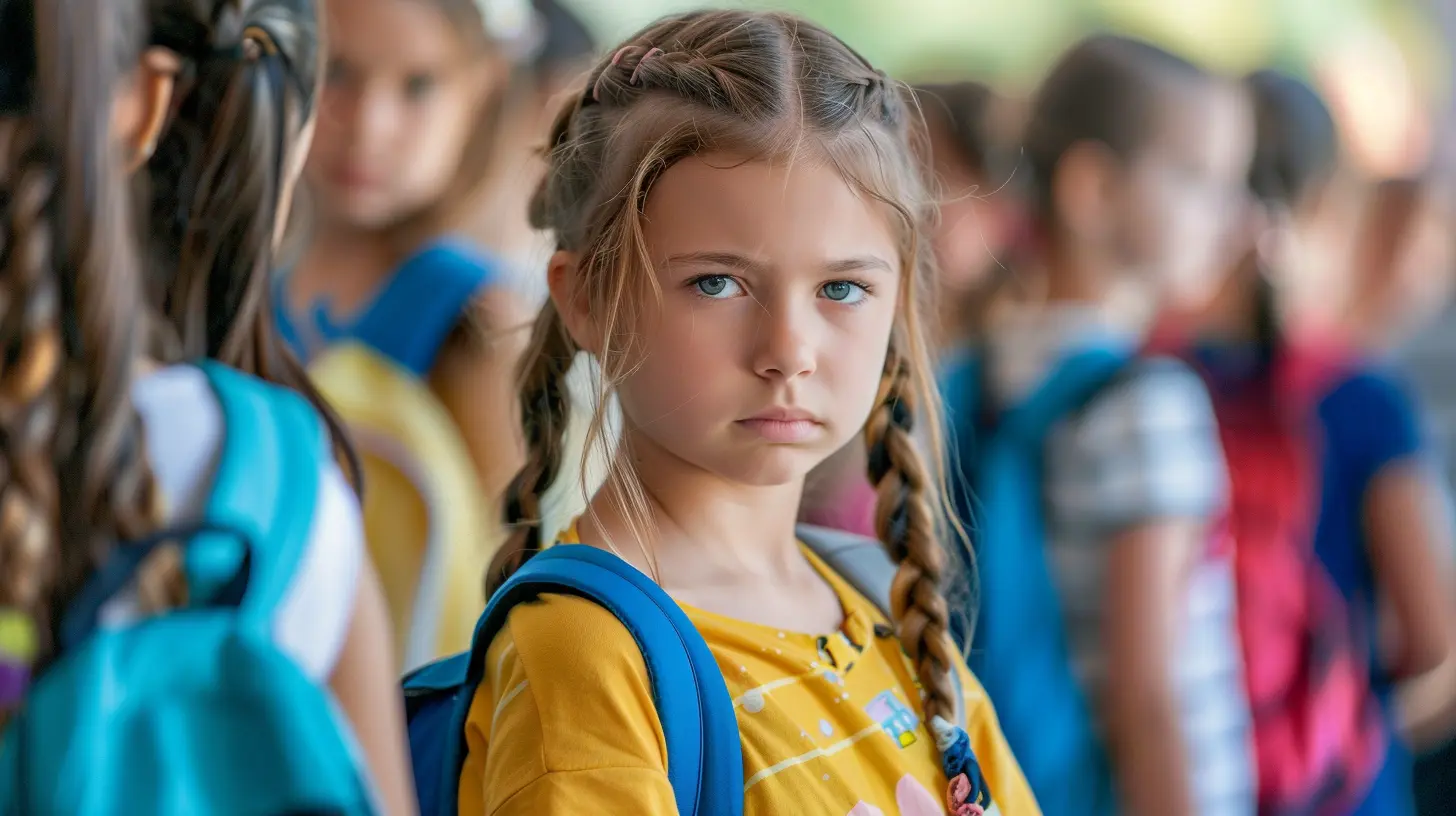
Understanding Bullying and Its Effects
Bullying isn’t just "kids being kids"—it’s a serious issue that can leave lasting emotional scars. It can take many forms:- Physical bullying – Hitting, pushing, or damaging belongings
- Verbal bullying – Name-calling, teasing, or making threats
- Social bullying – Spreading rumors or excluding someone from groups
- Cyberbullying – Online harassment, mean messages, or public shaming
The impact? Low self-esteem, anxiety, depression, and in severe cases, even suicidal thoughts. This is why teaching resilience is crucial—it strengthens a child's ability to manage these challenges without crumbling under the pressure. 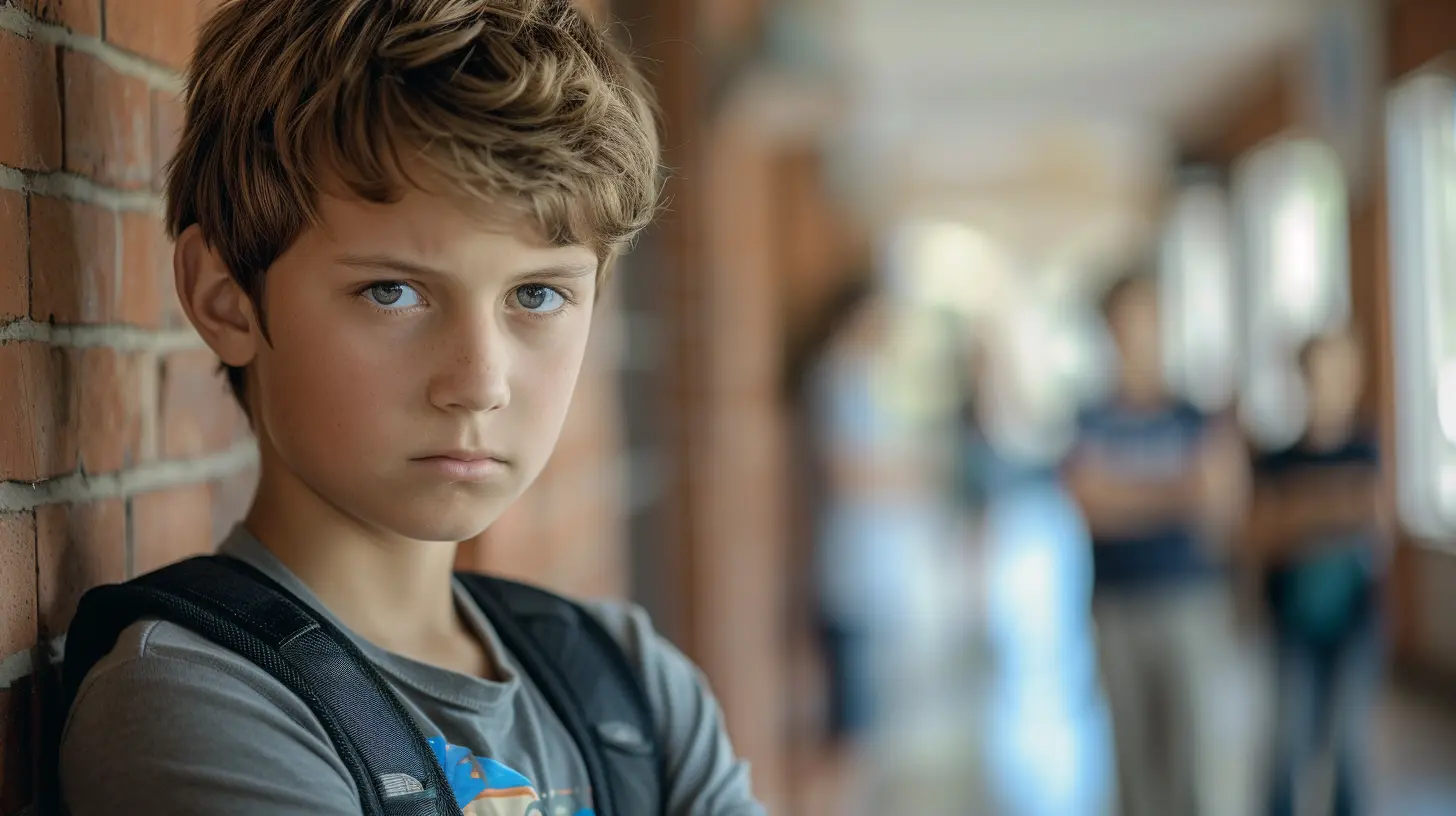
What Is Resilience, and Why Does It Matter?
Resilience is the ability to recover from setbacks, adapt to change, and keep moving forward despite difficulties. Think of it as a mental muscle—just like physical exercise strengthens the body, practicing resilience strengthens a child’s emotional and mental well-being.A resilient child is more likely to:
- Stand up for themselves
- Reframe negative experiences
- Maintain a healthy self-image
- Seek help when needed
- Avoid retaliation and aggression
If we can build resilience in our kids, we arm them with confidence and coping strategies to handle bullying effectively. But how do we do that? Let’s dive in. 
Teaching Kids Resilience: A Step-by-Step Approach
1. Strengthen Their Self-Esteem
Kids with a strong sense of self-worth are less likely to be deeply affected by bullying. Boosting self-esteem starts at home and in the classroom.Ways to Build Self-Esteem
- Praise effort, not just results – Instead of saying, "You're so smart," try, "I love how hard you worked on that project!"- Encourage hobbies and passions – When kids excel at something they love, their confidence soars.
- Teach self-affirmations – Simple phrases like "I am strong" or "I deserve respect" can work wonders.
- Model self-confidence – Kids absorb what they see. Show them how to handle setbacks with grace.
Strong self-esteem gives kids an internal "shield" against bullies, making negative words and actions less likely to sink in.
2. Foster Strong Social Connections
Bullies often prey on those who seem isolated. Having strong friendships and supportive adults can be a powerful defense.How to Strengthen Social Bonds
- Encourage extracurricular activities – Sports, clubs, and community groups help kids build friendships.- Teach empathy – When kids understand and care for others, they attract positive friendships.
- Plan playdates and group activities – Social practice boosts confidence in making and keeping friends.
- Be a supportive listener – Let kids know they always have a safe space to talk.
A supportive social network can lessen the emotional impact of bullying and provide kids with allies in tough situations.
3. Teach Emotional Regulation
Resilience isn't about ignoring emotions—it's about understanding and managing them. Kids need to know that feeling hurt, sad, or angry is okay, but they also need healthy ways to cope.Strategies for Emotional Resilience
- Deep breathing exercises – Teaching kids to take slow, deep breaths can help them stay calm in stressful moments.- Label emotions – Saying, "I feel angry" instead of acting out helps them process feelings.
- Encourage journaling – Writing about feelings can be a safe emotional outlet.
- Practice mindfulness – Simple techniques like focusing on the present moment can help kids manage stress.
When kids can regulate their emotions, they’re less likely to let a bully dictate their mood or self-worth.
4. Equip Them with Assertiveness Skills
Resilience isn’t about encouraging kids to fight back—it’s about teaching them to stand their ground in a calm and confident way.How to Teach Assertiveness
- Use "I" statements – Instead of reacting aggressively, kids can say, "I don’t like that" or "I deserve respect."- Practice body language – Standing tall, making eye contact, and speaking clearly can deter bullies.
- Role-play responses – Practicing different scenarios helps children feel prepared.
- Teach them when to walk away – Some situations aren't worth engaging in, and walking away is a form of strength.
When kids know how to assert themselves effectively, bullies are less likely to see them as easy targets.
5. Encourage Problem-Solving Skills
Teaching kids to think critically about situations empowers them to handle bullying wisely.Problem-Solving Techniques
- Ask, "What are my options?" – Encourage kids to think through possible responses.- List pros and cons – Help them evaluate different choices before acting.
- Teach conflict resolution – Show them how to de-escalate tense situations rather than fuel them.
- Encourage seeking help – Remind them that asking for help is a smart decision, not a weakness.
By developing problem-solving skills, kids gain independence and confidence in handling difficult situations.
6. Normalize Seeking Help
Some kids avoid speaking up because they fear being seen as "weak" or making things worse. But seeking help is actually a sign of strength.How to Encourage Kids to Speak Up
- Create a "safe talk" environment – Let kids know they can always share their worries without judgment.- Identify trusted adults – Ensure they know multiple people they can turn to (parents, teachers, counselors).
- Role-play asking for help – Practice ways to approach an adult about bullying.
- Reassure them it's not tattling – Make sure kids understand there’s a difference between getting someone in trouble and getting someone help.
When kids feel safe speaking up, they’re more likely to get the support they need to navigate bullying situations. 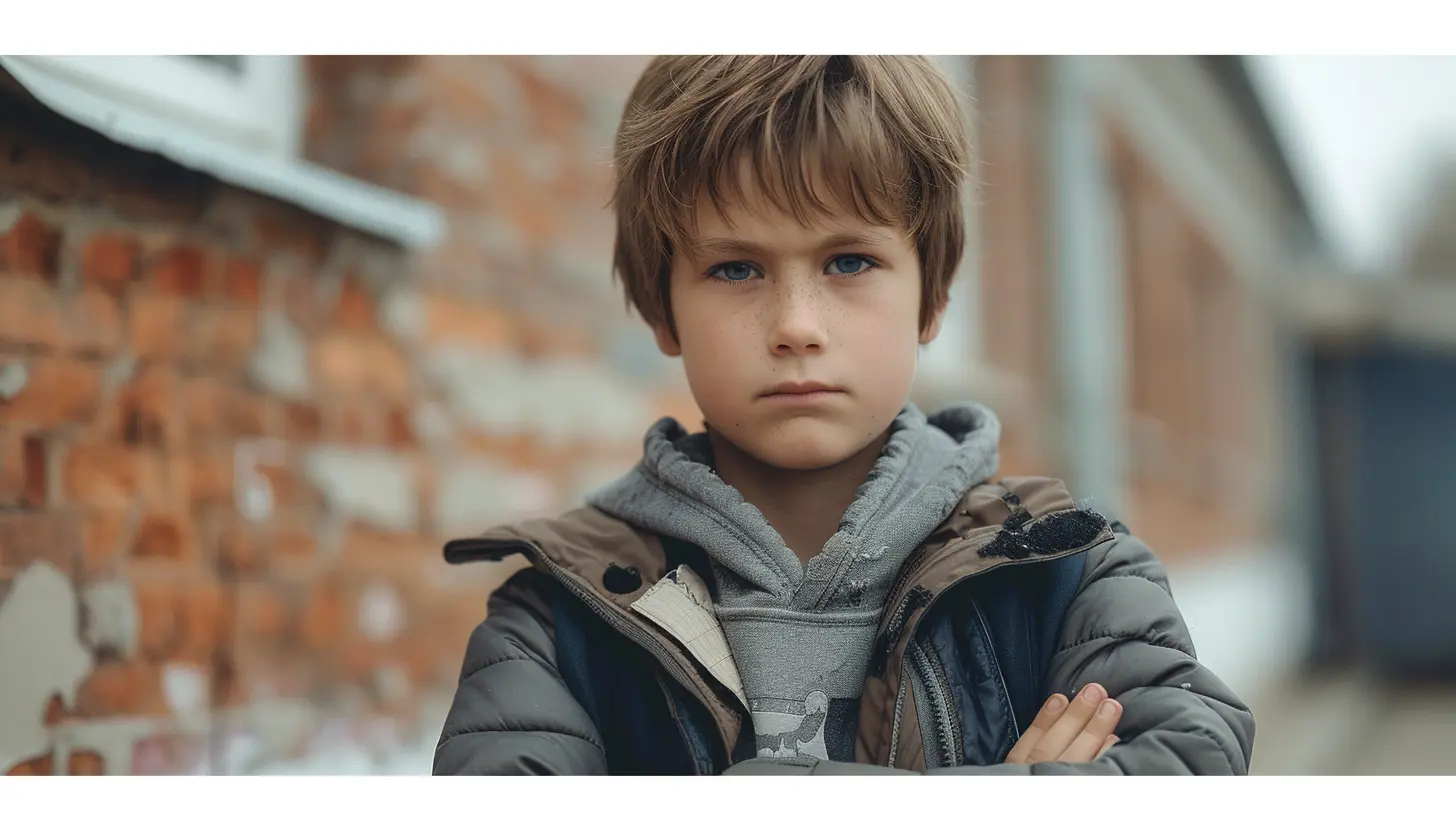
Final Thoughts: Planting the Seeds of Resilience
Resilience isn’t built overnight—it’s a set of skills that grow with time, practice, and support. Every time a child faces a challenge and overcomes it, they strengthen their ability to handle adversity.By boosting self-esteem, fostering friendships, teaching emotional regulation, practicing assertiveness, encouraging problem-solving, and normalizing seeking help, we give kids the tools to stand tall, no matter what comes their way.
Bullying may never fully disappear, but a resilient child? They’ll always find a way to rise above it.
all images in this post were generated using AI tools
Category:
Bullying PreventionAuthor:

Anita Harmon
Discussion
rate this article
2 comments
Faith Beck
Teaching kids resilience is crucial. It's empowering them to stand strong and learn to navigate challenges. These skills will benefit them far beyond their school years.
September 10, 2026 at 10:31 PM
Anita Harmon
Absolutely. Resilience equips kids to face not just bullying, but life's many challenges. It builds strength they carry into adulthood.
Selena Lynch
Building resilience in kids is essential for their growth. By teaching them to stand strong against bullying, we empower them to face challenges with confidence. Every small step they take in learning to cope can lead to big changes in their lives. Let's nurture their strength and support them on this journey.
September 6, 2026 at 7:54 AM