Open Educational Resources: Making Education Accessible to All
23 June 2026
Education has always been seen as the key to opportunity. But let’s face it, not everyone has equal access to quality learning. Whether it's due to financial struggles, geographic limitations, or lack of institutional support, people around the world face roadblocks when simply trying to learn.
Enter Open Educational Resources (OER). These are like the superheroes of the modern education world—free, flexible, and ready to break down barriers. So, let’s dive into how OER is completely reshaping how we think about education and who gets to access it.
What Are Open Educational Resources (OER)?
Let’s start with the basics. Open Educational Resources are any kind of educational materials that are freely accessible and openly licensed. That means they’re available for anyone to use, modify, and distribute—without paying a dime.These could be:
- Textbooks
- Lecture notes
- Quizzes and assignments
- Videos and audio content
- Full courses and modules
- Interactive simulations
The key is the part about “open licensing.” This usually means they’re covered under Creative Commons licenses, which allow others to reuse, adapt, and share the content based on certain permissions.
Think of OER like a public library, but for digital education. Free entry, no overdue fees, and the freedom to take what you need and remix it to make it better.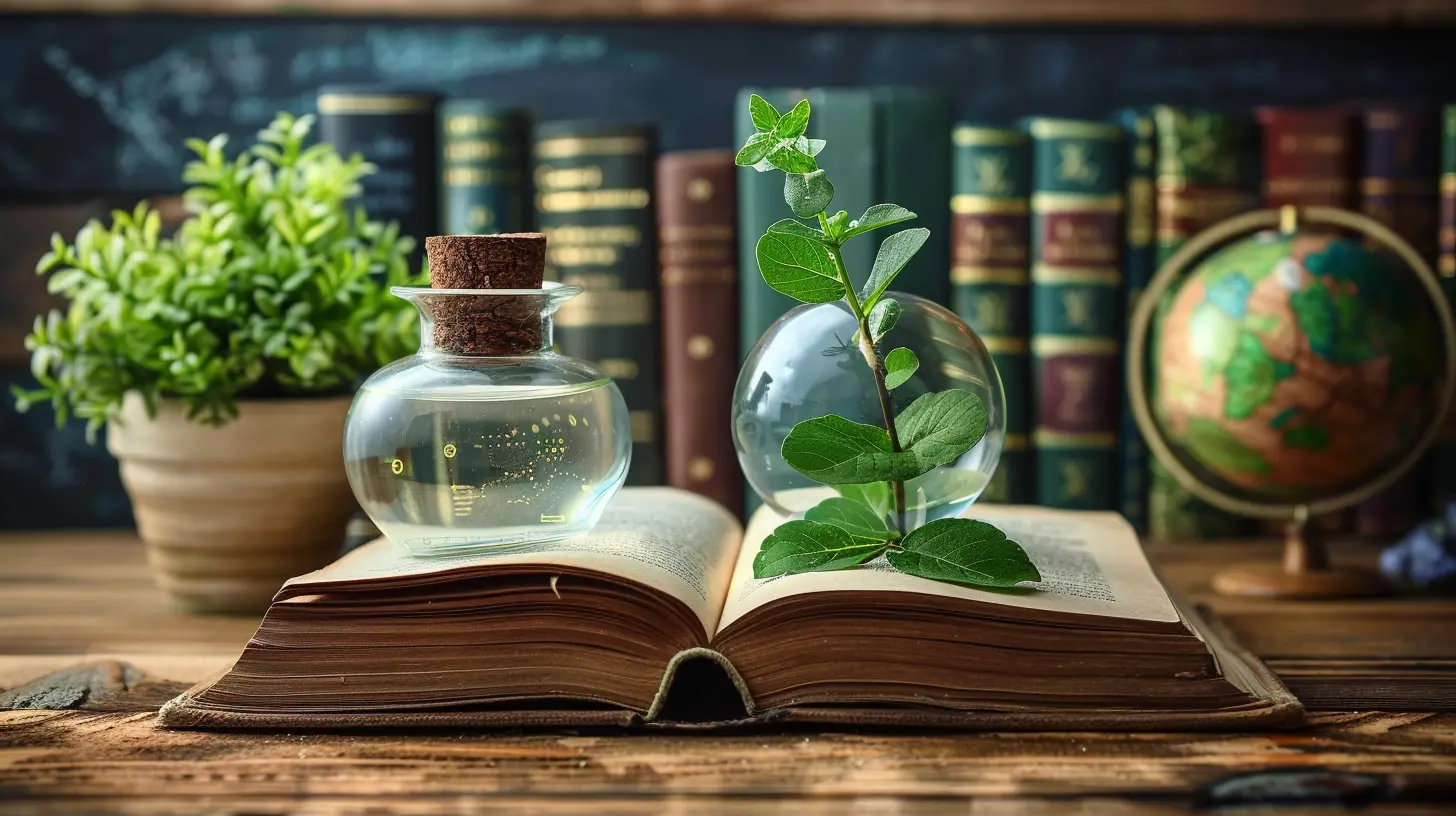
Why OER Matters More Than Ever
So, what’s the big deal? Traditional education is often expensive and not universally designed. Textbooks cost hundreds of dollars, internet access may be unreliable, and people can’t always attend in-person courses.Open Educational Resources level the playing field.
1. They’re Free (Obviously)
This one’s a no-brainer. Students don’t have to shell out hundreds of dollars each semester just for textbooks. That’s money that can go toward tuition, food, or just keeping the lights on.For anyone outside the traditional academic world, OER opens the door to continued learning—without the financial gatekeeping.
2. Flexibility is Built-In
OER can be customized. Say you’re a teacher in Kenya adapting a U.S.-based math course. You can tweak examples, adjust the language, and tailor it to your students. Try doing that with a copyrighted textbook.That flexibility creates more culturally relevant, inclusive learning.
3. Immediate Access, Anytime
You don’t have to wait for shipping. You don’t even need a school email address. All you need is an internet connection (and sometimes not even that, thanks to downloadable resources).It’s like having a 24/7 classroom in your pocket.
4. Collaboration and Innovation
Since OER is open-source in spirit, educators can collaborate globally. They don’t need to reinvent the wheel. They build on existing ideas, improve them, and share forward. It’s education operating like open-source software.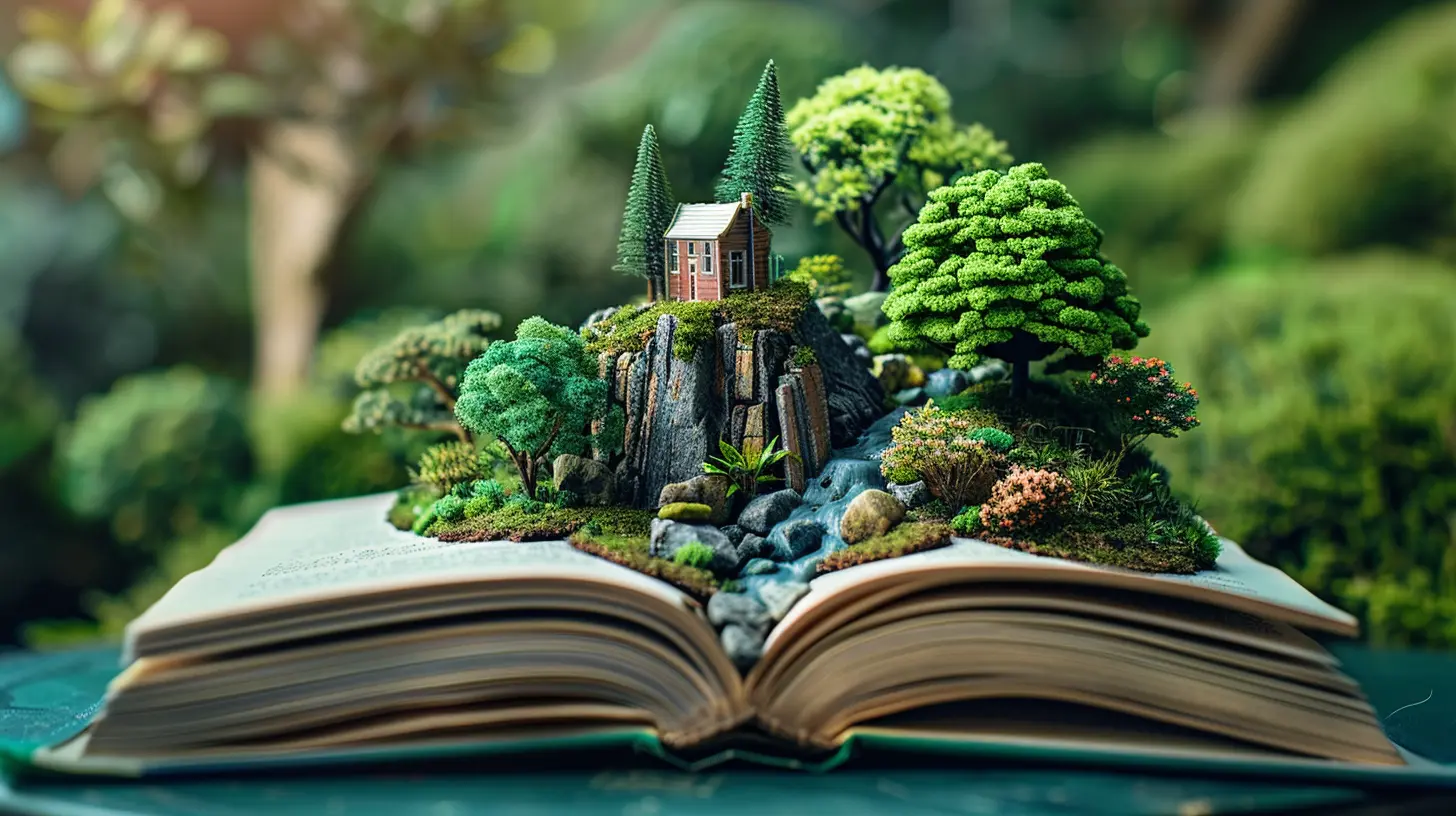
The Global Impact of OER
OER isn’t just a trend in fancy universities. It’s a movement with worldwide reach, and it’s already changing lives.Empowering Developing Countries
In many low-income countries, schools can’t afford the latest textbooks. Students sometimes share one book among ten classmates. OER eliminates that problem. Schools can print materials locally or access them online.Take Africa for example—initiatives like OER Africa are helping universities and schools build their own educational content that fits their local context.
Helping During Crisis
Remember the COVID-19 pandemic when schools shut down? OER became a lifeline. Teachers worldwide scrambled for digital content. Those with access to OER kept learning going, even in the toughest times.In humanitarian crises or refugee settings, where formal education might be disrupted, OER steps in to provide continuity.
Challenges of OER (Yep, It’s Not All Sunshine)
Let’s be real. Nothing’s perfect. OER faces a few hurdles that need attention.1. Quality Control
Because anyone can create OER, not all resources are created equal. Some may be outdated or contain errors. Educators need to vet materials before using them, which can be time-consuming.2. Digital Divide
OER is online and digital by nature. But what about areas with poor internet access or limited devices? This digital divide can prevent the very learners who need OER the most from accessing it.3. Awareness Gap
Many educators and institutions still don’t know about OER. Or worse, they’re skeptical. Changing mindsets and spreading awareness takes time—and effort.4. Licensing Confusion
Creative Commons licenses can be tricky. What's the difference between CC BY and CC BY-NC-SA? It’s like reading legalese. Educators and students need clear guidance to use licenses correctly.How Educators Can Embrace OER
Okay, so you’re convinced. OER is amazing. But how do you start using it?Step 1: Know Where to Look
Here are a few treasure troves of OER:- OER Commons
- OpenStax
- MERLOT
- MIT OpenCourseWare
- Khan Academy
These platforms cover everything from K-12 to higher ed—and beyond.
Step 2: Begin Small
Don’t try to convert your entire course in one go. Start by replacing one textbook or lesson with an open alternative. Test it out. See how students respond.Step 3: Customize and Remix
This is where the magic happens. Take existing content and tweak it. Add local examples. Translate it. Create new assignments. Make it your own.Step 4: Share It Forward
Once you build or adapt a resource, share it back with the community. Host it on OER platforms. Tag it properly. Expand the pool of knowledge.OER and the Future of Education
OER isn’t just a tool. It’s a philosophy. It's about inclusivity, collaboration, and breaking down walls. And with technology evolving fast—think AI tutors, immersive VR lessons—the potential of OER only grows.Imagine a world where a girl in rural Nepal learns coding from the same curriculum used in Silicon Valley. Or a retiree in Brazil studies global history for fun. Or a refugee child keeps up with math lessons despite having no fixed classroom.
That’s the future OER is building—one click at a time.
Final Thoughts
Access to knowledge shouldn’t be determined by where you live or how much money you have. Open Educational Resources are making that dream real. Sure, challenges exist, but the benefits are too powerful to ignore.If you’re an educator, learner, policymaker—or just someone passionate about equality—start exploring, using, and sharing OER. Because when education is open, possibilities are endless.
all images in this post were generated using AI tools
Category:
Open Educational ResourcesAuthor:

Anita Harmon
Discussion
rate this article
1 comments
Remington McCord
This article sparks my curiosity about the real impact of open educational resources on diverse learning communities. How do these resources adapt to different needs? I wonder what challenges educators face in implementing them effectively while reaching every learner.
June 28, 2026 at 12:09 PM
Anita Harmon
I'm glad to hear it sparked your curiosity! Open educational resources can be tailored to various needs through customization and community involvement. Challenges include ensuring quality and accessibility, as well as training educators to effectively integrate these resources.