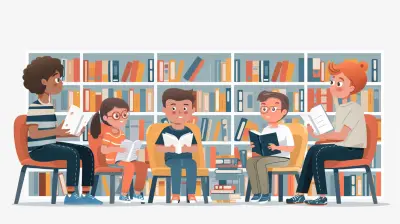
Making Education More Accessible for Students with Disabilities
9 June 2026
Education is a fundamental right, yet for many students with disabilities, it remains an uphill battle. From physical barriers to outdated teaching methods, challenges abound. But here's the thing—education should be accessible to everyone, regardless of their abilities.
So, how can we bridge the gap and ensure that students with disabilities receive the education they deserve? Let’s talk about it!
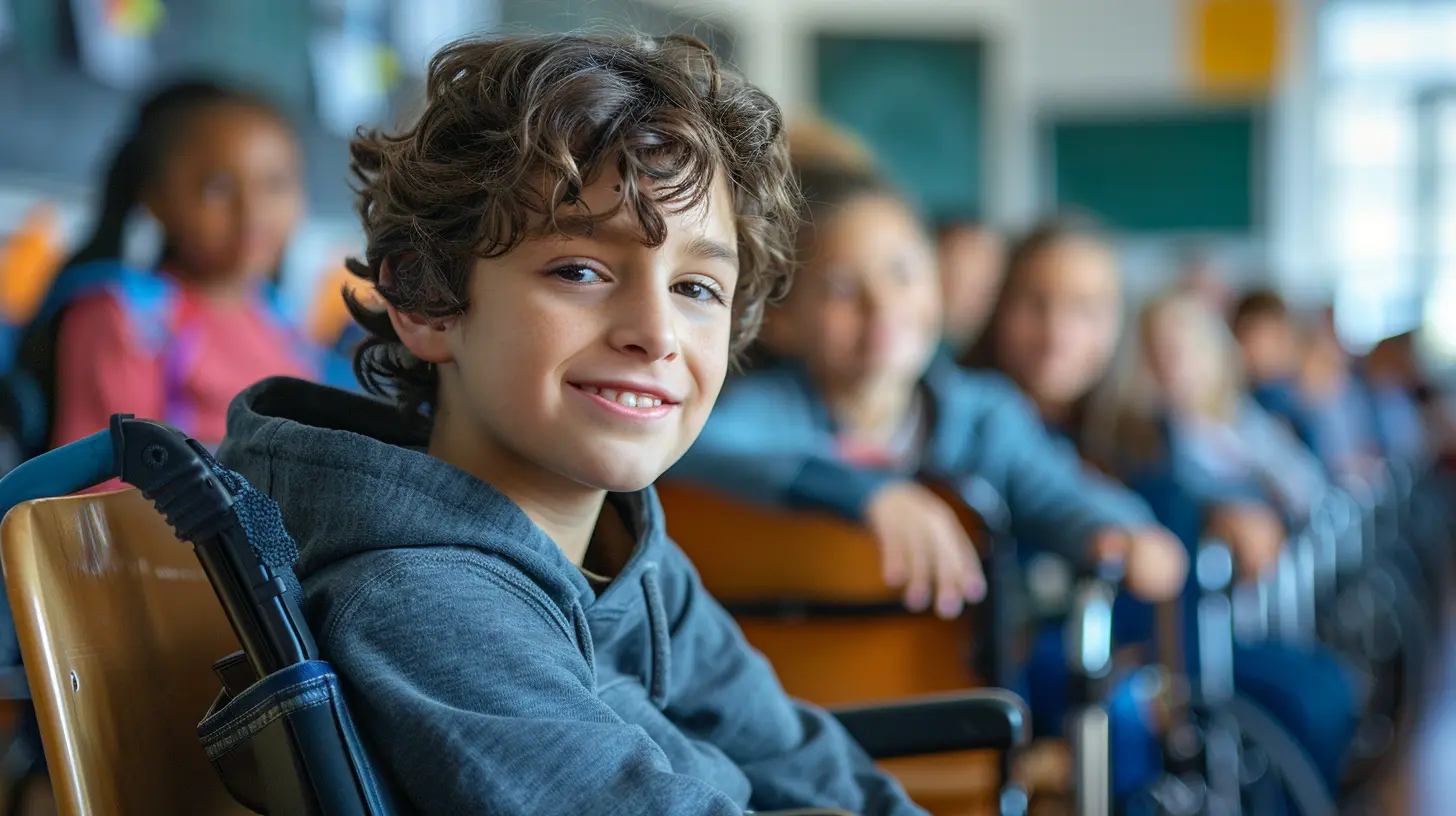
Understanding the Barriers to Education
Before we dive into solutions, let’s first acknowledge the roadblocks that students with disabilities face.1. Physical Barriers
Many schools, colleges, and universities still lack the necessary infrastructure. Inaccessible buildings, missing ramps, and poorly designed classrooms make it difficult for students with mobility challenges to navigate their learning spaces.2. Technological Challenges
While technology has opened doors for many, outdated or incompatible systems can still be a major hurdle. A visually impaired student, for example, might struggle with course materials that are not available in audio or Braille formats.3. Lack of Special Education Resources
Many educational institutions lack trained professionals who understand the needs of students with disabilities. Whether it’s a shortage of sign language interpreters or a lack of personalized learning plans, the system often falls short.4. Social Stigma and Isolation
Students with disabilities often face discrimination or isolation, which can impact their confidence and willingness to participate in class. Bullying and misunderstandings about disabilities only make matters worse.Now that we understand the problem, let’s talk solutions!
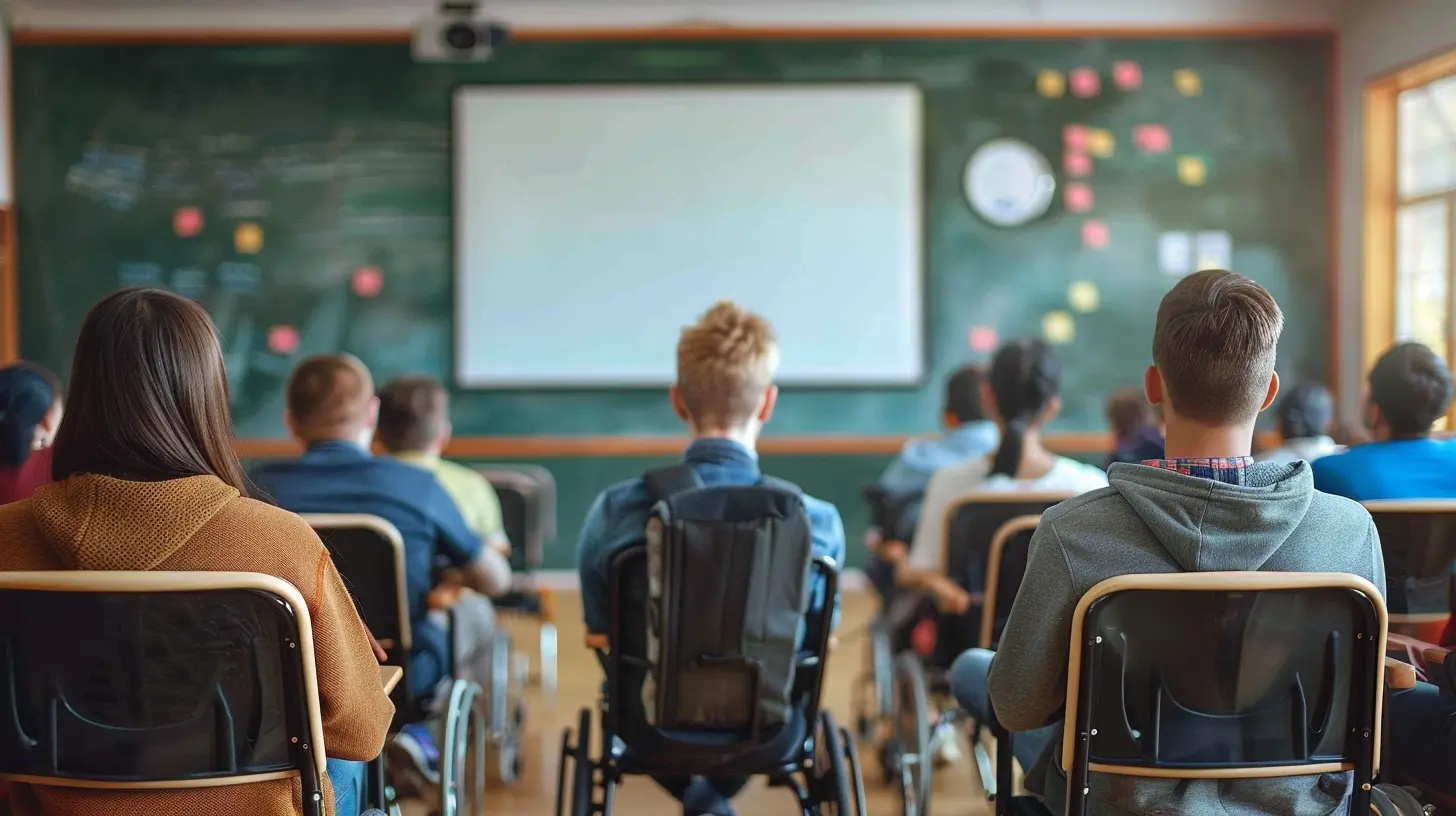
Steps to Make Education More Accessible
Ensuring accessibility isn't just a nice idea; it's a necessity. Here’s how we can make a difference:1. Implement Universal Design for Learning (UDL)
Ever heard the phrase, "One size does not fit all?" That couldn’t be truer for education. Universal Design for Learning (UDL) focuses on flexible teaching methods that cater to different learning styles.- Use multiple formats (videos, audio, text, hands-on activities) to present information.
- Allow students to express what they’ve learned in different ways (oral presentations, written reports, art).
- Encourage different levels of engagement to accommodate various abilities.
With UDL, learning becomes more interactive and inclusive for everyone.
2. Improve Physical Accessibility
Educational institutions must ensure that their buildings and classrooms are fully accessible. That includes:- Installing ramps and elevators.
- Providing accessible restrooms.
- Ensuring desks and seating arrangements accommodate wheelchairs.
- Making sure all areas of the school are accessible to everyone.
Simple modifications can make a world of difference!
3. Leverage Assistive Technology
Technology is a game-changer for students with disabilities. Some tools that can help include:- Screen readers for visually impaired students.
- Speech-to-text software for students with mobility or writing difficulties.
- Closed captioning for students with hearing impairments.
- Smart pens and voice recorders for students with learning disabilities.
By integrating assistive tech, learning becomes more seamless and engaging.
4. Educate Teachers and Staff
Accessibility isn’t just about tools and infrastructure—it’s also about mindset. Teachers and staff should be trained to:- Understand different disabilities and how they affect learning.
- Use inclusive teaching techniques.
- Foster a supportive classroom environment.
- Be patient and adaptable when working with different learning needs.
A well-trained teacher can turn a struggling student into a thriving one!
5. Promote an Inclusive Classroom Culture
Students with disabilities should feel valued and included in classroom activities. Schools can:- Encourage peer support programs.
- Organize disability awareness campaigns.
- Ensure extracurricular activities are accessible to all students.
When students feel they belong, their confidence and academic performance improve.
6. Offer Individualized Education Plans (IEPs)
Not all students learn at the same pace, and that’s okay! Individualized Education Plans (IEPs) help by:- Setting tailored learning goals.
- Providing personalized support.
- Tracking progress based on individual needs rather than a one-size-fits-all approach.
IEPs allow students to succeed on their own terms.
7. Ensure Accessible Learning Materials
Educational content should be available in various formats, including:- Braille and large print for visually impaired students.
- Audiobooks and e-books for students with reading challenges.
- Sign language interpreters and captioned videos for hearing-impaired students.
When learning materials are accessible, no student is left behind.
8. Encourage Government and Policy Support
Educational institutions alone cannot bear the burden of accessibility. Governments must:- Enforce disability-friendly policies.
- Provide funding for assistive technologies.
- Support research on inclusive education.
A strong legal framework can drive meaningful changes at all levels of education.
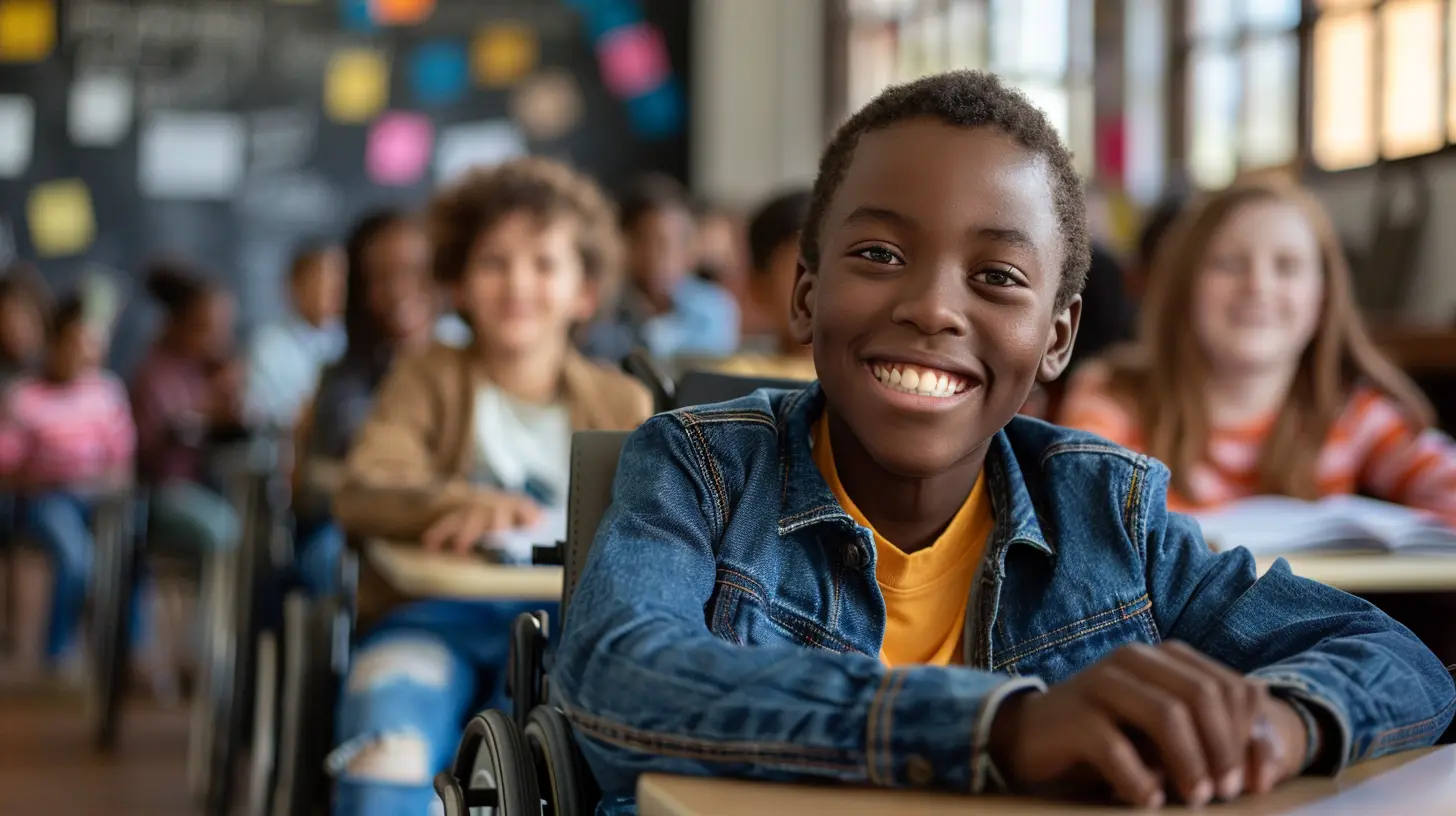
The Role of Parents and Communities
Accessibility isn’t just a school issue—it’s a community effort. Parents play a crucial role in advocating for their children’s needs. Communities can help by:- Supporting mentorship programs for students with disabilities.
- Hosting inclusive events where students of all abilities can participate.
- Raising awareness about the importance of accessibility in education.
When the whole community pitches in, education becomes a shared responsibility.
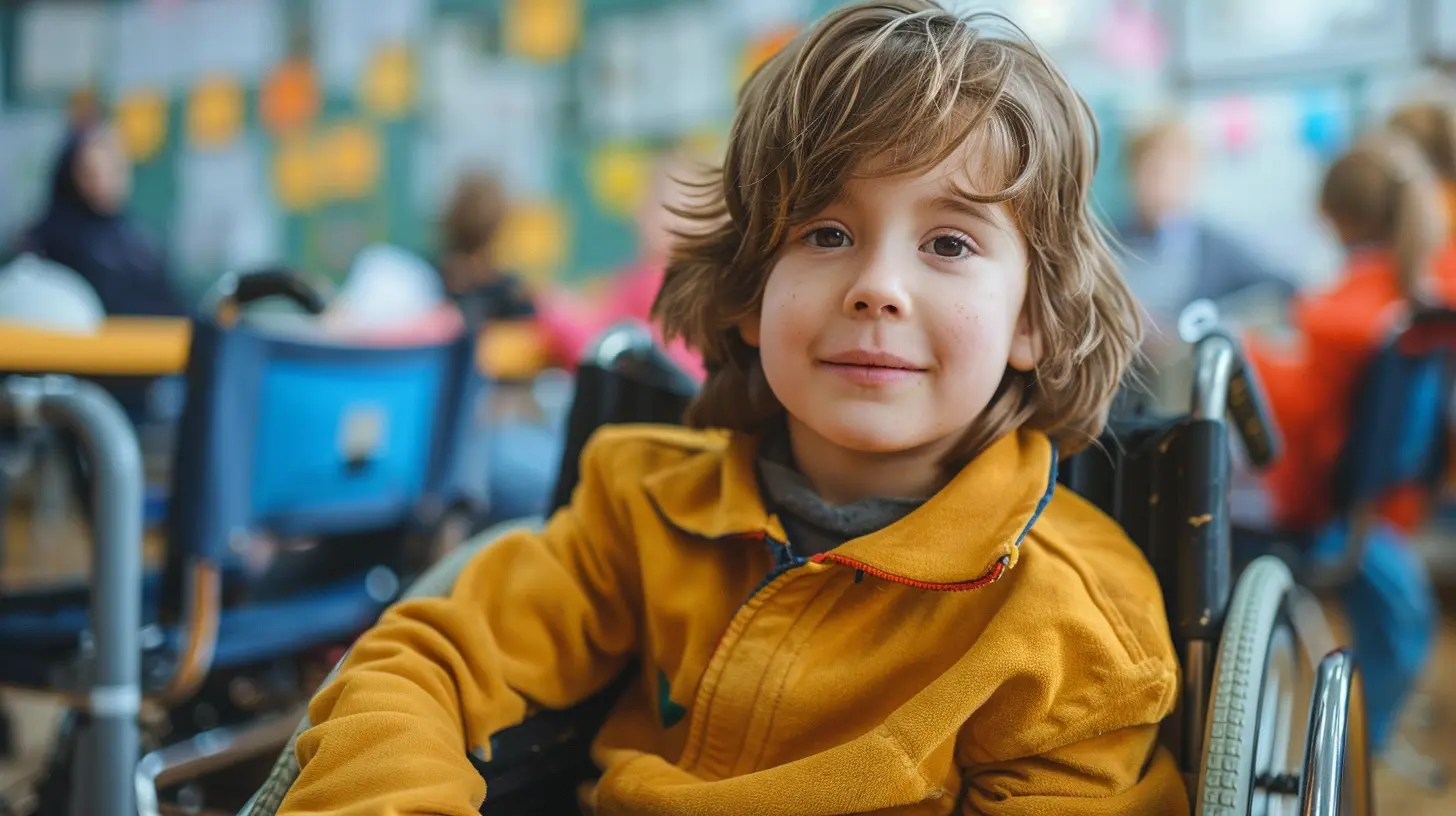
Looking Ahead: A Brighter Future for All
Change won’t happen overnight, but every step we take makes a difference. Imagine an education system where no child is left behind—where every student, regardless of disability, has the tools they need to succeed.The question isn't "Can we do it?"—it's "How fast can we make it happen?"
By prioritizing accessibility, fostering inclusion, and advocating for better policies, we can create an education system that truly works for everyone. Because at the end of the day, education isn’t just about learning—it’s about empowerment, opportunity, and breaking down barriers.
Let’s make it happen!
all images in this post were generated using AI tools
Category:
Education ReformAuthor:

Anita Harmon
Discussion
rate this article
1 comments
Corinne McLean
Great insights on improving accessibility in education for all students!
June 21, 2026 at 3:19 AM
Anita Harmon
Thank you! I'm glad you found the insights helpful. Accessibility is key to inclusive education.