How to Teach Conflict Resolution Skills to Prevent Bullying
11 October 2026
Bullying is a serious issue that affects children and teenagers worldwide. While schools implement anti-bullying policies, the real change begins with teaching kids how to resolve conflicts peacefully. If children develop strong conflict resolution skills, they can handle disputes in a way that prevents misunderstandings from escalating into bullying.
But how do we teach these skills effectively? In this article, we’ll dive deep into practical techniques to equip kids with the ability to manage conflicts, communicate better, and foster more positive relationships.
Why Conflict Resolution Matters in Preventing Bullying
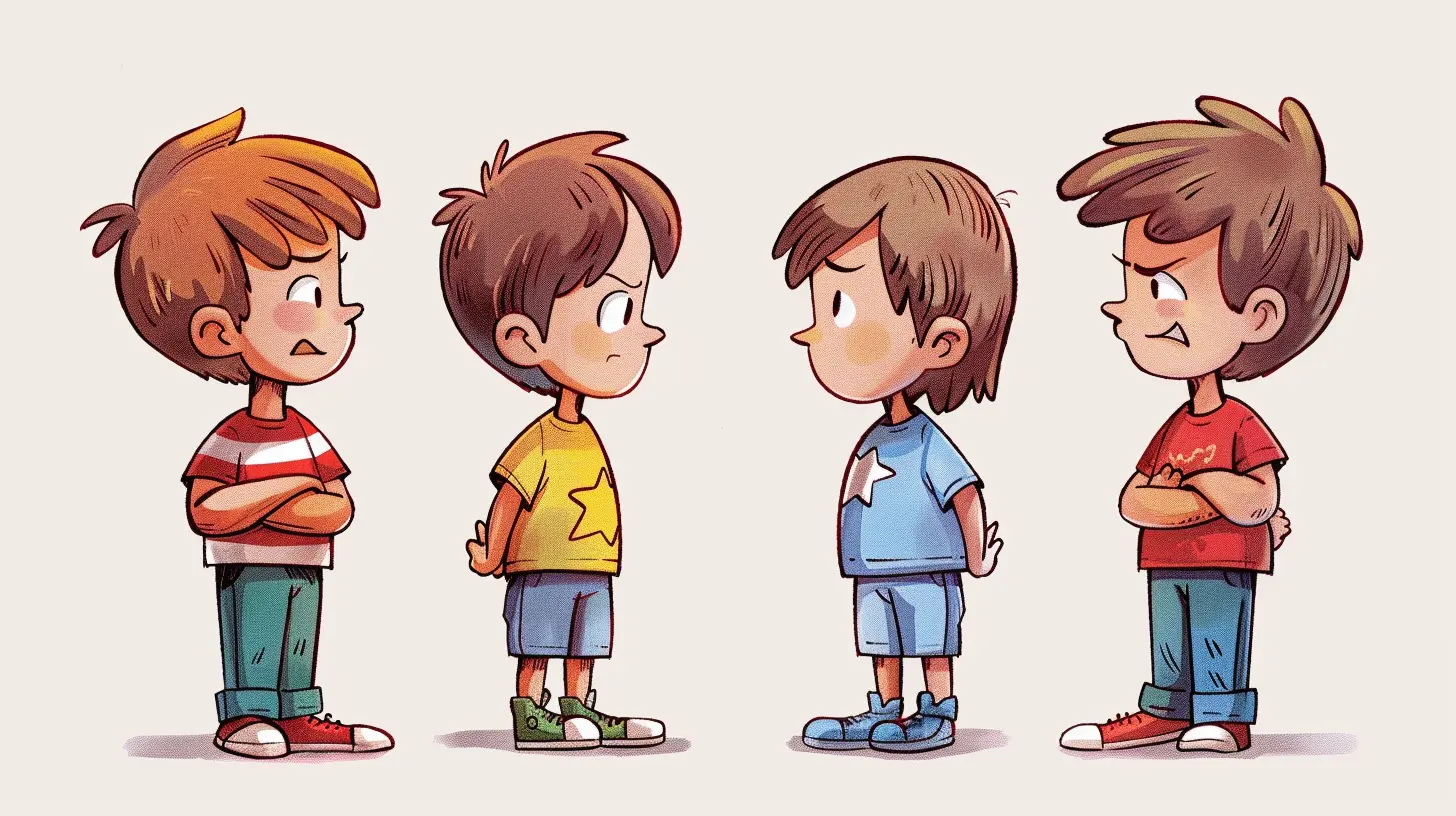
Conflict is a natural part of life. Kids will argue, disagree, and sometimes get frustrated with each other. However, not all conflicts lead to bullying. The difference lies in how they are handled.When children lack conflict resolution skills, small disagreements can turn into repeated patterns of aggression, exclusion, and intimidation—classic signs of bullying. Teaching kids how to manage conflicts helps them:
- Express their feelings without resorting to aggression
- Develop empathy by understanding others' perspectives
- Build healthy relationships based on respect
- Reduce stress and anxiety caused by unresolved conflicts
By focusing on conflict resolution, we empower students with the tools to navigate challenges without resorting to hurtful behaviors.
Key Conflict Resolution Skills Every Child Should Learn
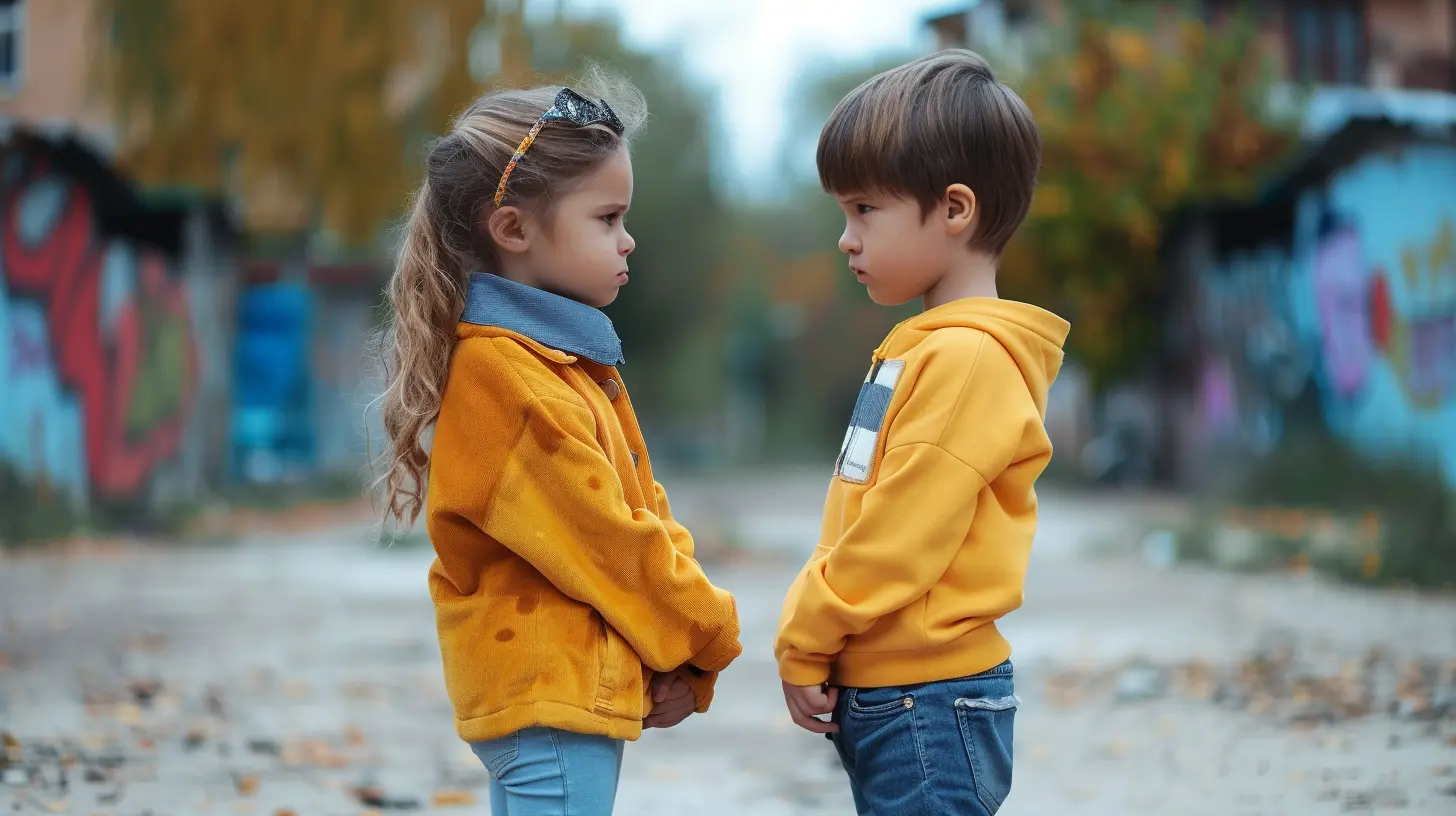
To prevent bullying, children need to master a few essential skills. These aren’t just for the classroom—they’re life skills that will benefit them well into adulthood.1. Active Listening
Many conflicts arise because people don’t feel heard. Teaching kids how to actively listen can prevent misunderstandings before they start.Encourage kids to:
- Listen without interrupting
- Maintain eye contact and use positive body language
- Repeat what they heard to confirm understanding (e.g., “So, you're upset because I borrowed your book without asking?”)
- Ask clarifying questions instead of making assumptions
When kids listen attentively, they acknowledge the other person's perspective, which makes finding solutions easier.
2. Expressing Feelings in a Healthy Way
Children often struggle to articulate their emotions, leading to frustration and, eventually, aggressive behavior. Teach kids to use "I" statements when expressing how they feel.For example:
- Instead of: "You never let me play!"
- Teach them to say: "I feel left out when I don’t get a turn."
This approach reduces blame and encourages open communication without escalating tensions.
3. Understanding Different Perspectives
Empathy is a powerful tool in conflict resolution. When kids learn to put themselves in someone else’s shoes, they develop a deeper understanding of how their actions affect others.One great way to teach this is by role-playing different scenarios. Ask kids to act out a disagreement, then switch roles and discuss how it felt from the other person's perspective. This simple exercise helps them grasp that every situation has more than just one viewpoint.
4. Problem-Solving Together
Rather than focusing on “who’s right” or “who’s wrong,” children should be encouraged to find solutions that work for both parties. Teach them problem-solving steps like:1. Identifying the issue clearly
2. Discussing possible solutions
3. Agreeing on a solution that respects both sides
4. Following through with the decision
By working together, kids learn that compromise and cooperation lead to better outcomes than fighting or avoiding conflicts.
5. Managing Anger Effectively
Anger is a natural emotion, but how we handle it makes all the difference. Kids must understand that it’s okay to feel angry, but acting aggressively isn’t the answer.Encourage them to:
- Take deep breaths to calm down before responding
- Count to ten before speaking
- Walk away and revisit the issue when they’re calmer
- Use words, not fists, to express frustration
When children learn to manage their emotions, they’re less likely to lash out and more likely to resolve conflicts peacefully.
Practical Strategies to Teach Conflict Resolution
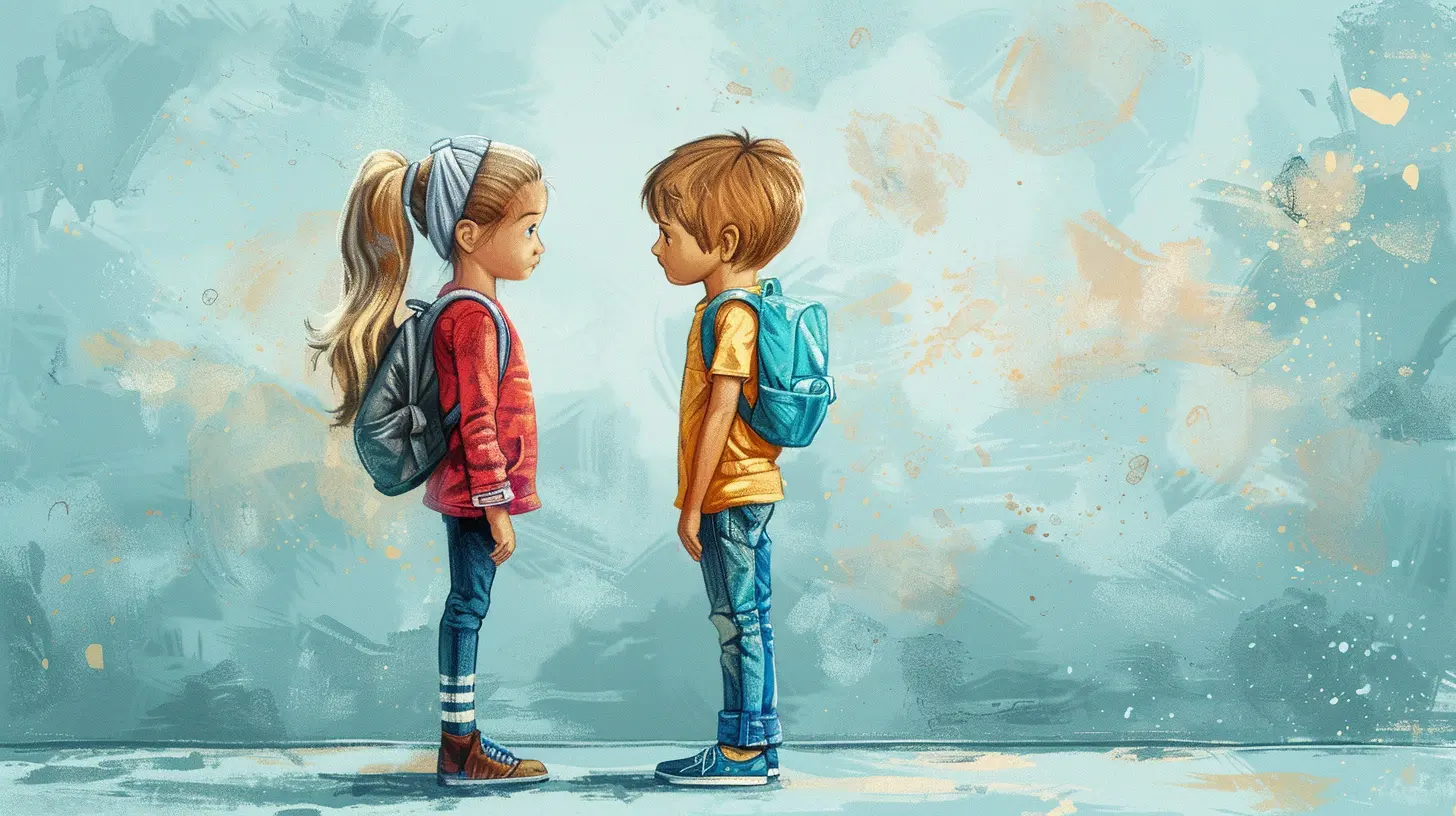
Now that we’ve covered the critical skills, let’s explore some fun and engaging ways to teach them in the classroom or at home.1. Role-Playing Scenarios
Kids learn best through experience. Create conflict-based scenarios and let them practice resolving them. Situations could include:- Two students wanting the same toy
- A friend saying something hurtful
- A disagreement over a group project
After role-playing, discuss what worked and how they could improve their responses. This real-world practice builds confidence and prepares them for actual conflicts.
2. Teaching Through Stories
Children connect with stories. Read books or share real-life examples that demonstrate good conflict resolution. Afterward, ask:- How did the characters handle the conflict?
- What could they have done differently?
- How would you have responded in that situation?
This approach allows kids to analyze conflicts in a safe and non-threatening way.
3. Encouraging "Peace Corners" in Schools
A "peace corner" is a designated space where kids can go to cool down and work through disagreements peacefully. Fill it with:- Emotion charts to help them express how they feel
- Conflict resolution prompt cards with questions like, “How can we fix this?”
- A timer to encourage calm reflection before resolving the issue
Having a physical space dedicated to peaceful resolutions reinforces the importance of handling disagreements constructively.
4. Using Games to Teach Cooperation
Games that require teamwork help children develop conflict resolution skills naturally. Activities like group puzzles, relay races, or escape room challenges teach kids how to communicate, compromise, and collaborate.After the game, discuss any conflicts that arose and how they were resolved. This helps kids see the value of working together in a fun and relaxed setting.
5. Teaching Kids to Seek Help When Needed
Not all conflicts can be solved by children alone. It’s essential that they know when to involve a teacher, parent, or school counselor. Teach kids the difference between tattling (trying to get someone in trouble) and seeking help (when a conflict is serious or harmful).Encourage them to ask for help if:
- Someone is being physically or emotionally hurt
- They’ve tried to resolve the issue but couldn’t
- They feel unsafe or threatened
Knowing when to seek guidance is just as crucial as trying to resolve conflicts independently.
How Parents and Teachers Can Reinforce These Skills
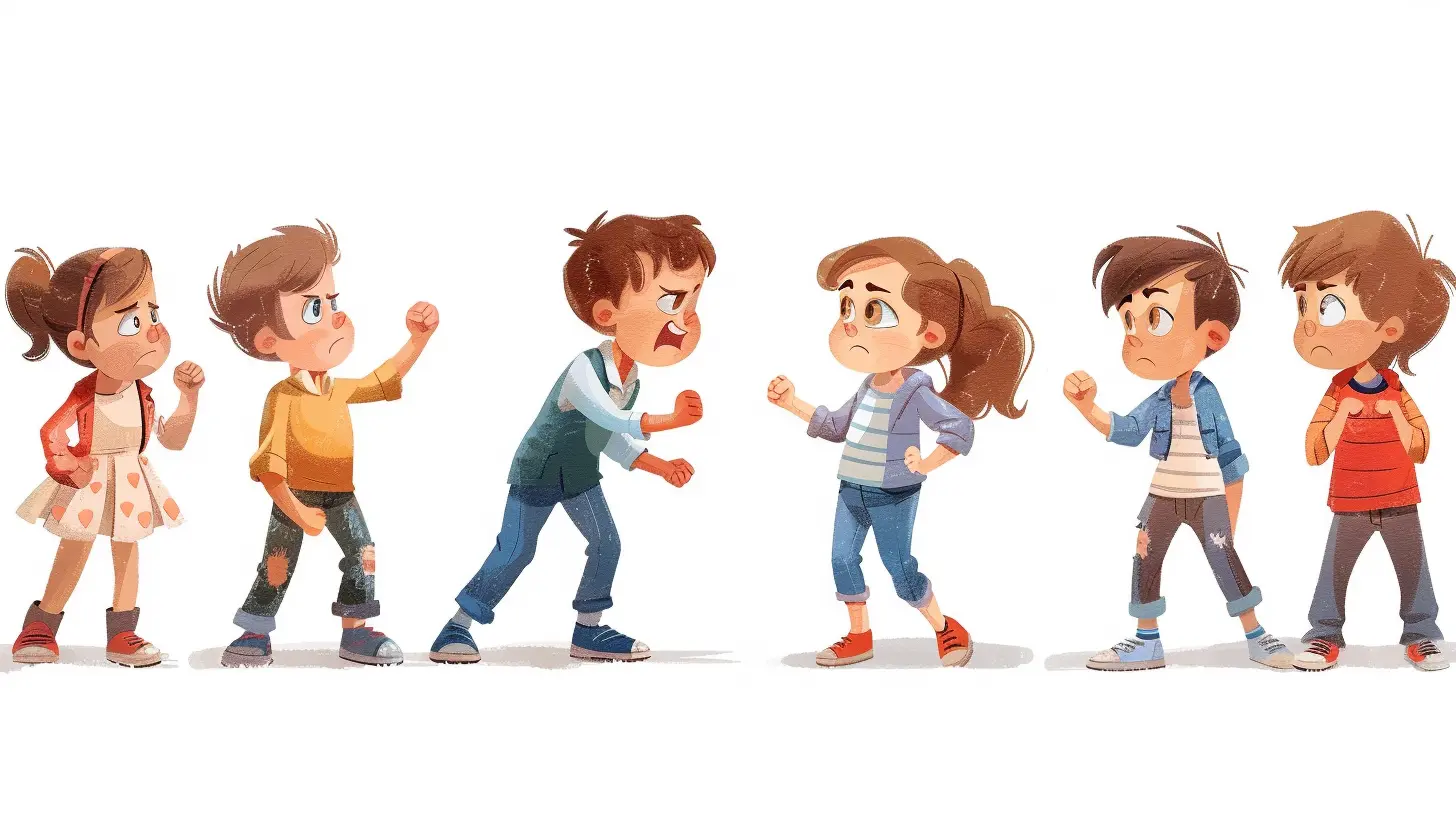
Conflict resolution isn’t something kids will master overnight—it requires continuous reinforcement. Here’s how parents and teachers can help:- Model Positive Conflict Resolution – Kids learn by watching. Show them how to handle disagreements calmly and respectfully.
- Praise Good Behavior – Acknowledge when kids use their conflict resolution skills successfully. Positive reinforcement encourages them to keep practicing.
- Create Open Communication Channels – Let kids know they can talk about their conflicts without fear of punishment. This helps build trust and encourages them to seek guidance when needed.
- Be Consistent – Conflict resolution strategies should be applied consistently at home and in school. The more kids practice, the more natural it becomes.
Final Thoughts
Teaching children how to manage conflicts effectively can significantly reduce bullying. It’s not just about stopping fights—it’s about helping kids build respect, empathy, and problem-solving abilities that will serve them throughout their lives.Conflict isn’t the enemy—poor conflict management is. By equipping kids with the right skills, we create a safer, more supportive environment where bullying has no place. So, let’s start teaching these essential lessons today!
all images in this post were generated using AI tools
Category:
Bullying PreventionAuthor:

Anita Harmon