Cultivating Self-Awareness in Education Through Reflection and Assessment
26 September 2026
Self-awareness is like a secret superpower in education. It’s what helps students truly understand themselves—their strengths, weaknesses, emotions, and thought processes. But here’s the thing: self-awareness doesn’t just magically appear overnight. It takes intentional reflection and consistent assessment to nurture it.
So, how do we cultivate self-awareness in education? And why does it even matter? Let’s dive into it! 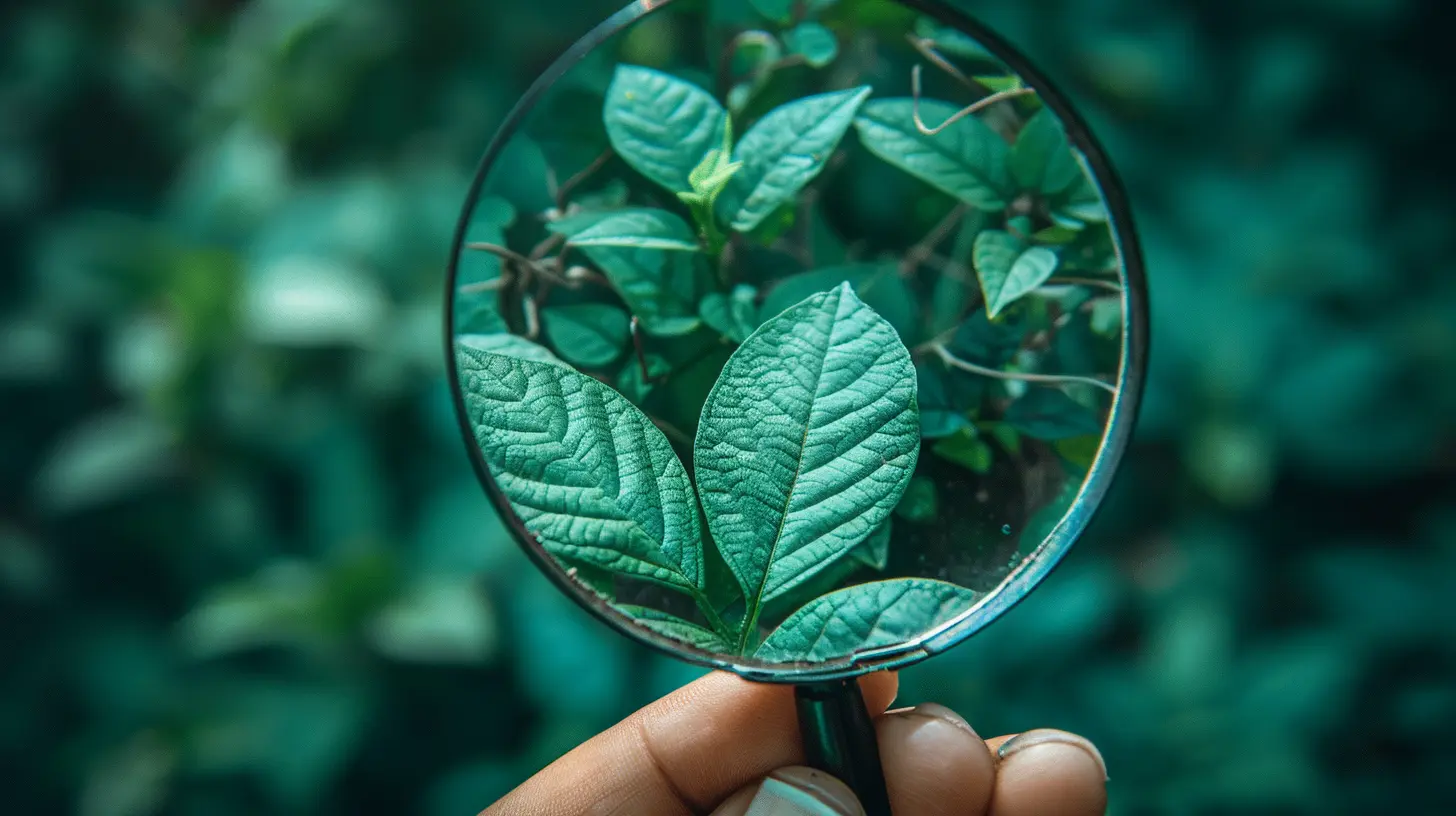
What is Self-Awareness in Education?
At its core, self-awareness in education is the ability to recognize and understand your own learning habits, emotions, and thought patterns. It’s about knowing what works for you and what doesn’t—like realizing you study better in complete silence rather than with background music or recognizing when frustration is holding you back from grasping a concept.Imagine trying to drive somewhere without a map. That’s what learning without self-awareness feels like. You’re moving, but you’re not sure if you’re going in the right direction. Self-awareness acts as that map, guiding students toward academic success and personal growth. 
The Role of Reflection in Self-Awareness
1. Reflection Helps Identify Strengths and Weaknesses
Ever had one of those moments where you look back at an exam and think, I totally bombed that because I didn’t prepare enough? That’s self-reflection in action. Reflection gives students a chance to analyze their performance and habits, helping them figure out what’s working and what needs improvement.Encouraging regular reflection—whether through journaling, discussions, or self-assessment tools—can help students take charge of their learning journey and make the necessary adjustments.
2. Boosts Emotional Intelligence
Education isn’t just about memorizing facts; it’s also about understanding emotions. When students reflect on their feelings—whether it’s frustration over a tough subject or excitement about a topic they love—they develop emotional intelligence.This emotional awareness allows them to manage stress, stay motivated, and communicate more effectively.
3. Encourages a Growth Mindset
A fixed mindset tells students, I’m just not good at math. But a growth mindset—fueled by self-awareness—says, I struggled with math today, but I can improve with practice.Reflection helps learners recognize that challenges aren’t dead ends but opportunities for growth. When students reflect on their progress, they see how far they’ve come, which fuels their motivation to keep improving. 
The Power of Assessment in Cultivating Self-Awareness
Assessment isn’t just about grades. Sure, test scores matter, but self-assessment? That’s where the magic happens.1. Self-Assessment Puts Students in Control
When students are actively involved in assessing their own progress, they take ownership of their education. They stop seeing learning as something that happens to them and start seeing it as something they control.Encouraging students to ask themselves questions like:
- Did I fully understand today’s lesson?
- What could I have done differently to improve my learning?
- How well did I manage my time on this project?
These self-check-ins help students build a strong sense of responsibility for their growth.
2. Teacher Feedback Plays a Key Role
While self-assessment is powerful, teacher feedback is just as crucial. But here’s the catch: feedback should go beyond just telling students what they did right or wrong. It should help them reflect on why they got something right or wrong.Instead of saying, You need to work on your writing skills, a teacher might say, I noticed that your argument is strong, but your supporting evidence could be clearer. What strategies do you think could improve this?
This approach encourages students to think critically about their learning rather than simply accepting a grade and moving on.
3. Peer Assessments Build Perspective
Sometimes, the best learning happens when students assess each other. Peer assessments allow students to see different perspectives, understand varying approaches to problem-solving, and learn from each other’s successes and mistakes.By evaluating a classmate’s work, students often gain insights into their own learning styles and habits—an essential step in self-awareness. 
Practical Strategies to Foster Self-Awareness in Education
1. Journaling for Reflection
Keeping a learning journal is one of the simplest yet most effective ways to develop self-awareness. Encourage students to write about:- What they learned in class
- Challenges they faced
- How they overcame obstacles
- What strategies worked (and what didn’t)
This habit helps students actively process their thoughts and experiences, making learning more intentional.
2. Goal-Setting and Self-Evaluation
Before tackling a project or studying for an exam, students should set clear, measurable goals. Afterward, they can evaluate whether they met those goals and reflect on what contributed to their success or struggles.For example, a student might set a goal to complete a history assignment two days before the deadline. If they succeed, they can reflect on what helped them stay on track. If they don’t, they can assess what distractions or habits got in the way.
3. Mindfulness and Meditation
Believe it or not, mindfulness plays a huge role in self-awareness. Taking a few minutes each day to practice deep breathing, meditation, or simple mindfulness exercises can help students stay present, reduce stress, and tune into their emotions and thought patterns.4. Encouraging Open Conversations
Teachers and parents should foster an environment where students feel comfortable discussing their academic and emotional challenges. Encouraging open dialogue about strengths, weaknesses, and personal growth makes self-awareness a natural part of learning.The Lifelong Benefits of Self-Awareness in Education
The beauty of self-awareness is that it doesn’t just help students in school—it benefits them in every aspect of life. Whether in their careers, relationships, or personal development, having a deep understanding of themselves allows them to navigate life’s challenges more effectively.When students master the art of self-reflection and assessment, they don’t just become better learners—they become empowered individuals who take control of their success.
After all, education isn’t just about getting good grades. It’s about developing the skills and mindset necessary to thrive in the real world.
So, let’s make self-awareness a core part of education. Because when students truly understand themselves, there’s no limit to what they can achieve.
all images in this post were generated using AI tools
Category:
Self AssessmentAuthor:

Anita Harmon