How to Handle Bullying Outside of School Grounds
9 August 2026
Bullying is a tough challenge, and it doesn't always stop when the school bell rings. In fact, bullying outside of school—whether it happens in the neighborhood, at the park, online, or even within social groups—can be just as damaging.
But here’s the thing: You don't have to deal with it alone. Whether you're a student, a parent, or even a bystander, there are ways to address bullying outside of school and create a safer environment for everyone. In this guide, we’ll break down exactly how to handle these situations with confidence and resilience. 
Understanding Bullying Outside of School
What Does Bullying Outside of School Look Like?
Bullying can take many forms, and when it happens beyond school grounds, it can feel even more isolating. Some common examples include:- Cyberbullying – Harassment through social media, text messages, or online games.
- Neighborhood Bullying – Being targeted at local hangouts, playgrounds, or even in your own apartment complex.
- Sports Team or Club Bullying – When peers in extracurricular activities create a toxic environment.
- Bus Stop or Commuting Bullying – Facing intimidation or harassment before or after school.
Why Is It Harder to Address?
Unlike school-based bullying, where teachers and staff can intervene, bullying outside school often lacks direct adult supervision. Many victims feel helpless because they think no one has the authority to step in. But the truth is, there are still plenty of ways to handle it effectively.
What to Do If You’re Being Bullied Outside of School
1. Stay Calm and Assess the Situation
First things first: Don't panic. Bullies often feed off reactions, so staying calm can reduce their power. Take a deep breath and evaluate the situation.- Is this person targeting you repeatedly?
- Is it verbal, physical, or online bullying?
- Can you safely remove yourself from the situation?
Recognizing patterns in the bullying can help you figure out the best way to respond.
2. Don’t Engage With the Bully
It’s tempting to clap back with a snarky comment or stand up for yourself aggressively, but that can sometimes make things worse. Instead, practice the power of indifference—show them that their words or actions don’t affect you.Sometimes, walking away or ignoring messages can be the best defense. If the bully doesn’t get a reaction, they might lose interest over time.
3. Set Boundaries and Speak Up
If the bullying continues, don’t be afraid to set clear boundaries. This can be as simple as:> _"I’m not okay with the way you’re treating me. Stop."_
For cyberbullying, block or report the individual. Most social media platforms have built-in reporting tools that allow you to flag harmful content.
4. Seek Help From a Trusted Adult
You don’t have to handle bullying alone. Talk to someone you trust—whether it’s a parent, guardian, coach, or another authority figure. They can offer support, guidance, and even intervene if necessary.If the bullying is happening in a public space, like a park or community center, you can report it to local security or law enforcement if things escalate.
5. Gather Evidence, If Necessary
If you're dealing with repeated bullying—especially cyberbullying—keeping records can be beneficial. Screenshots of hurtful messages, timestamps of incidents, or even witness statements can help if you need to report the situation.Never delete threatening or inappropriate messages before showing them to an adult or authority figure.
6. Surround Yourself With Supportive People
Bullies tend to pick on people who seem isolated. Strength is in numbers, so try to stay close to positive, supportive friends whenever you're in places where bullying might occur. Having a strong support system can make a world of difference.7. Develop Confidence and Self-Defense Skills
While physical confrontation should always be the last resort, learning basic self-defense can boost your confidence and help you feel secure. Activities like martial arts or assertiveness training can empower you to stand tall and project confidence—qualities that often deter bullies.
How Parents Can Help a Child Who’s Being Bullied
If you're a parent, it can be heartbreaking to hear your child is being bullied, especially outside school where intervention seems harder. Here’s what you can do:1. Encourage Open Conversations
Create a space where your child feels safe sharing their struggles. Ask open-ended questions like:- "Has anyone been bothering you when you're outside of school?"
- "How do you feel when you're around certain people in your neighborhood or activities?"
Let them know that you’re there to listen and support them, not just to fix the problem.
2. Teach Them Assertiveness Skills
Help them practice ways to respond to bullies calmly but firmly. Role-playing different scenarios can equip them with confidence when they face difficult situations.3. Monitor Online Interactions
Cyberbullying is one of the easiest ways for bullying to continue outside school. Stay involved in your child's online world by:- Encouraging open discussions about social media use.
- Teaching them how to block and report harmful users.
- Setting privacy settings to limit who can contact them.
4. Know When to Step In
If the bullying escalates to physical threats or harassment, don’t hesitate to take action. Contact community leaders, sports coaches, or even local authorities if necessary. Your child’s safety is the top priority.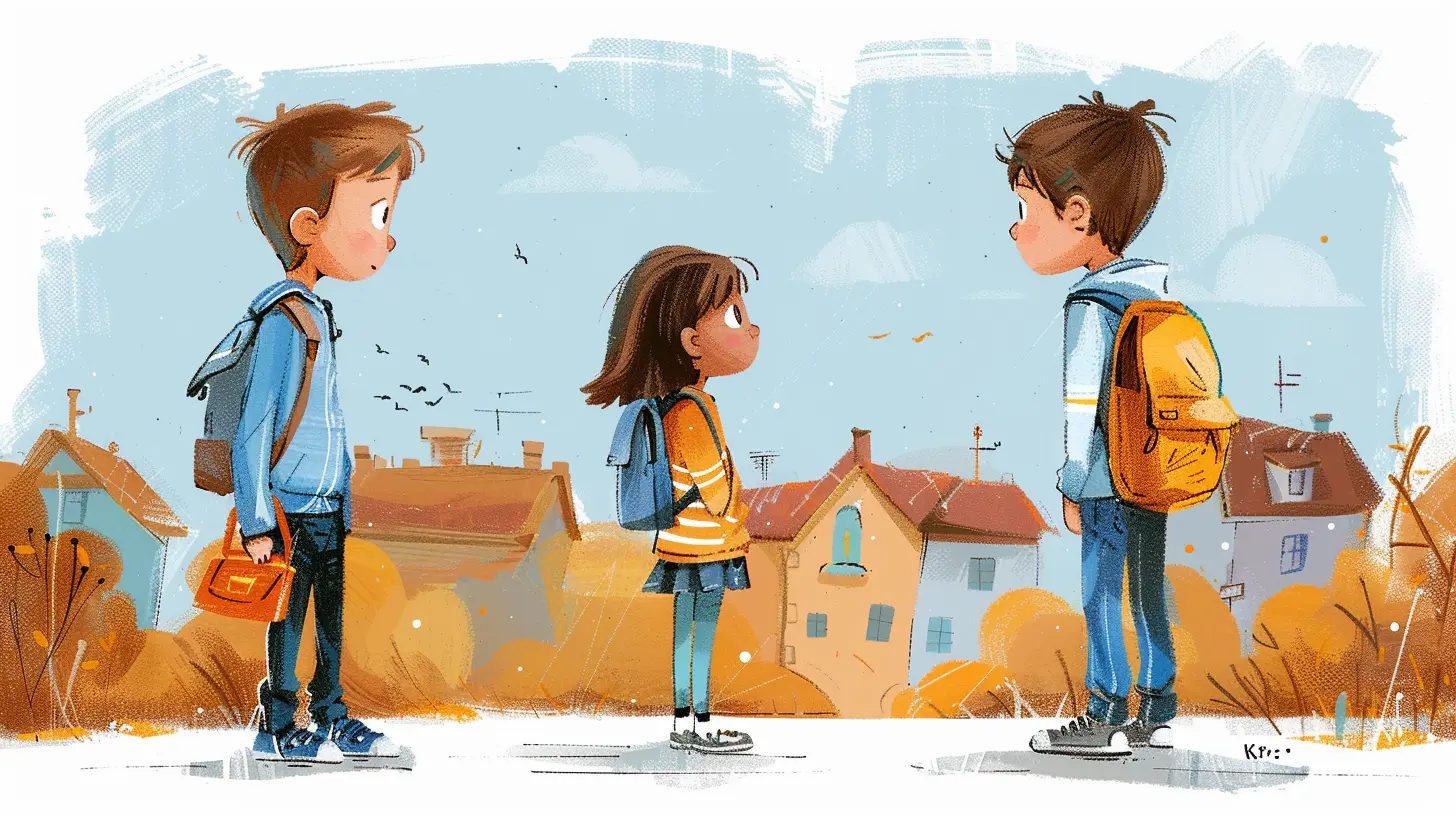
What to Do If You Witness Bullying
Standing up to bullying isn’t just for victims. If you witness bullying happening outside of school, your actions can make a difference. Here's how you can help:1. Support the Victim
Even if you don't feel comfortable stepping in directly, showing kindness to the person being bullied can go a long way. A simple "Are you okay?" or "Do you want to walk together?" can make them feel less alone.2. Speak Up If It’s Safe
If you’re in a position to do so, call out the bullying with confidence:> _"That’s not cool. Leave them alone."_
Most bullies thrive on social approval, so challenging their behavior in front of others can discourage them.
3. Get Help From an Adult
If the situation seems dangerous or escalating, find an adult. Whether it’s a parent, teacher, security guard, or coach, bringing in an authority figure can help stop the bullying safely.4. Avoid Fueling the Fire
Don’t laugh or encourage the bully. Sometimes, even bystanders contribute to the problem without realizing it. Taking an active stand against bullying, rather than staying silent, is a powerful way to make a difference.Final Thoughts
Bullying outside of school can feel overwhelming, but remember—you are never powerless. Whether you’re the one being bullied or you’re witnessing it happen, small actions can create big changes.Standing up for yourself, seeking help, and surrounding yourself with supportive people can help tackle bullying head-on. And if you're a parent, friend, or bystander, being an active ally can make all the difference in someone’s life.
No one deserves to feel unsafe because of bullying. By taking the right steps and supporting one another, we can create a world where kindness and respect outweigh intimidation and fear.
all images in this post were generated using AI tools
Category:
Bullying PreventionAuthor:

Anita Harmon
Discussion
rate this article
1 comments
Zephyra McWain
Great tips for supporting students... thanks!
August 11, 2026 at 12:46 PM
Anita Harmon
Thanks for reading! I'm glad you found the tips helpful.