How to Foster Emotional Intelligence in Students to Combat Bullying
25 September 2026
Ever wondered why some students naturally get along with everyone, while others struggle with relationships or end up in conflicts? A big part of the answer lies in emotional intelligence (EI). It’s like the secret sauce that helps kids understand themselves and others, manage emotions, and interact in healthy, respectful ways.
In this post, we’re diving into how to foster emotional intelligence in students to combat bullying — because let’s be real, bullying isn’t just “kids being kids.” It’s a real issue, and teaching emotional intelligence is one powerful way to stop it before it starts.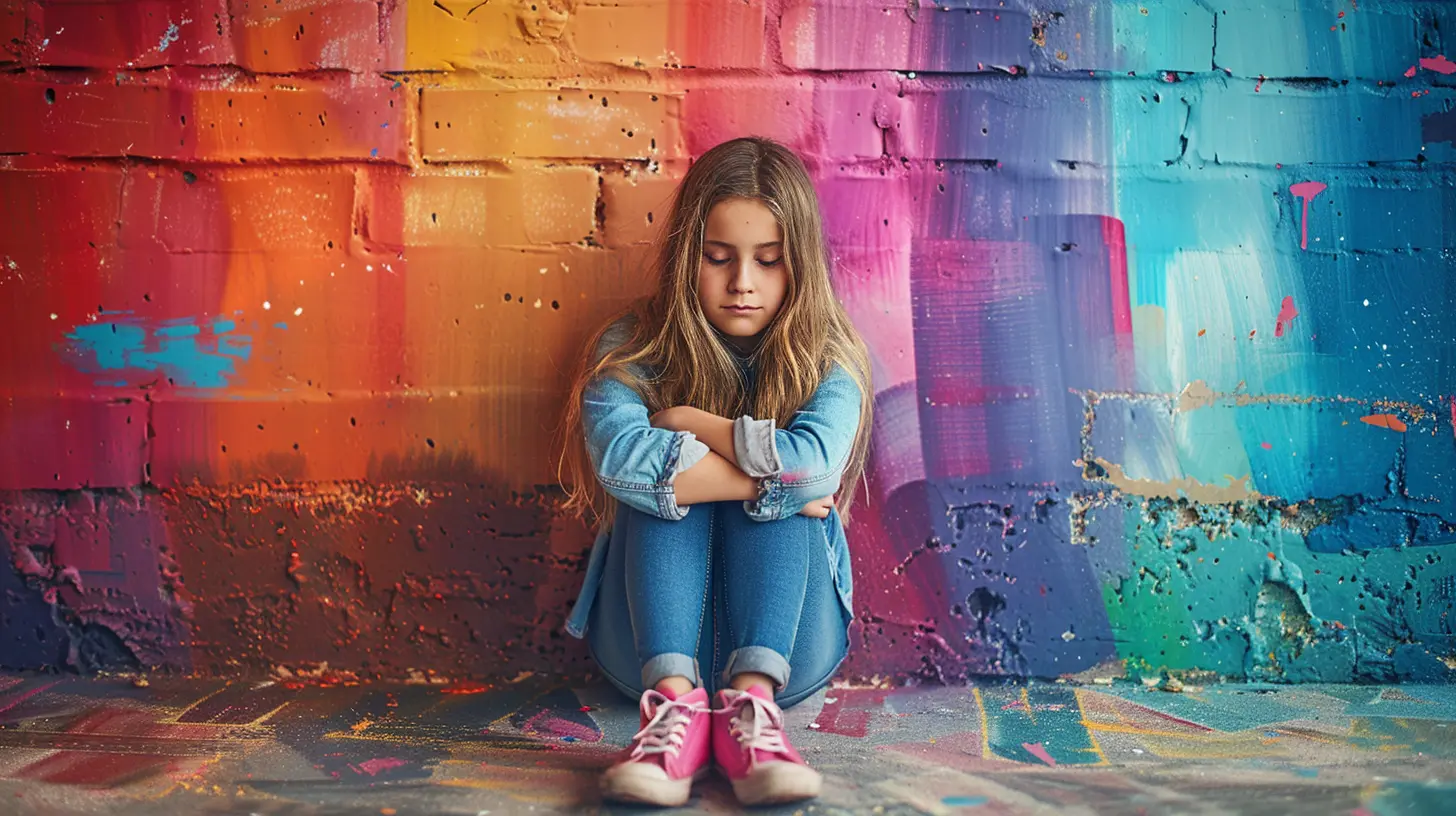
What Is Emotional Intelligence, Anyway?
Let’s break it down. Emotional intelligence isn’t some complicated psychological theory. It’s simply the ability to:- Recognize and understand your own emotions
- Understand what others are feeling
- Use this awareness to manage your behaviors and relationships
Think of it as having a user manual for your feelings. If kids can name their emotions, understand why they feel a certain way, and learn to deal with those feelings healthily, they're way less likely to lash out or mistreat others.
Why Emotional Intelligence Matters in Schools
School isn’t just about math equations and history lessons. It’s also where kids learn how to socialize, resolve conflicts, and build friendships. But here’s the twist: not every student comes into the classroom with the same emotional toolkit.That’s where things get tricky.
Low emotional intelligence often shows up as:
- Outbursts of anger
- Name-calling or teasing
- Exclusion
- Physical aggression
Yep, all classic signs of bullying.
Now imagine a school culture where students can say, “I’m feeling frustrated because…” instead of throwing a tantrum or targeting someone else. Wouldn’t that shift the entire atmosphere?
The Link Between Emotional Intelligence and Bullying
Bullying is often a symptom of something deeper — a lack of empathy, poor emotional regulation, or social insecurity. Emotional intelligence tackles all of that head-on.Here’s how:
- Self-awareness helps kids recognize their own emotions and triggers.
- Self-regulation teaches them how to manage those feelings instead of acting out.
- Empathy opens their eyes to how their actions impact others.
- Social skills empower them to build stronger, more respectful relationships.
In short, EI doesn’t just reduce bullying; it builds a kinder, more connected student body.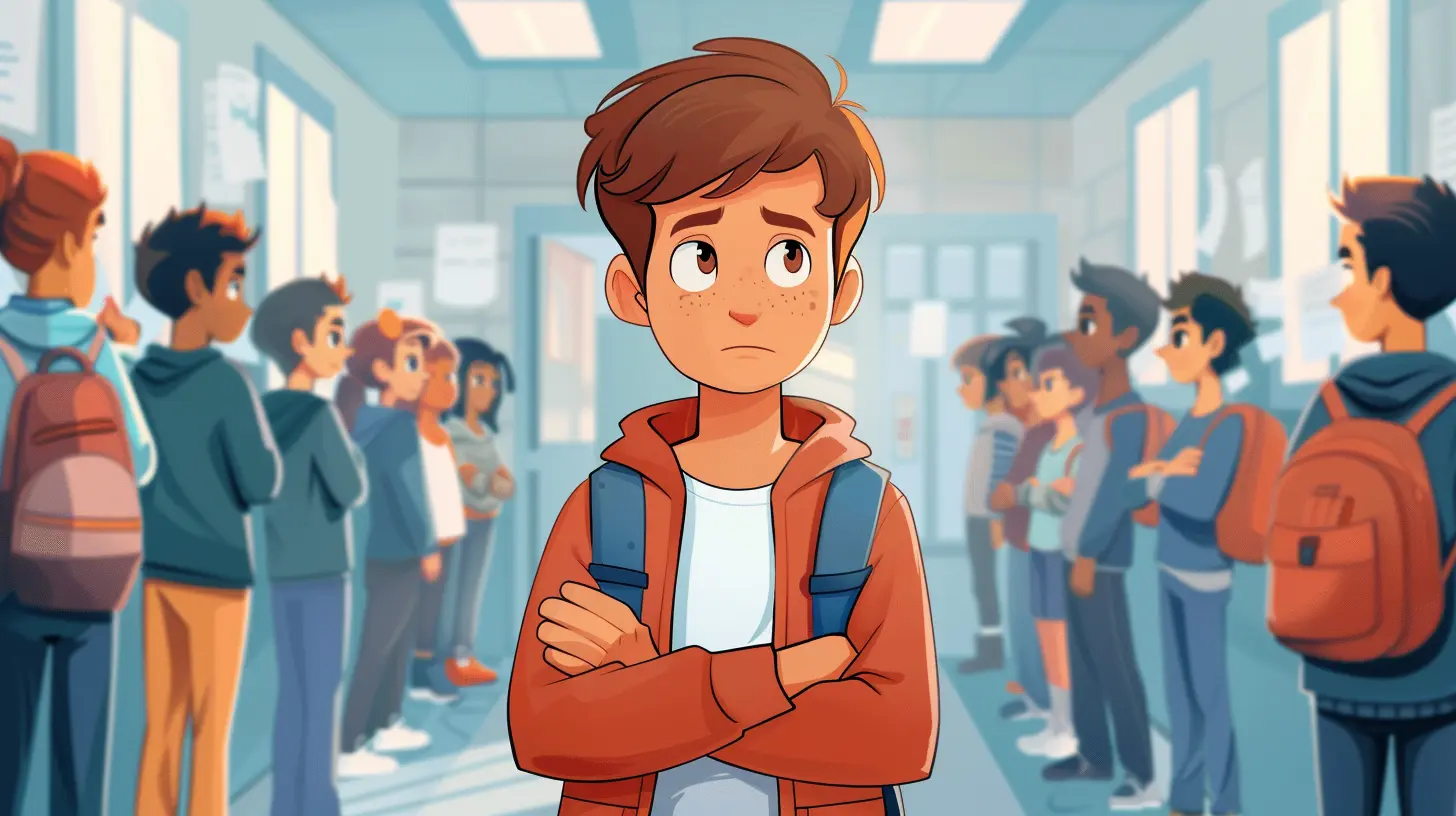
How Schools Can Promote Emotional Intelligence
So, how do we actually teach emotional intelligence? You can’t just hand out a worksheet and call it a day.Here’s what works.
1. Integrate SEL (Social-Emotional Learning) Into the Curriculum
Social-emotional learning isn’t fluff — it’s foundational. SEL programs teach students specific skills like:- Naming and identifying emotions
- Active listening
- Conflict resolution
- Cooperation
- Perspective-taking
Many schools are already adopting structured SEL curriculums like Second Step or CASEL’s framework, and the results are impressive: less bullying, better grades, and improved behavior.
> Not sure where to begin? A 15-minute check-in at the start of the day where students share how they're feeling can work wonders.
2. Make Space for Open Conversations
It’s amazing what comes out when students feel safe enough to talk. Create regular opportunities — think circle time or class meetings — where students can share feelings, wins, or worries without fear of judgment.These open conversations don’t just build community; they teach students how to express themselves constructively and listen to others.
And bonus? This also helps teachers identify issues before they escalate into bullying situations.
3. Model Emotional Intelligence as Educators
Let’s not forget: kids are always watching. If a teacher loses their cool every time something goes wrong or uses sarcasm to shame a student, guess what kids are learning?Instead, educators can model EI by:
- Naming their emotions aloud (“I’m feeling overwhelmed because we’re behind schedule.”)
- Listening actively when students talk
- Apologizing when they make a mistake
Modeling shows students that feelings aren’t something to hide—they’re something we manage and grow from.
What Parents Can Do at Home
Emotional intelligence doesn’t stop at the school gates. Parents play a huge role in reinforcing what kids learn about managing emotions and relationships.Here’s how parents can help:
1. Talk About Emotions Openly
Ever hear someone say “boys don’t cry” or “just get over it”? Those messages shut down emotional growth. Instead, parents can open the door to emotional conversations by:- Asking how their child felt during the day
- Showing empathy when their child is upset
- Helping name and label emotions
When kids see that emotions are normal and manageable, they’re less likely to explode or freeze in emotionally charged situations.
2. Teach Children to Reflect
Reflecting doesn’t have to be formal. It can be as simple as:> “How did you feel when that happened?”
> “What could we do differently next time?”
These types of questions build self-awareness like muscles at the gym. The more you use them, the stronger they get.
3. Set Boundaries Around Behavior
EI isn’t about being soft. It’s about teaching kids how to be respectful and responsible. That means setting clear, consistent consequences for bullying or hurtful behavior—but always with a focus on learning, not just punishment.For example, instead of just grounding a child for being mean, a parent might say:
> “That hurt your friend’s feelings. Let’s talk about how you were feeling and what you can do to make things right.”
Boom. That’s emotional growth in action.
Building Empathy: The Anti-Bullying Superpower
Honestly, if we could bottle empathy and hand it out at recess, we would. It’s that powerful.But since we can’t, we’ve gotta build it, one experience at a time.
1. Use Literature to Step Into Others’ Shoes
Books are empathy machines! They let students walk in someone else’s shoes, see the world through different eyes, and feel things they’ve never experienced.Teachers can pause during reading time and ask:
> “How do you think that character felt?”
> “What would you have done in that situation?”
Suddenly, a simple story becomes a tool for deeper understanding.
2. Celebrate Differences
When students learn to appreciate diversity — whether it’s culture, interests, or abilities — they’re less likely to bully and more likely to be inclusive.Things like multicultural days, “get to know you” games, or stories from different backgrounds can help reinforce this. The goal? Make differences something to explore, not something to mock.
3. Practice Kindness... Regularly
Kindness isn’t just a buzzword — it’s a habit. Schools can encourage acts of kindness through:- Kindness challenges or journals
- “Caught being kind” recognition
- Peer mentoring or buddy programs
When being thoughtful becomes the norm, bullying sticks out like a sore thumb.
The Role of Peer Support
Sometimes, the most powerful anti-bullying force isn’t an adult — it’s another student.Empowering students to stand up for one another, speak out against cruelty, and support victims can shift the entire school dynamic.
1. Train Student Leaders
Peer mentors, student council reps, or even playground “peacekeepers” can act as role models and supports for others. These student leaders can help:- Mediate small conflicts
- Encourage inclusion
- Report bullying when they see it
When kids know their peers have their back, bullies lose their power.
2. Encourage Bystander Intervention
A student who witnesses bullying has a choice: speak up or stay silent. Teaching kids how to safely intervene — or at least report the issue to an adult — is key.Even better? Give them scripts like:
- “That’s not okay.”
- “Let’s include them.”
- “I’m going to get help.”
Sometimes, all it takes is one voice to shut down bullying behavior.
Long-Term Benefits of Teaching Emotional Intelligence
Alright, let’s zoom out. Yes, teaching EI helps reduce bullying. But that’s just the beginning.Students with strong emotional intelligence are more likely to:
- Have better mental health
- Succeed academically
- Build healthy relationships
- Become compassionate leaders
In other words, when we teach emotional intelligence, we’re not just tackling bullying — we’re laying the foundation for a better world.
Final Thoughts
We all want schools to be safe, supportive environments. But that doesn’t happen by accident. It happens when we intentionally teach students how to understand themselves, relate to others, and treat everyone with respect.Fostering emotional intelligence is a game-changer.
It empowers kids.
It stops bullying before it starts.
And it helps create classrooms where kindness and connection take center stage.
So, whether you’re a teacher, parent, or student — let’s commit to making emotional intelligence part of everyday life. Because when we get emotions right, everything else starts to click.
all images in this post were generated using AI tools
Category:
Bullying PreventionAuthor:

Anita Harmon