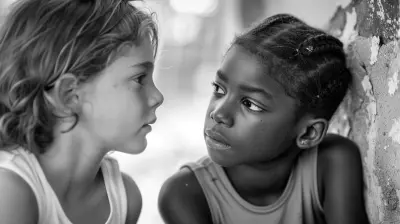
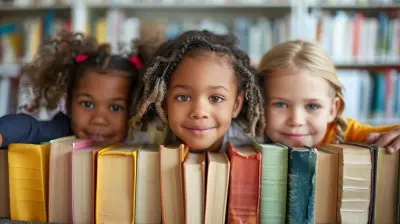
How Peer-Learning is Changing the Face of the Classroom
26 July 2026
Let’s face it: the traditional classroom—with a one-way lecture, silent students, and a weary teacher—is starting to gather dust. There’s a fresh wind blowing through the halls of education, and it's bringing some exciting change. Enter peer-learning: a dynamic, interactive, and slightly magical approach that’s shaking up the way we think about school.
But what exactly is peer-learning? And why is it suddenly everyone's favorite classroom trend?
Buckle up, friend. We're about to dive into why peer-learning is more than just group work—and how it's totally reshaping those four walls we call a classroom.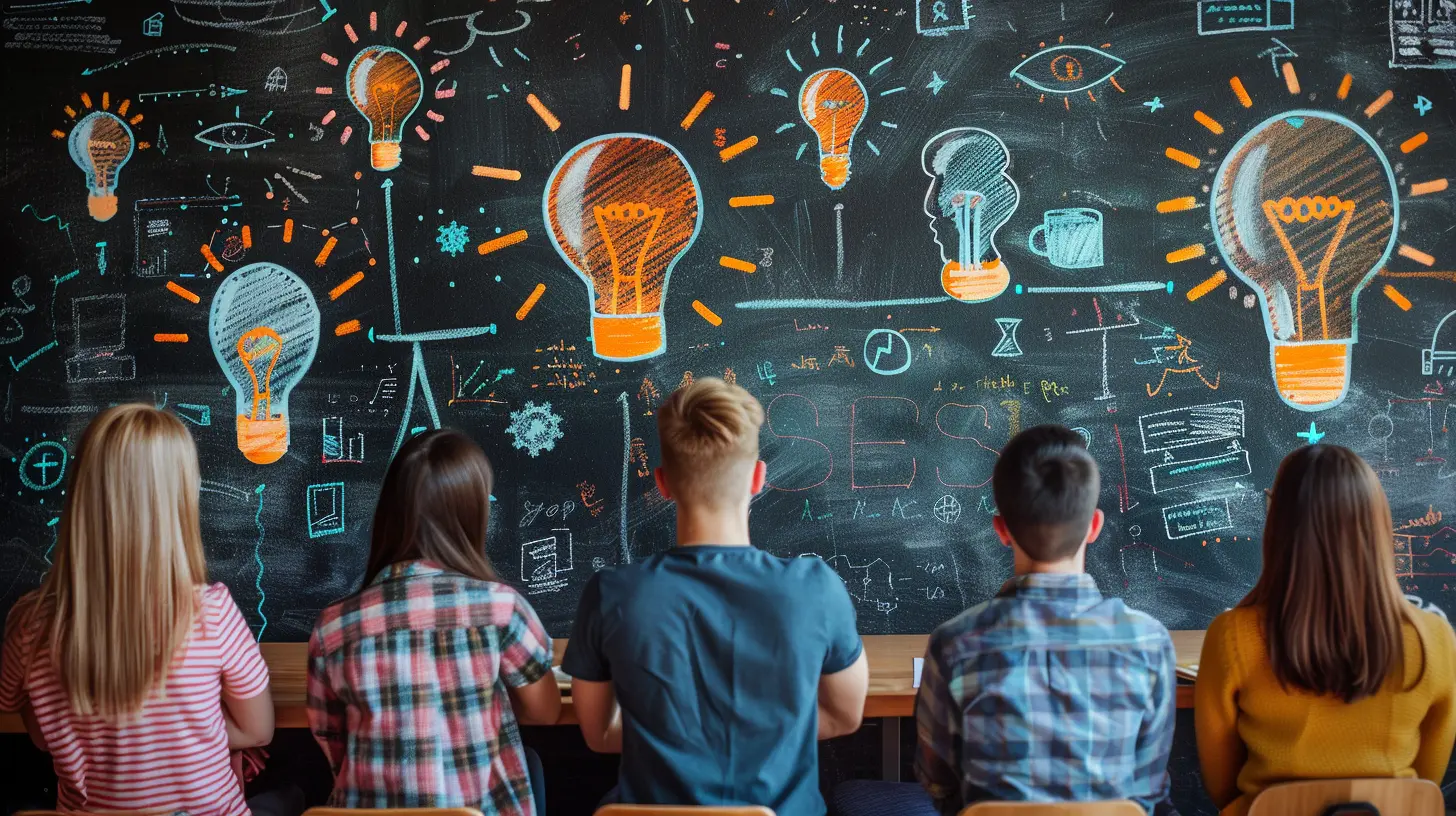
What is Peer-Learning, Anyway?
Okay, so let’s start with the basics. Peer-learning is when students learn from and with each other. That’s right—students take turns being both the teacher and the learner.It doesn’t mean the teacher packs up and heads for the teacher’s lounge while students fend for themselves. Nope! Instead, the teacher becomes more of a guide-on-the-side rather than a sage-on-the-stage.
Think of it like a study group, but turbo-charged with intention, support, and structure. When peers share knowledge, explain concepts, brainstorm, and solve problems together, something magical happens: learning gets sticky—in a good way.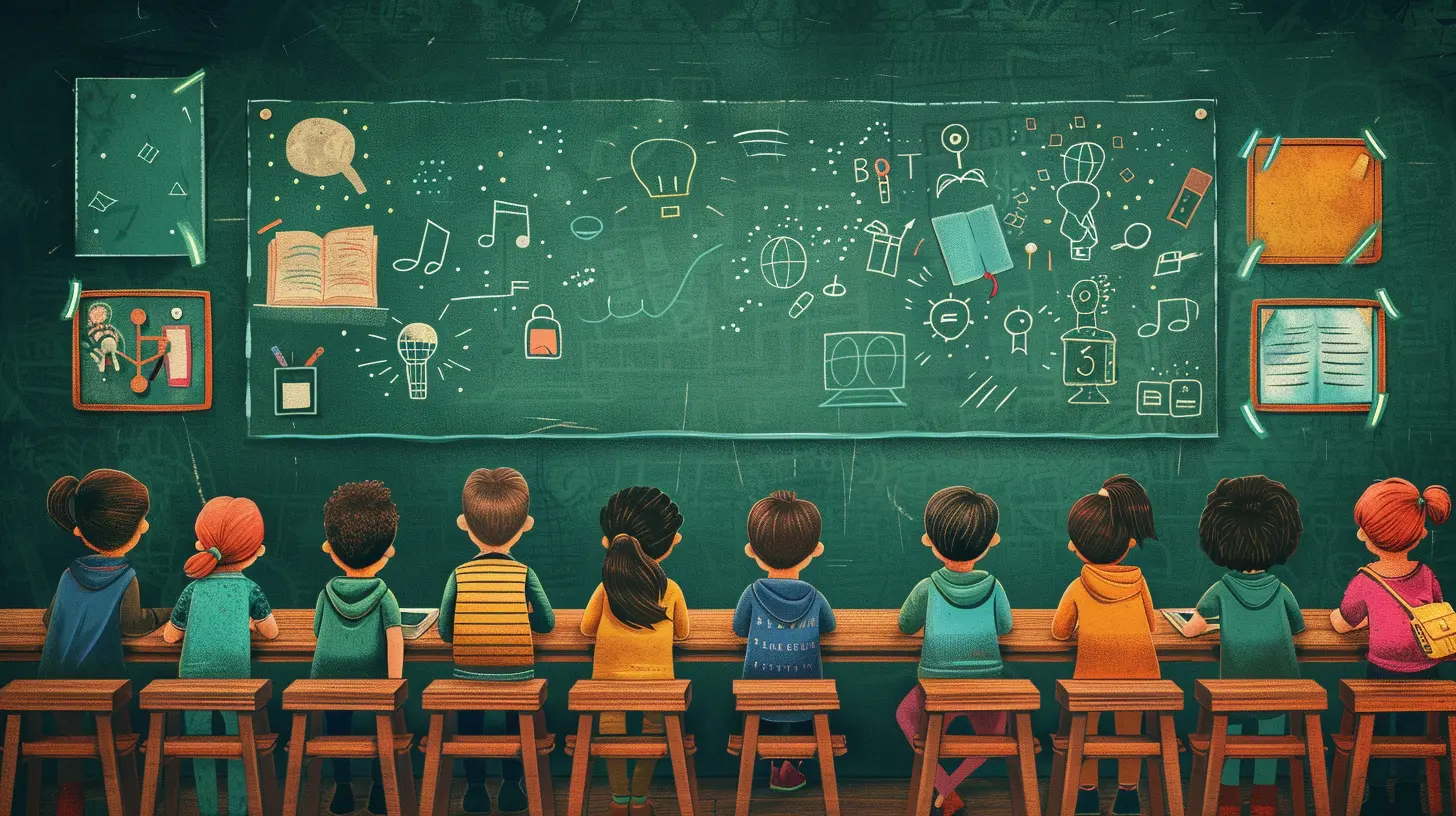
Why Peer-Learning is Picking Up Speed
We live in a world where collaboration is king. Whether it's in the office or on a Zoom call, teamwork matters. Schools are catching up, realizing that memorizing facts isn’t enough.Peer-learning taps into something powerful: the human need to connect. And when students connect with each other to understand concepts, suddenly learning becomes more relatable, more active, and just plain more fun.
Plus, let’s not forget — students often speak each other’s language better than any adult can. Ever notice how a friend can explain something in five minutes that took a teacher an hour? That’s peer-learning in action.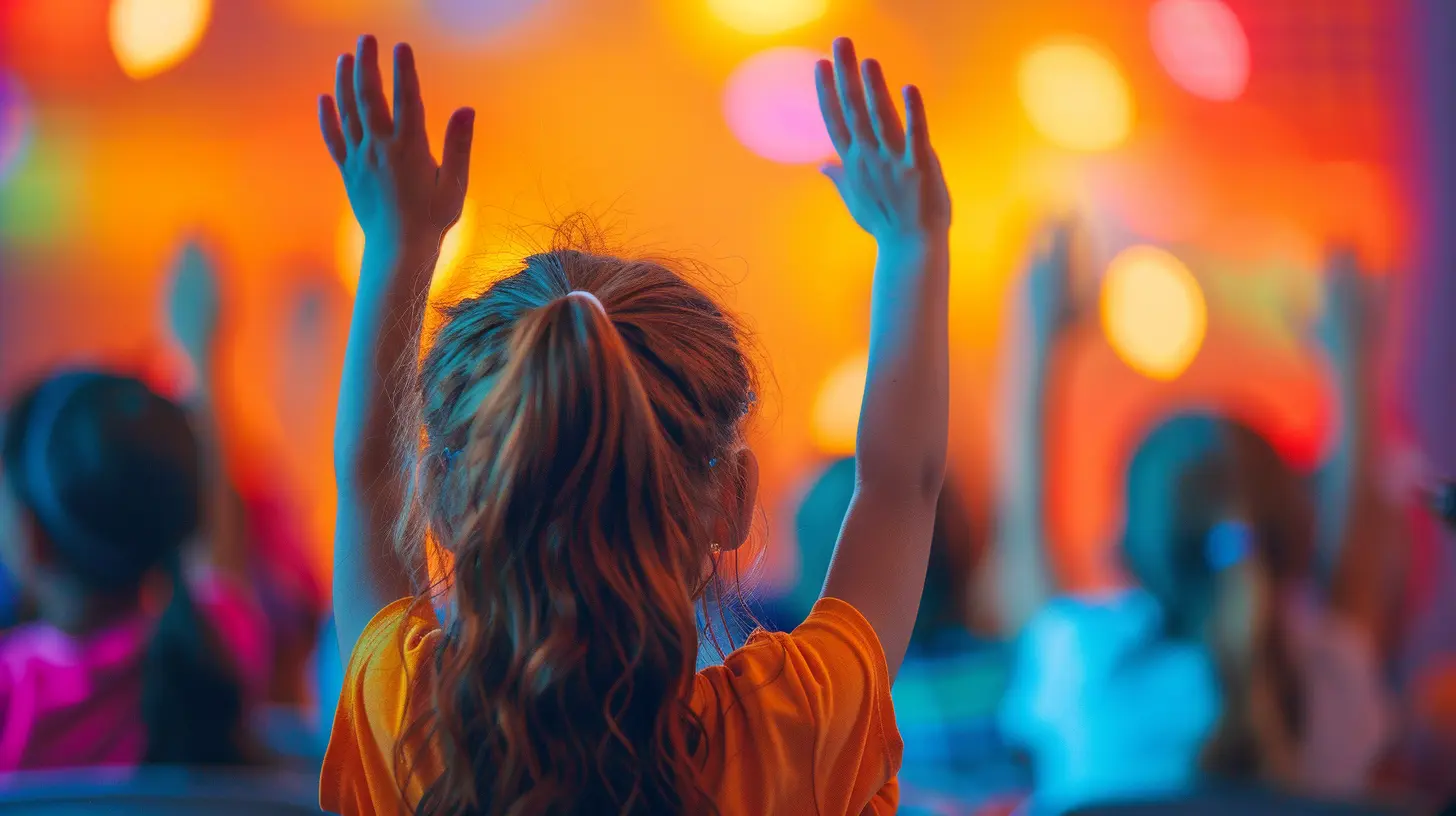
The Benefits of Peer-Learning (Warning: They're Kinda Amazing)
Alright, now onto the good stuff. Here’s what makes peer-learning so dang effective:1. It Builds Confidence
When students teach others, they reinforce what they know. Explaining a tricky math problem or walking someone through a history timeline gives a major confidence boost. Suddenly, they’re not just learners—they’re leaders.2. It Sparks Better Understanding
Here’s a secret: we remember what we teach better than what we're told. Studies have shown that when students teach content to peers, their retention skyrockets. The brain loves active learning!3. It Boosts Communication Skills
Wanna sharpen your communication chops? Try explaining mitochondria to someone who’s staring at you like you just spoke alien. Peer-learning helps students learn how to clarify, listen, and adapt.4. It Levels the Playing Field
Some students are shy to speak in front of the whole class. Peer-learning creates smaller, safer spaces for everyone to contribute. It helps reduce anxiety and boosts inclusivity, especially for students who feel left behind.5. It Encourages Critical Thinking
When someone asks “Why does that work?”—and you’re the one answering—it forces you to really dig deep. Peer-learning isn’t just about sharing answers; it's about questioning, analyzing, and reasoning together.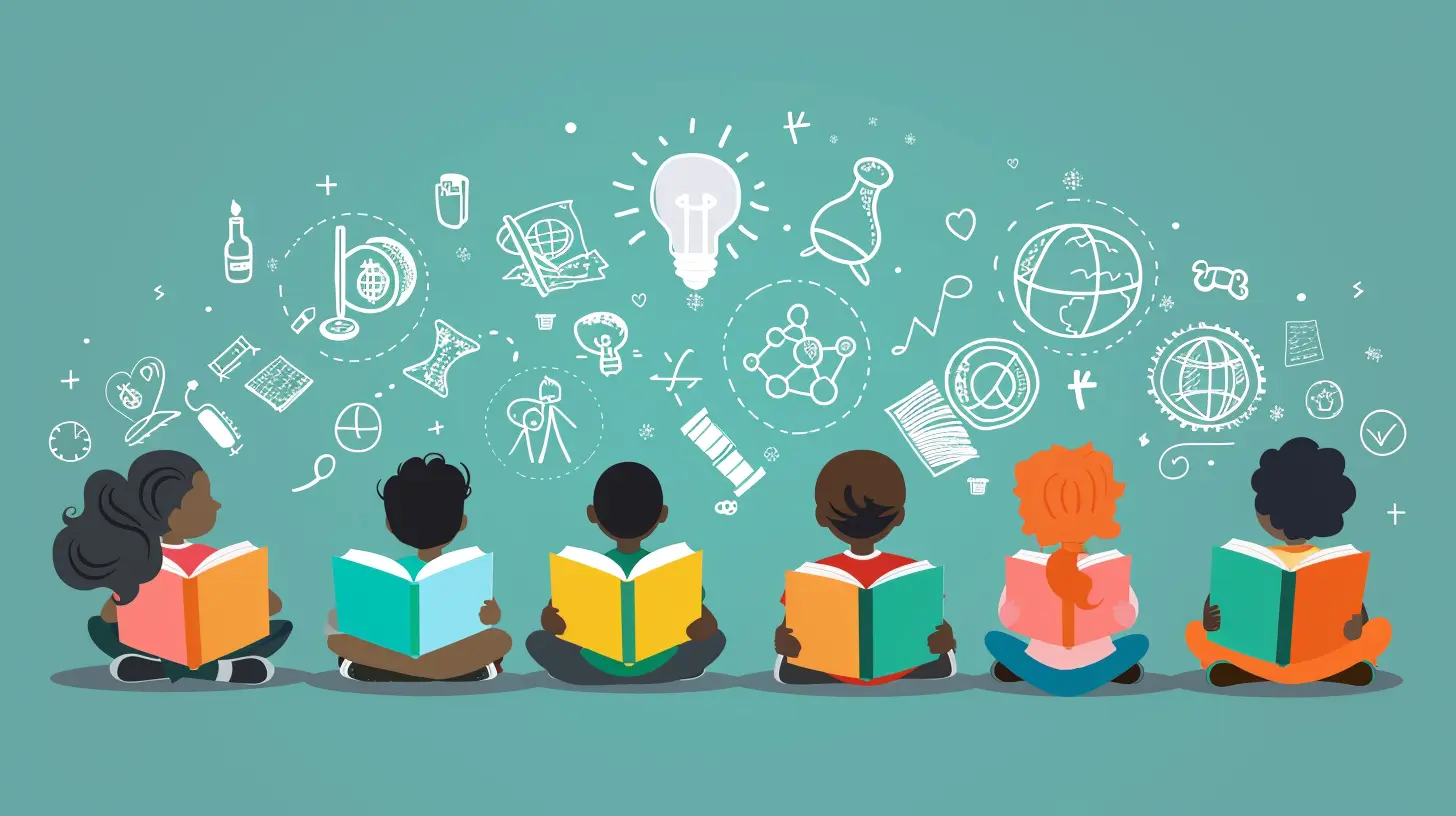
Real Talk: How Peer-Learning Looks in Real Classrooms
Worried peer-learning might be chaotic? Totally understandable. But many classrooms are already rocking it with style—and structure.Think-Pair-Share
This classic activity gets students to think individually, discuss with a partner, then share with the class. It’s simple, effective, and packs a punch.Peer Tutoring
Older students helping younger ones? Or stronger students mentoring those who need a nudge? That’s textbook peer-learning, and it benefits both sides big time.Group Projects (Done Right)
We know, we know. Group projects can sometimes feel like one person doing all the work. But with clear roles, expectations, and reflection, they become goldmines for collaboration and deep learning.Jigsaw Method
Break a topic into pieces. Assign each student a piece to master and then "teach" to their group. Like puzzle pieces coming together, the group sees the whole picture only when everyone shares.Online Forums & Peer Feedback
In digital classrooms, students can review each other's essays, comment on posts, or participate in discussion boards. It encourages thoughtful dialogue, even in virtual spaces.What Makes Peer-Learning Work Like a Charm?
Great question! Just tossing students into groups won't cut it. Here are the ingredients for success:? Clear Goals
Students should know what they need to learn and how they’re helping others get there too.? Trust and Respect
The classroom needs to be a judgment-free zone where students feel comfortable making mistakes and asking questions.? Teacher as Facilitator
The teacher still plays an important role—guiding, supporting, and stepping in when needed. Like a GPS, they help students stay on course without driving for them.? Communication Skills
Let’s be real—students don’t automatically know how to give helpful feedback or listen actively. Teaching these soft skills is critical.? Reflection Time
After activities, give students a chance to reflect: What worked? What was tough? What did they learn from their peers? That’s where the growth happens.But Wait—What About the Challenges?
Alright, let’s not sugarcoat it. Peer-learning isn’t all rainbows and high-fives.Some common hurdles include:
- Uneven participation: Some students might coast while others carry the team.
- Misinformation: Peers can pass on the wrong info if nobody's checking.
- Group conflict: Not everyone works well with everyone else. (Shocker, right?)
But the good news? With the right strategies, these challenges can be managed—and even turned into learning opportunities.
Teachers Are Getting Creative With Peer-Learning
From elementary classrooms to college lecture halls, educators are getting crafty with how they integrate peer-learning.Some bring in peer mentors, while others run student-led workshops. Some teachers have even flipped their classrooms completely, letting students run the show (with a bit of supervision, of course).
The possibilities are endless. And the best part? Teachers don’t have to do it all alone. With student ownership comes shared responsibility.
Peer-Learning in the Digital Age
Thanks to technology, peer-learning is thriving beyond the physical classroom.Students can now collaborate on Google Docs, give each other feedback on learning platforms, join group chats, or even create educational TikToks.
Yes, you read that right. TikToks. Modern peer-learning meets Gen Z creativity.
Digital tools make it easy to share ideas, ask questions, and connect with peers around the globe. Who says the classroom has to have four walls anymore?
The Future is Collaborative
We’re living in a world that rewards creativity, adaptability, and teamwork. Peer-learning fosters all of that—and more.As we move away from one-size-fits-all education, peer-learning reminds us that teaching and learning aren’t just jobs for teachers. They’re part of everyone’s journey.
Students learn to become thinkers, communicators, and problem-solvers. They learn to trust themselves and others. And maybe, just maybe, they learn that school isn’t just about getting the right answers—it’s about asking the right questions.
Final Thoughts: Let’s Get Everyone in on the Learning Party
Peer-learning isn’t a fad. It’s a shift. A movement. A classroom evolution.It empowers students, lightens the load for teachers, and makes learning a team sport instead of a solo mission.
So whether you’re a teacher looking to spice things up, a student tired of passive note-taking, or a parent wondering what’s changed since your school days—know this: peer-learning is changing the face of the classroom, one high-five at a time.
And honestly? We’re totally here for it.
all images in this post were generated using AI tools
Category:
Education ReformAuthor:

Anita Harmon
Discussion
rate this article
1 comments
Mae Frank
Peer-learning fosters collaboration and critical thinking, enriching the educational experience. It encourages students to take ownership of their learning while supporting each other effectively.
July 28, 2026 at 3:45 AM
Anita Harmon
Absolutely! Peer learning truly empowers students and enhances their engagement in the learning process. It creates a dynamic classroom environment where collaboration thrives.