Empowering Students to Take a Stand Against Bullying
17 March 2026
Bullying is a harsh reality in many schools worldwide, leaving countless students feeling helpless, isolated, and afraid. But here's the thing—change starts with us. When students take a stand against bullying, they create safer spaces for themselves and their peers. The good news? Every student has the power to make a difference.
So, how can we empower students to put a stop to bullying once and for all? Let’s break it down.
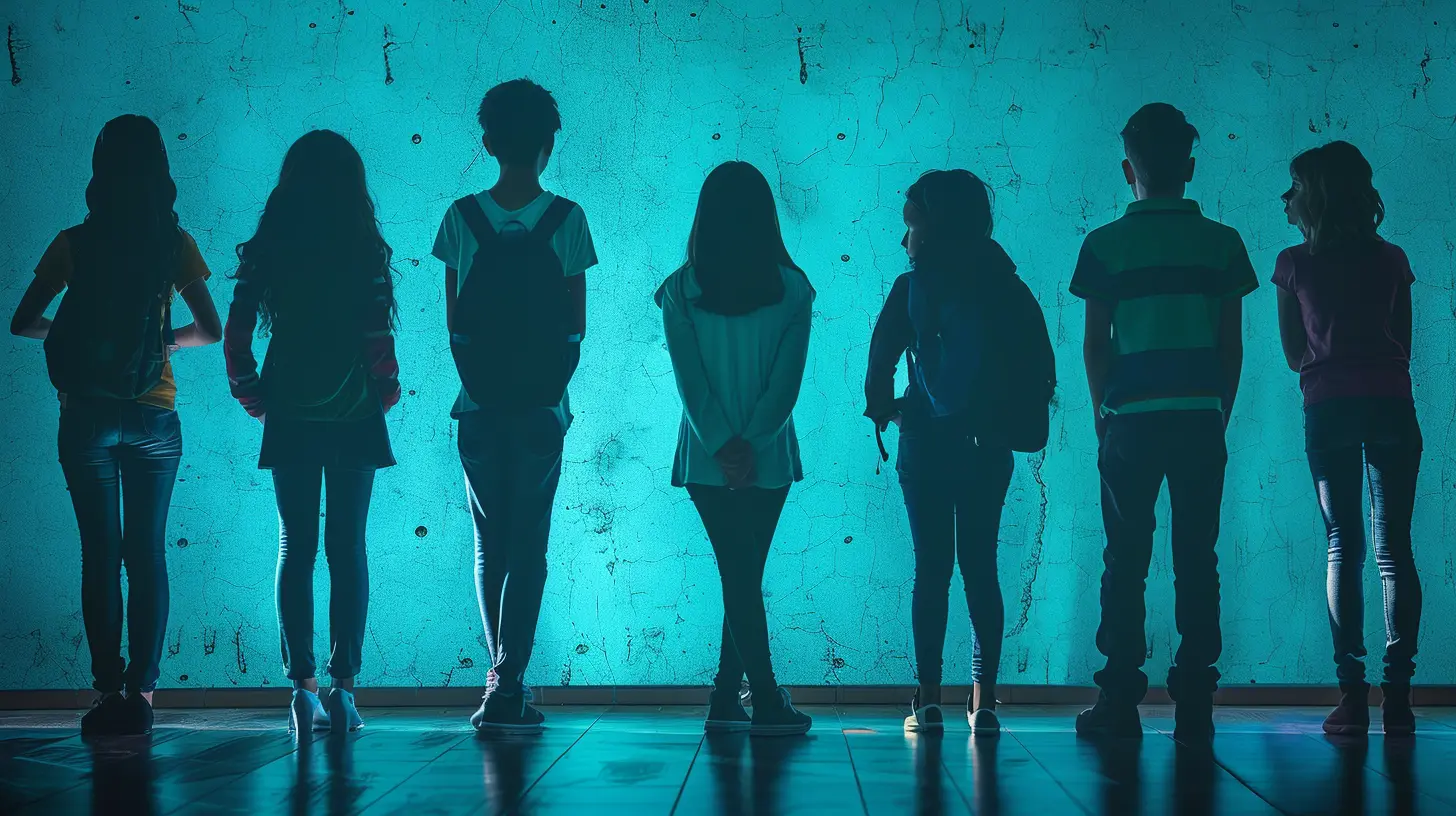
Understanding Bullying: More Than Just "Kids Being Kids"
Bullying isn’t just harmless teasing or a rite of passage. It’s a serious issue that can have long-lasting effects on a person’s mental health, self-esteem, and overall well-being.There are different types of bullying, including:
- Physical Bullying – Hitting, pushing, or damaging belongings.
- Verbal Bullying – Insults, name-calling, and threats.
- Social Bullying – Spreading rumors, excluding others, or embarrassing someone in public.
- Cyberbullying – Using social media, texts, or emails to harass or intimidate.
Recognizing these behaviors is the first step in taking action.
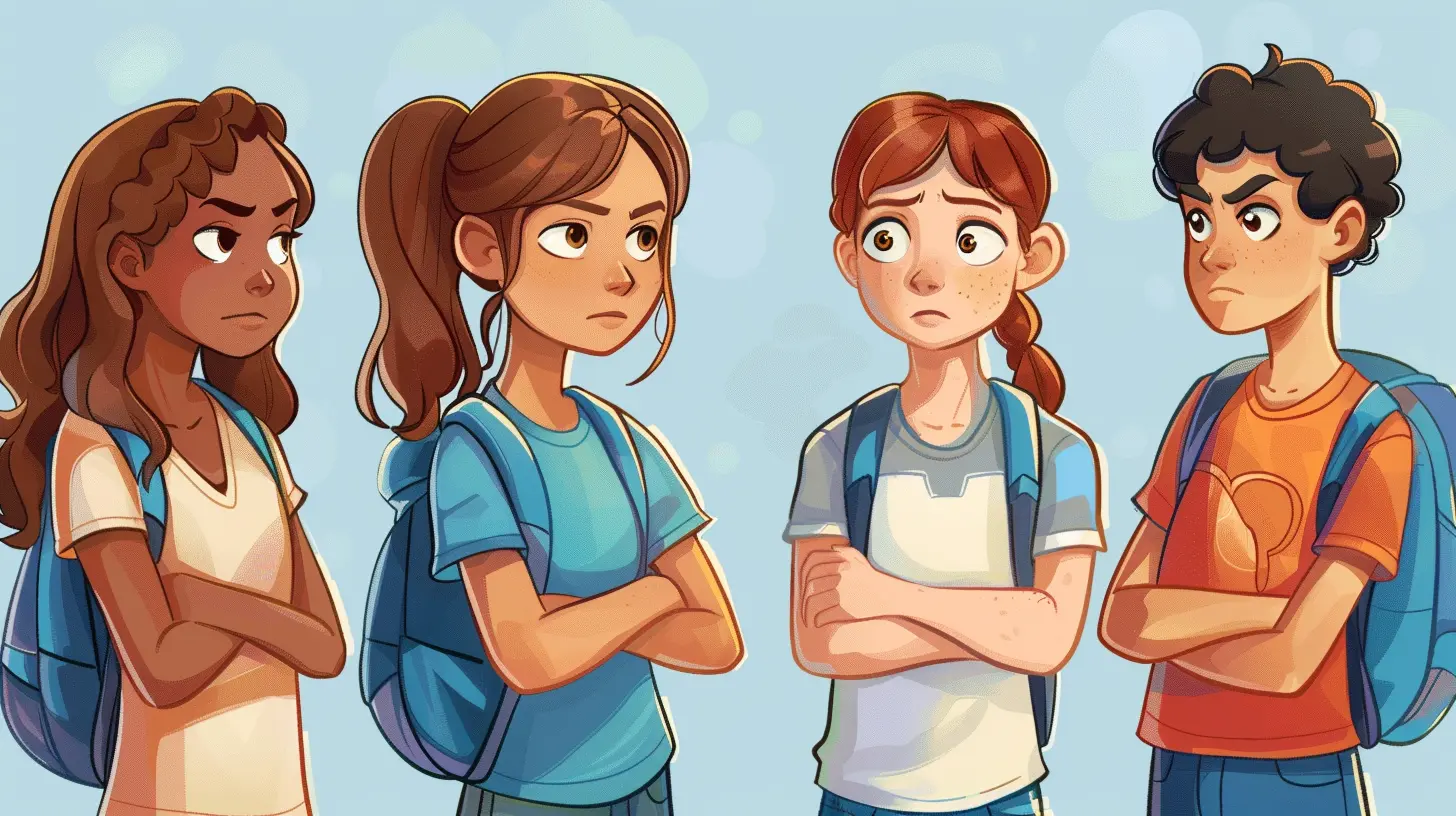
The Power of Speaking Up
One of the strongest tools against bullying is using your voice. Many bullies thrive on silence—when no one calls them out, they continue their harmful behavior. But when students step up and say, “That’s not okay,” it sends a powerful message.Imagine this: A group of students sees a classmate being mocked in the cafeteria. If someone speaks up, it disrupts the cycle. Bullies lose power when their actions are challenged.
Encouraging students to be active bystanders can make all the difference. Instead of watching in silence, they can:
- Support the victim – A kind word or a simple “Are you okay?” can make a world of difference.
- Confront the bully (safely) – If it’s safe, saying “That’s not funny” or “Leave them alone” can stop the situation.
- Report it – Telling a teacher, counselor, or another trusted adult can prevent future incidents.
Building a Culture of Kindness and Inclusion
Schools should feel like safe havens, not battlegrounds. Creating a culture that values kindness over cruelty is essential. But how do we build that?1. Encouraging Empathy
Many bullies act out because they don’t understand the pain they cause. Teaching empathy through open discussions, role-playing scenarios, or literature can help students put themselves in others’ shoes.2. Promoting Positive Friendships
When students form strong, supportive friendships, they’re less likely to be isolated and targeted by bullies. Schools can encourage this by organizing group activities, mentorship programs, or buddy systems.3. Zero-Tolerance Policies
Schools need firm policies against bullying, backed with real consequences. But policies alone aren’t enough—students need to believe that reports will be taken seriously and acted upon.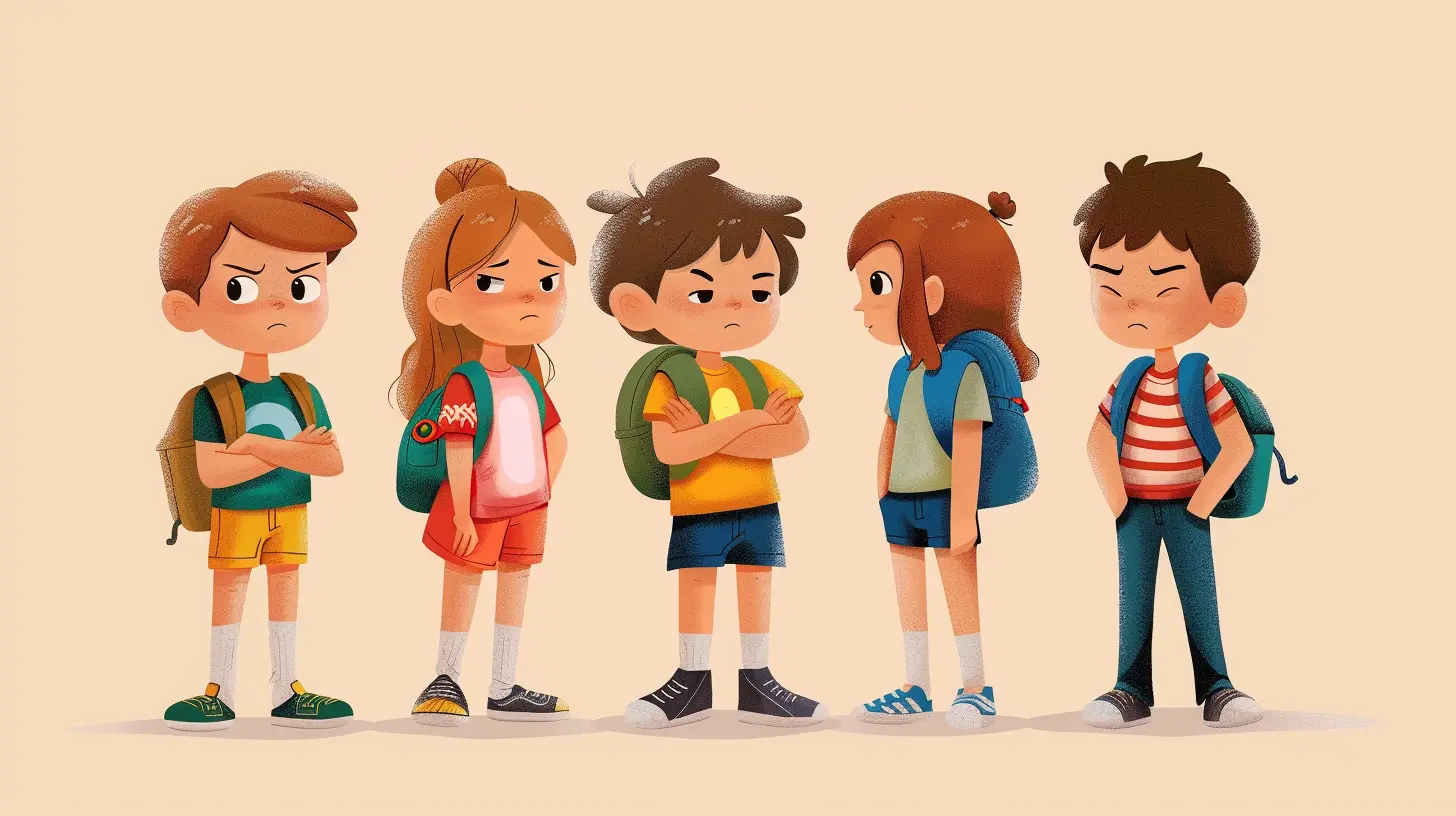
The Role of Teachers and Parents
Teachers and parents are the backbone of anti-bullying efforts. Their involvement can either reinforce or weaken a student’s ability to stand up against harassment.Teachers: More Than Just Educators
Teachers spend hours with students every day, meaning they witness behaviors that parents might not see. Here’s how they can help:- Create a Safe Classroom Environment – Establish classroom rules that promote respect and kindness.
- Recognize Warning Signs – If a student’s behavior suddenly changes (withdraws, avoids school, or seems anxious), bullying might be the cause.
- Model Respectful Behavior – Teachers should lead by example, showing students how to resolve conflicts without aggression.
Parents: The First Line of Defense
Parents play a crucial role in shaping their child’s responses to bullying. Some ways they can help include:- Keeping Open Communication – Kids should feel comfortable discussing their school experiences without fear of judgment or punishment.
- Teaching Assertiveness – Not all kids feel confident speaking up, so teaching them simple yet firm responses like “Please stop” can be empowering.
- Monitoring Online Activity – Many students experience cyberbullying without telling their parents. Staying involved in their digital lives can prevent serious harm.
Social Media: A Tool for Good or a Platform for Bullying?
There’s no denying it—social media plays a massive role in many students’ lives. Sadly, it’s also a breeding ground for bullying. But instead of letting it become a weapon, why not use it for positive change?How Students Can Promote Positivity Online
- Call Out Negative Behavior – If you see someone getting cyberbullied, don’t just scroll past it. A supportive comment or reporting the post can make a difference.- Create a Supportive Online Community – Sharing positive messages, uplifting content, and standing up for others can help drown out the negativity.
- Block and Report Bullies – When all else fails, blocking and reporting can help stop the harassment before it escalates.
Real Stories: The Impact of Standing Up
History shows that one voice can start a movement. From students forming anti-bullying clubs to individuals using their experiences to educate others, taking a stand creates ripples that spread far and wide.Take, for example, a student who was bullied for years but decided to turn their pain into action. They started a support group, giving others a place to speak freely. Their bravery inspired their school to enforce stricter anti-bullying policies.
That’s the power of standing up.
Final Thoughts: Every Action Counts
Bullying won’t disappear overnight, but that doesn’t mean students are powerless. Every action—whether it’s speaking up, supporting a friend, or simply choosing kindness—brings us one step closer to a world where bullying is no longer tolerated.If you’re a student, remember this: Your voice matters. Your actions matter. YOU matter. Stand up, be kind, and make a difference.
all images in this post were generated using AI tools
Category:
Bullying PreventionAuthor:

Anita Harmon
Discussion
rate this article
2 comments
Adrian McCool
Empowering students is crucial; their voices can end bullying effectively.
March 27, 2026 at 12:56 PM
Anita Harmon
Absolutely, giving students a voice is key. When they feel empowered, they can make a real difference in combating bullying.
Dior McElhinney
Love this empowering message! Together, we can create a kinder world. Let’s equip our students with the courage to stand up and make a difference!
March 18, 2026 at 4:12 AM
Anita Harmon
Thank you! Together, we can inspire our students to be brave advocates for kindness and change.