Digital Citizenship Education: Stopping Cyberbullying Before It Starts
27 August 2026
Let’s face it—living in the digital age is awesome. We can chat with friends across the world, learn basically anything with a quick search, and post as many selfies as our hearts desire. But with great power (aka internet access) comes great responsibility. That’s where digital citizenship education swoops in like a superhero with a Wi-Fi cape.
And one of the most important missions this superhero tackles? Stopping cyberbullying before it even starts.
What is Digital Citizenship Anyway?
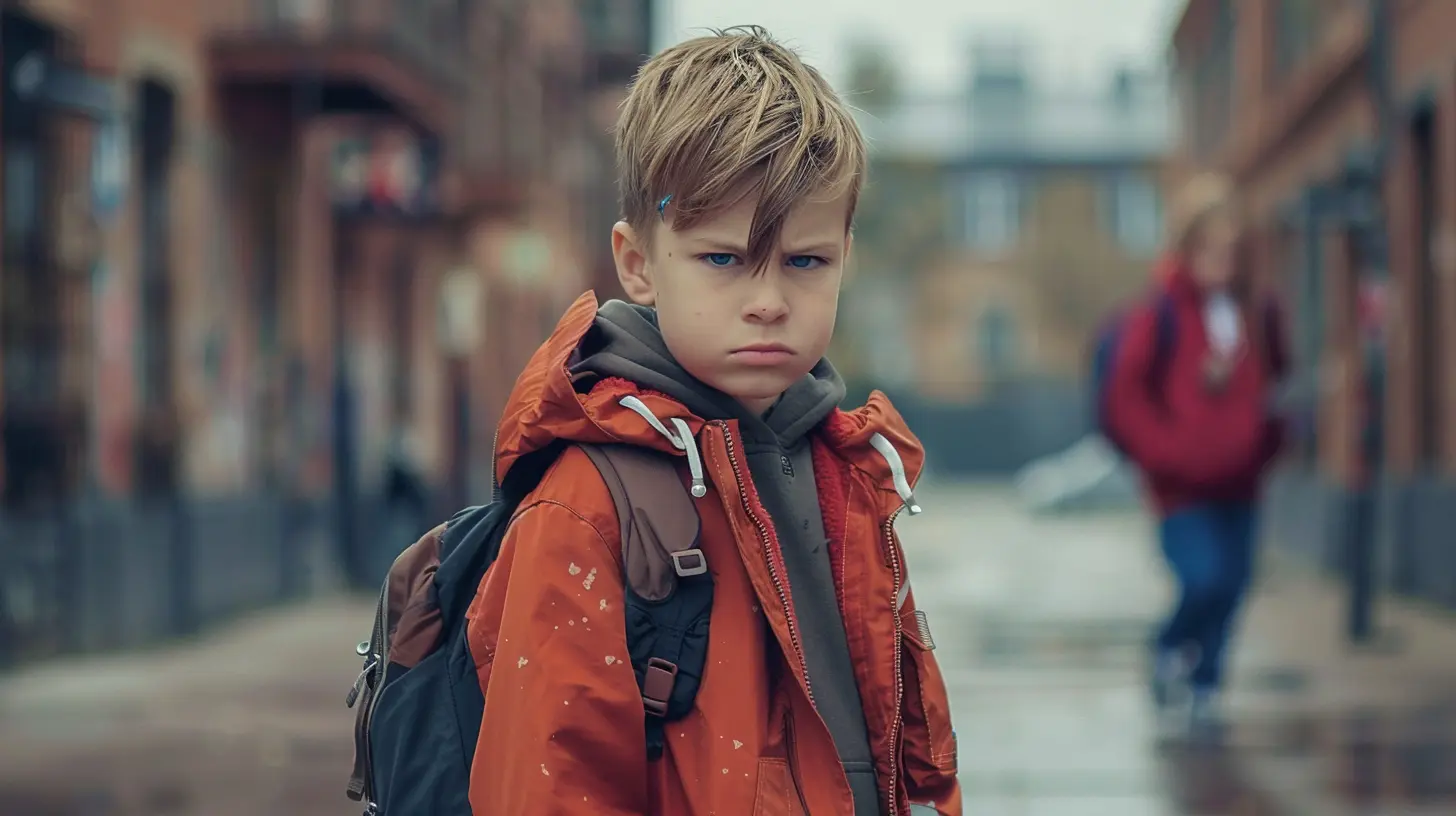
Alright, let’s break it down. Digital citizenship is all about how we behave online. It’s making smart, respectful, and ethical choices while scrolling, clicking, and commenting. Basically, it’s about not being a jerk online.Think of digital citizenship as the online version of being a good citizen in your community. You wouldn’t throw trash on your neighbor’s lawn or yell at strangers on the street, right? The same rules apply when you're online—it’s just that instead of neighbors, you’ve got a whole planet watching.

Why Talk About Cyberbullying?
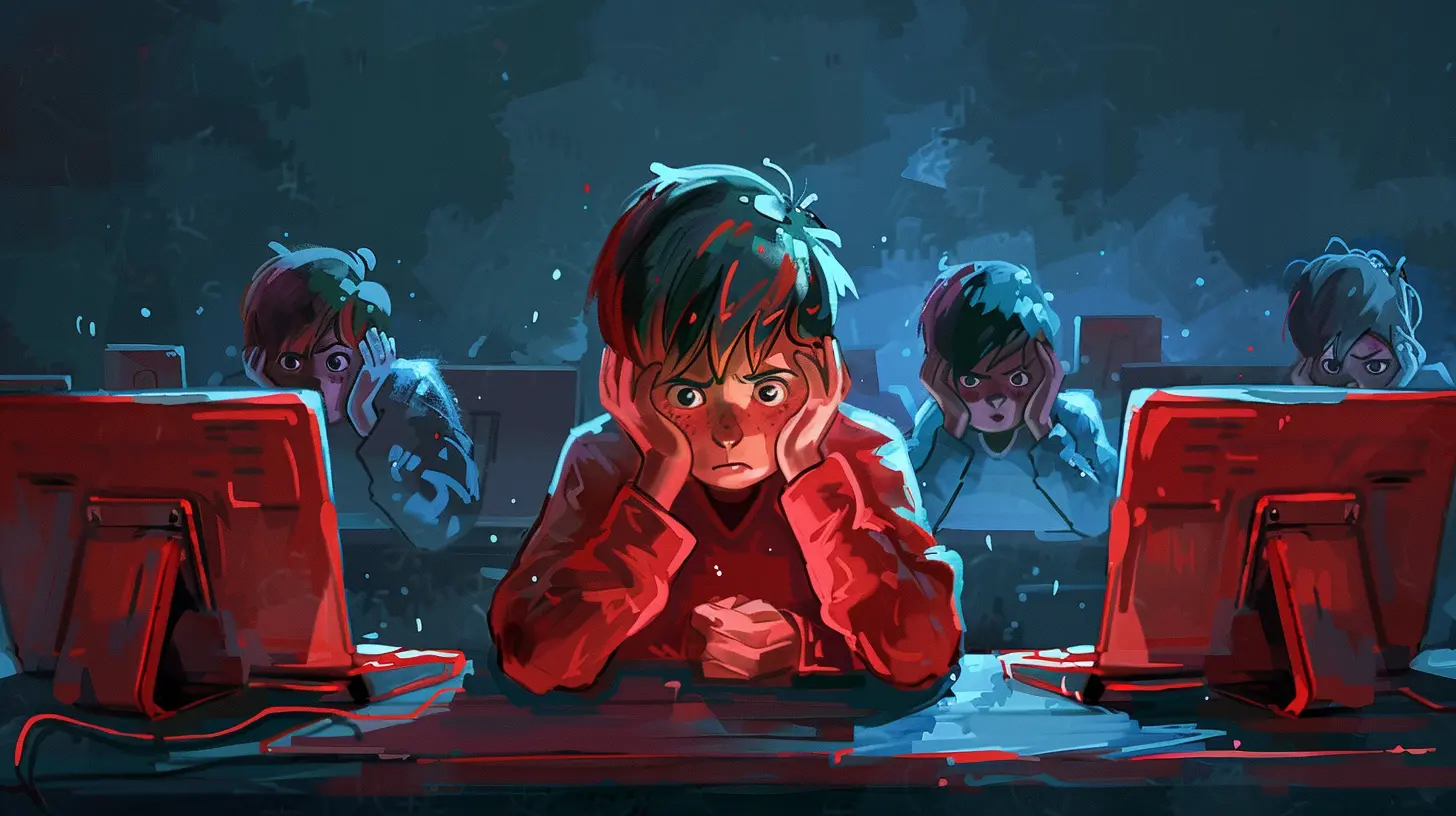
Unfortunately, not everyone follows those digital golden rules. Cyberbullying has become a huge problem. With smartphones glued to hands 24/7, kids (and adults, let’s be honest) are more connected than ever—but that also means more opportunities for hurtful comments, nasty messages, and social media pile-ons.And here's the kicker—cyberbullying can be even more intense than old-school bullying. There’s no escape when your phone lights up with mean comments at dinner or your social profile turns into a battleground. It follows you home, to school, and back again.
It’s not just “kids being kids.” It’s serious. And it’s something we can actually do something about.
The Digital Citizenship Solution
So how do we stop this digital drama before it begins? The answer lies in education—specifically, digital citizenship education. It's like giving students an internet user manual—only way cooler and way more important.By teaching kids (and let’s be real, plenty of adults could use a refresher too) how to be responsible, respectful, and kind online, we lay the groundwork for healthier digital spaces.
Let’s take a closer look at how this can work.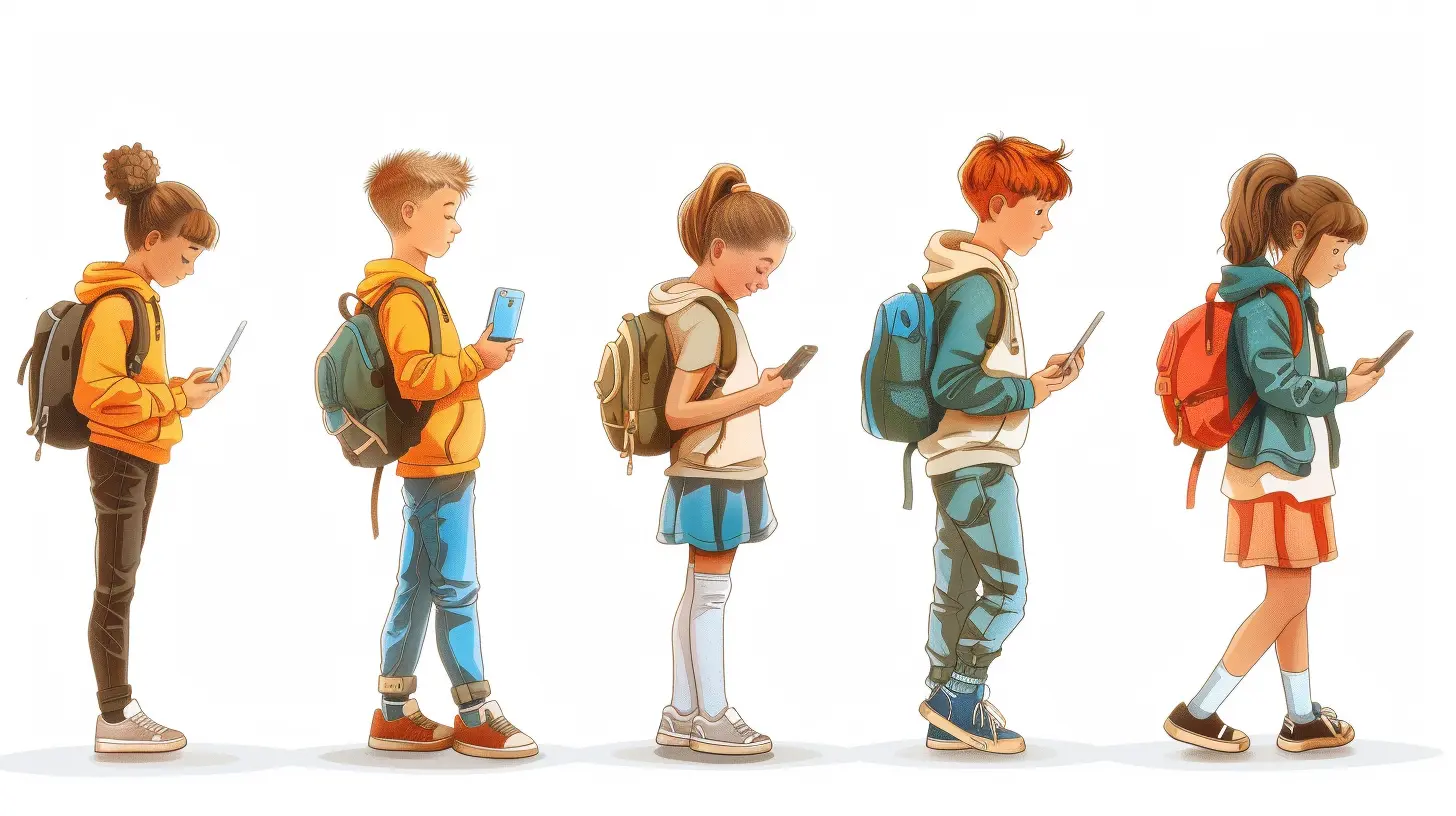
Early Education = Early Prevention
You don’t wait until someone’s 18 to teach them how to cross the street safely. Same goes for navigating online spaces. Introducing digital citizenship early is key to helping students build strong digital habits before bad ones take root.Start With the Basics
We can (and should!) start teaching kids as young as kindergarten about:- Online safety
- Password protection
- Stranger danger (yes, even on Minecraft)
- How words can hurt—even when typed on a screen
Simple lessons like, “If you wouldn’t say it to someone’s face, don’t type it in a text,” can go a long way.
The Power of Empathy
Empathy is the secret sauce of digital citizenship. When kids understand how their messages make others feel, they’re more likely to pause before hitting “send” on something nasty.Role-playing, storytelling, and discussions can help young minds crawl inside someone else’s skin—even through a screen. That builds awareness, compassion, and a whole lot less cyberbullying.
What Schools Can Do
Schools are already doing a ton, but incorporating digital citizenship education as a regular part of the curriculum can make a massive difference.Embed It Across Subjects
Digital citizenship doesn’t have to be a standalone class (though that would be awesome). It can be woven into lessons on language arts, social studies, and even science.Imagine a group project about climate change that also includes rules on how to collaborate respectfully in a shared Google Doc. Boom—teamwork and digital ethics at once!
Use Real-Life Scenarios
Let’s be honest, nothing sticks like a good story. Schools should use real, age-appropriate scenarios to show the impact of cyberbullying. Think case studies, videos, or even reenactments (drama class, anyone?).Students might giggle during a role-play scenario where someone spams the group chat with mean memes—but they’re learning, and that’s what counts.
Teaching the 9 Elements of Digital Citizenship
Did you know there are actually nine core elements of digital citizenship? Sounds fancy, right? They’re like the Avengers of the online world. Each one plays a role in stopping cyberbullying and promoting positive behavior.Here’s the quick breakdown:
1. Digital Access – Equal opportunity for all in the digital world.
2. Digital Commerce – Understanding how to buy/sell safely online.
3. Digital Communication – How we interact through tech.
4. Digital Literacy – Knowing how to use and evaluate digital tools/information.
5. Digital Etiquette – Practicing good manners online (don’t be rude, dude).
6. Digital Law – Understanding rights and responsibilities.
7. Digital Rights and Responsibilities – Respecting others while expressing yourself.
8. Digital Health and Wellness – Managing digital habits for mental and physical health.
9. Digital Security – Protecting personal info like a digital ninja.
When students learn these principles, they’re better equipped to handle tricky situations and stand up against cyberbullies.
Parents, We Didn’t Forget About You
Parents play a gigantic role in this whole equation, too. After all, most kids don’t learn social media skills in math class. They learn by watching how the adults around them interact with their devices.So, what can parents do?
Keep the Conversation Going
Talk to your kids about what they’re doing online. Ask them who they’re chatting with, what games they’re playing, and how they’d react if they saw someone being bullied online.These casual check-ins matter. They show your child that you’re interested, that you care, and that you’re a safe space if something ever goes wrong.
Be a Role Model
Your kids notice when you blow up in a Facebook comment war. Yep, they’re watching. If you want them to be kind online, show them how it’s done.No one’s perfect, but modeling good digital behavior makes a difference. Share uplifting posts, support friends online, and take a break from tech when you need it. (Yes, even parents have screen time limits!)
Tech Can Help (Yes, Really)
Let’s be super real: technology isn’t the enemy. In fact, it can be a huge ally in stopping cyberbullying and promoting digital citizenship.Monitoring Tools (Without Snooping)
There are tons of apps out there that help parents and schools keep an eye on what's going down online without invading privacy. These tools can flag inappropriate content, detect problematic patterns, and even provide conversation starters when issues arise.Reporting Features
Most social platforms have reporting tools—but students don’t always know how to use them (or even that they exist). Teaching kids how to report abuse is like handing them a digital shield. It’s empowering and it works.Empowering the Bystanders
Not everyone will be the victim or the bully. Most students? They’re the bystanders. That silent majority has way more power than they realize.When we teach students how to speak up, report abuse, or simply offer kind words to someone targeted, we create a culture of kindness. Why let bullies have all the say when we can amplify the voices of upstanders?
The Future of Digital Citizenship Education
The digital world isn’t slowing down. In fact, it’s speeding up like a rocket-powered rollercoaster. That means digital citizenship education has to keep evolving too.More schools are creating dedicated programs. More educators are getting trained. More parents are joining the conversation. And best of all? More students are becoming digital leaders.
Imagine a world where instead of viral cyberbullying stories, we’re sharing stories of students building each other up, using tech to solve problems, and leading the way to a better online future.
Sounds pretty great, doesn’t it?
Final Thoughts: Be the Kindness You Want to Scroll
Digital citizenship education is our best bet for stopping cyberbullying before it even starts. It’s not about pointing fingers or handing out punishments—it’s about building a better, kinder internet for everyone.So whether you’re a student, a teacher, a parent, or just someone with a TikTok account and a dream, remember this: You’ve got the power to make the digital world a better place.
Start with kindness. Lead by example. And always pause before you post.
Because your words can either tear someone down… or lift them up like a cat video on a bad day.
all images in this post were generated using AI tools
Category:
Bullying PreventionAuthor:

Anita Harmon
Discussion
rate this article
2 comments
Maribel Baxter
Empowering students is key to preventing cyberbullying.
September 27, 2026 at 1:29 AM
Faryn McKeever
This article nails it! Teaching digital citizenship early can really empower kids to create a kinder online world. We all need to step up and guide the next generation away from cyberbullying... it's a team effort!
August 28, 2026 at 4:30 AM
Anita Harmon
Thanks for your feedback! I completely agree-early education in digital citizenship is crucial for fostering a positive online environment. Let's keep the conversation going.