Cultivating Compassion: How Teachers Can Reduce Bullying
6 April 2026
Bullying is a word we’ve all heard far too many times. Whether you were the target, the witness, or even the one engaging in it during your younger years, bullying leaves a mark. Unfortunately, it still shows up in classrooms, hallways, cafeterias, and online spaces — often in subtle, insidious forms. But what if I told you that teachers have the power to break the cycle?
That’s right — educators aren't just there to teach algebra or grammar; they’re also role models, emotional guides, and, believe it or not, some of the most powerful agents for change when it comes to bullying.
In this article, we’re diving deep into how educators can take control and foster compassion in their classrooms to reduce bullying — for good.
Why Compassion Is the Antidote to Bullying
Let’s start with the basics. Bullying stems from a lack of empathy — plain and simple. When students don’t consider how others feel, they’re more likely to tease, isolate, or harm them. This is where compassion enters the picture.Compassion, unlike passive kindness, is all about empathy in action. It’s feeling for someone and then doing something about it. Teaching students how to be compassionate helps create a classroom culture where bullying simply doesn’t fit.
And here’s the best part — compassion can be cultivated like any other skill. Teachers just need the right tools and mindset.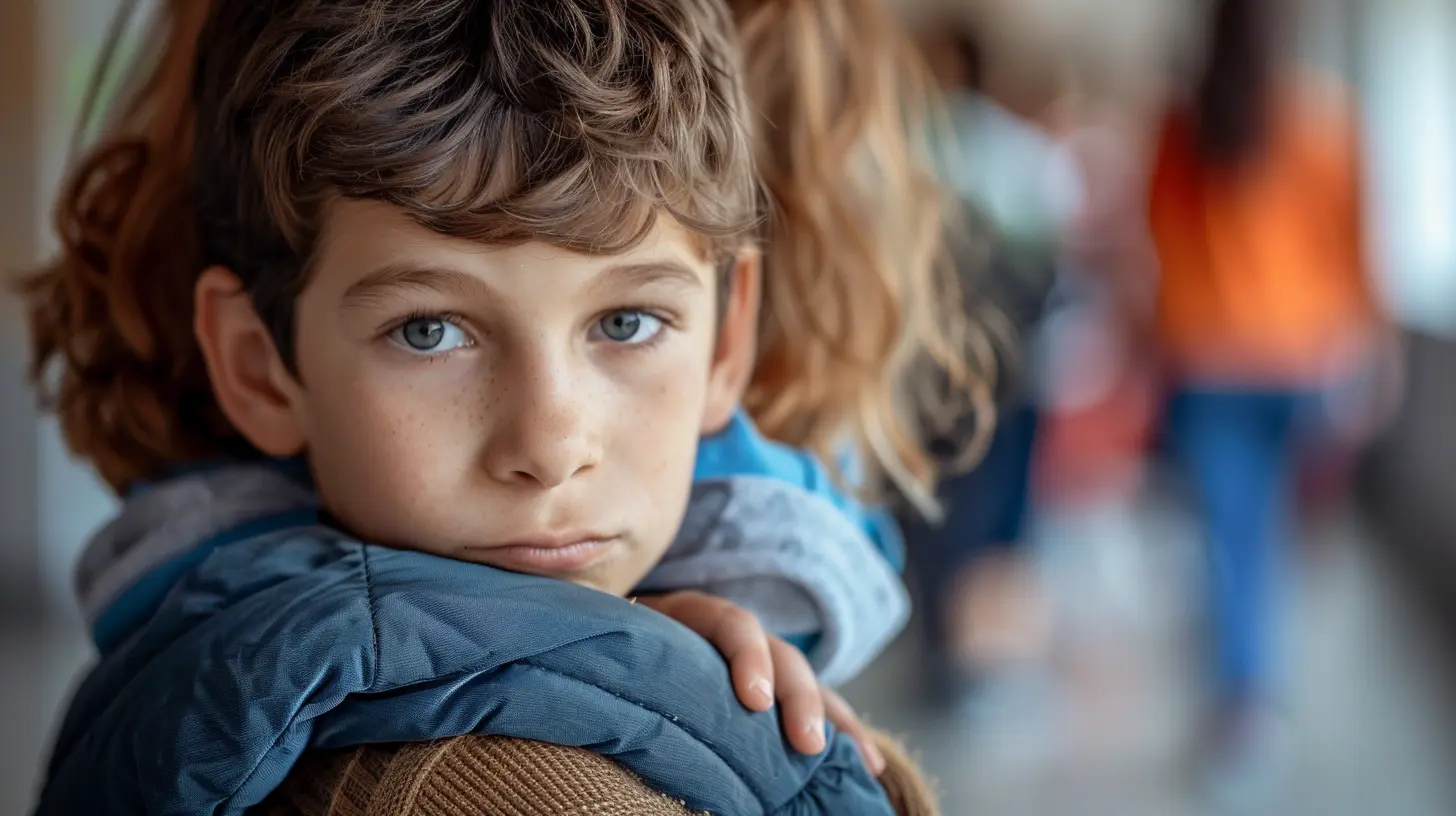
The Teacher’s Role: More Than Just an Educator
Let’s be honest — teachers wear a thousand hats. From grading papers to managing behaviors to comforting a crying student — it’s a full-time emotional job. But when it comes to bullying, their role is even more impactful.Teachers are observers. They're often the first to notice when something seems off — a quiet student, a whispered insult, a shift in group dynamics. Ignoring these signs lets bullying flourish. Acting on them? That’s where change begins.
Even better, teachers set the tone. The way they treat students, talk about others, or respond to mistakes speaks volumes. If they lead with compassion, students are more likely to follow suit.
Step 1: Build a Classroom Culture of Empathy
You can’t stop bullying without creating an environment that naturally rejects it. And that starts with classroom culture.Make Respect Non-Negotiable
Students need boundaries. Make it crystal clear that teasing, name-calling, and exclusion aren’t okay — not once, not ever. Say it, model it, and reinforce it. Often.Use “Circle Time” to Build Bonds
Weekly or bi-weekly class circles where students share something about themselves (a recent achievement, something they’re grateful for, or even just how they’re feeling) help humanize each other. When students see their classmates as people with feelings, bullying becomes harder.Highlight Kindness Publicly
Catch students when they’re doing something kind — holding the door open, helping someone with a tough question, inviting others to join in. Celebrate it. Make kindness cool.
Step 2: Teach Social-Emotional Learning (SEL)
Social-emotional learning (SEL) is like gym class for the heart and mind. And if you’re not already incorporating it into your lessons, it’s time to start.What Is SEL, Anyway?
SEL is all about teaching kids to recognize their emotions, manage them, show empathy, build relationships, and make responsible decisions. Think of it as giving kids the tools to deal with life — not just school.How SEL Fights Bullying
A student who understands how their words can hurt someone else is less likely to use them as weapons. SEL helps students pause, reflect, and choose compassion over cruelty. Pretty powerful, right?Incorporate mini SEL lessons into your weekly plan. Use real-life scenarios, books, role-playing, or group discussions. It doesn’t have to be fancy — just consistent.
Step 3: Be an Aggressive Listener (Yes, You Read That Right)
When students feel heard, they feel safe. And safety is the arch-nemesis of bullying.Actively Listen Without Judgment
If a student comes to you about being bullied, take them seriously — always. Even if it seems minor to you, it probably feels huge to them. Don’t interrupt, don’t assume, and don’t dismiss.Ask the Right Questions
Instead of “What happened?” try “How did that make you feel?” or “What would help you feel better?” Feelings first, facts second.Students remember how you react. Show them their voice matters.
Step 4: Be Proactive, Not Just Reactive
Many schools wait until bullying becomes a wildfire before doing something. But why wait when we can prevent the sparks?Teach Conflict Resolution
Disagreements don’t have to lead to bullying. Equip students with tools to handle conflicts early — using “I” statements, taking deep breaths, or seeking adult help.Practice Role-Playing
Even older students benefit from acting out tough scenarios. What would you do if a friend made fun of someone else? What if you saw someone sitting alone at lunch? Practicing these situations makes real-life decisions easier.Involve Students in Solutions
Create student-led kindness projects, peer mediation groups, or even classroom agreements crafted by the students themselves. When they buy into the solution, they own the culture.Step 5: Address the Bullies with Compassion Too
Okay, this is where it gets tough — but hang with me.Bullies aren’t born. They’re often reacting to things they can’t control: trouble at home, insecurity, trauma, or peer pressure.
Don’t Demonize — Understand
Calling someone a “bully” just labels the behavior. It doesn't help them grow. Instead, focus on the “why.” What’s driving their actions? How can they do better?Discipline with Dignity
Sure, there should be consequences. But punishment without guidance often fuels more anger. Use restorative practices — like guided apologies, reflection essays, or community service — to help bullies make amends.By holding students accountable with empathy, we help them change — not just hide their behavior better.
Step 6: Build Bridges with Parents
Reducing bullying isn’t just a school job — it’s a team effort. That means bringing parents into the fold.Communicate Early and Often
If you see bullying behaviors or notice a student struggling, loop in the parents immediately. Don’t wait. Don’t sugarcoat. Be honest — and always offer solutions.Offer Resources
Some parents don’t know how to talk to their kids about bullying. Share articles, local workshops, or even role-play tips they can use at home.Build Trust
When parents trust that you care about their child’s emotional well-being, they’re far more likely to support your efforts.Step 7: Foster Inclusion and Celebrate Differences
Diversity isn’t just about race. It includes learning styles, personalities, abilities, languages, beliefs, and more. Bullies often target what they don’t understand — so let’s close that gap.Use Inclusive Materials
Choose books, lessons, and visuals that reflect a wide range of cultures, abilities, and perspectives. Let every student feel seen.Celebrate “Difference Days”
Hold special days where students can share their cultural backgrounds, traditions, or personal stories. These events don’t just teach — they connect.Set Inclusive Norms
In group work, seating, or contests — make sure no one is left out. Inclusion should be part of the classroom DNA.Step 8: Take Care of Yourself, Too
Let’s be real — combating bullying is emotionally exhausting. You’re juggling 100 things at once, and sometimes your own compassion tank runs low.Set Boundaries
It’s okay to step back and recharge. You can’t pour from an empty cup.Lean on Your Team
Talk with fellow teachers. Share strategies. Vent. Laugh. Cry. You’re not alone in this fight.Keep Learning
Attend workshops, read new books, try new programs. The more empowered you feel, the more effective you'll be.Final Thoughts: Compassion Is Contagious
Here’s the truth — compassion isn’t a miracle fix. It doesn’t zap bullying out of existence overnight. But it does plant seeds. Seeds that grow into stronger relationships, safer spaces, and better humans.Teachers, you are the gardeners. You water those seeds daily — with your words, your patience, your example. Don’t underestimate the ripple effect you create just by showing students how to treat others with care and dignity.
So, the next time you see bullying raise its ugly head, remember: you’re not powerless. You’re the guide, the protector, the changemaker. And with a little compassion, you might just change someone’s life.
all images in this post were generated using AI tools
Category:
Bullying PreventionAuthor:

Anita Harmon
Discussion
rate this article
2 comments
Vanessa Estes
Teaching compassion is like planting seeds in a classroom garden – with a little patience and care, we can grow a culture where kindness flourishes and bullying is just a bad memory, like last week's cafeteria mystery meat!
April 16, 2026 at 11:11 AM
Anita Harmon
Absolutely! Just like nurturing a garden, fostering compassion in the classroom helps create a supportive environment where kindness thrives and bullying fades away.
Kalani Henderson
Fostering compassion in classrooms not only curbs bullying but cultivates a culture of empathy that enriches learning.
April 8, 2026 at 2:59 AM
Anita Harmon
Thank you for your insight! Fostering compassion is indeed essential for creating a positive learning environment and reducing bullying.