The Future of Culturally Responsive Teaching by 2027
16 May 2026
So, you want to know what culturally responsive teaching (CRT) looks like in the year 2027? Buckle up, buttercup. Because if the last few years have taught us anything, it's that the education system loves a good buzzword-almost as much as it loves slapping a fresh coat of paint on a leaky roof and calling it a renovation. By 2027, CRT won't just be a pedagogical approach; it will be a full-blown brand, complete with AI-generated lesson plans, mandatory diversity dashboards, and probably a TikTok dance for every historical figure we finally decide to mention.
I'm not here to sell you a utopia. I'm here to serve you the truth, served with a side of eye-rolls and a dash of hope. Let's dive into the glorious, messy, and occasionally ridiculous future of teaching that actually sees students as whole humans.

The Great Culture Swap: When 2025 Met 2027
Let's rewind to 2020, when the world collectively realized that maybe, just maybe, ignoring the lived experiences of Black, Brown, Indigenous, and queer students wasn't a great strategy. Suddenly, every school district had a "DEI initiative." Books got banned in one state and celebrated in another. Teachers were told to "decolonize their curriculum" while still being forced to administer standardized tests written by a corporation in Ohio.Fast forward to 2025, and we saw the rise of what I call "Performative CRT Lite." You know the drill: a school posts a black square on Instagram, hires a consultant for a one-hour Zoom workshop, and calls it a day. But by 2027? The game changes. Why? Because the kids are no longer buying it. Gen Alpha, the kids born after 2010, are the most diverse generation in history. They have zero patience for tokenism. They smell inauthenticity like a shark smells blood. So, schools are being dragged-kicking and screaming-into actual, substantive change.
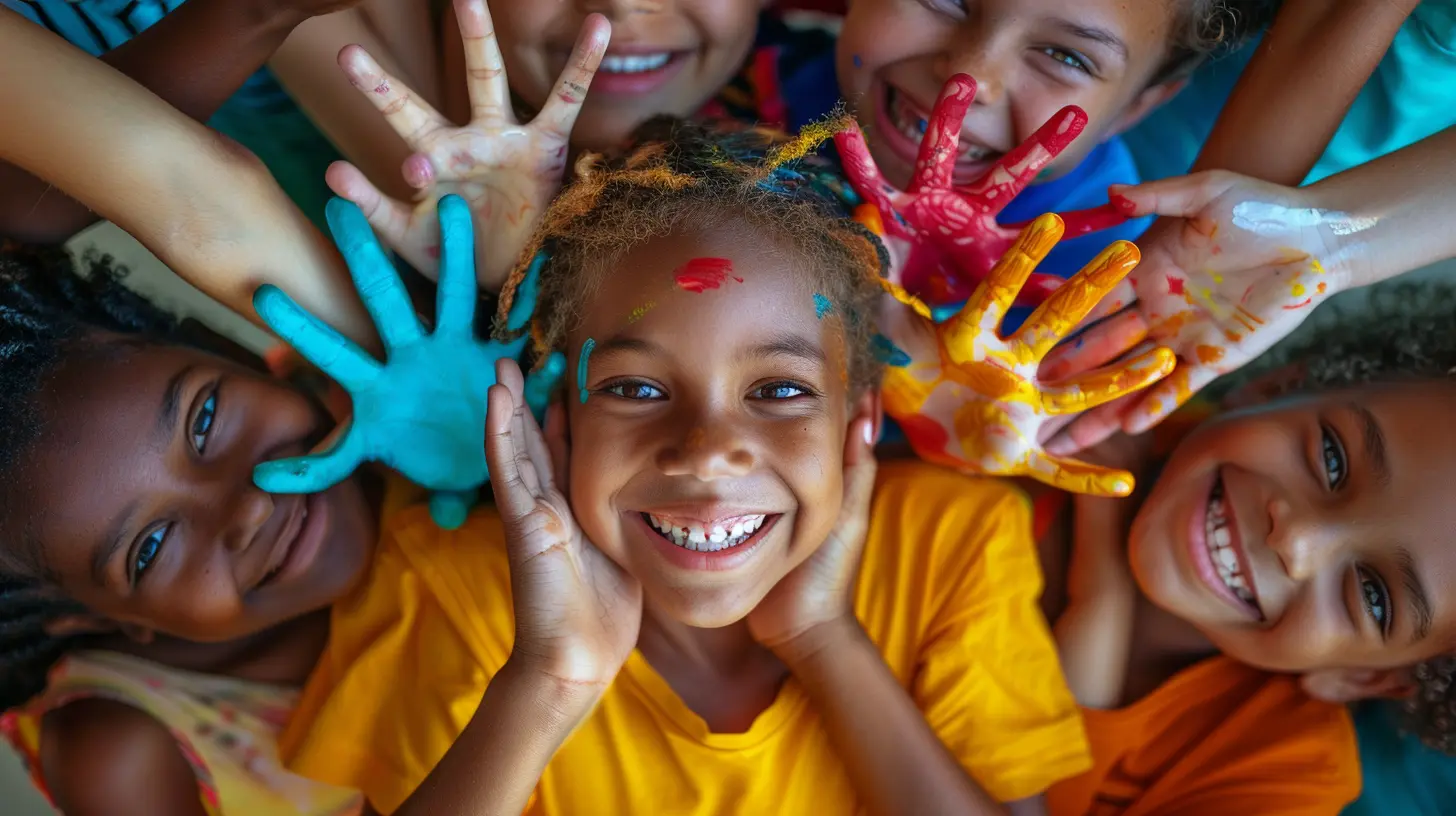
The 2027 Classroom: A Snapshot
Picture this: It's a Tuesday morning in September 2027. Ms. Rodriguez, a 10th-grade history teacher in Austin, Texas, starts her class by asking students to pull up their "Cultural Identity Canvas" on their school-issued tablets. This isn't a worksheet about "your favorite holiday." It's a living document that students update weekly, tracking how their identities intersect with the curriculum.Today, they're studying the Industrial Revolution. But instead of reading a dry textbook that mentions only white factory owners, Ms. Rodriguez uses an AI tool that generates primary sources from Chinese railroad workers, Black sharecroppers, and Indigenous activists. The AI-trained on a massive dataset of historically marginalized voices-even suggests discussion prompts based on each student's own background. It's not perfect. Sometimes the AI suggests a connection that feels forced, like when it told a student from a military family to compare their dad's deployment to the Cherokee Trail of Tears. Oof.
But here's the kicker: The students are allowed to push back. They can flag the AI's suggestion with a simple emoji reaction. And if enough students flag it, the teacher gets a notification. This is not about "canceling" the curriculum. It's about saying, "Hey, that metaphor doesn't land." By 2027, culturally responsive teaching is less about a fixed set of facts and more about a dynamic, messy conversation. And that's exactly how it should be.

The Tech Paradox: AI as the New Culturally Clueless Colleague
Let's talk about the elephant in the classroom: technology. By 2027, every teacher will have an AI assistant. Some will be decent. Most will be terrible. Here's the sarcastic truth: We are going to spend billions of dollars developing "culturally responsive AI" that will still recommend a lesson on Cinco de Mayo that involves sombreros and piñatas.But wait-there's hope. The best tech won't be the shiny gadgets. It will be the simple tools that amplify student voice. Imagine a platform where students can anonymously submit "cultural blind spots" in the lesson. Or a tool that helps teachers rewrite a math problem so it references local food trucks instead of generic apples and oranges. By 2027, the most culturally responsive tech will be the stuff that gets out of the way and lets students lead.
But let's not kid ourselves. The same school board that bans books about LGBTQ+ families will also ban the AI that suggests teaching about Stonewall. The culture wars are not disappearing by 2027. They're just getting more sophisticated. The question is: Will we use tech to amplify marginalized voices, or will we use it to algorithmically sanitize the curriculum? I'm betting on a little bit of both, which is the most American outcome possible.
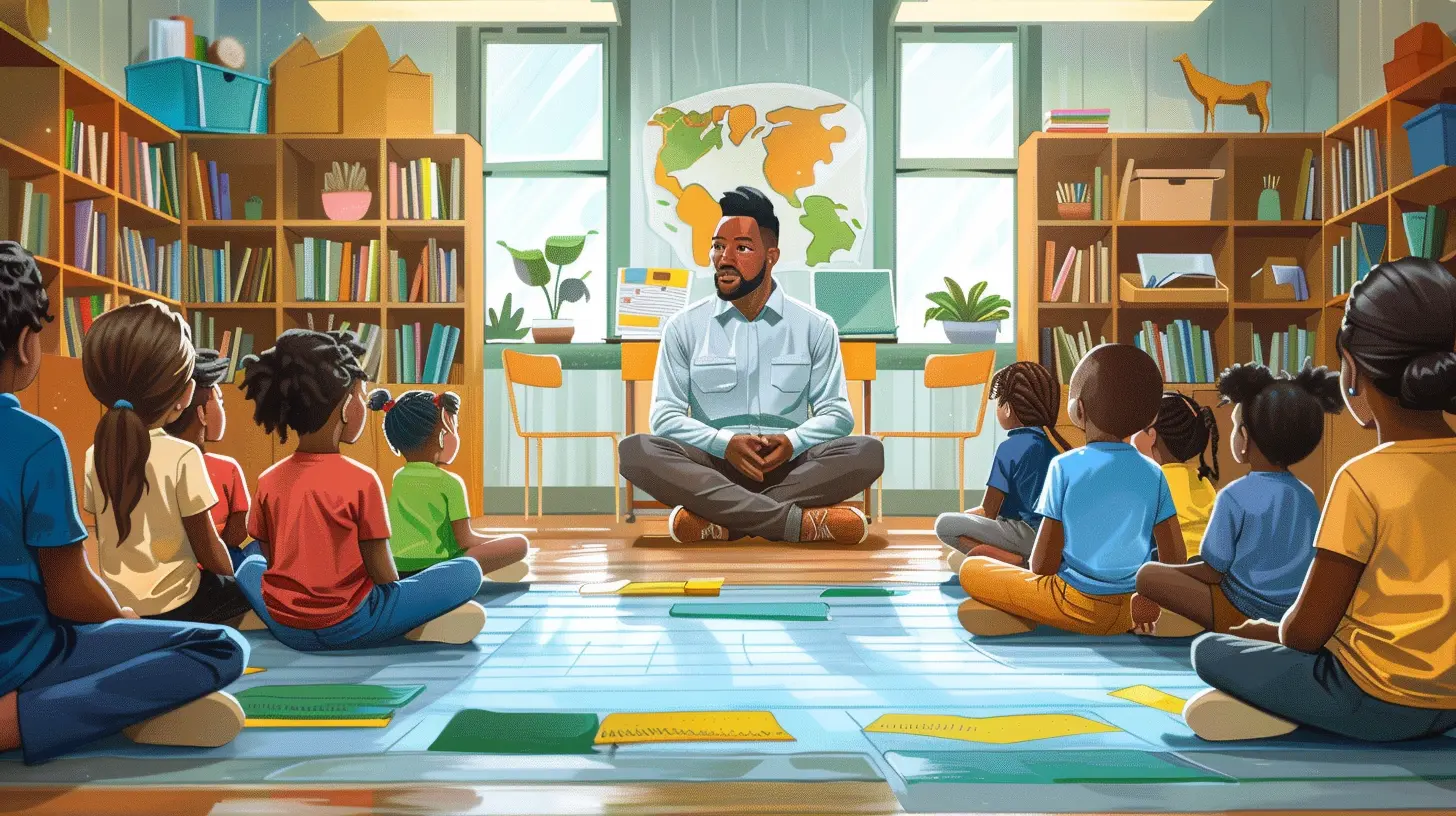
The Teacher as a Cultural DJ
You know what a good DJ does? They read the room. They feel the energy. They know when to drop a banger and when to play something chill. By 2027, the best culturally responsive teachers will be cultural DJs. They won't just deliver a scripted lesson. They will curate a learning experience that shifts in real time based on the students in front of them.This is exhausting. It's also the only way to do it right. A teacher in 2027 might start a lesson on climate change by asking students to share a family story about a natural disaster. One student talks about her grandmother's experience with Hurricane Katrina. Another shares his family's farming traditions in drought-prone Mexico. The teacher doesn't just say, "Great, now open your textbook." They pivot. They pull up a map of environmental racism. They ask, "Why do you think poor communities and communities of color get hit hardest by climate disasters?"
This kind of teaching requires emotional labor, critical thinking, and the ability to handle a class discussion that might get heated. It also requires admin to back off and let teachers teach. By 2027, I predict we will see a backlash against the "scripted curriculum" movement. Teachers will demand more autonomy, and they'll get it-because the data will show that culturally responsive classrooms have fewer behavior issues and higher test scores. (Yes, even the tests care about culture, because the tests care about money.)
The Parent Trap: When Home and School Collide
Let's not pretend parents are all on board. By 2027, the PTA meetings will be even more chaotic. You'll have one parent demanding more CRT because their child is being bullied for being biracial. Another parent will be holding a sign that says "Stop Indoctrinating My Kids." The school principal will be standing in the middle, sweating through a brand-new blazer, trying to explain that "we're just teaching history."Here's my prediction: The most successful schools by 2027 will be the ones that stop trying to please everyone. Instead, they will create clear, transparent communication about why culturally responsive teaching matters. They will host "family culture nights" where parents are invited to share their own stories, not just sit through a lecture. They will send home newsletters that explain, in plain language, why a lesson on Japanese internment camps is not "anti-American" but actually "pro-democracy."
And for the parents who still refuse to engage? The school will have to make a choice. Do you bend to the loudest voices, or do you hold the line for equity? My money is on the latter, because by 2027, the business community will finally weigh in. Companies need a diverse workforce. They will start pressuring schools to produce graduates who can work with people from all backgrounds. Money talks, and money says, "Teach the kids to be culturally competent, or we'll hire from somewhere else."
The Curriculum Wars: A New Front
Remember the "reading wars" (phonics vs. whole language)? Well, by 2027, we'll have the "culture wars" embedded in every subject. Math class will no longer be safe. You thought math was neutral? Think again. A culturally responsive math teacher in 2027 might use data from the local food bank to teach percentages, or use Indigenous basket-weaving patterns to explore geometry.This will drive some people absolutely bonkers. They will scream, "Just teach the math!" But here's the thing: Math was never neutral. Every word problem is a story. Every story has a perspective. By 2027, we will finally admit that teaching math without context is like teaching cooking without food. It's possible, but it's pointless. The real fight will be over whose stories get told. And spoiler alert: It won't just be the stories of dead white guys.
The Burnout Factor: Can Teachers Survive?
Let's get real for a second. Culturally responsive teaching is hard. It requires teachers to constantly examine their own biases, learn new histories, and navigate emotional minefields. By 2027, teacher burnout will still be a crisis. The schools that succeed will be the ones that provide real support-not just a "self-care" sticker and a yoga session. They will offer paid planning time for collaborative curriculum design. They will hire "cultural specialists" who work alongside teachers, not above them. They will give teachers permission to say, "I don't know, let's find out together."The sarcastic part of me wants to say that by 2027, we'll have a "CRT Wellness Coach" who sends you a daily affirmation like "You are enough, even if you accidentally used the wrong pronoun." But the hopeful part of me believes that we will finally stop treating teachers like robots and start treating them like artists. And artists need time, space, and the freedom to fail.
The Student Takeover
Here's the most exciting (and terrifying) part: By 2027, students will be the real drivers of culturally responsive teaching. They are already more aware of social justice issues than any previous generation. They have access to information that their teachers didn't have at their age. They know when a lesson is performative. They know when a teacher is faking it.In 2027, expect to see student-led "culture audits" where kids evaluate their own school's curriculum. Expect to see student unions demanding that the library include books by authors from their own communities. Expect to see TikTok campaigns that go viral, calling out a teacher who made a tone-deaf comment about Ramadan. This is not a bug; it's a feature. The future of CRT is not about teachers "giving" culture to students. It's about students demanding that their culture be seen, heard, and respected.
The Verdict: A Messy, Beautiful Disaster
So, what does the future of culturally responsive teaching look like by 2027? It's a messy, beautiful disaster. It's a classroom where a student corrects the AI, a parent complains about "wokeness," and a teacher cries in the break room-all before lunch. But it's also a classroom where a kid who never felt seen suddenly realizes that their family's story matters. It's a classroom where a math problem feels relevant because it's about the rent prices in their neighborhood. It's a classroom where the teacher says, "I don't know, but let's figure it out together."We are not going to "solve" culturally responsive teaching by 2027. We are going to make it more complicated, more contested, and more human. And that, my friends, is the only way it can ever truly work. So, pour yourself a cup of coffee, put on your best "I'm fine" face, and get ready for the ride. Because the future is here, and it's demanding that we finally teach every kid like they matter.
all images in this post were generated using AI tools
Category:
Multicultural EducationAuthor:

Anita Harmon
Discussion
rate this article
1 comments
Ivy Pope
This article presents a compelling vision for culturally responsive teaching by 2027. Emphasizing the integration of technology and diverse perspectives, it highlights the importance of creating inclusive classrooms. As educators adapt, we can foster deeper connections and understanding among students from all backgrounds.
May 17, 2026 at 3:29 AM
Anita Harmon
Thank you for your insightful comment! I'm glad the article resonates with you and captures the importance of inclusivity in education. Let's keep pushing for meaningful change.