Why Early Intervention is Key to Stopping Bullying
1 October 2026
Bullying is like that annoying song that gets stuck in your head—it just won’t go away unless you deal with it early. If ignored, it festers, grows, and turns into a full-blown disaster, much like leaving dirty dishes in the sink for a week (we’ve all been there!). That’s why early intervention is the superhero cape we need to put on before things spiral out of control.
Let’s dive into why stepping in early is the key to stopping bullying in its tracks before it becomes a lifelong villain in someone’s story. 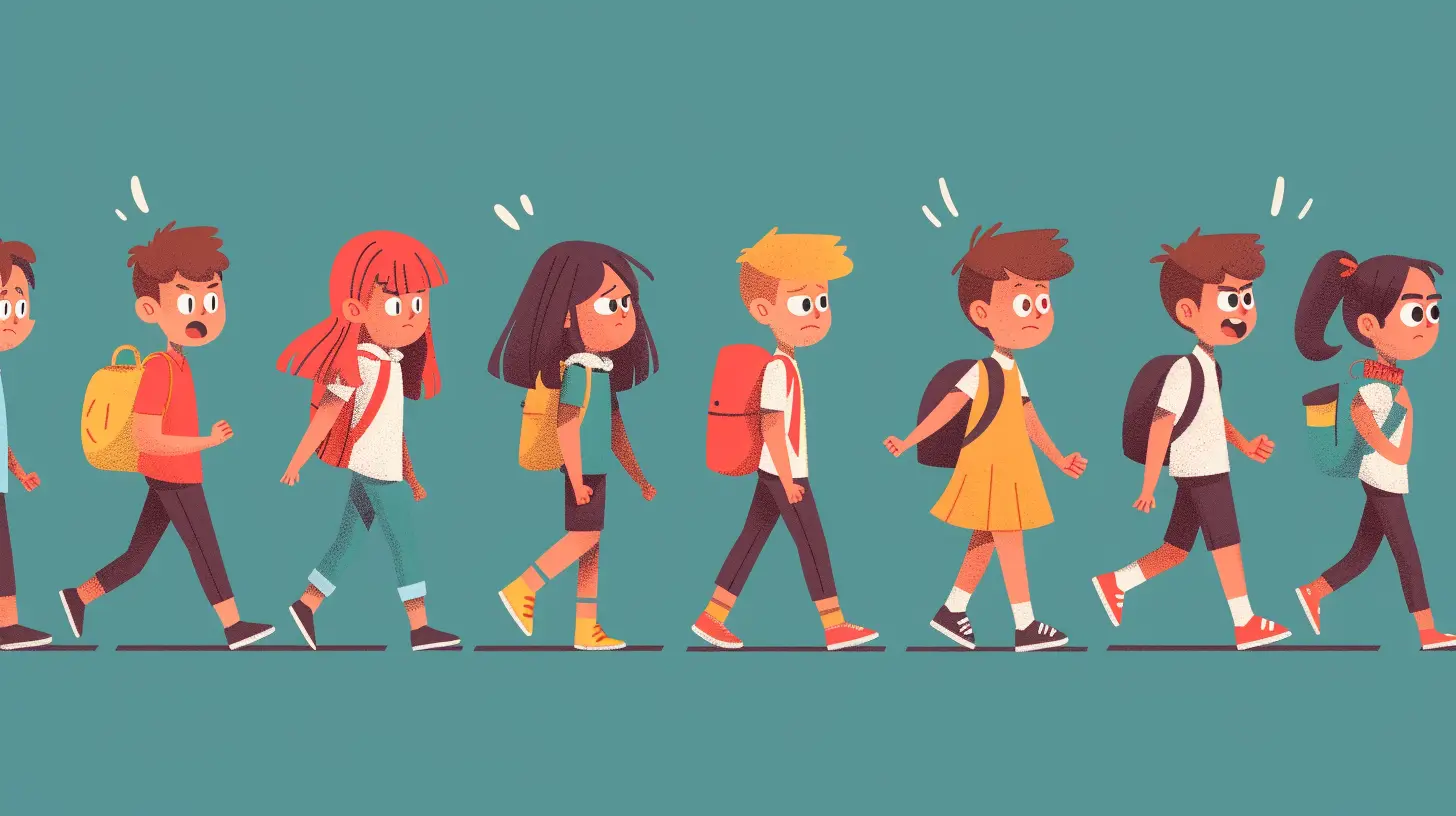
? The Snowball Effect of Bullying
Imagine rolling a tiny snowball down a hill. At first, it’s cute and innocent—just a tiny little speck of icy fluff. But keep it rolling, and suddenly, it’s an unstoppable avalanche barreling toward disaster.That’s exactly how bullying works. What starts as a few mean jokes or a lighthearted "just kidding" can quickly evolve into something much worse—cyberbullying, physical intimidation, or deep emotional wounds.
By addressing bullying early, we stop that little snowball before it turns into an avalanche that buries self-esteem, mental health, and friendships. 
?️♂️ Spotting the Warning Signs Early
Wouldn’t it be great if bullies wore flashing neon signs that read, "I’m about to ruin someone’s day!" Unfortunately, they’re sneaky—blending into classrooms, playgrounds, and even online spaces.That’s why parents, teachers, and students themselves need to be like Sherlock Holmes, picking up on the clues before things escalate. Here are some early red flags:
✅ Sudden changes in behavior – If a normally outgoing child becomes withdrawn, something’s up.
✅ A drop in grades – When someone’s mind is occupied with bullying, algebra suddenly feels even more pointless.
✅ Avoiding certain places or people – If they’re taking the long way home or dreading school, red flag alert!
✅ Frequent complaints about headaches or stomach aches – Anxiety has a weird way of making itself known through mysterious "illnesses."
When we notice these signs early, we can swoop in before the damage is done. 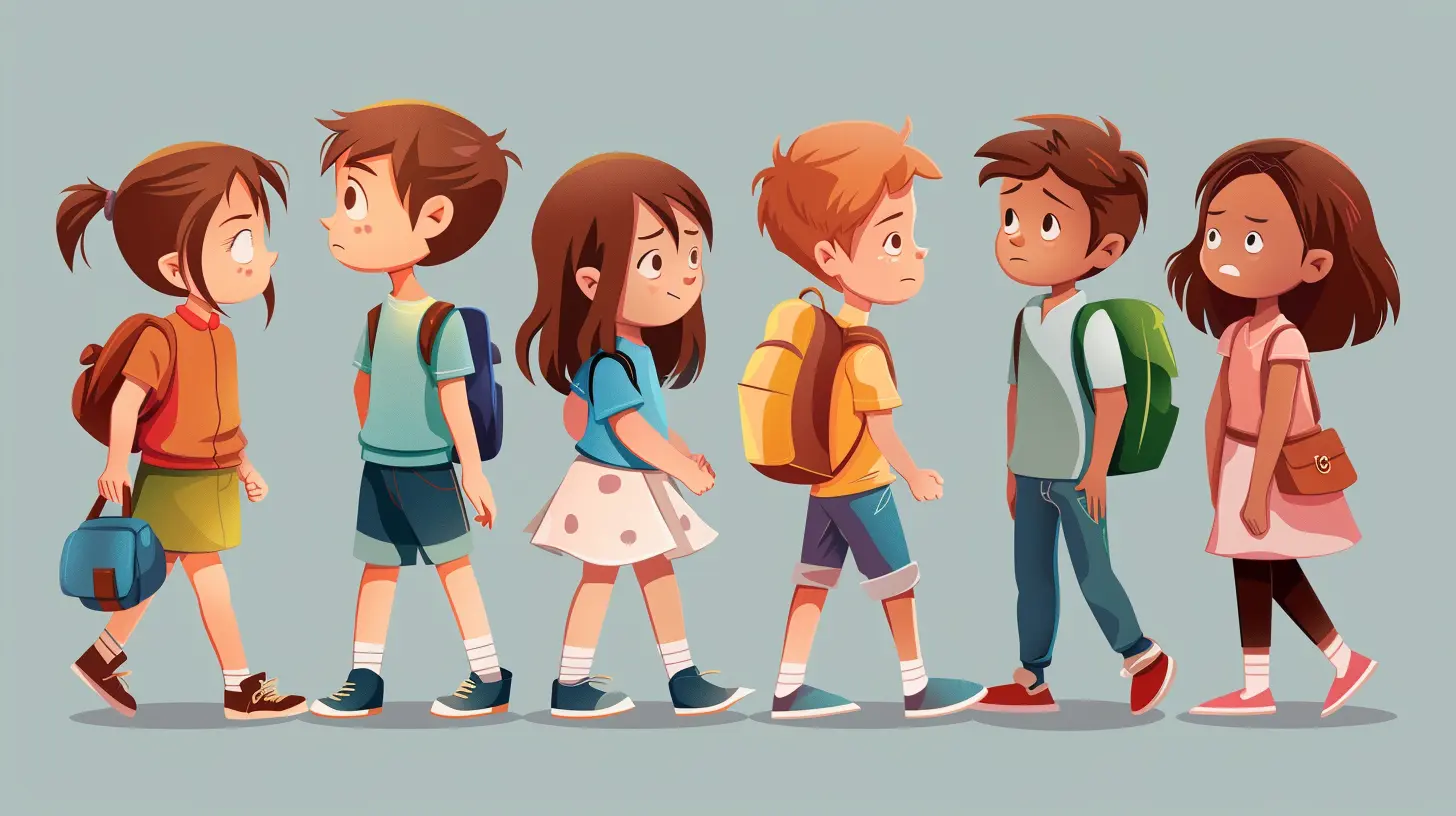
?️ Why Early Conversations Matter
Let’s be real—talking about bullying can feel awkward. But here’s the deal: Silence is the bully’s best friend. The longer we avoid tough conversations, the stronger the problem grows.Parents and teachers need to create a judgment-free zone where kids feel safe opening up. Instead of the classic, "Just ignore them," response (which, let’s be honest, never worked), try something more effective:
? "I hear you. That sounds really tough. Let’s figure out a plan together."
By talking about bullying before it gets out of hand, we empower kids with tools to stand up for themselves and others. 
? Teaching Empathy Early – The Ultimate Prevention Tool
If we want to stop bullying before it starts, we need to go straight to the source—teaching kids empathy from an early age.Think about it: Most kids don’t wake up in the morning thinking, "Today, I shall make someone’s life miserable!" Bullying often stems from insecurity, peer pressure, or a lack of understanding about how words and actions affect others.
So how do we plant the empathy seed early?
? Encourage kindness from an early age – A simple, “How would that make you feel?” can go a long way.
? Use stories and role-playing – Kids love a good story! Books and role-playing help them understand emotions from different perspectives.
? Model the behavior you want to see – Kids learn most from what they see, not what they’re told. So, if you’re yelling at the driver who cut you off, don’t expect little Timmy to be a beacon of kindness.
Empathy is the vaccine against bullying—let’s start administering it early.
⚔️ Equipping Kids with the Right Tools to Handle Bullying
Expecting kids to deal with bullying without any guidance is like tossing them into the deep end of a pool and saying, “Figure it out!” Not the best approach, right?Instead, we should arm them with practical tools, like:
? Setting boundaries – Teaching kids to say, “That’s not okay” with confidence can be a game-changer.
? Finding allies – A support system can make all the difference. Having friends who have your back makes bullies less powerful.
? Handling cyberbullying wisely – The internet is the Wild West of bullying. Teaching kids about blocking, reporting, and not engaging in online drama is crucial.
When equipped with these tools early, kids are less likely to become victims and more likely to stand up for others.
? Schools Need to Step Up, Too!
Let’s be honest: Expecting kids to handle bullying entirely on their own is like expecting a goldfish to climb a tree. Schools need to be active participants in preventing and addressing bullying.? What can schools do to step up their game?
? Implement anti-bullying programs – Interactive, engaging programs that teach students how to recognize, prevent, and address bullying.
? Encourage peer support groups – Sometimes, kids don’t want to talk to adults. A supportive group of peers can provide a safe space for students to share and seek help.
? Use creative teaching methods – Role-playing, storytelling, and even theater can help children understand the impact of bullying in a meaningful way.
?♂️ Have a zero-tolerance policy with action, not just words – It’s not enough to say, “We don’t tolerate bullying.” Schools need to enforce consequences for bullies and ensure real change happens.
Schools that take early intervention seriously create environments where bullying can’t survive.
? The Power of Bystanders
Here’s a fun fact: Bullies thrive when bystanders stay silent. It’s like giving them a front-row seat to their own reality show—except, instead of clapping, we need more people shutting it down.Teaching kids (and adults!) to stand up against bullying without putting themselves in harm’s way can make a world of difference. A simple "Hey, that's not cool" or supporting the victim after the fact makes bullying a lot less appealing to the troublemakers.
Because let’s be real—bullies love an audience. Take that away, and their show gets canceled pretty fast.
? Why Waiting is Not an Option
Waiting to deal with bullying is like ignoring a leaky faucet. At first, it’s just a drip. Annoying, sure, but not urgent. But give it some time, and suddenly, your kitchen is underwater, and your bank account is screaming for mercy.The consequences of unchecked bullying last long beyond childhood. Victims can struggle with anxiety, depression, and trust issues for years. And bullies? Without early intervention, they may continue harmful behavior into adulthood.
Stopping bullying early isn’t just about schoolyard drama—it’s about shaping a healthier future for everyone involved.
? Final Thoughts
Bullying isn’t an unsolvable mystery, and there's no magic spell to make it disappear. But early intervention? That's the closest thing we have to a superpower.By catching the warning signs, encouraging open conversations, teaching empathy, and equipping kids with the right tools, we create a world where bullying doesn’t stand a chance.
It all starts with acting now—not waiting for things to get worse. Because the sooner we step in, the sooner we stop the cycle.
And let’s be honest—the world could use a little more kindness and a lot less drama.
all images in this post were generated using AI tools
Category:
Bullying PreventionAuthor:

Anita Harmon