Why Early Childhood Education Deserves More Attention in Reforms
29 May 2026
Let’s take a second to think about something simple but powerful: a tree. If you want it to grow tall and strong, you take care of it when it’s still a sapling, right? You give it water, sunlight, and good soil. Neglect it early on, and no matter what you do later, it’ll struggle to thrive.
Now think of children as those young saplings. Early childhood education (ECE) is the care and nurturing we give them in those crucial early years—typically from birth to age eight. And just like with trees, what happens in those early years sets the tone for everything that follows.
So here’s the big question: If early education is so important, why isn’t it always at the center of education reforms?
Let’s talk about that. Let’s break it down and really explore why early childhood education deserves more attention in reforms.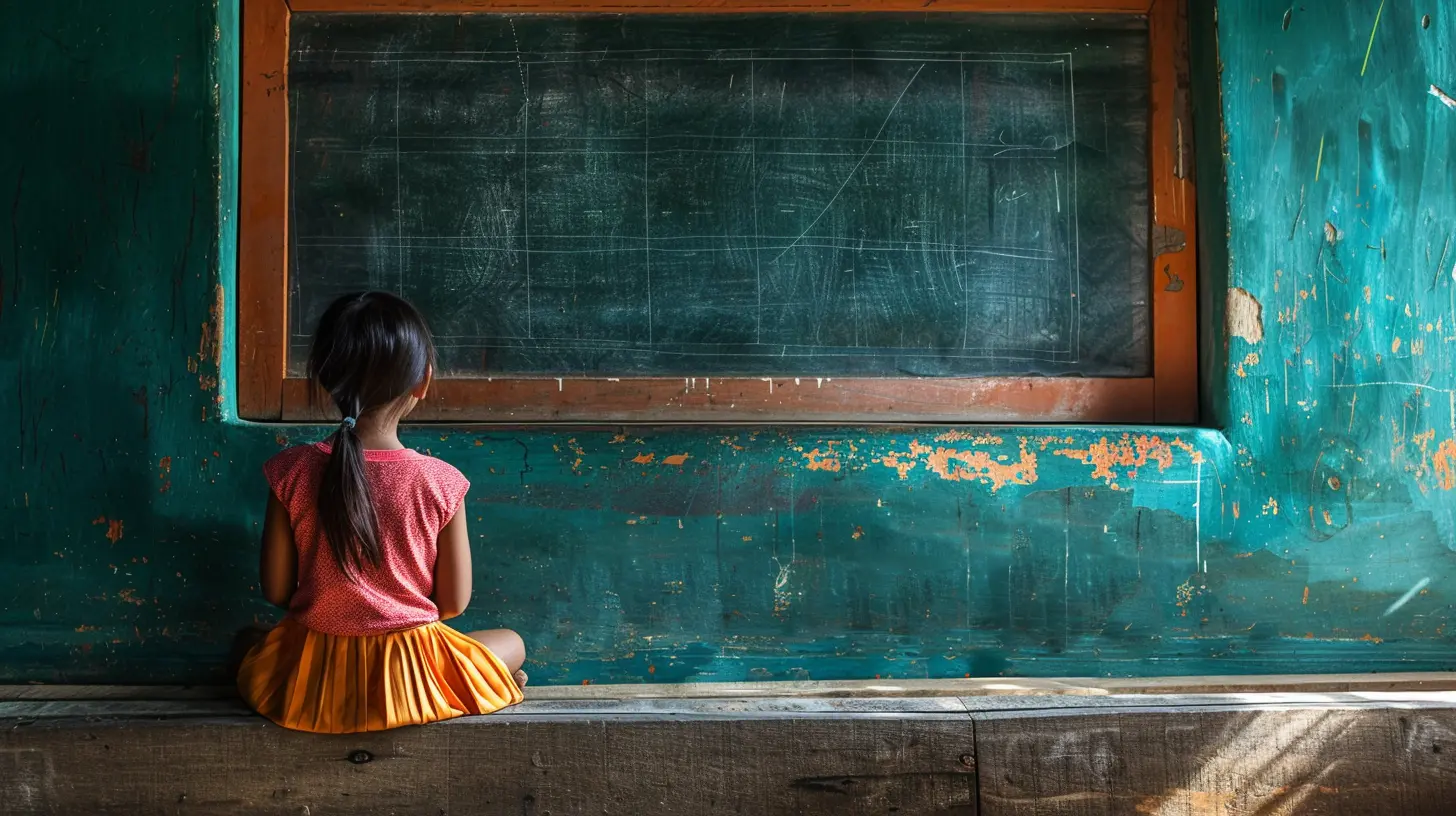
The Foundation of Lifelong Learning Starts Early
We often think of learning as starting in kindergarten or first grade, but the truth is, brains are already in full gear way before that. Research shows that a child’s brain develops more rapidly in the first five years of life than at any other time. During these years, kids form essential connections that lay the groundwork for skills like:- Language development
- Emotional regulation
- Social skills
- Motor control
- Problem-solving
Think of it like building a house. If the foundation isn’t solid, you can put all the fancy windows and paint you want on it later—but the structure will always be shaky.
By prioritizing early education in reforms, we’re not just adding another brick to the wall. We’re setting a concrete base for everything that follows.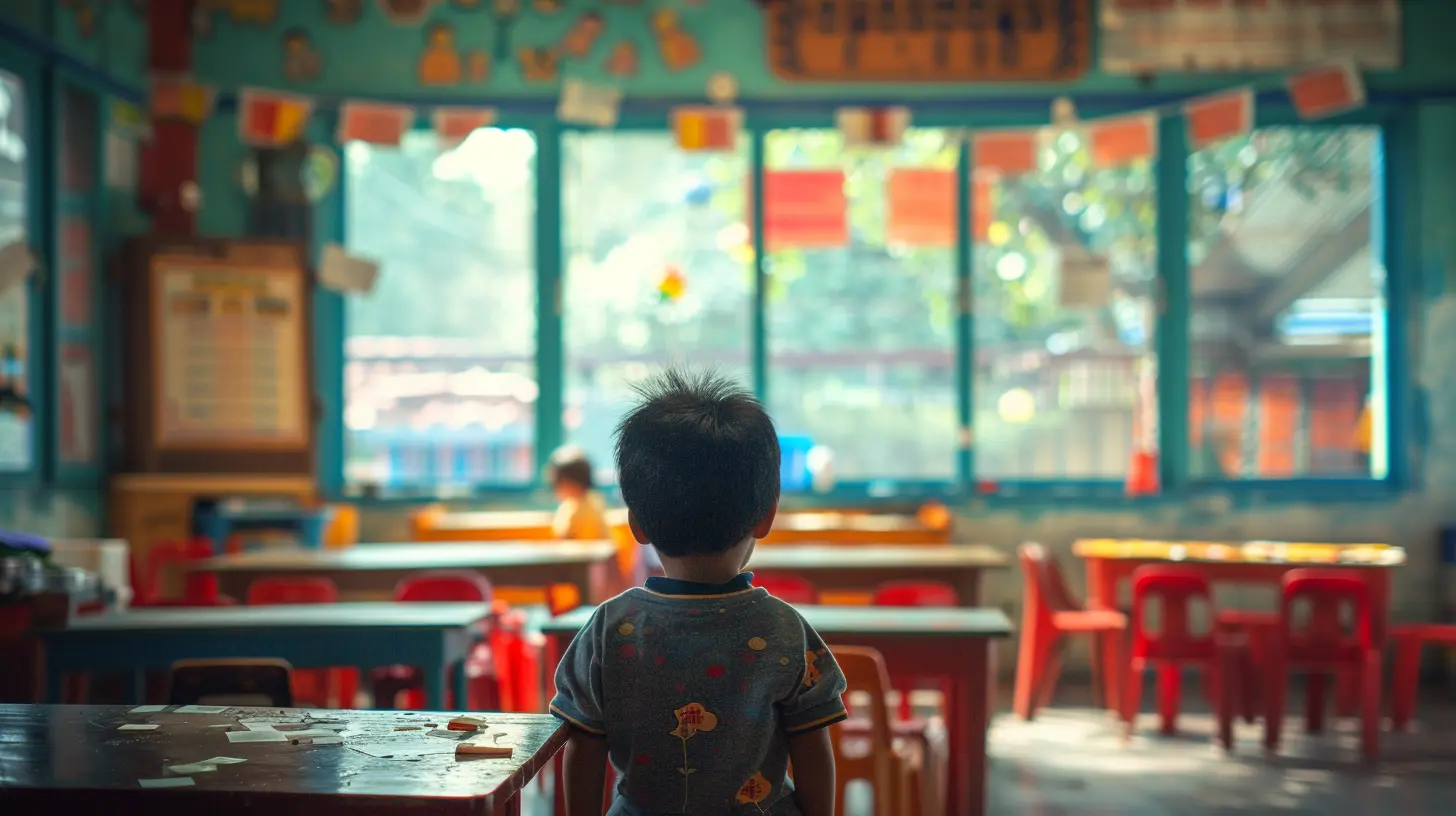
A Smart Investment with High Returns
Okay, let’s talk numbers. We get it—it’s not just about warm and fuzzy feelings. For policymakers and governments, it's about budgets and measurable outcomes. Well, here’s the kicker: early childhood education isn’t just good for kids, it’s a brilliant investment.According to studies, every dollar invested in high-quality early childhood programs can return up to $7 in savings, thanks to:
- Lower dropout rates
- Reduced need for special education
- Decreased crime rates in adulthood
- Higher job productivity
Think of it as planting seeds that will yield a massive harvest. It’s not just spending—it's investing in the nation's future.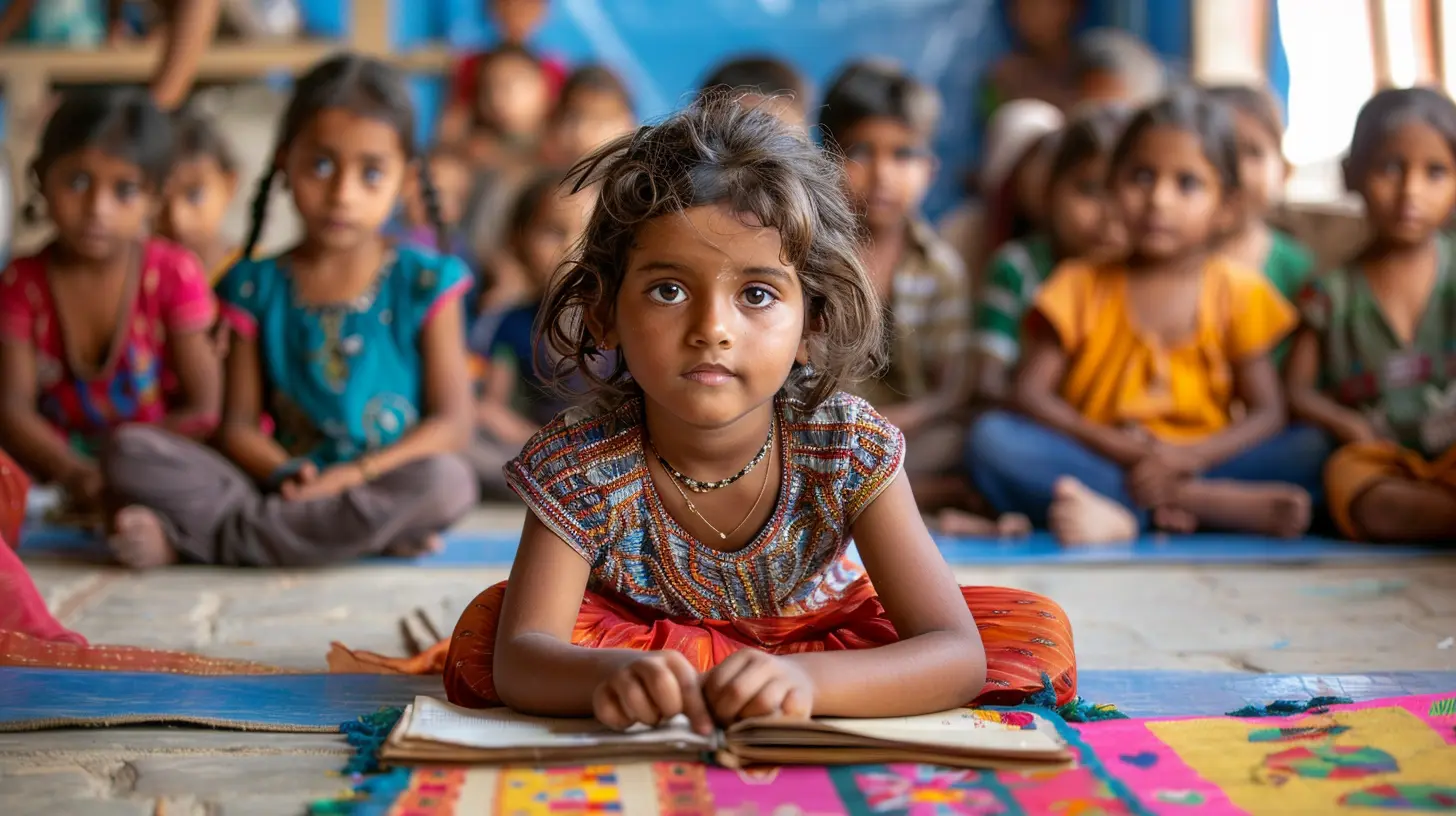
Bridging the Equity Gap
Let’s face it—education systems everywhere face equity issues. Kids from low-income families often start school already behind their peers. Not because they’re any less capable, but simply because they didn’t have access to the same quality early learning experiences.By making early childhood education a major focus of reforms, we can help close that gap before it widens. Imagine how powerful it would be if every child, regardless of their zip code, had the same shot at a strong start. We wouldn’t just be lifting individuals—we’d be uplifting entire communities.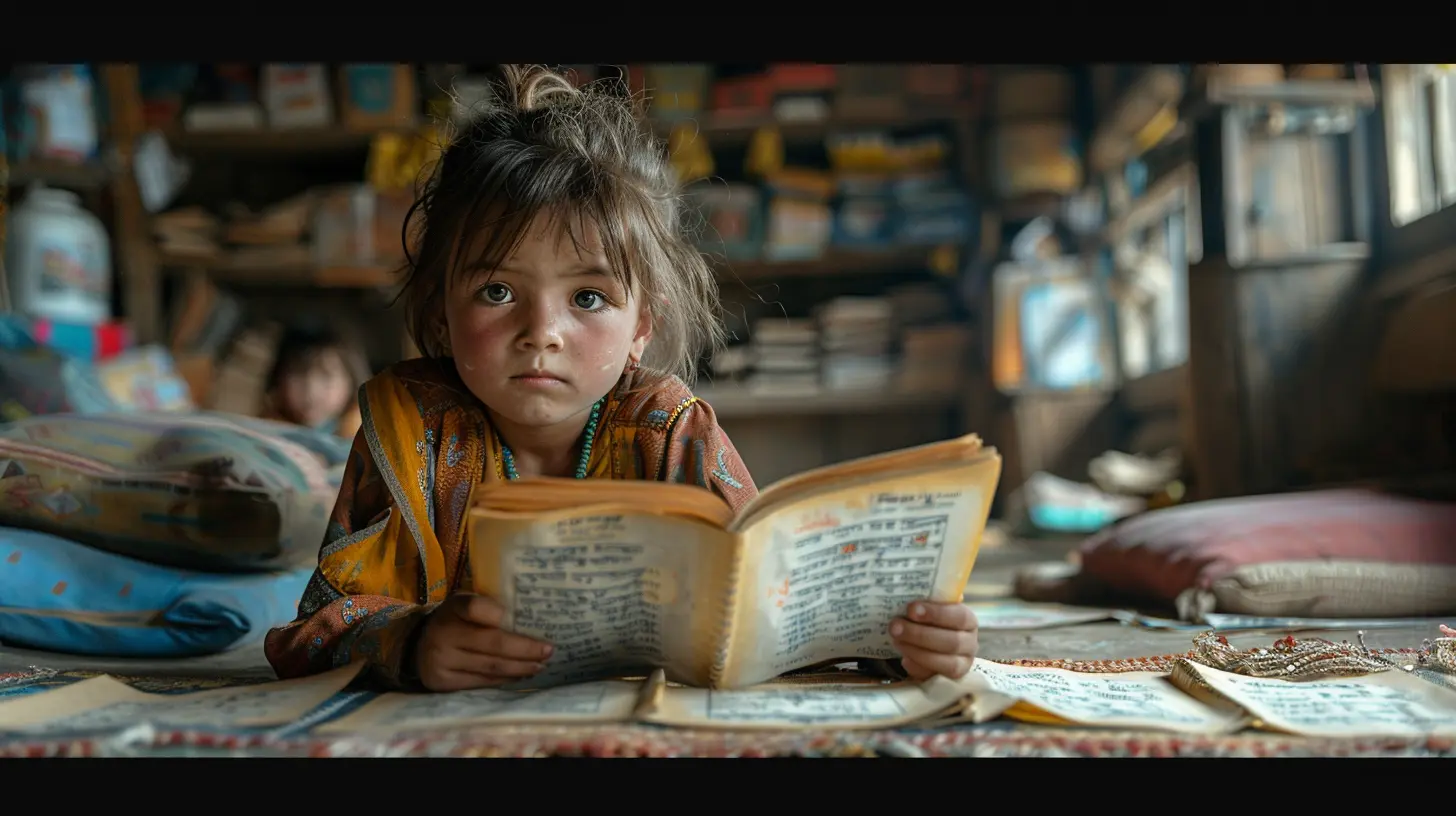
Emotional and Social Development Can’t Wait
You know what they say—kids don’t come with a manual. But what they do come with is a need for emotional safety, social interaction, and encouragement to explore. Early childhood education is where kids start learning how to:- Share and collaborate
- Express emotions in healthy ways
- Handle conflict
- Develop self-confidence
These aren’t “optional extras.” They’re fundamental skills that shape how kids engage with the world for the rest of their lives.
If education reforms focus only on test scores and academic measures in later grades, we’re missing the chance to support the development of well-rounded, emotionally resilient humans from the get-go.
Supporting Working Families
Let’s not forget another important piece of the puzzle—parents. Access to reliable, affordable early childhood education lets parents (especially mothers) return to work, pursue education, or manage other responsibilities without the constant worry of childcare.When reforms prioritize early education, they’re also giving families the chance to thrive. It’s a ripple effect that touches every corner of society: stronger families, more stable employment, and healthier communities.
And honestly, who wouldn’t want that?
Teachers Deserve More Respect (and Resources)
Here’s a hard truth: early childhood educators are often underpaid, overworked, and undervalued. Yet, they’re doing one of the most critical jobs—shaping young minds during their most impressionable years.Reforms that elevate early childhood education must also include better pay, professional development, and working conditions for educators. It’s about time we stop treating early educators like babysitters and start recognizing them as the skilled professionals they are.
Because let’s be honest—anyone who has ever spent a day with a room full of toddlers knows that takes superhuman patience, creativity, and love.
It’s Not Just About Kindergarten Readiness
You’ll often hear talk about getting kids “ready for kindergarten,” which is great—but it’s not the full picture.Early childhood education does far more than prepare kids for school. It helps them develop curiosity, empathy, resilience, and a sense of self-worth. These are qualities that carry them through all stages of life—not just classroom success.
Education reforms that only focus on standardized testing or early literacy scores miss the broader purpose of early learning. We're not just producing good students—we're nurturing whole human beings.
Ignoring It Has Real Consequences
When early childhood education is left out of policy discussions or underfunded, we see the consequences play out down the road:- Kids start school behind
- More students need additional help later
- Dropout rates increase
- Mental health issues rise
And then officials scramble to fix problems that started years earlier. Wouldn’t it make more sense to prevent those problems in the first place?
It’s like ignoring a leaky pipe until your floor floods instead of just tightening the valve early on. It’s costlier, messier, and way more stressful for everyone involved.
The Power of Play-Based Learning
In the early years, learning doesn’t happen in rows of desks or through memorization. It happens through play. Kids learn best when they’re exploring, creating, and imagining. These moments of “play” aren’t frivolous—they’re brain-building goldmines.Reforms need to recognize and respect the value of play in early education. Instead of pushing academic pressure down into preschool classrooms, let’s create environments where curiosity and creativity thrive.
A preschool classroom full of blocks, paints, books, and laughter? That’s not chaos—it’s brilliance in motion.
What Needs To Change?
Alright, so what exactly should reform look like when it comes to early childhood education? Here’s a wishlist (and it's not even that outrageous):- Universal access to quality early learning programs
- Public funding that matches the importance of early education
- Higher wages and better training for early childhood educators
- Curricula rooted in child development, not just academics
- Parental support programs to help families engage in early learning
- Community-based approaches that reflect cultural diversity and local needs
The goal isn’t to create a “one-size-fits-all” system, but to build a flexible, caring structure that meets kids (and families) where they are.
We Can’t Afford to Wait
Reforming early childhood education isn’t a luxury for when we have “extra” resources. It’s an essential, non-negotiable part of building a better future.The earlier we start, the stronger the outcomes. We need to stop seeing early education as the warm-up act before the “real” schooling begins. It is the real deal. It's the heartbeat that keeps everything else going.
Every child deserves that strong start. Every family deserves that support. And every society deserves the long-term benefits that come from it.
So the next time you hear about education reforms, ask this question: Where’s the plan for the early years?
Because that’s where it all begins.
Conclusion: Let’s Plant the Seeds Right
If we want a world full of thoughtful leaders, creative thinkers, and compassionate citizens, we’ve got to start early. The first years of life aren’t just a waiting room for “real” education—they are the main event. And reforms that fail to address that are missing the point.Just like tending a garden, we need to give our kids the sunlight and care they need—right from the start. Because when we invest in early childhood education, we’re not just shaping students. We’re shaping the future.
Let’s give early education the attention it truly deserves.
all images in this post were generated using AI tools
Category:
Education ReformAuthor:

Anita Harmon
Discussion
rate this article
1 comments
Zeno McIntire
Investing in early education shapes brighter futures for children.
June 1, 2026 at 11:18 AM
Anita Harmon
Absolutely. Early education lays the foundation for lifelong learning and success. We must prioritize it in our reform efforts.