How to Adapt Open Educational Resources for Diverse Learners
17 June 2026
The world of education is evolving, and one of the biggest game-changers has been the rise of Open Educational Resources (OER). These are free, accessible, and customizable learning materials that anyone can use. But here's the thing: not every learner is the same, right? We all come from different backgrounds, have different abilities, and prefer different learning styles. So, how do we make sure these fantastic OERs work for everyone?
Well, that’s what we’re going to talk about today. In this post, I'll walk you through how to adapt Open Educational Resources for diverse learners. Whether you're a teacher, an educational organization, or even a student looking to make materials more accessible, this guide is for you. So let's dive in!

What Are Open Educational Resources (OER)?
Before we get into the nitty-gritty of adapting OERs, let’s make sure we’re all on the same page. In simple terms, Open Educational Resources are any type of educational content that is freely available for anyone to use, adapt, and share. This can include textbooks, lesson plans, videos, quizzes, and even entire courses. The key is that OERs are licensed in a way that allows for modification and redistribution.Benefits of OER
1. Cost-effective: Since OER materials are free, they help reduce the cost of education for both students and institutions.2. Flexible: You can modify OERs to suit your specific needs, whether you need to change the language, add examples, or adjust the difficulty level.
3. Accessible: OERs can be accessed by anyone with an internet connection.
However, the real power of OERs lies in their adaptability. That’s where things get interesting, especially when you’re thinking about diverse learners.

Why Adapt Open Educational Resources for Diverse Learners?
Diversity isn’t just about ethnicity or cultural backgrounds. When we talk about diverse learners, we’re also referring to differences in:- Learning styles: Some people are visual learners, while others may prefer auditory or kinesthetic learning.
- Abilities: This includes students with physical, cognitive, or sensory disabilities.
- Language proficiency: Not everyone speaks or understands the same language at the same level.
- Socioeconomic background: Access to technology and resources can vary greatly.
So, if you’re using a one-size-fits-all approach with OERs, you’re probably leaving someone behind. By adapting these resources, you can create a more inclusive and effective learning experience. But how exactly do you go about this?
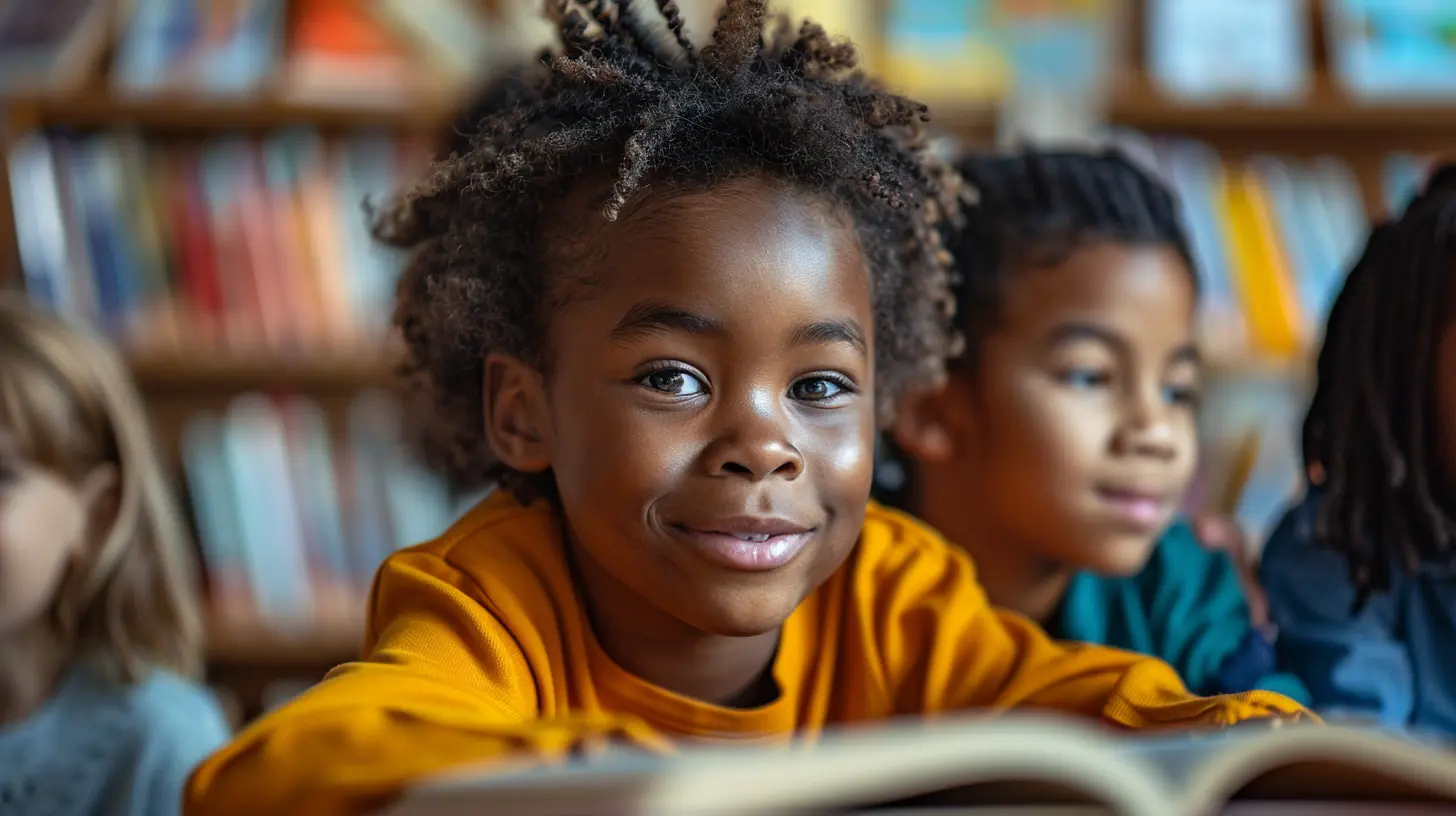
Step 1: Understand the Learners
The first step in adapting OERs is knowing who your audience is. You can’t tailor something without understanding the people you're tailoring it for, right?Conduct a Needs Assessment
Start by conducting a needs assessment. This can be as simple as asking the following questions:- What are the learners' preferred learning styles?
- Are there any disabilities or special needs to consider?
- What is their language proficiency?
- What kind of technology do they have access to?
This initial step helps you identify the gaps and opportunities for adaptation. The more you know about your learners, the better you can modify the OER to suit their needs.

Step 2: Make It Accessible
Once you've got an idea of your learners' needs, it's time to make sure the OER is accessible to everyone. Accessibility is a huge component in adapting OER for diverse learners, especially those with disabilities.Design for Visual Accessibility
For visually impaired students, you need to ensure that your materials are usable with screen readers and other assistive technologies. Here's how:- Alt Text for Images: Always include descriptive alt text for images. This helps visually impaired learners understand visual content.
- High Contrast: Make sure there is a good contrast between text and background colors. This makes it easier for people with low vision or color blindness to read the content.
- Font Size and Type: Stick to readable fonts like Arial, Verdana, or Times New Roman, and ensure that the font size is large enough.
Make Audio and Video Content Accessible
For learners who are deaf or hard of hearing, you’ll need to adapt your audio and video materials:- Subtitles and Closed Captions: Always include subtitles or closed captions in videos. This ensures that learners who are hard of hearing or non-native speakers can follow along.
- Transcripts: If you have audio content, provide a written transcript. This benefits not only deaf learners but also those who prefer reading over listening.
Ensure Cognitive Accessibility
Some learners may have cognitive disabilities, such as dyslexia or ADHD, which can make traditional learning materials difficult to process. To accommodate them:- Simplify Language: Avoid overly complex language and jargon. Use short, concise sentences.
- Break It Down: Break down content into smaller, digestible chunks. Use bullet points and subheadings to structure the content clearly.
- Interactive Elements: Incorporate interactive elements like quizzes or flashcards to keep learners engaged.
Step 3: Language and Cultural Adaptations
Language is a crucial aspect when adapting OER for learners from diverse cultural backgrounds.Translate or Localize Content
If your learners speak a different language, you may need to translate the OER. But be careful—translation isn’t just about swapping words from one language to another. You also need to localize the content. This means adapting idioms, examples, and cultural references to make sense to the target audience.For example, if an OER uses baseball metaphors in a region where cricket is more popular, switch those metaphors to something that resonates culturally. It’s like speaking someone’s language, but on a deeper, more intuitive level.
Simplify Language for Non-Native Speakers
Even if you’re not translating the material, you may need to simplify the language for learners who are less proficient in the language of instruction. Here are some tips:- Use Simple Vocabulary: Stick to common words and avoid idioms or slang that might confuse non-native speakers.
- Provide Glossaries: Include a glossary of key terms, especially if the subject matter is technical or academic.
- Visual Aids: Use diagrams, charts, and images to supplement the text. Visuals can often transcend language barriers.
Step 4: Adapt for Different Learning Styles
People learn in different ways. While some learners absorb information best through reading, others might prefer watching videos, listening to audio, or engaging in hands-on activities. The beauty of OER is that you can adapt them in various formats to meet these preferences.Diversify the Content Formats
Here’s how you can cater to different learning styles:- Visual Learners: Use infographics, charts, and videos to complement the written material.
- Auditory Learners: Provide audio versions of the text or include podcasts and recorded lectures.
- Kinesthetic Learners: Create interactive activities like quizzes, simulations, or even physical tasks that require movement.
Provide Multiple Means of Engagement
To keep all learners engaged, provide multiple ways for them to interact with the material:- Interactive Quizzes: Add quizzes and assessments that give immediate feedback. This is great for self-paced learning.
- Discussion Forums: Encourage learners to engage in online discussions or group work. This can benefit both extroverted learners and those who thrive in collaborative environments.
Step 5: Test and Iterate
Once you've adapted the OER, the job isn't done just yet. You’ll need to test your materials with your learners and get their feedback. What works for one group of learners might not necessarily work for another.Gather Feedback
Ask learners for feedback on how the materials are working for them. You can conduct surveys, hold focus groups, or even just have informal conversations. The goal is to find out if the OER is meeting their needs and what could be improved.Iterate Based on Feedback
Once you have feedback, use it to tweak and improve the OER. The great thing about OER is that you can continuously adapt and refine the materials. It’s not a one-and-done deal; it’s an ongoing process.
Step 6: Share Your Adaptations
One of the most fantastic things about OERs is the ability to share your adaptations with others. If you’ve taken the time to modify an OER for diverse learners, why not make it available to the broader community? You could be helping someone else who’s facing the same challenges you were.Use Open Licenses
When sharing your adapted OER, make sure to use an open license like Creative Commons. This allows others to use, adapt, and share your work as well.Conclusion: The Future of Inclusive Education
Adapting Open Educational Resources for diverse learners is not just important—it's essential for the future of inclusive education. The world is full of different kinds of learners, each with their own strengths, challenges, and needs. By taking the time to modify OERs, we can make education more accessible, engaging, and effective for everyone.So, whether you’re a teacher, student, or educational organization, don’t hesitate to dive into the world of OERs. With a few thoughtful adaptations, you can make a huge difference in the lives of diverse learners.
all images in this post were generated using AI tools
Category:
Open Educational ResourcesAuthor:

Anita Harmon
Discussion
rate this article
1 comments
Harvey Rocha
This article sparks my curiosity about how open educational resources can be tailored to meet the needs of diverse learners. What specific strategies have proven most effective, and how can we ensure inclusivity in all learning environments?
June 22, 2026 at 2:29 AM
Anita Harmon
I'm glad to hear that! Effective strategies include using modular content for different learning styles, incorporating diverse perspectives in materials, and regularly seeking feedback from learners. Ensuring inclusivity starts with understanding each learner's unique needs and continuously adapting resources based on their input.