The Role of Technology in Modernizing Classroom Learning
24 June 2026
Education has come a long way from chalkboards and heavy textbooks. Today, technology is transforming the way students learn, making education more engaging, accessible, and effective. With the rise of digital tools, classrooms are no longer confined to four walls—they’ve expanded into the digital world, allowing students to explore knowledge in ways never before imagined.
But how exactly is technology modernizing classroom learning? And is it all for the better? Let’s dive deeper into the impact of technology in today’s education system. 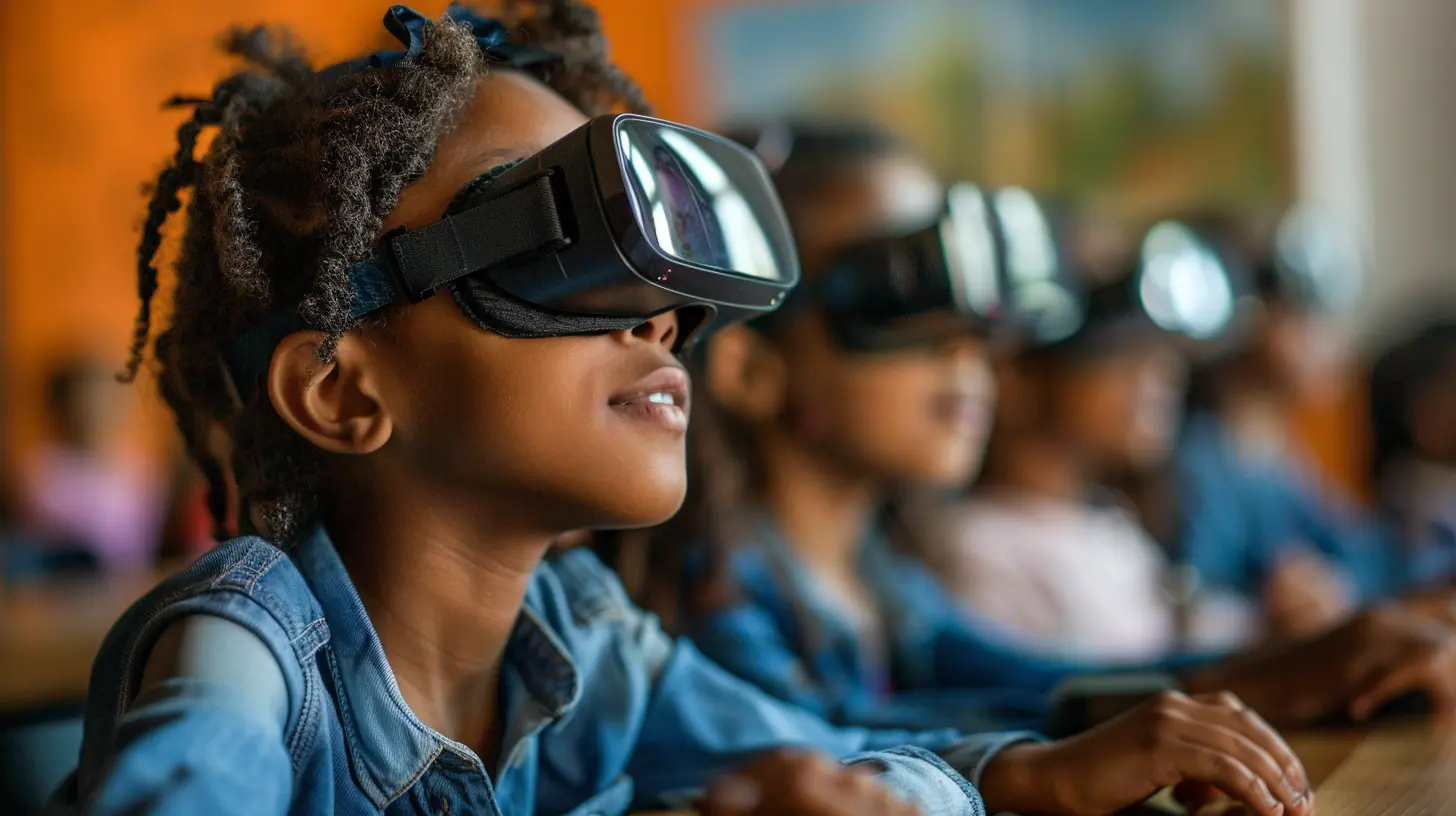
The Digital Revolution in Education
The integration of technology into classrooms isn’t just a trend—it’s a necessity. Schools and educational institutions are constantly adapting to new digital tools to cater to evolving learning styles. Traditional teaching methods, while effective, often fail to keep students engaged. Today’s learners thrive on interactive and multimedia-driven experiences, and technology bridges that gap perfectly.Whether it’s an interactive whiteboard, virtual reality, or AI-driven tutoring, tech is breathing new life into classrooms. Teachers now have a treasure trove of resources to enhance lessons, personalize learning, and make complex topics easier to grasp. 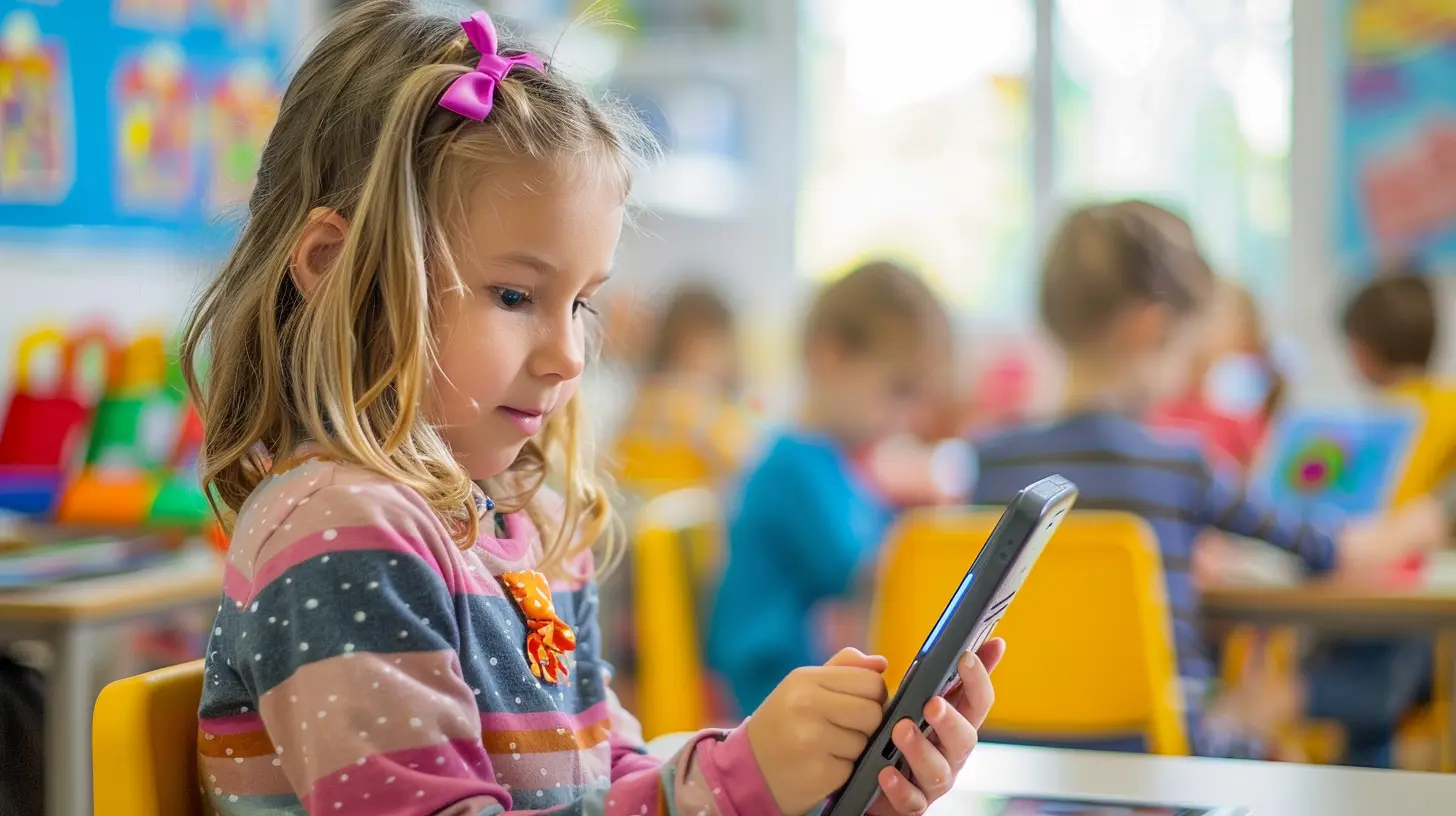
How Technology is Transforming Learning
1. Personalized Learning with AI & Adaptive Technologies
Every student is unique—some grasp concepts quickly, while others need more time. In the past, teachers struggled to cater to different learning paces, but technology has changed the game.AI-powered platforms like intelligent tutoring systems can analyze how students learn and adapt lessons accordingly. These tools track progress, identify weak areas, and provide customized exercises, ensuring that every student gets the support they need. It’s like having a personal tutor available 24/7!
2. Interactive and Engaging Content
Gone are the days of passive learning, where students just listen and take notes. Today, education is more dynamic than ever. Gamification, simulations, and interactive videos make subjects like math and science fun and easy to understand.Think about it—wouldn’t it be more exciting to learn about the solar system through a virtual reality experience rather than flipping through static textbook pages? With tools like VR and AR, students can immerse themselves in their lessons, making learning more memorable and impactful.
3. Collaboration Beyond the Classroom
Technology has erased geographical boundaries, making global learning possible. With tools like Google Classroom, Zoom, and Microsoft Teams, students can collaborate with peers and educators from around the world. Group projects no longer require physical presence—everything can be done online, from brainstorming on shared documents to discussing ideas via video calls.This global exposure enhances cultural understanding, teamwork, and communication skills—essential qualities for the modern workforce.
4. Instant Access to Unlimited Information
Remember the struggle of flipping through bulky encyclopedias for research? Thankfully, those days are over! With just a few clicks, students have access to a vast ocean of knowledge.Search engines, digital libraries, and educational platforms like Khan Academy, Coursera, and YouTube provide instant information on any topic imaginable. This easy access encourages independent learning and nurtures curiosity, making students more self-sufficient in their education journey.
5. Increased Efficiency for Teachers
Technology isn’t just beneficial for students—it also supports teachers in countless ways. Grading assignments, tracking student progress, and managing lesson plans can be overwhelming, but digital tools simplify these tasks.With Learning Management Systems (LMS) like Blackboard and Moodle, teachers can automate routine work, freeing up time to focus on what truly matters—teaching and mentoring students. Plus, online assessments provide instant results, saving hours of manual grading. 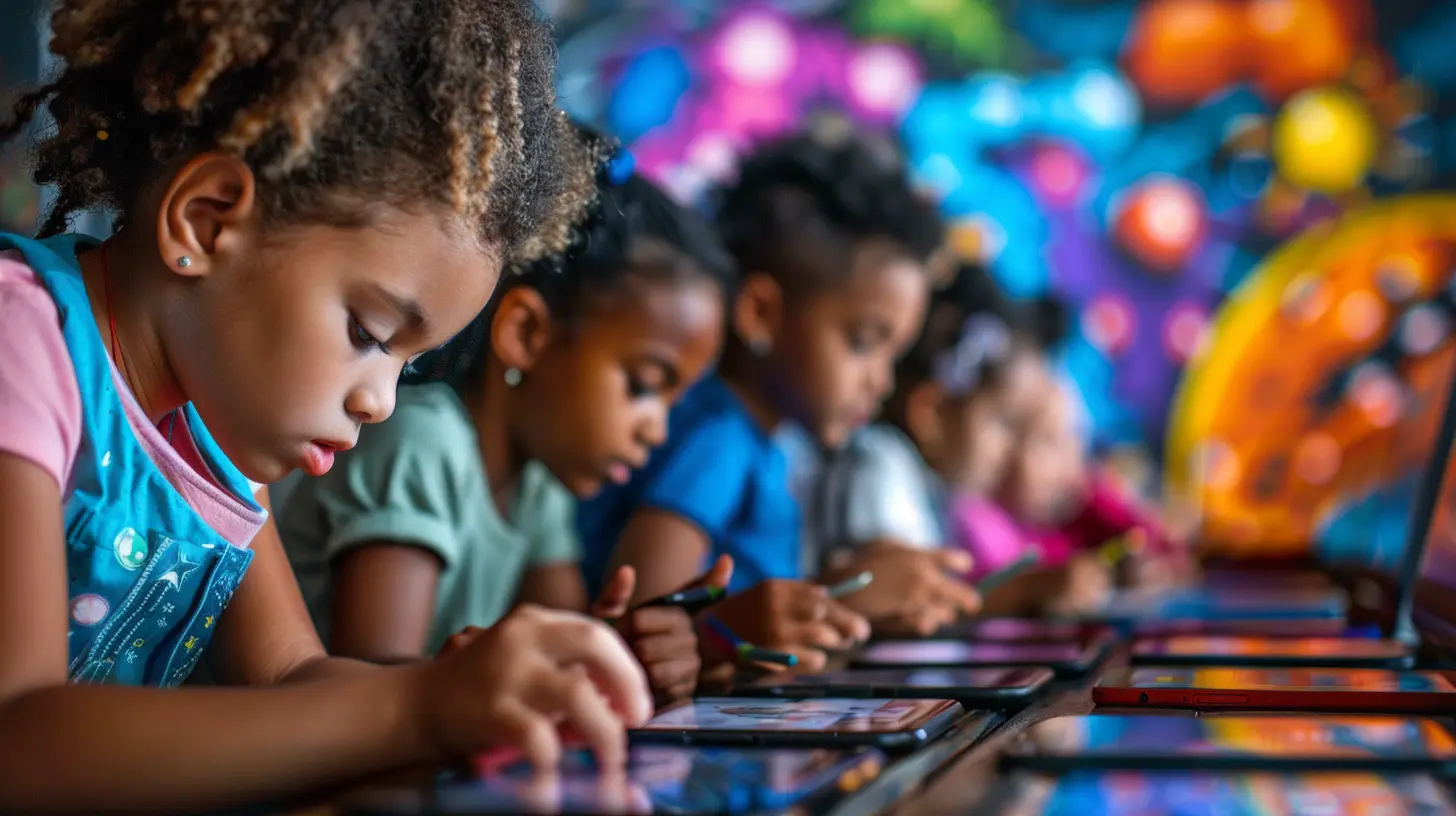
Challenges of Technology in Classrooms
While technology has revolutionized education, it’s not without its challenges. Let’s address some common concerns:1. Digital Distractions
With access to the internet, students can easily get distracted by social media, games, or unrelated content. Maintaining focus in a tech-driven classroom can be a challenge for both students and teachers.2. The Digital Divide
Not every student has access to high-speed internet or advanced devices. This gap in resources creates inequality in learning opportunities, particularly for students from low-income backgrounds.3. Over-Reliance on Technology
While technology enhances learning, it shouldn’t replace traditional teaching methods entirely. Critical thinking, creativity, and real-world problem-solving still require hands-on experiences beyond screens.4. Privacy and Security Concerns
With so much student data stored online, cybersecurity is a growing concern. Schools must ensure that personal information is protected against breaches and misuse.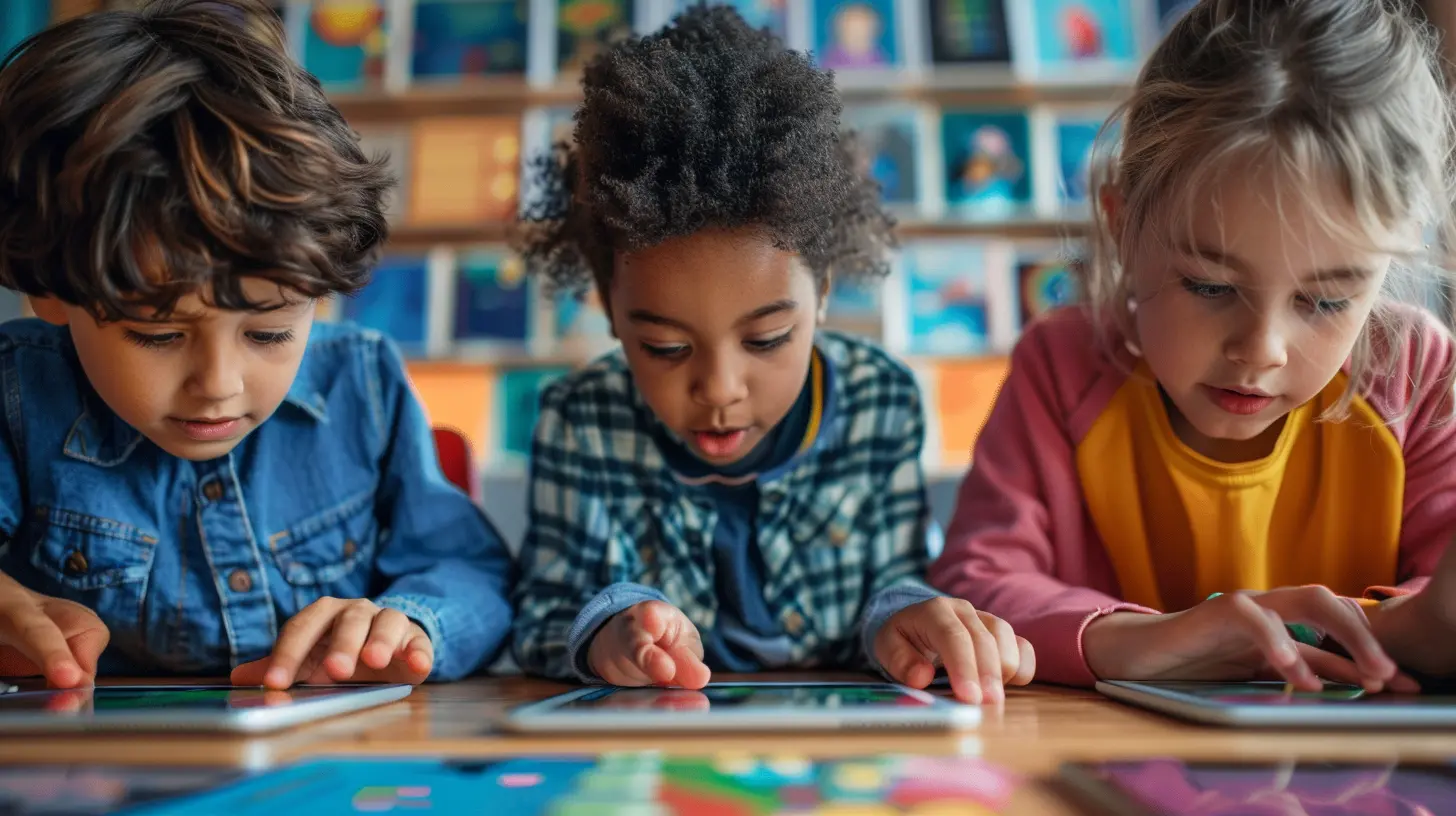
Striking the Right Balance
So, does this mean technology should replace traditional teaching? Absolutely not! The key is balance—blending technology with conventional education methods to create a well-rounded learning experience.A successful modern classroom should:
✔ Use technology as a tool, not a crutch.
✔ Encourage interaction and critical thinking beyond screens.
✔ Ensure every student has access to digital resources.
✔ Maintain cybersecurity and data privacy.
Technology should empower, not hinder, education. With mindful integration, it can enhance learning experiences while preserving essential human connections in the classroom.
The Future of Technology in Education
The evolution of educational technology is far from over. As innovations continue to shape the learning landscape, we can expect even more exciting advancements, such as:? AI-powered virtual teachers – Offering real-time tutoring and personalized learning experiences.
? Augmented Reality (AR) classrooms – Bringing historical events, scientific experiments, and artistic creations to life.
? Blockchain in education – Securing academic records and simplifying credential verification.
? Gamified learning experiences – Making education more engaging and motivating for students.
The future classroom won’t just be a place—it will be an experience. A space where students actively interact with knowledge rather than passively receiving it.
Final Thoughts
Technology has undeniably modernized classroom learning in ways we never thought possible. It has made education more accessible, engaging, and personalized. However, like any tool, it's all about how we use it. If integrated thoughtfully, technology can create a learning environment that equips students with the skills they need for the future while preserving the essence of traditional teaching.At the end of the day, the goal remains the same—to educate, inspire, and empower the next generation. Technology is simply helping us do that in more innovative and effective ways.
all images in this post were generated using AI tools
Category:
Education ReformAuthor:

Anita Harmon
Discussion
rate this article
1 comments
Kevin McFee
Great insights on how technology enhances classroom engagement and learning.
June 24, 2026 at 3:11 AM
Anita Harmon
Thank you! I'm glad you found the insights valuable. Technology truly makes a difference in engaging students.