The Role of Community in Shaping Educational Outcomes
30 June 2026
Let’s be real for a minute — education isn’t just about textbooks, test scores, and teachers. Sure, the classroom is essential, but the truth is, a child’s education begins long before they ever step into a school building, and it continues long after the final bell rings. So what actually fills in those gaps? Community.
Yep, believe it or not, community plays a massive (and often underrated) role in shaping how kids grow, learn, and succeed in school — and in life.
From parents to neighbors, from local libraries to sports teams, and from after-school programs to mentors — everyone in a child’s orbit contributes to their learning journey. So, let’s unpack the “how” and “why” behind this powerful idea.
Why Community Matters More Than You Think
Let’s start with something simple: learning doesn’t happen in a vacuum.You can have the best school in the country, the most qualified teachers, and all the latest technology in the classroom — but if the community around that school isn’t engaged and supportive, the results might still fall flat.
So why is that?
Because kids are like sponges. They absorb everything — not just lessons in math or science, but attitudes, values, encouragement (or lack thereof), and most importantly, belief in their potential. And this broader atmosphere — the community — either lifts them up or drags them down.
The Community as the Hidden Curriculum
Here’s a fun thought: even when school’s out, education isn’t.Every conversation with a parent, every interaction with a neighbor, every volunteer at a library event or every coach yelling encouragement on the field — it all counts.
This is what some folks call the “hidden curriculum.” It’s the stuff kids learn outside formal education — stuff like empathy, resilience, teamwork, respect, and even critical thinking. And guess what? It significantly shapes their academic mindset, too.
Think of it this way:
If school teaches you the ‘what’ of learning, community teaches you the ‘why’ and the ‘how’. It’s the emotional and social glue that holds that academic knowledge together.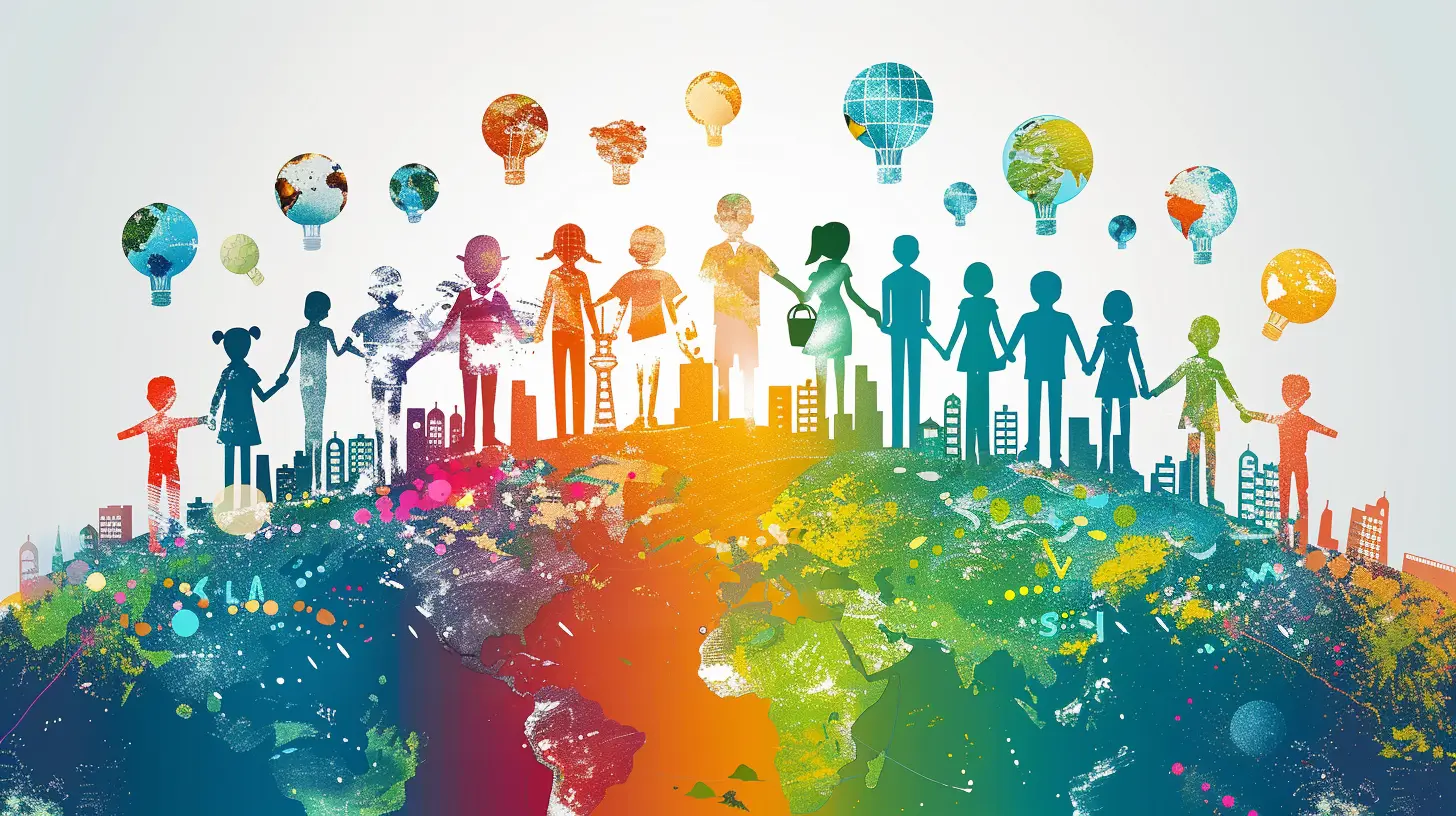
Support Systems Make or Break a Student’s Success
Ever heard the saying, "It takes a village to raise a child"?That’s not just a quaint little phrase. It’s a fact of life.
Support systems — whether it’s family, friends, mentors, or local organizations — are crucial. They’re the safety nets that catch students when they stumble and the ladders that help them climb higher.
Here’s what that looks like in action:
- A single mom who volunteers at her kid’s school not only shows her child that education matters — she models involvement and responsibility.- An older sibling helping with homework can make the difference between passing and failing a test.
- A community center offering after-school tutoring? That’s not just filling time — it’s filling gaps.
Every one of these examples is a simple act with a huge ripple effect.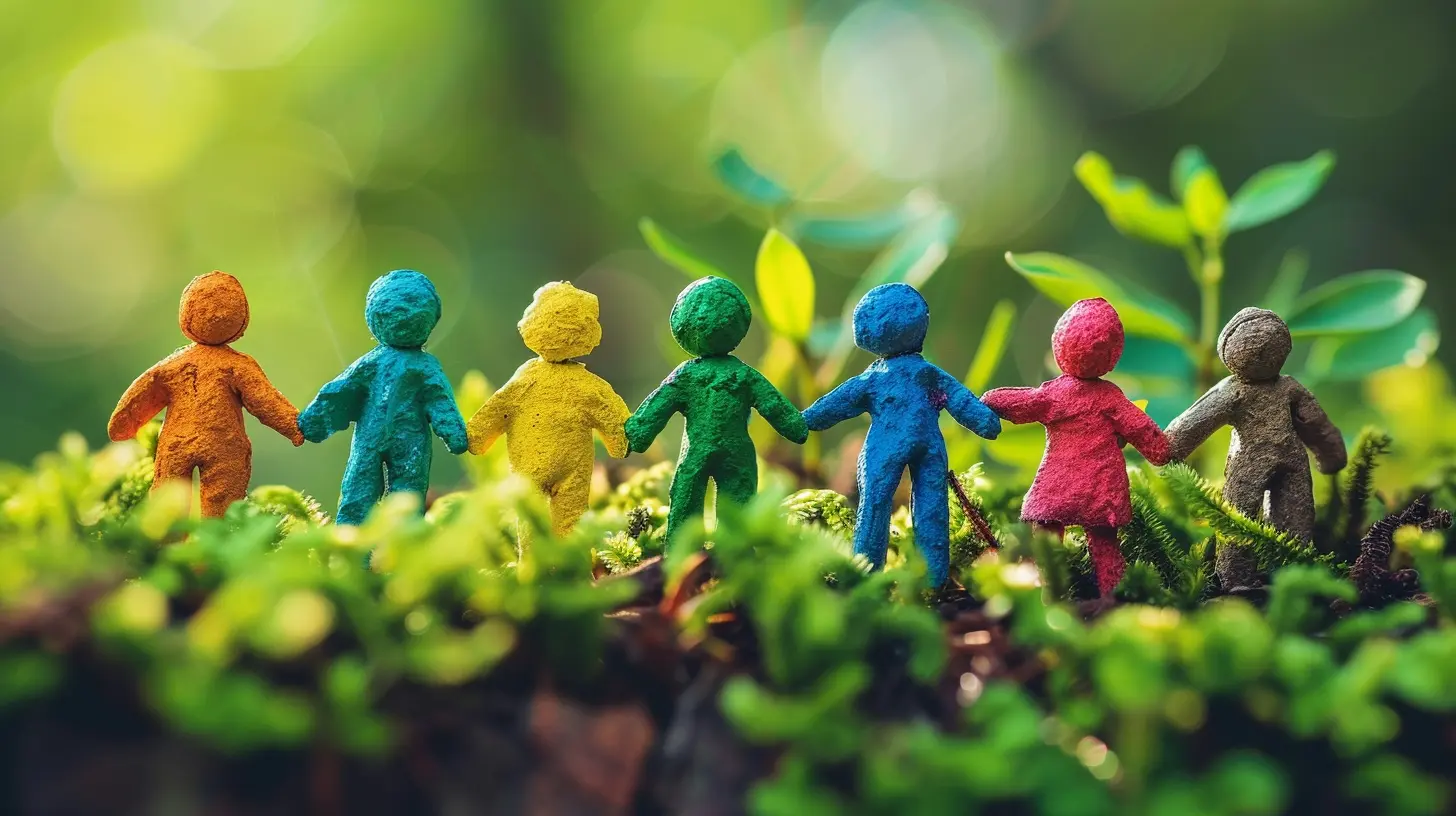
The Power of Positive Role Models in the Community
Kids need to see success to believe in it. And sometimes, what they see at home or in school isn't enough.That’s where role models come in — and no, we’re not just talking about celebrities or viral YouTubers.
We’re talking about:
- The nurse down the street.
- The entrepreneur who started their own business in town.
- The artist who turned passion into a career.
- The former student who came back to mentor kids at their old middle school.
These everyday heroes show young people what’s possible. They prove that success isn’t some far-off dream; it’s real, tangible, and within reach — especially when it comes from someone who walks the same streets, speaks the same language, or shares the same struggles.
Community-Based Learning: Making Education Real
Let’s be honest — some kids find school boring. And who can blame them? Sitting in a classroom, flipping through pages of abstract concepts with no clear relevance to real life… yeah, not the most exciting thing.But what if learning could be grounded in real-world experiences? That’s where community-based learning (CBL) steps in.
Here’s what it might look like:
- A science teacher partners with a local water treatment plant for a field trip.- A history class invites veterans from the community to share stories.
- Students work with a local business to start a mini-entrepreneurial project.
All of this bridges the gap between theory and practice. It helps students answer the age-old question, “When am I ever going to use this?” and actually see the answer.
Bridging Socioeconomic Gaps Through Community
Let’s tackle something honest but uncomfortable: not all kids start on equal footing. Poverty, food insecurity, unstable housing — these challenges aren’t just statistics. They are barriers that millions of students face daily.But here’s the good news — communities have the power to step in.
When local organizations provide meals, tutoring, safe spaces, school supplies, or mental health services, they’re not just doing charity work. They’re leveling the playing field, giving every child — no matter their zip code — a fair shot.
And the research backs it up: students from lower-income backgrounds perform significantly better in school when they have strong community support.
Parents and Caregivers: The First (and Most Influential) Teachers
Teachers and schools are vital, but let’s not forget who does the first round of educating — parents.From teaching toddlers their ABCs to guiding teens through tough social challenges, parents are education MVPs. But not all parents have the same resources or time. That’s where community support becomes vital again.
Programs that empower parents — like family literacy nights, parenting workshops, or even simple texts with educational tips — can make a huge difference.
When the community gives parents the tools they need, the benefits trickle down to the kids.
Schools and Communities: Not Two Worlds, But One
Too often, there’s a divide between schools and their surrounding communities. That’s a missed opportunity.When schools actively collaborate with local leaders, nonprofits, businesses, and families, something amazing happens: they create a shared sense of ownership over education.
Imagine a world where:
- Businesses offer internships to high schoolers.
- Faith groups volunteer as homework helpers.
- Local chefs teach nutrition classes in cafeterias.
- Retirees act as reading buddies in kindergarten classrooms.
Every person has something to give. When they do, schools transform from isolated institutions into community hubs — centers of learning, care, and growth.
The Emotional Impact: Belonging, Confidence, and Motivation
Let’s not overlook the emotional side of all this.When students feel like their community has their back, they don’t just perform better — they feel better. They’re more likely to show up, try harder, and aim higher.
Why? Because belonging fuels confidence. And confidence is rocket fuel for motivation.
Ever notice how a kid lights up when a neighbor brags about their science fair project? Or how proud they feel when their dance recital is packed with familiar faces? That’s the power of support in action. It tells them: “You matter. We see you. We believe in you.”
What Can We Do As Community Members?
So you might be wondering — “What can I, just one person, really do?” The answer: more than you think.Here are a few real, tangible things you can try:
- Volunteer at your local school — even an hour a week helps.
- Read to kids at your local library.
- Donate books, supplies, or your time.
- Support local education initiatives or after-school programs.
- Be a mentor — you don’t need to be perfect, just present.
Even the smallest act can plant a seed. You never know who’s watching or how much your involvement might mean.
Final Thoughts: We Rise By Lifting Each Other
At the end of the day, education isn't just about grades or diplomas. It's about preparing kids to thrive — emotionally, intellectually, and socially. That takes more than a classroom. It takes a community.So whether you're a parent, a teacher, a neighbor, or just someone who cares — you play a part. And trust me, it matters… more than you think.
Because when the community shows up for education, kids don’t just learn — they soar.
all images in this post were generated using AI tools
Category:
Education ReformAuthor:

Anita Harmon
Discussion
rate this article
1 comments
Lucy Ellison
This article beautifully highlights the vital connection between community and education. It's inspiring to see how collective efforts can truly transform learning experiences for everyone involved.
June 30, 2026 at 4:09 AM
Anita Harmon
Thank you! I'm glad you found the connection inspiring. Community truly plays a crucial role in enhancing education for all.