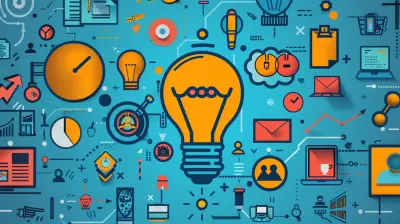
The Rise of Microlearning: Short Lessons, Big Impact
9 January 2026
In today's fast-paced world, attention spans are shorter than ever. People are juggling work, family, and personal development, leaving little time for traditional learning methods. That’s where microlearning comes in—a revolutionary approach to education that delivers small, bite-sized lessons with big results.
But what exactly is microlearning? And why is it becoming the go-to approach for learners and educators alike? Let’s dive in. 
What is Microlearning?
Imagine trying to eat an entire pizza in one bite—impossible, right? Now, think about eating it slice by slice. That’s exactly how microlearning works.Instead of long, overwhelming lectures or bulky textbooks, microlearning delivers information in short, digestible chunks. These lessons usually last anywhere from a few minutes to 15 minutes and focus on one specific concept at a time.
Microlearning can take many forms, including:
- Short videos
- Infographics
- Interactive quizzes
- Flashcards
- Mini-articles
- Podcast snippets
Think of it as learning in bite-sized portions—quick, easy, and effective. 
Why is Microlearning Gaining Popularity?
The rise of microlearning isn’t just a trend; it’s a response to the needs of modern learners. Let’s break down why people are embracing this approach.1. Time is Precious
Let’s be real—who has the time for hour-long lectures or reading hundreds of pages at once? Between work, family responsibilities, and social life, squeezing in learning can feel impossible. Microlearning makes knowledge accessible by offering short and impactful lessons that fit into even the busiest schedules.2. Better Retention & Engagement
Ever sat through a long lecture only to forget half of it by the next day? You’re not alone. Studies show that people learn and retain information better in small chunks. The human brain processes information more effectively when it's delivered in short bursts rather than in long, drawn-out sessions.3. Flexibility in Learning
With microlearning, you’re not tied to a classroom or a specific schedule. Whether you're waiting for your coffee to brew, commuting to work, or winding down before bed, you can squeeze in a lesson anytime, anywhere.4. Perfect for the Digital Age
Let’s face it—we live in a digital world where people scroll through social media, watch quick videos, and consume information in snackable formats. Microlearning aligns perfectly with this trend, making it a natural fit for today’s learners.5. Cost-Effective & Scalable
For businesses and educational institutions, microlearning is a game-changer. Instead of investing in costly training programs, companies can provide employees with quick and efficient training modules that are easy to update and scale over time.
How Microlearning is Changing Education
Microlearning isn’t just a corporate training tool—it’s reshaping the entire educational landscape. Let’s dive into how it’s making a difference.1. Schools & Universities
Traditional education models are being challenged. Instead of hour-long lectures, educators are integrating short, engaging lessons to improve student participation and retention. Tools like Khan Academy, Coursera, and YouTube tutorials embrace this microlearning style, making education more accessible and enjoyable.2. Workplace Training
Gone are the days of long, tedious corporate training sessions. Companies like Google, IBM, and Deloitte are now using microlearning modules to train employees on-the-go. Whether it's learning new software, brushing up on soft skills, or staying updated with industry trends—employees can absorb knowledge without feeling overwhelmed.3. Personal Development & Skill Building
Want to learn a new language, improve your public speaking, or master time management? Microlearning allows people to develop skills in small, actionable steps. Popular platforms like Duolingo, LinkedIn Learning, and MasterClass leverage microlearning techniques to help users build skills over time without burning out.
The Science Behind Microlearning
Microlearning isn’t just popular—it’s backed by science. Here’s why it works:1. The Spacing Effect
Research shows that spreading out learning over time (instead of cramming everything at once) leads to better retention. By consuming short lessons more frequently, learners remember concepts longer.2. Cognitive Load Theory
Our brains have a limit on how much information they can process at once. When we’re bombarded with information, we experience cognitive overload, making it harder to retain knowledge. Microlearning reduces this overload by focusing on one concept at a time, making learning easier and more effective.3. The Forgetting Curve
According to psychologist Hermann Ebbinghaus, people forget nearly 70% of what they learn within 24 hours if they don’t reinforce the material. Microlearning combats this by using short, repeated learning sessions, increasing retention over time.How to Implement Microlearning in Your Daily Life
Now that you know the benefits, how can you incorporate microlearning into your routine? Here are some practical tips:1. Use Learning Apps
Platforms like Duolingo, Quizlet, and Khan Academy provide quick lessons that fit into your schedule.2. Watch Short Tutorials
Instead of long webinars, opt for 5-10 minute video tutorials on YouTube or educational platforms.3. Listen to Podcasts
Tune into short, knowledge-packed podcast episodes while driving, cooking, or working out.4. Break Big Topics into Smaller Parts
Instead of reading an entire book in one go, break it down into one chapter or key lesson per day.5. Join Online Learning Communities
Platforms like Reddit, LinkedIn groups, and Discord communities offer quick discussions and shared resources for learning.The Future of Microlearning
Microlearning is here to stay—and for good reason. As technology advances, we’ll see even more innovative learning experiences, including:- AI-powered personalized lessons
- Virtual reality (VR) & augmented reality (AR) training
- Gamified microlearning experiences
- Interactive chatbot-led learning
The future of education is moving towards efficient, engaging, and accessible learning—all thanks to microlearning.
Final Thoughts
Microlearning is changing the way we absorb information, making education more practical, time-efficient, and engaging. Whether you're a student, a professional, or just someone eager to learn, microlearning offers an easy way to grow without feeling overwhelmed.So, the next time you have a few minutes to spare, why not use it to learn something new? A little knowledge each day can lead to huge improvements over time.
all images in this post were generated using AI tools
Category:
E LearningAuthor:

Anita Harmon
Discussion
rate this article
2 comments
Nathaniel McGowan
Microlearning effectively caters to modern learners' needs, offering concise content that enhances retention and engagement significantly.
February 6, 2026 at 4:31 AM
Anita Harmon
Thank you for your insight! I'm glad you recognize how microlearning aligns with today's learners for better retention and engagement.
Idris McMillen
Microlearning is revolutionizing education by delivering concise, targeted content that enhances retention and engagement. Embracing this approach can empower learners to absorb information effectively in our fast-paced world.
January 12, 2026 at 9:57 PM
Anita Harmon
Thank you for your insights! I completely agree—microlearning truly transforms education by making learning more accessible and effective in our rapidly changing environment.