The Lasting Impact of Bullying on Mental Health: What Schools Can Do
10 July 2026
Grab a chair, pour yourself a cup of coffee (or three), and let’s have a real talk about something way too many people know all too well — bullying. Yep. That cringe-worthy word that conjures up images of wedgies, name-calling, lunchroom exile, and social media warfare. But here’s the kicker: bullying isn’t just something you shake off like a bad haircut from 8th grade. Nah, its effects? They’re sneaky, sticky, and they love to linger — especially on your mental health.
So, what’s the real deal with bullying, and more importantly, what the heck can schools do to actually make it stop? Buckle up, friend, because this train is headed straight into the heart of bully town... and yes, we’re bringing snacks.
? What Is Bullying Anyway? A Quick Reality Check
Let’s be real — if you’ve ever been to school, you know bullying isn’t just some cartoon villain stuff where the big kid takes your lunch money. It comes in many flavors — and none of them are tasty.- Physical Bullying: Think hitting, pushing, or anything that would get you an instant red card in soccer.
- Verbal Bullying: Name-calling, insults, and sass that cuts deeper than your grandma’s lasagna knife.
- Social Bullying: Ever had someone spread rumors, exclude you from dodgeball, or ghost you IRL? Yep, that counts.
- Cyberbullying: This one’s the digital devil. Trolls, texts, and comments that feel like they were written by Lord Voldemort.
It doesn’t matter if it happens in the hallway, the group chat, or the bus ride home — bullying bruises more than just egos.
? Mental Health Isn't Just a Buzzword
Mental health is a lot like your Wi-Fi connection. You don’t always notice it when it’s working fine, but when things go south — oh boy, everyone’s affected. And bullying? It's like that one awful neighbor who keeps stealing your Wi-Fi and slowing down your mental speed.Let’s Talk Long-Term Damage
Here are some "fun" side effects of bullying (spoiler: they’re not fun at all):- Anxiety: That constant feeling like something bad’s about to happen? Might be thanks to years of being bullied.
- Depression: Feeling numb, hopeless, or just plain “blah” all the time? Yup, bullying can kickstart the blues.
- Low Self-Esteem: When your confidence plummets lower than your chemistry grade.
- PTSD: Sounds extreme, but yeah, bullying trauma can leave behind scars just like any other.
- Suicidal Thoughts: This one’s heavy, but real. Bullying can make people feel like they’ve hit emotional rock bottom.
And these impacts aren’t like those High School Musical songs that fade away after graduation. Nope — they often follow people into adulthood faster than student loans.
? So, Where Do Schools Fit In?
Okay, schools, it’s your time to shine. You've got the opportunity — nay, the responsibility — to be the hero in this dark tale. But first, let’s admit something important…Schools Are Not Just About Math and Misplaced Lockers
Let’s face it — no one’s out here saying, “Hey, I really hope I get bullied during third period today.” Kids go to school to learn, grow, and maybe even figure out how to pass algebra. Mental safety must be just as important as physical safety.So, what can schools actually do?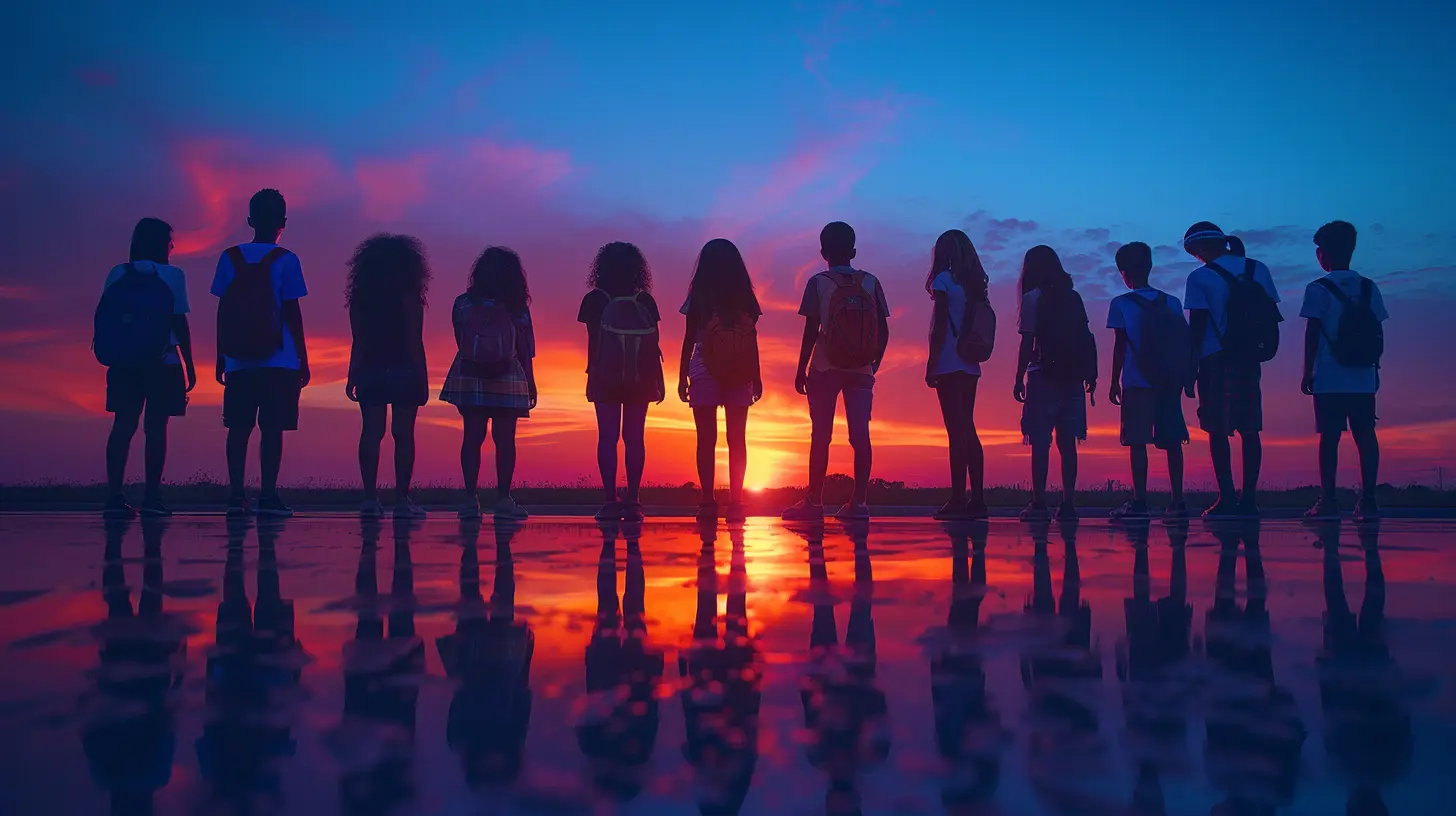
? Step 1: Real Talk — Acknowledge That Bullying Is Happening
Pretending bullying doesn’t exist is like pretending pineapple on pizza isn’t controversial. Just stop it.Schools need to stop sweeping it under the cafeteria rug and start:
- Encouraging students and staff to report bullying
- Creating anonymous reporting systems (because snitching can be scary)
- Listening without judgment (seriously… zip it and listen)
?? Step 2: Train Teachers To Be More Than Just Educators
Teachers wear a bajillion hats — educator, therapist, referee, snack distributor. But they need a little backup.How about some real training?
- Spot the Signs: Because sometimes it looks like a “bad mood” when it’s really a cry for help.
- Intervention Skills: Not the “everyone gather in a circle” kind, but the kind that shuts bullying down STAT.
- Empathy Tools: Teach teachers how to show students they’re safe, heard, and not alone.
Bonus: when teachers get it right, students feel like they’re not just walking backpacks in a crowded hallway.
? Step 3: Make Mental Health Resources As Normal As Pizza Day
Why is it easier to find a vending machine than a school counselor? Let’s twist that narrative, shall we?- Offer regular therapy sessions (yes, therapy is not just for rom-com protagonists)
- Bring in mental health professionals for group chats and workshops
- Create safe zones like “calm rooms” or “chill corners” for emotional timeouts
Normalize mental health like it's Wi-Fi — something everyone needs and deserves.
? Step 4: Get Parents in On the Action
Parents are not just for embarrassing Facebook posts and “back in my day” stories.Loop them in with:
- Honest progress reports that aren’t just about grades
- Workshops on identifying signs at home
- Encouragement to talk mental health at the dinner table (even if it’s over microwaved nuggets)
When school and home team up, bullies don’t stand a chance.
? Step 5: Monitor Social Media Without Going Full FBI
Cyberbullying is the Voldemort of the bullying world — silent, dangerous, and often unseen.Here's the trick:
- Educate students on responsible digital behavior
- Use tools to monitor hate speech without invading privacy (yes, there’s a balance)
- Encourage kindness online (maybe with some gamified challenges or hashtags)
No, you don’t need a TikTok account — just a plan.
? Step 6: Make It Cool to Be Kind
You know what should actually be trending? Compassion.Let’s make kindness the new popularity.
- Reward kindness (Think: “Student of the Month” but make it “Nicest Human Alive”)
- Launch peer mentoring programs
- Host anti-bullying clubs and let the cool kids sit there too
Kindness isn’t cheesy — it's contagious.
? But Wait, Can We Have Some Humor Around Here?
Absolutely. You can fight serious stuff with a little laughter, too. Being heavy 24/7 makes people tune out. Humor is the secret sauce of student engagement.- Use funny, relatable skits in assemblies
- Create parody posters on what NOT to do as a bully (think: “How to Lose Friends and Alienate People”)
- Make memes part of the curriculum for empathy... Yes, really
Because sometimes, laughter opens the door that lectures can’t.
? Let’s Bust Some Myths About Bullying
Let’s clear the air. There are more myths surrounding bullying than in an ancient Greek textbook.“Kids Will Be Kids”
No... Kids will be kind if you teach them how. Brushing it off is like ignoring a fire alarm.“Bullies Are Just Insecure”
Not always. Some are insecure, sure. Others are just trying to deal with their own pain. It’s complicated.“It Builds Character”
Getting picked on doesn’t build character — it builds anxiety.Myth-busting is key to addressing the issue with nuance, not nonsense.
? A World With Less Bullying Is Possible
I know, cue the rainbows and unicorns, but seriously — imagine a school where every kid feels safe to raise their hand without being mocked, to walk through the halls without dodging insults, and to wear whatever they want without fear of shade.That’s not a pipe dream. That’s a choice. Schools have the power to bake kindness into their culture. It starts with conversations, policies, and — dare we say — heart.
? TL;DR — Too Long; Definitely Read, But Here's a Recap Anyway:
- Bullying causes deep, lasting mental health issues.- Schools play a massive role in preventing and treating the fallout.
- It takes a team effort — teachers, parents, students, and administrators.
- Mental health should be as accessible as snack machines.
- Humor and kindness? They're your secret weapons.
Let’s make school less of a battlefield and more of a safe haven. Because every kid deserves to feel like they belong — even if they still can’t find their locker on day 100.
all images in this post were generated using AI tools
Category:
Bullying PreventionAuthor:

Anita Harmon
Discussion
rate this article
1 comments
Fenn McLaurin
Creating a safe school environment is essential. Together, we can empower students, break the cycle of bullying, and promote healing.
July 13, 2026 at 12:20 PM
Anita Harmon
I completely agree. A safe school environment is crucial for student well-being and growth. Together, we can make a difference.