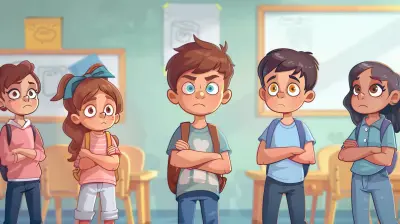
The Importance of Social-Emotional Learning in Education Reform
3 June 2026
Let’s face it—traditional education has always prioritized test scores, math drills, grammar rules, and textbook knowledge. But here’s the million-dollar question: are grades alone enough to help kids thrive in the real world?
The short answer? Not really.
That’s where Social-Emotional Learning (SEL) steps in like the missing puzzle piece in modern education. We’re talking about helping students manage emotions, build relationships, make thoughtful decisions, and develop empathy. It's less about memorization, and more about emotional intelligence. And in today’s fast-paced, often chaotic world, SEL is no longer a “nice-to-have.” It’s a “must-have.”
In this article, we’ll dig into why Social-Emotional Learning is the backbone of effective education reform and how it prepares kids not just to survive, but to actually thrive.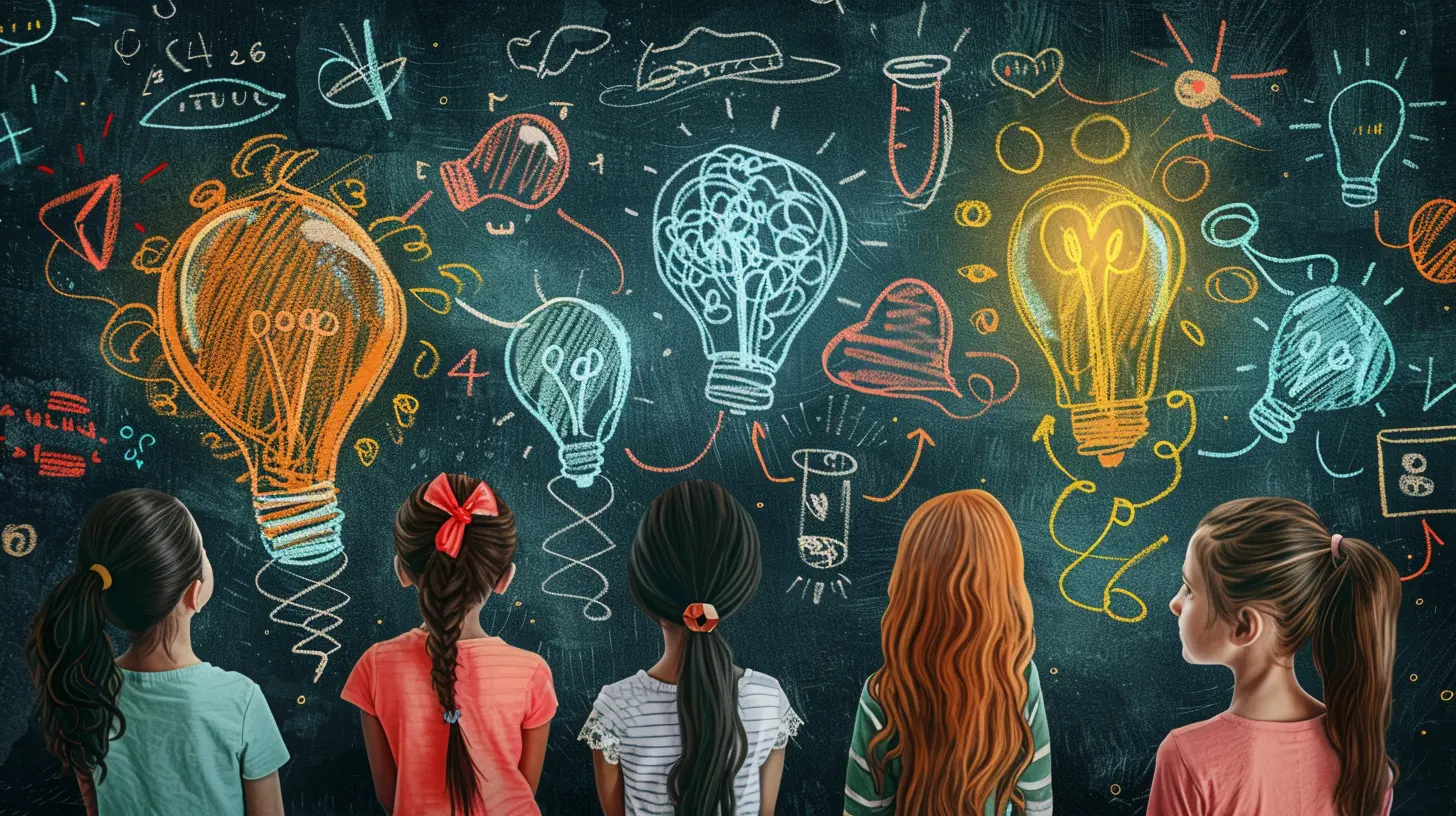
What Is Social-Emotional Learning (SEL) Anyway?
Before we dive in deeper, let’s understand what SEL really means.Social-Emotional Learning is basically teaching students emotional intelligence—how to understand and manage their own emotions, build healthy relationships, show empathy, and make responsible decisions. It’s like giving students the toolkit for life, not just school.
According to CASEL (Collaborative for Academic, Social, and Emotional Learning), SEL is built around five core competencies:
- Self-awareness
- Self-management
- Social awareness
- Relationship skills
- Responsible decision-making
Sounds simple, right? But don’t be fooled. These skills are powerful—and way too often overlooked in the current system.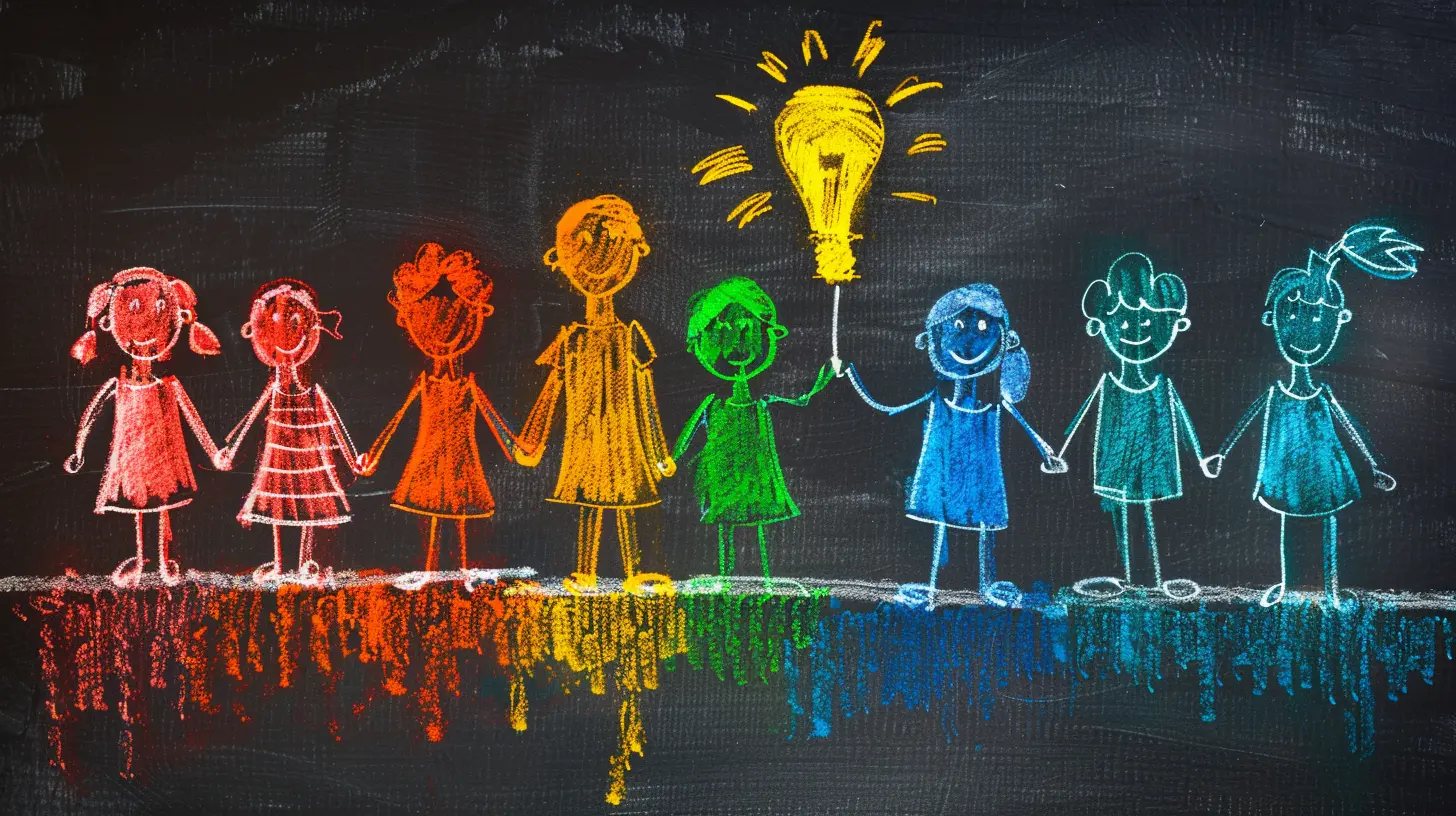
Why Traditional Education Falls Short
Let’s be real. The way many education systems operate right now? It’s outdated.Students are often treated like data points. Exams are the be-all and end-all. Imagination, creativity, and emotional well-being are pushed to the side so that schools can chase higher test scores. But what happens to kids who can solve a math problem but can’t handle peer pressure? What about those who ace history but can’t resolve conflict without blowing up?
This gap between academic knowledge and emotional intelligence is exactly what SEL is designed to fill.
SEL Isn’t Soft—It’s Smart
Some critics argue that SEL is too "fluffy" or that it's outside the scope of academic expectations. But let’s squash that myth right now.Incorporating SEL isn't about holding hands and singing songs (though that can be cool too). It's about giving students real-life tools: how to bounce back from failure, stay motivated, work well with others, and handle challenges with resilience.
Think of SEL like the emotional backbone of every successful person you know. Jeff Bezos? Emotional regulation. Michelle Obama? Empathy. Serena Williams? Perseverance and goal-setting.
So no, SEL isn’t soft, it’s smart—and strategic.
The Big Benefits of SEL in Education
You might be thinking: All this sounds good, but what’s the actual impact?Turns out, the benefits of Social-Emotional Learning are backed by real data and success stories. Let’s break it down:
1. Boosts Academic Performance
Believe it or not, students who develop strong social-emotional skills tend to perform better in school. A meta-analysis by CASEL found that SEL programs improved students’ academic performance by 11 percentile points.Why? Because when students feel safe, supported, and emotionally balanced, they actually learn better.
2. Reduces Behavioral Issues
Kids who understand their emotions are less likely to act out in class. SEL fosters self-control, empathy, and conflict resolution—all things that reduce disruptions and help classrooms run smoothly.Think of SEL as noise-canceling headphones for drama.
3. Builds Strong Relationships
Whether it’s with peers, teachers, or future employers, relationship skills are vital. SEL teaches kids how to listen, express themselves clearly, and handle disagreements without losing their cool.And let’s be honest—strong people skills are the real MVPs in both personal and professional life.
4. Supports Mental Health
In today’s anxiety-filled world, mental health challenges among students are rising fast. SEL gives students the emotional tools to cope with stress, anxiety, and even trauma.It's like an emotional first-aid kit that saves lives—literally.
5. Prepares Students for the Real World
Graduating with a 4.0 GPA is amazing. But what if you can’t communicate in a team setting? Or bounce back from a job rejection?SEL prepares students for life outside the classroom by helping them become emotionally intelligent adults who can adapt, thrive, and lead.
SEL and Equity: Leveling the Playing Field
Another reason SEL is crucial in education reform? It promotes equity.Imagine a classroom where every student, no matter their background, is taught how to navigate emotional challenges, build confidence, and find their voice. That’s a game-changer—especially for students who face trauma, discrimination, or economic hardship.
By incorporating SEL, schools create an inclusive, culturally responsive environment that gives every child a fighting chance.
What SEL Looks Like in Action
So how do you actually implement SEL in schools? It’s not about cramming another subject into an already packed schedule. It’s about weaving emotional learning into everything students already do.Here’s what it can look like:
- Morning check-ins where students share how they’re feeling
- Group projects that focus on teamwork and communication
- Journaling or reflection exercises
- Talking about emotions during literature discussions
- Role-playing real-life scenarios like handling peer pressure
It’s not rocket science—it’s just a shift in focus.
The Role of Teachers in SEL
Teachers are basically the emotional guides of the classroom. They set the tone. If an educator models empathy, patience, and resilience, students notice—and they learn faster than you think.But here’s the catch: teachers need SEL support too.
Professional development programs should train teachers on their own emotional regulation, stress management, and relationship-building. Because a supported teacher creates a supported classroom.
It’s like they say—put your own oxygen mask on first before helping others.
Technology & SEL: Friends or Foes?
We’re living in the digital age, so ignoring tech is not an option. In fact, when used right, technology can actually support SEL.There are tons of apps, games, and platforms designed to teach skills like mindfulness, emotional regulation, and communication. But a screen alone isn't enough.
Technology should be used to enhance, not replace, human interaction. The secret sauce still lies in face-to-face relationships.
Parents + Communities: The Missing Piece
Here’s the truth: SEL doesn’t stop at the school gates. For it to work, parents and communities need to be part of the picture.When schools and families work together, the impact of SEL multiplies. Imagine a student learning empathy at school and practicing it at home. Or learning conflict resolution in the classroom and applying it with siblings.
That kind of consistency builds emotionally intelligent adults, not just well-behaved students.
Barriers to SEL—and How to Beat Them
Of course, nothing worth doing comes easy. Implementing SEL in education reform faces a few roadblocks:- Lack of training for teachers
- Misconceptions that SEL takes time away from academics
- Limited funding
- Resistance to change
But here’s the good news: all of these can be addressed with the right approach.
By integrating SEL into regular curriculum, providing clear data on its academic benefits, and getting buy-in from administrators, even the most stubborn systems can evolve.
The Future of Education Is Whole-Child Focused
Looking ahead, it’s clear the future of education isn’t just about producing top-scoring students. It’s about raising well-rounded, compassionate, emotionally intelligent human beings.Bringing SEL into the center of education reform isn’t idealistic—it’s realistic. Because in today’s world, emotional intelligence isn’t second best to IQ. It’s a superpower.
Let’s give our kids the whole package: academic skills + emotional strength.
Final Thoughts
Education reform is long overdue. But it won’t come from adding more tests or longer homework assignments. True reform starts with recognizing that kids aren’t just students—they’re people.Social-Emotional Learning is the bridge between academic success and real-life readiness. It creates happier classrooms, stronger communities, and a more compassionate world. And if that’s not worth fighting for, what is?
all images in this post were generated using AI tools
Category:
Education ReformAuthor:

Anita Harmon
Discussion
rate this article
1 comments
Vanessa Sullivan
Social-emotional learning is like the secret ingredient in education. It not only helps kids manage their feelings but also builds a stronger sense of community. When students feel understood, they thrive. Let's push for this vital change in our schools together!
June 7, 2026 at 2:33 AM
Anita Harmon
I completely agree. Social-emotional learning is essential for creating supportive environments where students can truly flourish. Let's advocate for its integration in schools.