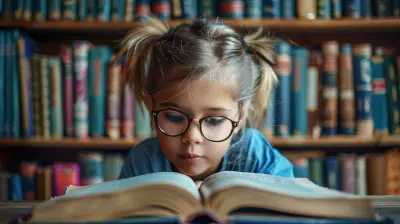
How Personalized Learning Can Benefit Every Student
27 June 2026
Education isn't a one-size-fits-all experience. Every student is unique, with different learning styles, strengths, and challenges. So why do traditional classrooms still follow a rigid, standardized approach? Enter personalized learning, the game-changer in modern education that caters to individual needs instead of forcing every student into the same mold.
If you've been wondering how personalized learning can transform education and help every student reach their full potential, buckle up! We're about to dive deep into why this approach is a total game-changer.
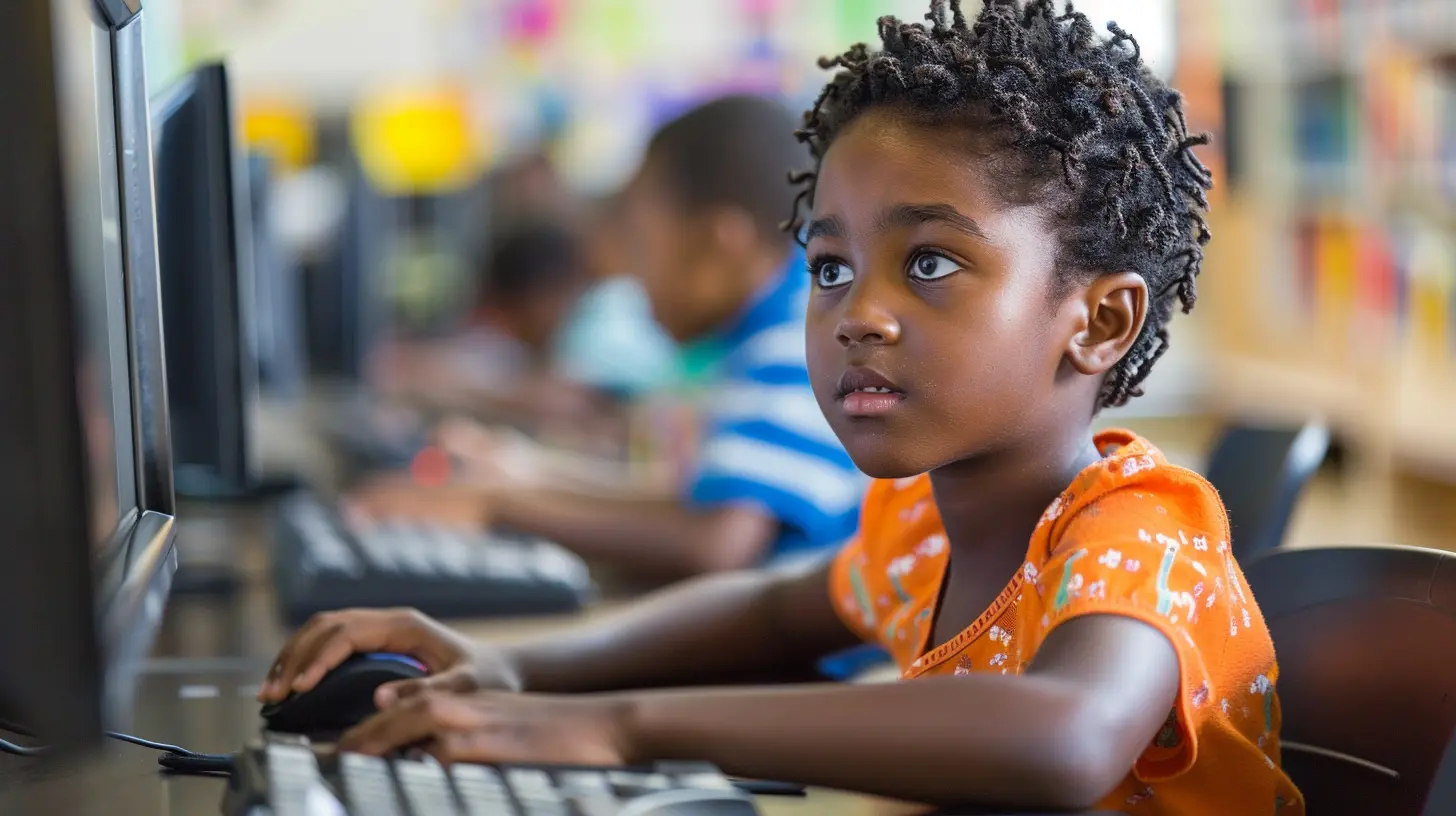
What Is Personalized Learning?
Before we break down the benefits, let's get a clear understanding of what personalized learning actually means.Personalized learning is an educational approach that tailors curriculum, instruction, and learning pace to each student's needs. Unlike traditional methods where every student follows the same lessons, personalized learning adapts to individual progress, preferences, and strengths.
This method leverages technology, teacher guidance, and flexible strategies to create a customized learning experience—kind of like having a personal trainer for your brain instead of a one-size-fits-all workout routine.
Now, let’s get into the real deal—how does this approach actually benefit students?
1. It Helps Students Learn at Their Own Pace
Ever felt like a class was moving too fast, leaving some students struggling while others were bored? That’s the biggest flaw of the traditional system. Personalized learning fixes this by allowing students to learn at a pace that suits them.- Struggling students get more time to grasp difficult concepts.
- Advanced learners don’t have to wait for others to catch up—they can move ahead.
- No one is left behind, and no one is held back.
With personalized learning, education isn't a race where some students lag while others sprint. Instead, it’s a tailored journey designed for success.
2. Increases Engagement and Motivation
Let's be real—most students find school boring. Why? Because they don’t see the relevance of what they’re learning, or they feel disconnected from the material.Personalized learning makes education more engaging by aligning lessons with students' interests, goals, and preferred learning styles. For example:
- A student passionate about music can learn math concepts through rhythm and beats.
- Visual learners can use interactive videos rather than dry textbooks.
- Hands-on learners can engage in real-world projects instead of just memorizing lectures.
When students see how lessons connect to their passions, they become naturally motivated to learn.
3. Boosts Confidence and Independence
Traditional classrooms can sometimes crush confidence. Students who struggle may feel inadequate, while those who excel might feel unchallenged. Personalized learning eliminates this issue by giving students control over their educational experience.- They take ownership of their learning journey.
- They set goals and track their progress.
- They build problem-solving and critical-thinking skills.
Think of it like riding a bike—when you’re in control, you learn better and faster.
4. Teachers Can Provide Better Support
Teachers play a crucial role in education, but in a packed classroom, it's nearly impossible to give every student the attention they deserve. Personalized learning bridges this gap by:- Using technology to track student progress in real-time.
- Allowing teachers to identify weaknesses and provide targeted support.
- Freeing up time for meaningful interactions between students and teachers.
Instead of drowning in one-size-fits-all lesson plans, teachers can focus on what each student actually needs to thrive.
5. Encourages a Growth Mindset
Fixed mindsets—where students believe intelligence is static—are a major barrier to learning. Personalized learning fosters a growth mindset, where students understand that intelligence and skills can be developed with effort.They realize:
✔ Struggles are just part of the learning process.
✔ Mistakes are learning opportunities, not failures.
✔ Persistence leads to progress.
This mindset shift can be a game-changer not just in the classroom but in every aspect of life.
6. Prepares Students for the Real World
Let’s be honest—memorizing facts for standardized tests won’t help students in real life. What actually matters? Critical thinking, problem-solving, self-discipline, and adaptability.Personalized learning mirrors real-world experiences:
- Employees don’t all work at the same pace—why should students?
- People find different ways to complete the same task—why should education be any different?
- The world values innovation and independence—personalized learning fosters both.
By developing these real-world skills early, students are better prepared for careers, relationships, and lifelong learning.
7. Technology Makes It More Accessible
Thanks to advancements in AI, data analytics, and adaptive learning software, personalized education is easier to implement than ever. Schools can now:- Use AI-driven platforms to customize lesson plans.
- Provide instant feedback to students.
- Offer virtual tutors that adjust to students’ strengths and weaknesses.
Technology isn’t replacing teachers—it’s empowering them to provide better, more customized education for every student.
Challenges of Personalized Learning (and How to Overcome Them)
Of course, no approach is perfect. Here are some common roadblocks and how to tackle them:1. Teachers Need Proper Training
Implementing personalized learning requires teachers to shift their approach. Schools must offer professional development programs to ensure educators are ready.2. Technology Access Can Be Limited
Not all students have access to laptops, tablets, or a stable internet connection. Schools should invest in device-sharing programs or low-cost tech solutions to ensure inclusivity.3. Standardized Testing Still Exists
Many education systems rely on standardized testing, which doesn't always align with personalized learning. However, schools can blend both approaches by teaching core concepts in personalized ways while preparing students for exams.With the right strategies, these challenges can be handled effectively, making personalized learning a reality for every student.
Final Thoughts: The Future of Education Is Personal
Personalized learning isn’t just an educational trend—it’s the future. It recognizes that every student is different and deserves an approach that plays to their strengths.By tailoring education to individual needs, we’re not just improving grades—we’re creating confident, engaged, and motivated learners ready to take on the world.
So, the big question is: Why are we still using outdated methods when we have a better way? It's time to ditch the cookie-cutter approach and embrace personalized learning as the key to unlocking every student's full potential.
all images in this post were generated using AI tools
Category:
Education ReformAuthor:

Anita Harmon
Discussion
rate this article
1 comments
Brooke Bailey
Personalized learning reshapes education by meeting each student where they are. This tailored approach not only boosts engagement but also recognizes individual strengths and weaknesses. By fostering a supportive environment, teachers can empower students to take ownership of their learning, ultimately leading to improved outcomes and a deeper understanding of the material.
June 29, 2026 at 2:17 AM
Anita Harmon
Absolutely! Personalized learning truly transforms education by addressing each student's unique needs. It's exciting to see how this approach not only engages students but also helps them thrive academically.