The Impact of Virtual Reality on E-Learning and Training
13 March 2026
Imagine putting on a headset and being instantly transported into a different world—a world where you're not reading about ancient Rome; you're literally walking its cobblestone streets, hearing the chatter of merchants, and watching Julius Caesar deliver a speech. Sounds like science fiction, right? Well, thanks to Virtual Reality (VR), this isn't some far-off future. It’s happening right now, and it’s shaking up how we learn and train like never before.
Let’s dive into how VR is changing the way we think about education, training, and everything in between.
What Exactly Is Virtual Reality (VR)?
Before we unravel the mystery, let’s get on the same page. VR is a computer-generated simulation that lets users interact with a 3D environment in a seemingly real or physical way using special electronic gadgets like headsets, gloves, and sometimes even full-body suits.Instead of reading or watching from the sidelines, you’re thrown into the experience. Think of it as the closest thing to teleportation we currently have. Wild, right?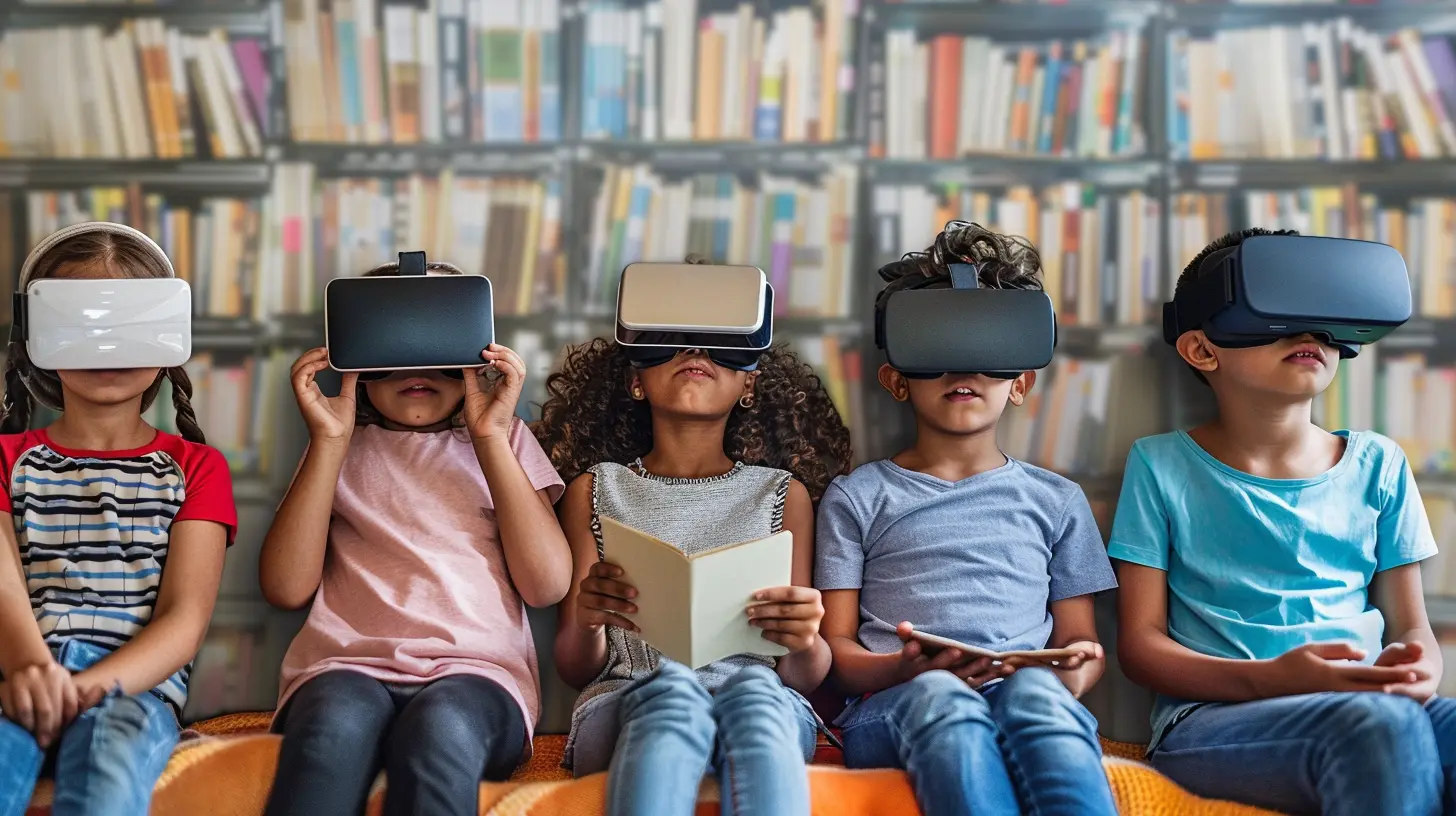
The Shift: From Traditional Classrooms to Virtual Worlds
We’ve all been there—staring at a chalkboard, flipping through dry textbooks, or zoning out during a long PowerPoint presentation. Traditional education methods have served us for centuries, but let’s be honest—they’re far from perfect.Then came the digital age. Laptops, online courses, e-books. Sure, they helped. But VR is something else. It’s not just about watching; it’s about being there. That’s a game-changer.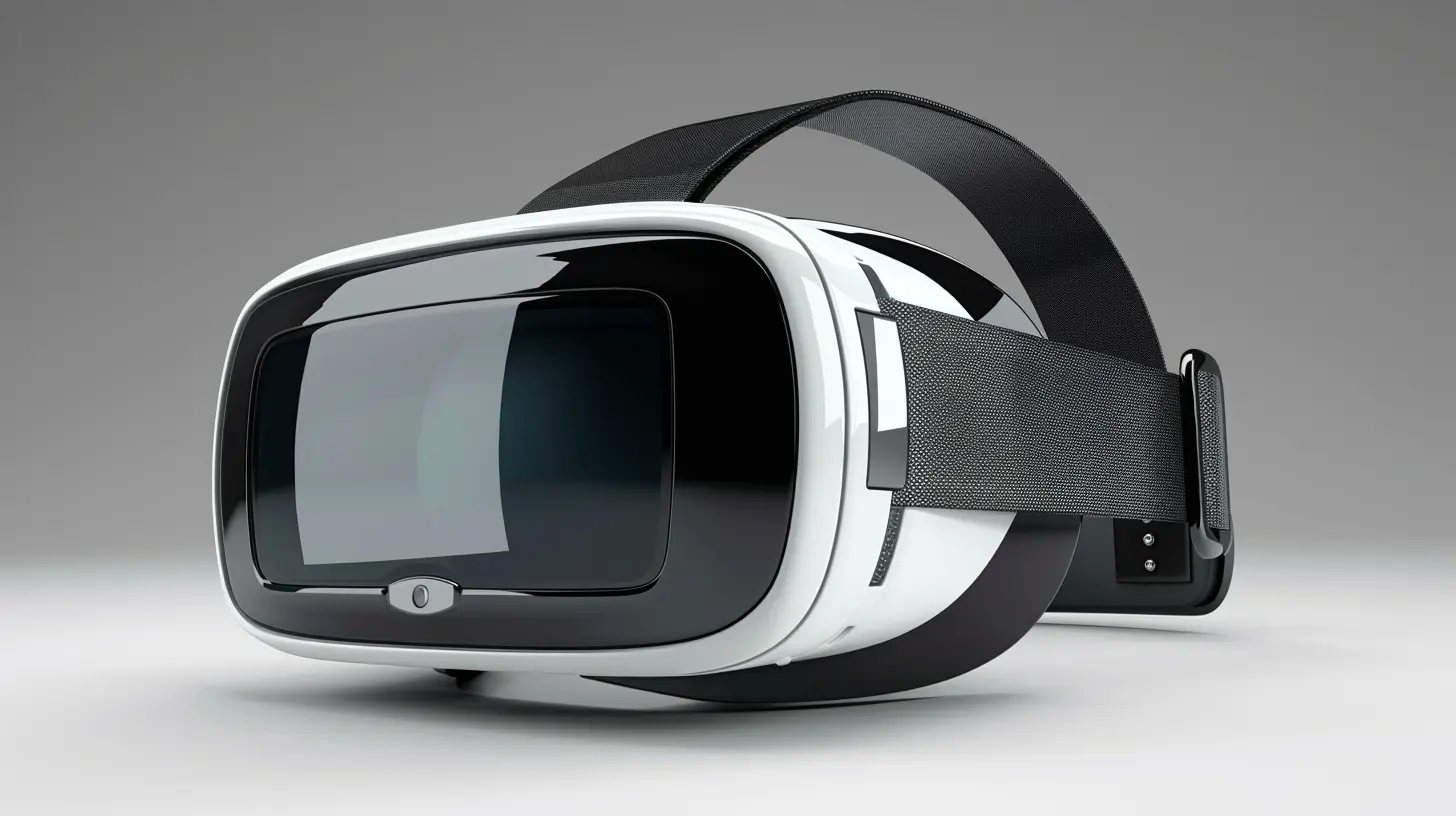
Why VR in E-Learning and Training Is Such a Big Deal
So, why is everyone buzzing about this? Here are a few jaw-dropping reasons why VR is revolutionizing e-learning:1. 🧠 Learning by Doing (Not Just Watching)
Let’s say you’re training to become a surgeon. Would you rather:- A) Read a manual about how to perform surgery,
- B) Watch a video about surgery, or
- C) Actually perform a simulated surgery in a virtual environment?
Option C wins every time. Why? Because we retain so much more when we experience something. VR taps into experiential learning, which is way more effective than passive learning.
2. 📉 Fewer Mistakes, More Confidence
Think about high-stakes industries—aviation, military, medicine. Mistakes can literally cost lives. VR allows trainees to practice in realistic conditions without the real-world consequences of failure. Crash a plane in VR? No big deal. You learn and try again.This safe space builds confidence and muscle memory, so when the real moment comes, they’re sharp and ready.
3. 🌍 Accessibility and Inclusivity
Whether you're in the bustling heart of New York or a small village in India, VR can bring the same high-quality training to your doorstep. No need to travel for expensive, hands-on training. Just pop on a headset and you’re in business.It also helps learners with disabilities access environments and experiences that may have been completely out of reach before. That’s pretty powerful.
4. 🔄 Real-Time Feedback and Adaptation
Smart VR systems can track your actions, provide real-time feedback, and adapt the simulation based on your performance. Imagine if your math teacher could instantly tweak your lesson as you worked through it, giving you exactly what you need.That’s personalization on steroids.
Industries That Are Already Harnessing the Power of VR
You might be surprised at how many sectors are already using VR to revamp their training and educational systems.👩⚕️ Healthcare
Medical students are using VR to practice surgeries, diagnosis, and even patient interaction. It’s like having an infinite number of patients and bodies to learn from—without any of the ethical concerns.✈️ Aviation
Pilots now undergo significant parts of their training in VR simulators. They can experience turbulence, storms, and emergency landings without ever leaving the ground.🧱 Engineering & Architecture
Students and professionals can walk through their designs in 3D before even laying a single brick. Want to see how sunlight hits a proposed building at different times of the year? VR makes that possible.🧑🏫 K-12 & Higher Education
More and more schools are introducing VR field trips, virtual science labs, and historical reconstructions. Suddenly, learning isn’t confined to a desk and a blackboard.🛒 Corporate Training
From soft skills like negotiation and public speaking to logistical training, businesses are using VR to onboard and skill-up employees more efficiently than ever.The Psychology Behind It: Why Is VR So Effective?
There’s a reason why VR works so well for education and training—it’s rooted in how our brains are wired.Memory Retention
Studies show that simulations and immersive environments can significantly improve memory recall. It's like your brain bookmarks the experience as something personal rather than just informational.Emotional Engagement
VR taps into your emotions. It’s hard not to feel something when you’re face-to-face with a virtual human being crying in a counseling simulation, or when you're navigating a crisis like a first responder.And we learn better when we care.
Challenges and Concerns: It’s Not All Rainbows and Headsets
Let’s be real—nothing’s perfect. As exciting as VR is, it’s not without its hurdles.💸 High Cost
VR equipment and software development can be pricey. Not every school or company can afford to fully integrate it—at least not yet.🤢 Motion Sickness
Some users experience nausea or dizziness when using VR for extended periods. While the tech is improving, it can still be a barrier.🕳️ Limited Content
VR content creation takes time, skill, and money. There’s still a long way to go before there’s a VR module for every subject and skillset.🔍 Privacy and Data
Many VR systems track movements, eye patterns, and personal information. Without proper data protections, this could be a privacy nightmare waiting to happen.The Future of VR in E-Learning: What’s Coming Next?
Now for the fun part—where is all this going? Here’s a sneak peek into the (very near) future:1. Haptic Feedback and Full-Body Simulations
Imagine feeling heat, pressure, or texture in VR. With advanced suits and gloves, that’s almost here.2. AI-Powered Virtual Teachers
Your smart assistant might not just book your meetings someday—it might be your personal tutor, walking you through complex topics in a customized VR space.3. Multi-User Shared Learning Spaces
Think Zoom, but in a 3D world where you can high-five, collaborate on projects, or conduct experiments together with peers across the globe.4. Microlearning in VR
Short, bite-sized lessons inside immersive environments? Yes, please. Perfect for busy folks who want to squeeze in a quick skill upgrade without committing to long courses.Should You Jump on the VR Bandwagon?
Great question, right? Honestly, the answer depends on your goals. If you're an educator, integrating VR can blow your students' minds and boost their engagement. If you’re in corporate training, it can skyrocket productivity and reduce costly errors.But it’s not a one-size-fits-all solution. Start small—maybe with a standalone VR module or a pilot program. See how it fits. Chances are, once you dip your toes in, you’ll want to dive all the way.
Final Thoughts
Virtual Reality isn’t just a gimmick or a buzzword—it’s quietly (and sometimes loudly) rewriting the playbook on how we teach, learn, and grow. It pushes past the boundaries of geography, budgets, and even imagination.So the next time someone says "school’s boring" or "training's a drag", just hand them a VR headset—and watch the magic happen.
all images in this post were generated using AI tools
Category:
E LearningAuthor:

Anita Harmon
Discussion
rate this article
2 comments
Colin O'Neal
Virtual reality revolutionizes e-learning—immersive experiences engage learners like never before, transforming education and training forever.
March 24, 2026 at 3:19 AM
Anita Harmon
Thank you for your insight! Virtual reality indeed offers unprecedented engagement and potential to enhance learning experiences in education and training.
Bella Matthews
Virtual reality in e-learning: finally a way to escape the classroom without getting caught skipping class!
March 13, 2026 at 11:52 AM
Anita Harmon
While VR offers immersive experiences that can enhance learning, it's important to remember that engagement and participation are key to truly benefiting from e-learning.