Preventing Bullying in Sports Teams: The Coach’s Role
24 February 2026
When we think about sports, we often imagine camaraderie, teamwork, and the thrill of competition. But unfortunately, sports teams can also become breeding grounds for bullying if left unchecked. Whether it’s in the locker room, on the field, or during practice, bullying in sports is more common than many might think. So, what can be done to prevent it? It all starts with the coach.
Coaches hold a unique position of influence and leadership. They set the tone for the team’s culture, and their actions (or inactions) can significantly impact whether bullying is tolerated or stopped in its tracks. Let’s dive into how coaches can take an active role in preventing bullying and fostering a positive, inclusive environment for all young athletes.
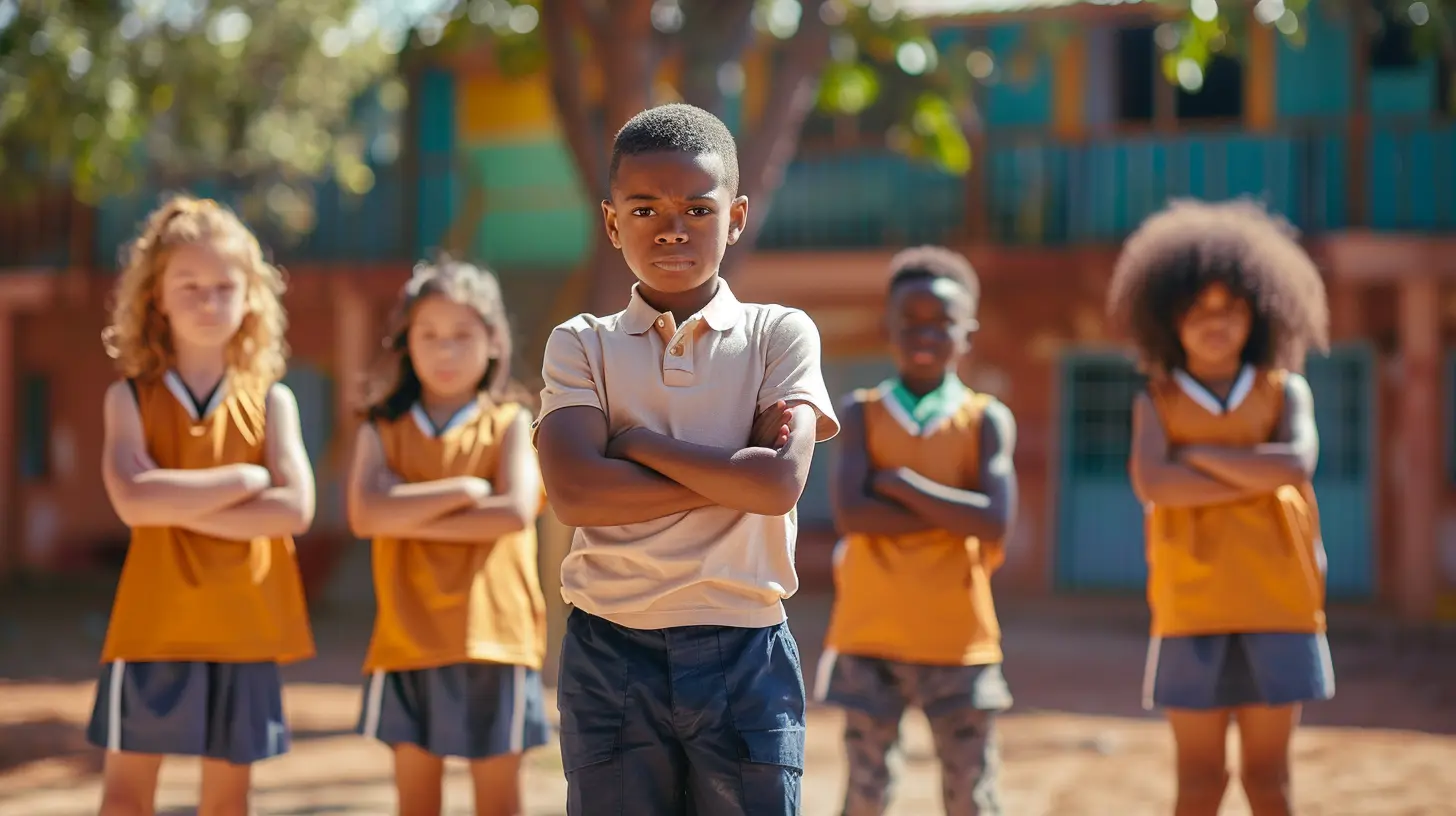
Understanding Bullying in Sports
Before we talk about prevention, it’s essential to understand what bullying looks like in a sports context. Bullying in sports can take many forms, including:- Physical bullying: This could be anything from pushing and shoving during practice to more severe acts of physical harm.
- Verbal bullying: Name-calling, insults, and taunts that target a player's abilities, appearance, or personal characteristics.
- Social bullying: Purposefully excluding a player from team activities or spreading rumors.
- Cyberbullying: In today’s digital world, bullying doesn’t always end when practice is over. Hurtful comments or messages can follow players online.
This can lead to devastating consequences. Bullying can destroy a player’s self-esteem, causing them to withdraw from the team or even quit sports altogether. It affects not only their performance on the field but also their mental health and well-being.
So, how can coaches stop this before it starts?

Creating a Positive Team Culture
One of the most effective ways to prevent bullying is by fostering a positive team culture from day one. As the coach, you're not just responsible for teaching athletes how to run drills or throw a ball. You’re shaping the team’s values and attitudes.But how exactly do you create this culture?
1. Establish Clear Expectations
From the very first practice, it’s crucial to set the tone. Make it clear that bullying, in any form, will not be tolerated on your team. You can even create a team code of conduct, outlining the behaviors that are expected from all players.Be specific. Vague statements like “treat each other with respect” won’t cut it. Instead, focus on concrete actions. For example, "All players must encourage one another during practice" or "No one should be left out during drills."
2. Lead by Example
Actions speak louder than words. If you want your players to respect each other, you need to model that behavior. As a coach, your interactions with players set the standard for how they should treat one another.Think about it: if you call out one player in front of the team in a demeaning way, what message are you sending? Your players might think it’s okay to belittle others. Instead, practice constructive criticism — focus on improvement rather than tearing someone down.
3. Build Team Bonds
Teams that are bonded by trust and friendship are less likely to experience bullying. Coaches can foster these bonds by creating opportunities for team-building exercises. Whether it’s organizing off-field activities or simply having players work in pairs or small groups during practice, these interactions help players see each other as teammates rather than competitors.Encourage open communication. If players feel comfortable talking to one another and to you, they’re more likely to voice concerns before they escalate into bullying.

Recognizing the Signs of Bullying
Even with all the best preventative measures in place, bullying can still occur. Coaches need to be vigilant and able to recognize the signs of bullying. Some of these signs might include:- A player suddenly becoming withdrawn or isolated.
- A decrease in performance or participation.
- Complaints from players about being left out or targeted.
- Physical signs like unexplained injuries.
- Emotional outbursts or mood swings.
If you notice any of these signs, don’t ignore them. It’s your responsibility as a coach to address the situation immediately.

How Coaches Can Intervene
Once you’ve identified bullying, the way you handle the situation can make all the difference. Here’s a step-by-step approach to intervening effectively:1. Address the Issue Privately
Don’t call out the bully or the victim in front of the entire team — doing so can make the situation worse. Instead, take both individuals aside for private conversations. Start by listening to both sides of the story. Often, the bully may not realize the impact of their actions, and the victim might be hesitant to speak up.2. Enforce Consequences
If bullying is confirmed, it’s essential to enforce consequences. This could range from a warning to suspension from practices or games, depending on the severity of the behavior. Whatever the consequence, make sure it’s consistent and clearly communicated to the team.3. Mediate and Facilitate Resolution
In some cases, it might be helpful to mediate a resolution between the bully and the victim. This doesn’t mean forcing the victim to accept an apology, but rather creating a space where both parties can express their feelings and work towards a solution. The goal is to repair the relationship so the bullying doesn’t continue.4. Continue Monitoring
Intervention doesn’t stop after the initial conversation. Continue to keep an eye on the situation and check in with both the victim and the bully to ensure the behavior has stopped. Bullying isn’t always a one-time event, so ongoing monitoring is essential.Empowering Players to Prevent Bullying
While coaches play a key role in preventing bullying, players themselves are also part of the solution. Coaches should empower their athletes to take an active role in creating a positive team environment.1. Encourage Peer Accountability
Players are often the first to witness bullying behaviors. Encourage them to stand up for one another and report any incidents of bullying to you. Create an environment where players feel safe and supported when speaking out.2. Teach Empathy
Empathy is a powerful tool in preventing bullying. By teaching players to understand and care about how their teammates feel, you can reduce the likelihood of hurtful behavior. Incorporate empathy-building activities into your practices, such as role-playing or discussions about how certain actions might affect others.3. Recognize Positive Behavior
Positive reinforcement is often more effective than punishment. When you see players being kind, inclusive, or supportive, recognize and reward those behaviors. This can be as simple as a shout-out during practice or a special acknowledgment at the end of the week.4. Promote Leadership
Encourage your team captains or senior players to lead by example. When younger players see their role models treating others with respect, they’re more likely to follow suit. Give your captains the responsibility of checking in with teammates and reporting any concerns about bullying.
The Long-Term Impact of Preventing Bullying
Preventing bullying in sports isn’t just about protecting players in the moment — it’s about creating a long-lasting positive impact. When players feel safe and respected, they’re more likely to enjoy their sport, perform to the best of their abilities, and continue participating in athletics.Moreover, the skills they learn in a bully-free environment — such as empathy, teamwork, and communication — will serve them well in all areas of life. As a coach, your role in preventing bullying can have a ripple effect, helping to mold young athletes into confident, compassionate adults.
Conclusion
Bullying in sports is a serious issue, but it’s one that coaches can help prevent. By creating a positive team culture, recognizing the signs of bullying, and intervening when necessary, coaches have the power to foster a safe environment where all players can thrive. Remember, it’s not just about winning games — it’s about building a team that supports and uplifts one another, both on and off the field.So, next time you’re out on the field with your team, ask yourself: are you doing everything you can to prevent bullying? Because at the end of the day, a coach’s responsibility goes beyond strategy and drills — it’s about shaping young lives.
all images in this post were generated using AI tools
Category:
Bullying PreventionAuthor:

Anita Harmon
Discussion
rate this article
2 comments
Zeno Simmons
Great insights! Coaches really can make a positive impact and foster teamwork. Keep up the good work!
March 1, 2026 at 1:40 PM
Anita Harmon
Thank you! I appreciate your support and recognition of the coach's vital role in fostering teamwork and preventing bullying.
Henry Kline
Great insights on the coach's vital role in fostering a positive team culture! By prioritizing open communication and respect, we can effectively combat bullying in sports.
February 26, 2026 at 1:17 PM
Anita Harmon
Thank you! I'm glad you found the insights valuable. Fostering open communication and respect truly is essential in creating a safe and supportive team environment.