The Global Impact of Open Educational Resources in Education
16 February 2026
Education is the backbone of progress, but let’s be honest—it's not always accessible to everyone. Imagine a world where learning resources are free, available to all, and constantly evolving. Sounds like a dream, right? Well, that’s exactly what Open Educational Resources (OER) bring to the table.
OER has been a game-changer in education, breaking down barriers and redefining how knowledge is shared. Whether you're a student looking for study materials, a teacher searching for lesson plans, or an institution aiming to cut costs, OER is reshaping the future of learning. Let's dive into the incredible global impact of OER and why it’s more than just free textbooks.
What Are Open Educational Resources (OER)?
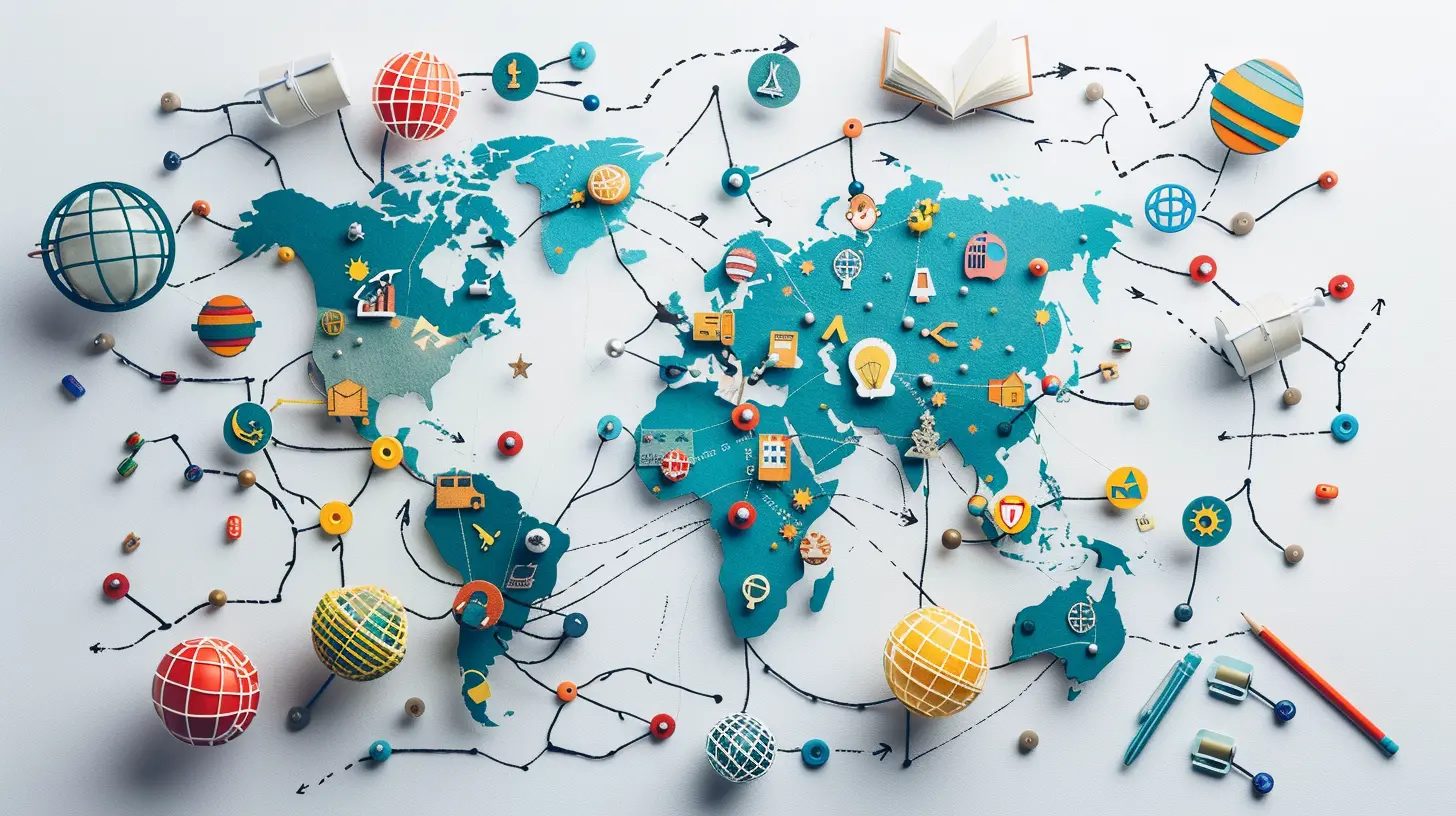
Before we get too deep, let’s clarify what we mean by OER. These are teaching, learning, and research materials available in the public domain or released under an open license. This means anyone can access, use, edit, and share them without worrying about legal restrictions. They range from textbooks and lecture notes to videos, quizzes, and even full courses.Think of OER as the Wikipedia of educational content—collaborative, shareable, and always improving. You’re not just consuming knowledge; you’re part of a global movement that’s shaping education for the better.
The Growing Popularity of OER
Why is OER gaining so much traction? Well, the pandemic showed us just how essential digital education resources are. With schools shifting to online learning, high-quality, accessible resources became a necessity rather than a luxury. OER provided a lifeline for students and teachers worldwide who suddenly found themselves navigating a virtual classroom.Governments, universities, and non-profits are embracing OER as a solution to make education more equitable. Platforms like OpenStax, OER Commons, and MIT OpenCourseWare are proving that quality education doesn’t have to come with a hefty price tag.
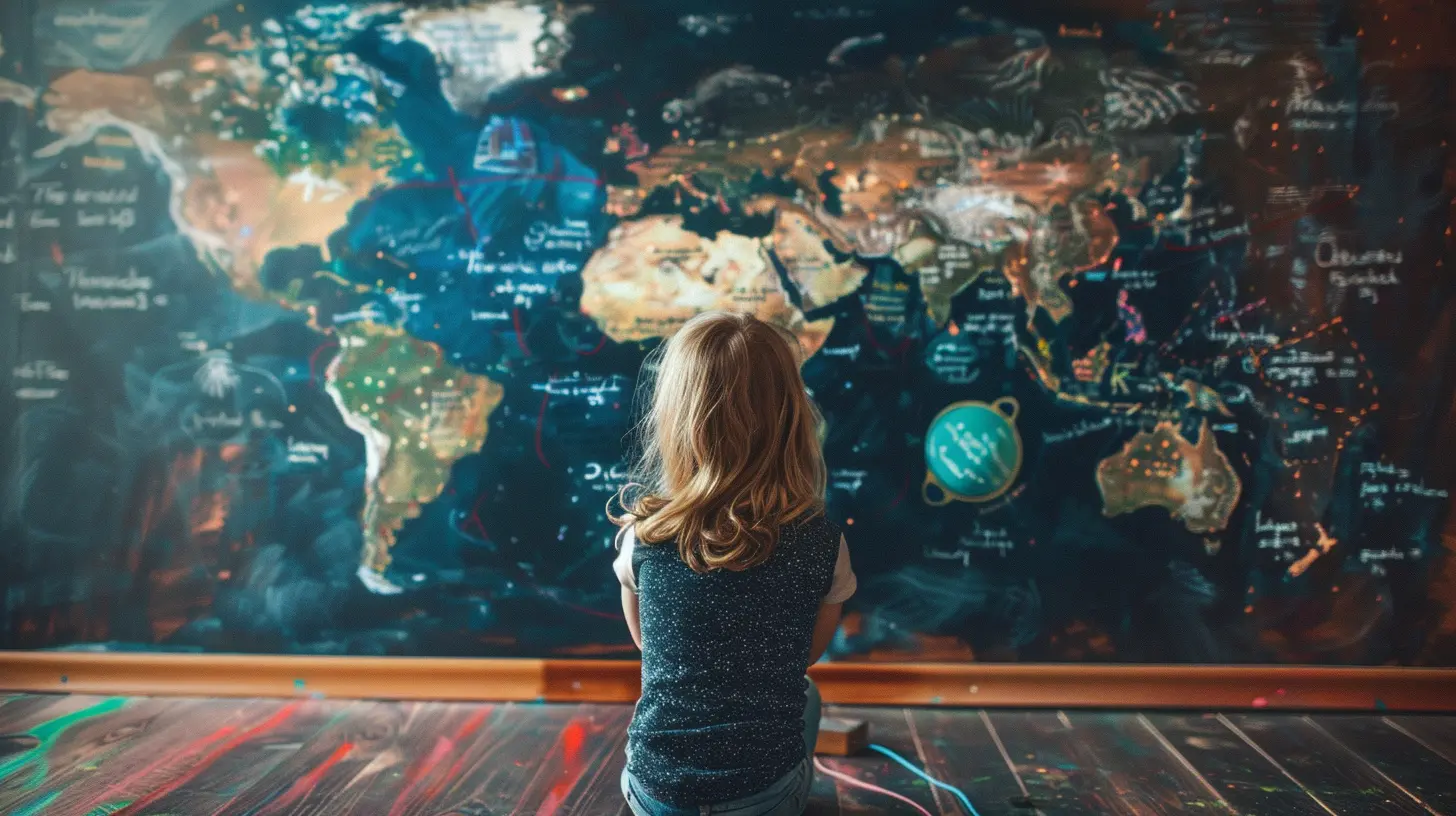
How OER Is Transforming Education Around the World
The impact of OER is felt on a global scale. Here’s how:1. Removing Financial Barriers
Let’s face it—education can be expensive. Tuition fees, textbooks, and online courses add up quickly. OER is bridging this gap by providing free, high-quality learning materials to students who otherwise couldn’t afford them.Think about students in developing countries, where a single textbook could cost a family’s entire monthly income. With OER, they now have access to the same knowledge as students in wealthier nations, leveling the playing field.
2. Empowering Educators
Teachers and professors benefit immensely from OER. Instead of being limited to expensive, outdated textbooks, they can customize learning materials to fit their students’ needs.Need a more engaging lesson plan? Modify an OER textbook. Want to add fresh case studies? No problem. OER allows educators to adapt and update content in real time, making learning more relevant and interactive.
3. Encouraging Lifelong Learning
Education isn’t just for students in classrooms. Whether you're an entrepreneur, a freelancer, or someone looking to switch careers, OER provides an opportunity to keep learning—without breaking the bank.With OER, you can take courses from top universities like Harvard and MIT without paying a dime. Knowledge is no longer confined to expensive college degrees; it’s available to anyone willing to learn.
4. Enhancing Collaboration and Innovation
OER promotes a culture of sharing and collaboration, much like open-source software. Educators around the world can contribute their own materials, improve existing ones, and create diverse perspectives on any subject.Imagine a history lesson being continuously refined by teachers from different countries, each adding their own regional insights. This kind of knowledge-sharing makes education richer, more accurate, and more engaging for learners everywhere.
5. Supporting Underprivileged Communities
Remote villages, refugee camps, and underserved communities often lack basic educational resources. OER is bridging this gap by providing materials that can be accessed offline or in low-bandwidth environments.Organizations like One Laptop per Child and the Khan Academy are leveraging OER to bring education to places where conventional schooling is limited. When knowledge becomes freely available, it has the power to uplift entire communities.
Challenges Facing OER
Despite its benefits, OER isn’t without challenges. Some educators still hesitate to use OER because they doubt the quality of freely available content. However, institutions are stepping up to ensure that OER meets academic standards.Another issue is digital accessibility. While OER is free, you still need internet access or a digital device to use it. This is a hurdle in regions with poor connectivity, but initiatives like offline OER storage and mobile-friendly content are helping bridge the gap.
The Future of OER
So, where is OER headed? The future looks bright, with more governments and institutions recognizing its value. UNESCO has been actively promoting OER policies, and initiatives like Creative Commons licensing are simplifying content-sharing.Artificial intelligence (AI) may also play a role in making OER even more accessible. Imagine personalized learning where AI curates the best OER materials based on your learning style and preferences. Education could become more tailored, efficient, and universally available.
Conclusion
OER isn’t just a trend; it’s a revolution in education. By making knowledge free and accessible, it’s breaking down barriers and creating opportunities for learners worldwide. Whether you’re a student, teacher, or lifelong learner, OER opens doors that traditional education often keeps closed.The world is moving towards a future where education is no longer a privilege but a right. And OER is leading the way. So, next time you come across an open resource, remember—you’re not just using free content; you’re participating in a global movement that’s redefining what learning means.
all images in this post were generated using AI tools
Category:
Open Educational ResourcesAuthor:

Anita Harmon
Discussion
rate this article
2 comments
Mackenzie Ward
The article effectively highlights the transformative potential of Open Educational Resources (OER) in democratizing access to education globally. By reducing costs and enhancing collaboration, OER empowers diverse learners and educators, fostering innovative teaching practices and bridging educational inequities, ultimately reshaping the learning landscape.
February 27, 2026 at 3:34 AM
Anita Harmon
Thank you for your insightful comment! I'm glad you found the article effectively highlights OER's role in democratizing education and fostering innovation. Your feedback is greatly appreciated!
Roxanne McClary
This article sparks my curiosity! I'm eager to explore how Open Educational Resources can transform learning experiences globally and make education more accessible for everyone.
February 17, 2026 at 4:23 AM
Anita Harmon
Thank you for your enthusiasm! Open Educational Resources have immense potential to enhance accessibility and transform learning experiences worldwide. I hope you find the article insightful!