The Connection Between Nutrition and Academic Performance
19 August 2026
We’ve all heard the saying, "You are what you eat." But did you know that what you eat also affects how well you learn? Nutrition plays a huge role in academic performance, yet it's often overlooked. Whether you’re a student yourself, a parent, or an educator, understanding this connection can make a world of difference. So, let’s break it down—how does food impact brain power, focus, and overall success in school? 
The Brain Needs Fuel to Function
Think of your brain like a car. Without fuel, it won’t run properly. The food you eat serves as this fuel, providing the necessary nutrients to power cognitive functions like memory, concentration, and problem-solving.Glucose: The Brain’s Primary Energy Source
Your brain runs on glucose, which comes from carbohydrates. But not all carbs are created equal. Simple sugars (like those in candy and soda) cause quick spikes and crashes in energy, making it harder to concentrate. On the other hand, complex carbs (like whole grains, fruits, and vegetables) provide a steady release of glucose, keeping the brain powered throughout the day.Protein: The Building Block of Brain Chemicals
Proteins contain amino acids, which help produce neurotransmitters. These chemicals affect mood, focus, and motivation. A diet rich in lean meats, eggs, dairy, beans, and nuts ensures that the brain has the necessary tools to regulate emotions and maintain sharp thinking.Healthy Fats: Brain Boosters
The brain is made up of about 60% fat, and it thrives on healthy fats like omega-3 fatty acids. Found in fish, flaxseeds, and walnuts, these fats help improve memory, learning, and even reduce symptoms of anxiety and depression.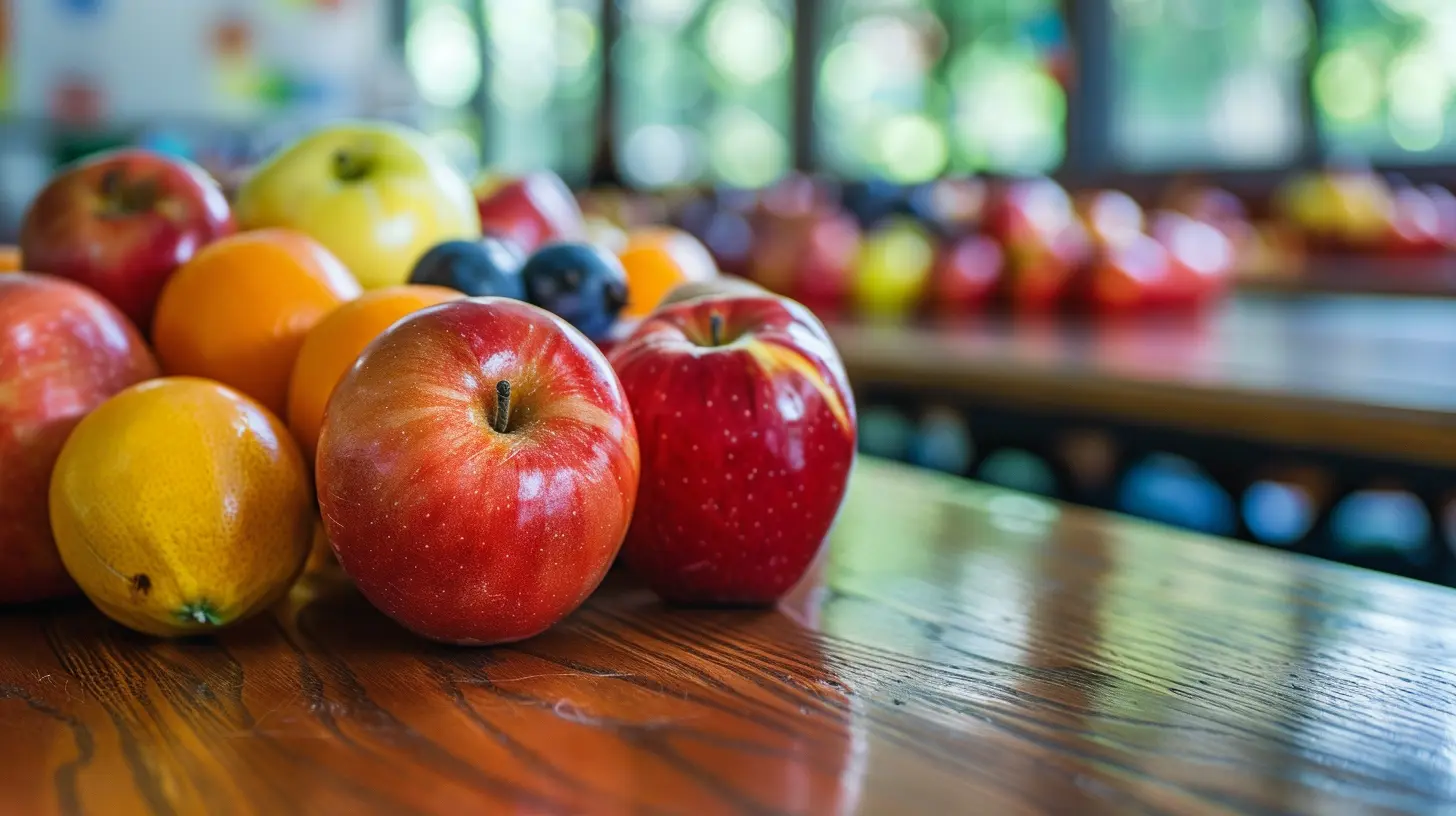
Nutrients That Directly Impact Academic Performance
Certain vitamins and minerals play a key role in cognitive function and learning. A deficiency in these nutrients can lead to poor concentration, fatigue, and even mood swings.Iron: The Oxygen Carrier
Iron helps transport oxygen to the brain, and low levels can cause fatigue, brain fog, and difficulty focusing. Foods like spinach, red meat, lentils, and fortified cereals can help maintain proper iron levels.B Vitamins: The Energy Boosters
B vitamins (especially B6, B12, and folate) help the brain process energy efficiently. They also play a role in memory and reduce stress levels. Leafy greens, eggs, dairy, and whole grains are great sources.Antioxidants: Brain Protectors
Antioxidants, found in berries, nuts, and dark chocolate, help protect the brain from oxidative stress. This means they keep brain cells healthy, improving memory and mental sharpness.Water: The Ultimate Brain Hydrator
Dehydration, even mild, can cause headaches, fatigue, and difficulty concentrating. Drinking enough water throughout the day ensures that brain cells communicate properly and stay energized.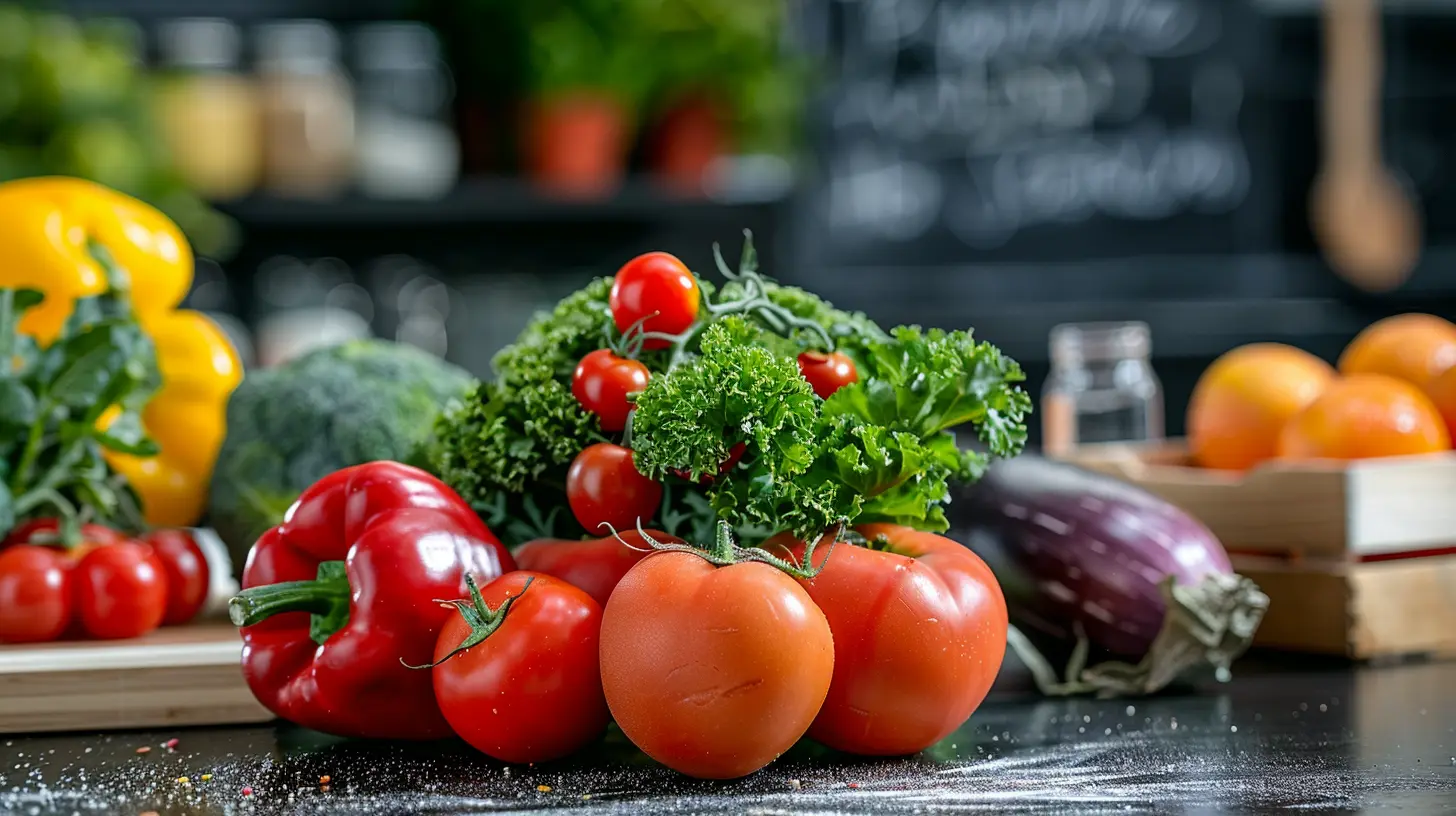
How Poor Nutrition Affects Students
While good nutrition can enhance academic performance, poor eating habits can do the opposite. Many students rely on processed foods, sugary snacks, and fast food, which can negatively impact their brains.Energy Crashes and Poor Focus
Ever feel super energized after a sugary snack, only to crash a short while later? That’s because refined sugars cause blood sugar spikes, followed by dips that leave students feeling sluggish and unable to focus.Increased Stress and Anxiety
A diet lacking essential nutrients can increase stress and anxiety levels. Processed foods and excessive caffeine can lead to mood swings, irritability, and difficulty managing school-related stress.Lower Cognitive Performance
Without proper nutrients, the brain struggles to function at its best. Memory retention drops, problem-solving becomes difficult, and students may find themselves struggling with tasks that once seemed easy.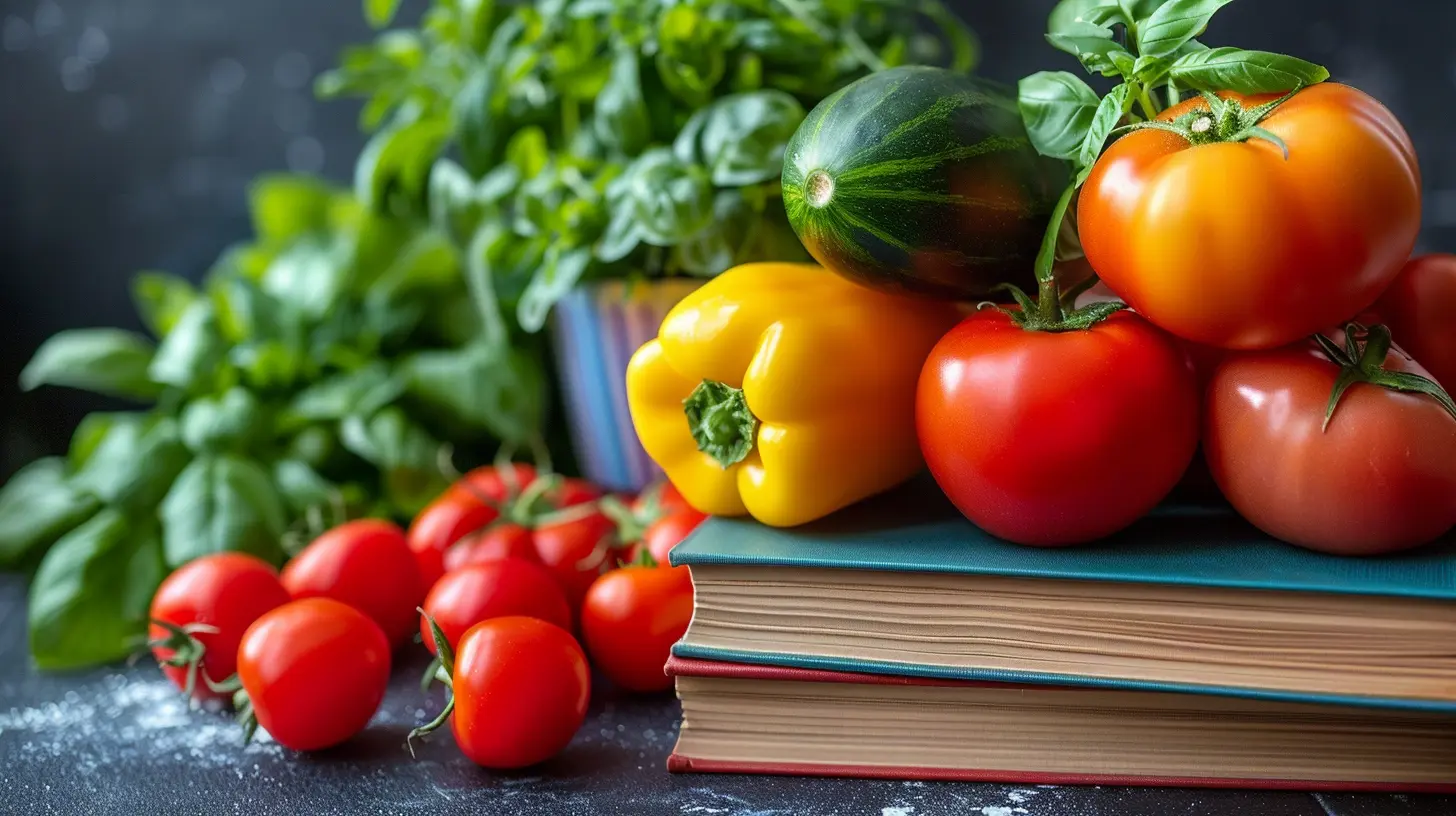
Healthy Eating Habits for Academic Success
So, what can students do to improve their nutrition and, in turn, their academic performance? It’s all about forming simple, healthy habits.Start the Day with a Balanced Breakfast
Skipping breakfast is a common mistake. A healthy breakfast with protein, healthy fats, and complex carbs sets the tone for the day, providing steady energy and boosting focus. Some great options include:- Oatmeal with nuts and fruit
- Scrambled eggs with whole-grain toast
- Greek yogurt with honey and granola
Snack Smart
When hunger strikes between meals, it’s tempting to grab a bag of chips or a candy bar. Instead, opt for brain-boosting snacks like:- Nuts and seeds
- Hummus with veggies
- Fresh fruit with peanut butter
Stay Hydrated
Water is key to keeping the brain functioning well. Students should aim to drink at least 6-8 glasses of water a day. Herbal teas and infused water can be good alternatives if plain water feels boring.Limit Junk Food and Sugary Drinks
Fast food, sodas, and sugary snacks might be convenient, but they don’t offer the nutrients needed for sustained mental energy. Cutting back on these and swapping them for healthier alternatives can make a huge impact.Plan Meals Ahead of Time
Meal prepping isn’t just for adults. Packing homemade lunches and planning meals in advance can help students avoid unhealthy cafeteria food and fast food temptations.The Role of Schools and Parents in Promoting Nutrition
Students don’t make food choices in a vacuum. Parents and schools play a pivotal role in ensuring they eat nutrient-rich meals.Encouraging Healthy Eating at Home
Parents can:- Cook more homemade meals instead of relying on processed foods
- Encourage kids to eat a variety of fruits and vegetables
- Educate children on the importance of balanced meals
Improving School Meal Programs
Schools should aim to:- Offer healthier lunch options with whole grains, lean proteins, and fresh produce
- Limit sugary drinks and snacks in vending machines
- Educate students on nutrition through health classes and activities
Final Thoughts: You Are What You Eat—Academically Too!
At the end of the day, the food we put into our bodies directly impacts our ability to think, learn, and perform academically. A well-balanced diet packed with brain-boosting nutrients can make a world of difference in focus, memory, and overall school success.So, next time you reach for a snack before an exam, think about what your brain needs. Choosing the right foods might just be the secret weapon to acing that test!
all images in this post were generated using AI tools
Category:
Education ReformAuthor:

Anita Harmon
Discussion
rate this article
2 comments
Patrick Carr
Fuel your brain with veggies, not just textbooks. Who knew carrots could boost grades?
September 6, 2026 at 7:54 AM
Anita Harmon
Absolutely! A balanced diet plays a key role in learning. Carrots and other veggies can really enhance brain function.
Garrett Valentine
If you think junk food and A's go together, think again. Your brain needs real fuel to ace those tests. So ditch the chips and grab that salad. Your grades will thank you later!
September 4, 2026 at 10:33 AM