How Schools Can Teach Empathy and Compassion
20 July 2026
Empathy and compassion are the glue that holds society together. They help us connect, understand, and care for one another. But are we doing enough to teach these essential qualities in schools? With academic pressure mounting, social skills often take a backseat. The truth is, emotional intelligence is just as important as academic success. So, how can schools make empathy and compassion a core part of education? Let’s dive in.
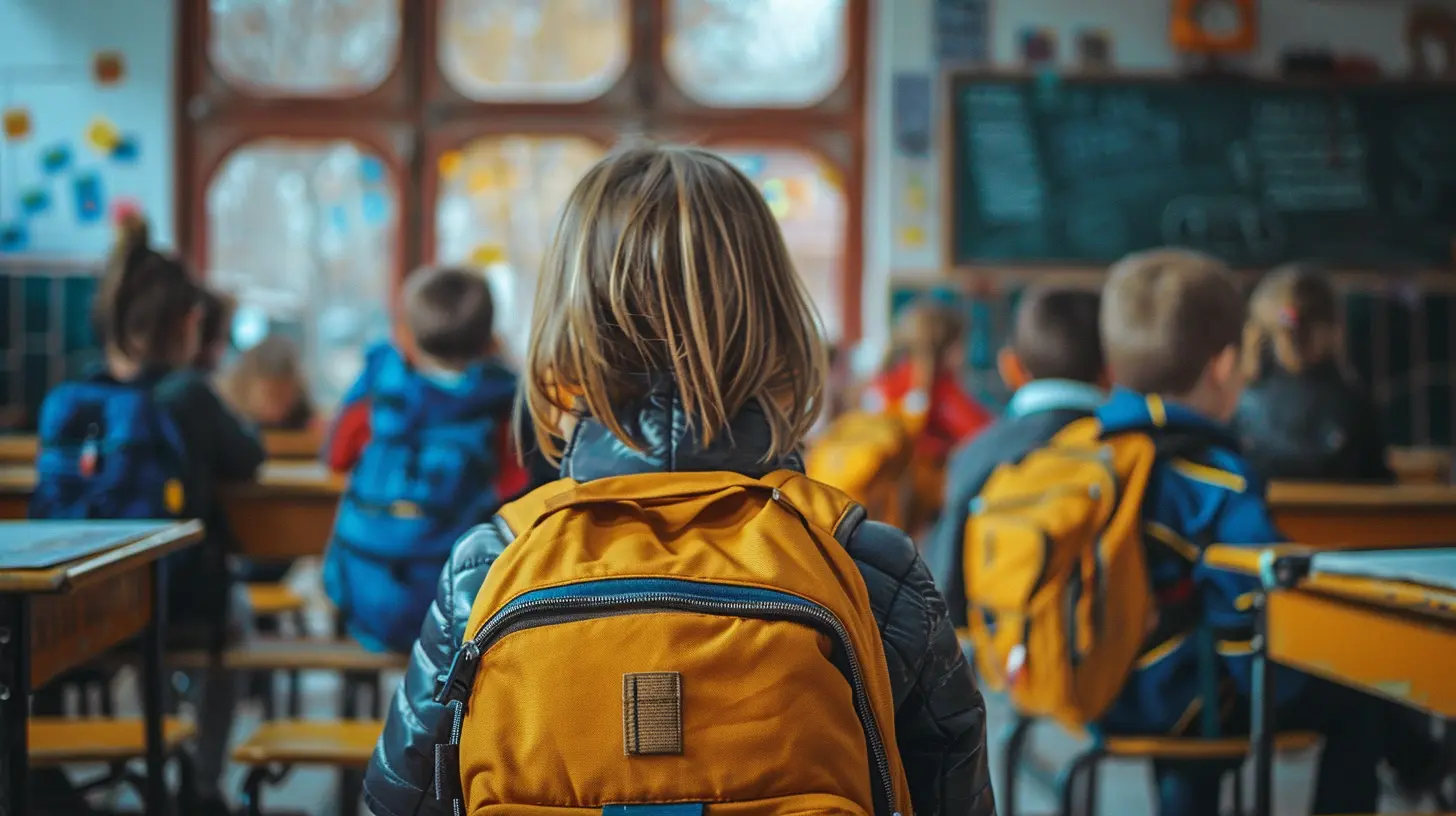
Why Empathy and Compassion Matter in Education
Schools aren’t just about math formulas or history facts. They shape future citizens, leaders, and change-makers. When kids learn empathy, they build stronger relationships, resolve conflicts peacefully, and develop a deeper sense of responsibility toward others.Compassion, on the other hand, transforms empathy into action. It’s one thing to understand someone’s pain, but it’s another to take steps to help them. Imagine how different the world would be if every child learned these values early on.

The Role of Schools in Teaching Empathy and Compassion
While parents play a huge part in nurturing empathy, schools can reinforce and expand these lessons. After all, students spend a significant chunk of their lives in classrooms. Teachers, administrators, and even classmates shape their worldview.But how exactly can schools instill these values in students? Let’s break it down.

1. Incorporate Social-Emotional Learning (SEL)
SEL is a game-changer. It helps students understand and manage emotions, recognize the feelings of others, and build meaningful relationships. Schools that integrate SEL into their curriculum create an environment where kindness and understanding thrive.How Can Schools Implement SEL?
- Daily Check-Ins: Start the day with a quick emotional check-in. Ask students how they feel and encourage open discussions.- Mindfulness Practices: Short breathing exercises or meditation sessions help students become more aware of their emotions.
- Conflict Resolution Lessons: Teach kids how to handle disagreements calmly and respectfully.

2. Lead by Example: Teachers as Role Models
Kids learn more from what they see than what they’re told. If teachers and school staff model empathy and compassion, students will naturally pick up on these behaviors.Ways Teachers Can Demonstrate Empathy
- Active Listening: Give students your full attention when they speak. It makes them feel valued.- Encourage Perspective-Taking: Ask students how they think someone else might feel in a given situation.
- Show Kindness Daily: Whether it’s complimenting a student’s effort or checking in on a struggling child, small acts of kindness go a long way.
3. Encourage Storytelling and Literature
Stories are powerful tools for building empathy. When students read about or hear different perspectives, they learn to see the world through someone else’s eyes.Activities That Foster Empathy Through Stories
- Read Books with Strong Emotional Themes: Books like Wonder by R.J. Palacio or To Kill a Mockingbird by Harper Lee encourage deep discussions about kindness, fairness, and understanding.- Personal Story Sharing: Let students share their own experiences and challenges. This nurtures a culture of openness and mutual support.
- Role-Playing Exercises: Acting out different scenarios can help students understand various emotions and reactions.
4. Promote Community Service and Volunteering
Nothing teaches compassion like helping others. Schools should encourage students to participate in community service projects, no matter how small.Simple Ways to Get Students Involved
- Visit Nursing Homes: Spending time with the elderly fosters a sense of connection and respect.- Peer Mentorship Programs: Older students can mentor younger ones, creating a cycle of kindness.
- Charity Drives: Collect food, clothes, or books for those in need.
When students see the direct impact of their actions, they start valuing kindness over competition.
5. Foster an Inclusive and Safe Classroom Environment
A judgment-free classroom nurtures empathy. When students feel safe expressing themselves, they’re more likely to be open-minded toward others.How Can Schools Create an Inclusive Environment?
- Zero Tolerance for Bullying: Schools should have clear anti-bullying policies and enforce them strictly.- Diverse Representation: Include diverse voices in lessons to help students appreciate different cultures and backgrounds.
- Encourage Collaboration Over Competition: Group projects and teamwork help students develop trust and empathy.
6. Teach Active Listening and Communication Skills
Most people listen to respond, not to understand. Teaching students to truly listen can make a huge difference in how they relate to others.Techniques to Improve Active Listening
- Paraphrasing: Ask students to repeat what their peers said in their own words.- Eye Contact and Body Language Awareness: These small cues show attentiveness and respect.
- Open-Ended Questions: Instead of asking yes/no questions, encourage deeper conversations.
7. Use Real-Life Scenarios to Teach Compassion
Sometimes learning happens best outside books and lectures. Real-life situations bring lessons to life in a way textbooks never can.Activities That Promote Compassion
- Guest Speakers: Invite individuals with powerful life stories—refugees, war veterans, or activists—to share their experiences.- Simulations: Walk students through experiences like navigating school with a disability.
- Schoolwide Kindness Challenges: Have students complete daily acts of kindness, like writing a thank you letter or helping a classmate.
8. Emphasize the Importance of Mental Health
Mental health awareness and empathy go hand in hand. When students understand their own emotions, they become more compassionate toward others.Mental Health Initiatives in Schools
- School Counselors: Having accessible, approachable counselors can support students emotionally.- Stress Management Workshops: Teaching coping strategies like meditation or journaling helps build emotional resilience.
- Normalize Conversations About Feelings: Encourage students to talk about their struggles without fear of judgment.
Final Thoughts
Teaching empathy and compassion isn’t an overnight process. It requires consistent effort, patience, and commitment from teachers, parents, and students alike. But the rewards? They’re lifelong. Imagine a school where students lift each other up instead of tearing each other down. A world where kindness is second nature. It all starts in the classroom.By making empathy and compassion a core part of education, schools aren’t just shaping better students—they’re shaping better human beings. And isn’t that what education is really about?
all images in this post were generated using AI tools
Category:
Education ReformAuthor:

Anita Harmon
Discussion
rate this article
1 comments
Darrow McClary
This article highlights essential strategies for fostering empathy and compassion in schools. By integrating these values into daily interactions, we can create more inclusive and understanding environments. Great read!
July 27, 2026 at 3:02 AM
Anita Harmon
Thank you for your thoughtful comment! I'm glad you found the strategies valuable for fostering empathy in schools. It's a crucial step towards building a more inclusive environment.