The Benefits of Self-Evaluation in the Learning Process
28 August 2026
Let me ask you something — have you ever finished a project, assignment, or exam and simply moved on, never thinking about it again? If you're like most students, the answer is probably yes. But here's the thing: what if you're leaving a goldmine of growth behind every time you do that?
Self-evaluation might not sound all that exciting, but trust me, it can seriously change the way you learn. It isn't just about checking boxes or giving yourself a pat on the back. It's about becoming more mindful, more intentional, and more in control of your own learning journey.
In this article, we’ll dive into the real and lasting benefits of self-evaluation in the learning process. Grab a cup of coffee (or tea, we don’t judge), and let's dig deep into why reflection might just be one of the most powerful tools in your learning toolbox.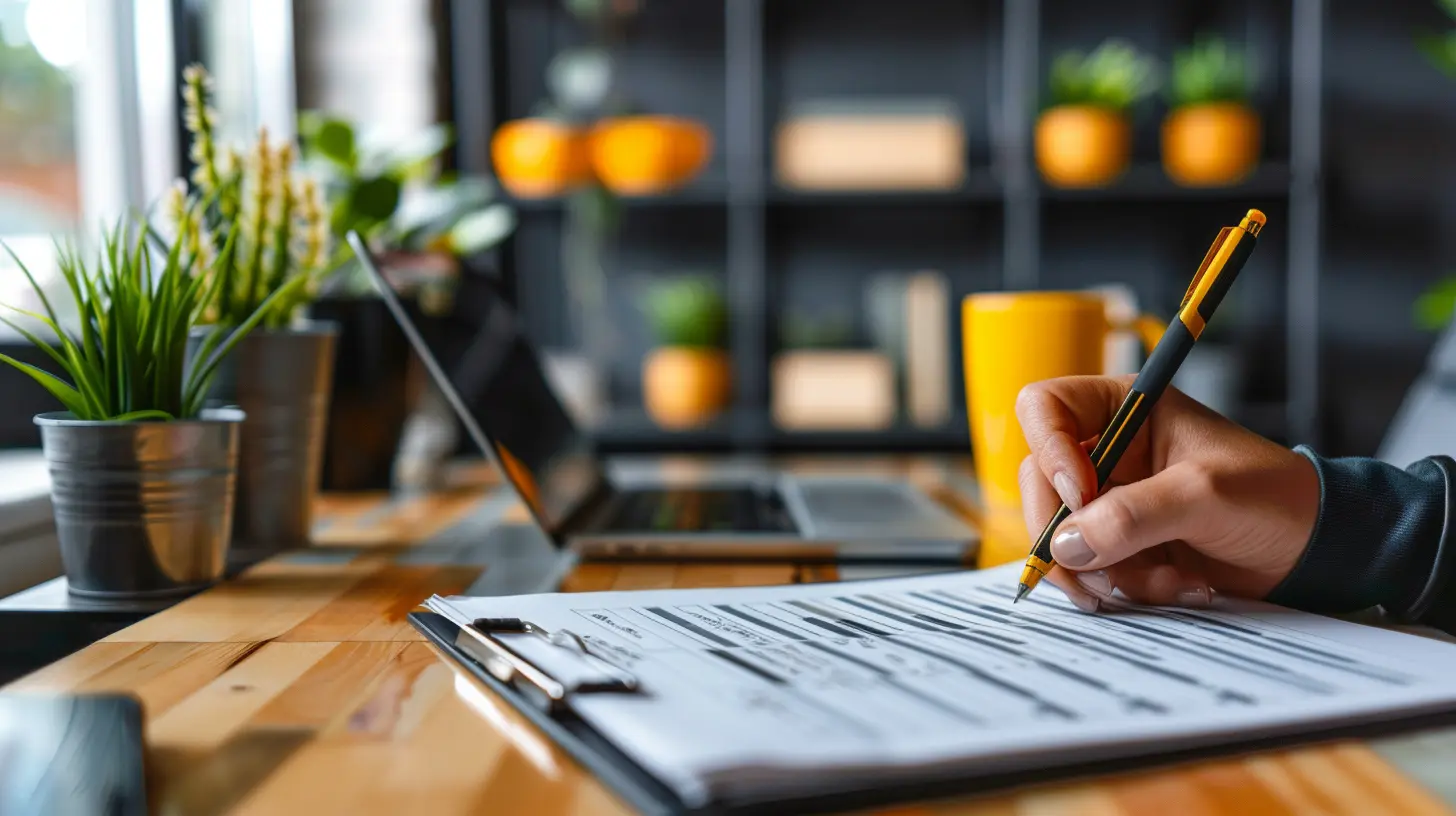
What Is Self-Evaluation, Anyway?
Before we get ahead of ourselves, let’s break it down. Self-evaluation is exactly what it sounds like — evaluating your own performance, progress, and understanding.It’s not about judging yourself harshly or finding every little thing you did wrong. It’s about stepping back and asking:
- What did I do well?
- Where did I struggle?
- What can I do differently next time?
Now, don’t confuse self-evaluation with self-criticism. The goal isn’t to beat yourself up. The goal is growth.
Why Traditional Learning Often Misses the Mark
In a lot of traditional classrooms, students are taught to memorize, regurgitate, and move on. There’s rarely time built into the day to pause and reflect. Think about it — when was the last time someone asked you to really think about how you think?That’s where self-evaluation fills a massive gap. It turns passive learning into active engagement. Instead of just consuming information, you begin to process it, chew on it, and figure out how it fits into your own world.
It’s like shifting from autopilot to driving with your hands on the wheel, eyes wide open.
1. Builds Self-Awareness
Probably the biggest win of self-evaluation? Greater self-awareness.When you reflect on your own learning, you start to notice patterns. Maybe you always procrastinate before big assignments. Or maybe you realize you're fantastic at understanding concepts but struggle when it’s time to apply them.
Whatever it is, self-awareness gives you the power to do something about it. You can't fix what you don't see.
It’s a little like checking your rearview mirror while driving. If you never look back, you’ll miss what’s behind you — and you won’t be able to adjust and move forward safely.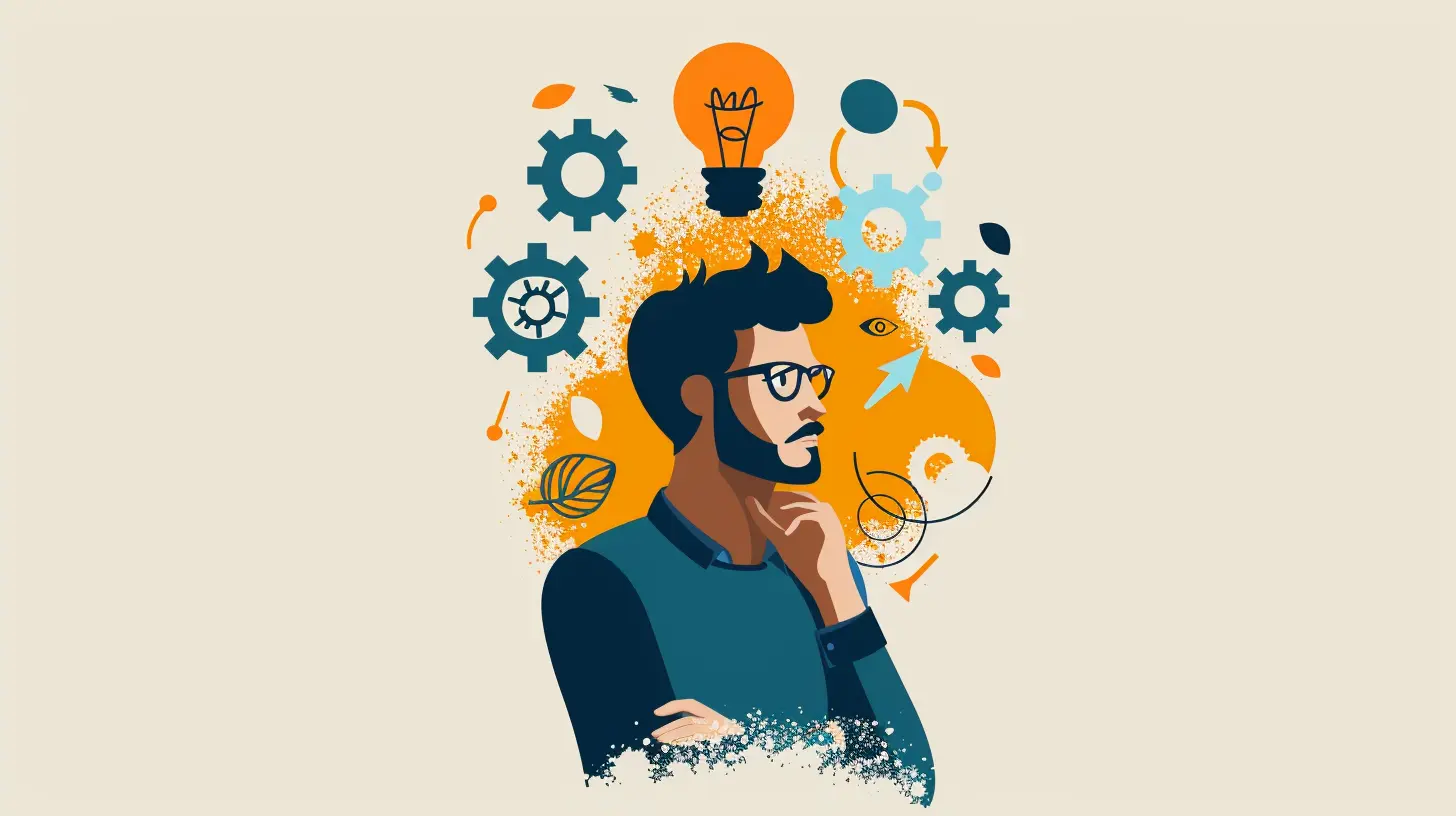
2. Encourages Ownership of Learning
Let’s be real — learning feels a whole lot more satisfying when you’re in the driver’s seat.Self-evaluation pushes you to take responsibility for your own progress. Instead of relying 100% on grades, teachers, or parents to tell you how you’re doing, you start to trust your own judgment.
You learn to ask:
- Did I try my best?
- What do I need from myself to improve?
- How can I set better goals?
This kind of ownership builds independence and confidence. And let’s face it — those are both huge life skills, not just school skills.
3. Boosts Motivation and Engagement
Ever feel like you're just going through the motions at school?That's where self-evaluation can work its magic. When you regularly reflect on your progress, you start to see small wins. You realize, "Hey, I really am getting better at this."
That sense of progress fuels motivation. It reminds you that effort pays off, and that’s a powerful thing.
Think of it like a fitness tracker for your brain. Just as seeing 10,000 steps can pump you up, recognizing your academic growth can do the same. You’re more likely to stay engaged when you feel like you're making real progress.
4. Develops Critical Thinking Skills
Self-evaluation isn't just about emotions — it's also deeply intellectual.When you evaluate your learning, you're practicing critical thinking. You’re analyzing what worked, what didn’t, and why. You're not just blindly following instructions; you're questioning, tweaking, and improving.
This kind of thinking sharpens your ability to solve problems, make decisions, and adapt — all super useful skills in school, work, and pretty much every area of life.
Simply put: self-evaluation trains your brain to think better.
5. Helps Set Personal Goals
Self-evaluation naturally leads to goal-setting — and not the vague kind like “do better next time.” We're talking tangible, realistic, and personal goals.After reflecting on an assignment, you might set a goal like:
- "I’ll spend 20 more minutes reviewing notes each night this week."
- "Next time, I’ll ask my teacher for help sooner."
These goals are based on your insights, not someone else’s expectations. That makes them way more meaningful — and more likely to stick.
Imagine trying to hit a target with your eyes closed. Now imagine you're able to see clearly, adjust your aim, and learn from every shot. That’s what goal-setting through self-evaluation feels like.
6. Encourages a Growth Mindset
We’ve all heard about the growth mindset — the belief that your abilities can improve with effort.But here’s a little secret: self-evaluation feeds that mindset.
When you reflect on your learning and see improvement — even just a little — you start to believe that change is possible. That belief strengthens your resilience. Instead of saying, “I’m bad at math,” you start saying, “I didn’t do great this time, but I know how to get better.”
That shift in mindset changes everything. It turns setbacks into stepping stones instead of stop signs.
7. Reduces Anxiety Around Failure
This might sound strange, but self-evaluation can actually reduce the fear of failure.Why? Because it reframes failure as feedback.
When students aren’t used to reflecting, a bad grade can feel like the end of the world. But when you regularly evaluate yourself, setbacks become learning opportunities. You start to see them as part of the process — not a personal failure.
That kind of perspective helps ease anxiety and shame. Instead, you feel empowered to try again.
8. Makes Feedback More Meaningful
Teachers give feedback all the time. But here's a question: how often do you actually use that feedback?When you practice self-evaluation, you’re more prepared to receive and apply feedback from others. You’ve already done the mental work, so external feedback isn't a surprise — it’s a supplement.
It’s like adding seasoning to a dish you’ve already cooked yourself. It enhances what’s already there.
9. Prepares You for Lifelong Learning
Here’s something they don’t always tell you: school ends, but learning doesn’t.From careers to parenting to hobbies, life demands self-directed learning. And self-evaluation is a habit that’ll serve you well long after you turn in your last assignment.
When you can assess your own understanding, set goals, and adjust course, you're not just learning — you're growing. Constantly. That’s the real secret to success in life.
How to Practice Self-Evaluation (Without Overcomplicating It)
Now you might be wondering — how do you actually do self-evaluation in real life?Good news: it doesn’t have to be fancy. Here are a few simple ways to get started:
1. Ask Reflective Questions
After every assignment or project, take a few minutes to ask:- What went well?
- What didn’t go so well?
- What would I do differently next time?
2. Keep a Learning Journal
Use a notebook or app to jot down your thoughts after studying. It doesn’t have to be long — just enough to capture your key insights and reflections.3. Use Rubrics or Checklists
Create your own criteria for success. Rate yourself honestly, and look for trends over time.4. Talk It Out
Sometimes reflection works better out loud. Talk to a friend, tutor, or even record yourself describing what you learned and how you felt about it.5. Set Specific Goals
Always end your evaluation with a goal for next time. Make it actionable, measurable, and personal.Wrapping Things Up
Self-evaluation isn’t just an “extra” step in learning — it’s the key to making your learning stick. It helps you understand yourself better, take control of your progress, and find motivation where you once felt stuck.And the best part? Anyone can do it. It doesn’t take fancy tools or hours of free time. All it takes is a few honest questions and the courage to look inward.
So, the next time you finish a lesson, assignment, or even a tough day at school, take a minute. Reflect. Ask yourself how it went — and what your next step should be.
You might be surprised at just how powerful that one simple habit can be.
all images in this post were generated using AI tools
Category:
Self AssessmentAuthor:

Anita Harmon
Discussion
rate this article
2 comments
Jackson Watson
Self-evaluation is a powerful tool for growth. Embrace it to discover your strengths and areas for improvement. Keep learning and evolving!
September 23, 2026 at 4:04 AM
Anita Harmon
I completely agree! Self-evaluation is key for recognizing both strengths and weaknesses, which ultimately fuels personal growth. Thanks for sharing your thoughts!
Juno McGowan
Self-evaluation is a powerful tool in learning that promotes self-awareness and critical thinking. It encourages students to reflect on their strengths and weaknesses, leading to personalized growth. By actively engaging in this process, learners can take greater ownership of their education and make meaningful progress.
August 31, 2026 at 3:41 AM
Anita Harmon
I completely agree. Self-evaluation truly empowers students to take charge of their learning and fosters deeper insights into their own abilities. It's a vital step toward growth.