The Benefits of Outdoor Learning in Today’s Education System
3 July 2026
Education has come a long way from the monotonous classroom settings where students are expected to sit still for hours, absorbing concepts from textbooks. Traditional learning has its place, but let’s be honest – it can get boring, right? That’s where outdoor learning comes in.
Imagine a classroom without walls, where the sky is your ceiling, the trees are your chalkboard, and nature itself becomes the greatest teacher. Sounds exciting? Well, it is! Outdoor learning isn't just a trendy concept—it’s backed by science and has been shown to improve students’ engagement, mental health, and overall academic performance.
In this article, we’ll dive into the incredible benefits of outdoor learning and why schools should embrace this approach more than ever in today’s education system. Ready? Let’s go! 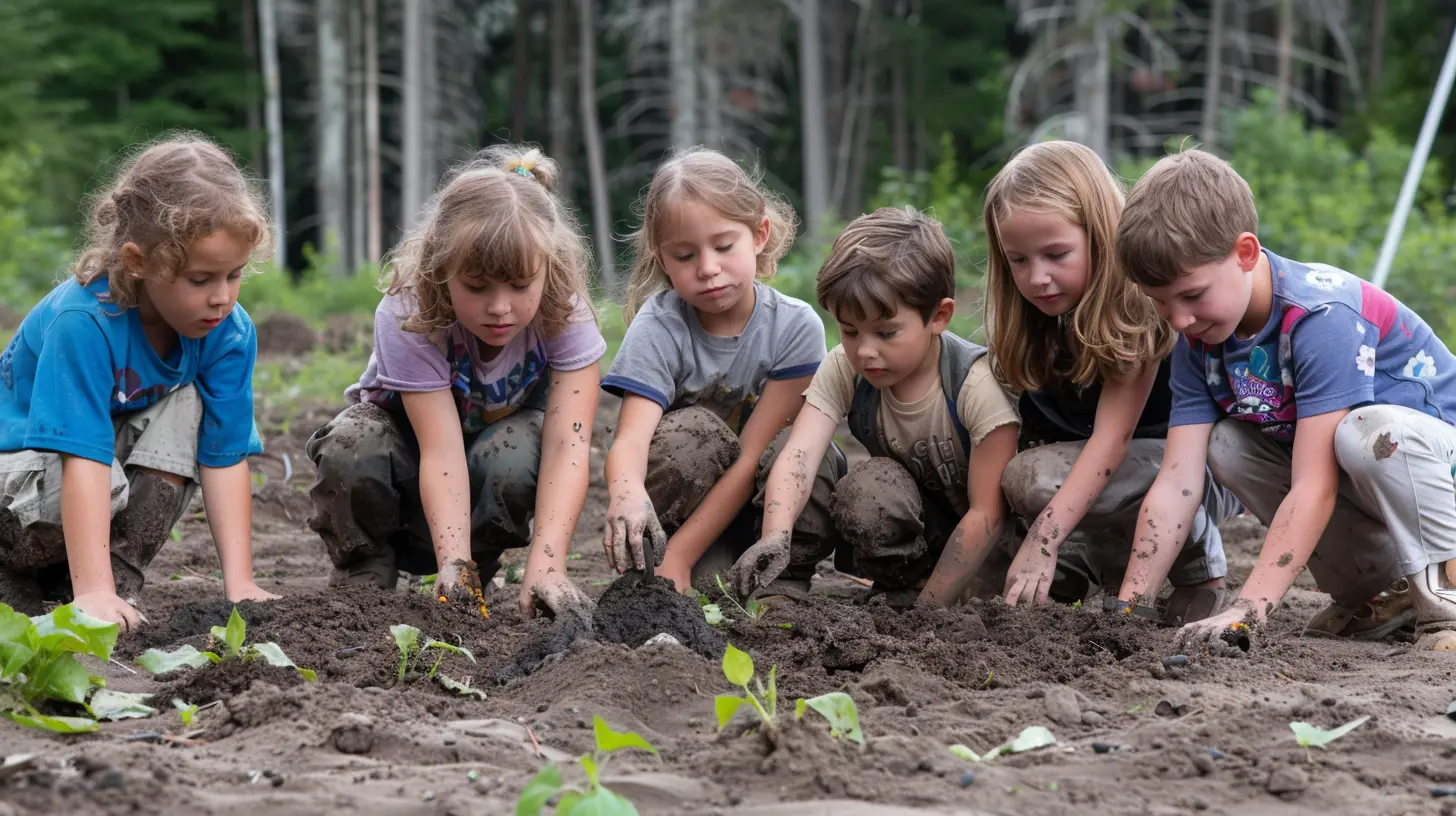
What is Outdoor Learning?
Before we get into the benefits, let’s break it down: What exactly is outdoor learning?Simply put, outdoor learning involves taking education beyond the four walls of a classroom and into natural or open spaces. Whether it’s a lesson in a school garden, a science experiment at the park, or even a history discussion by a historical landmark, learning in fresh air changes the whole dynamic.
Outdoor learning isn’t just about running around aimlessly; it’s a structured educational approach that combines traditional curriculum with hands-on experiences in an open environment.
Now, let’s explore why this method is game-changing for students and educators alike. 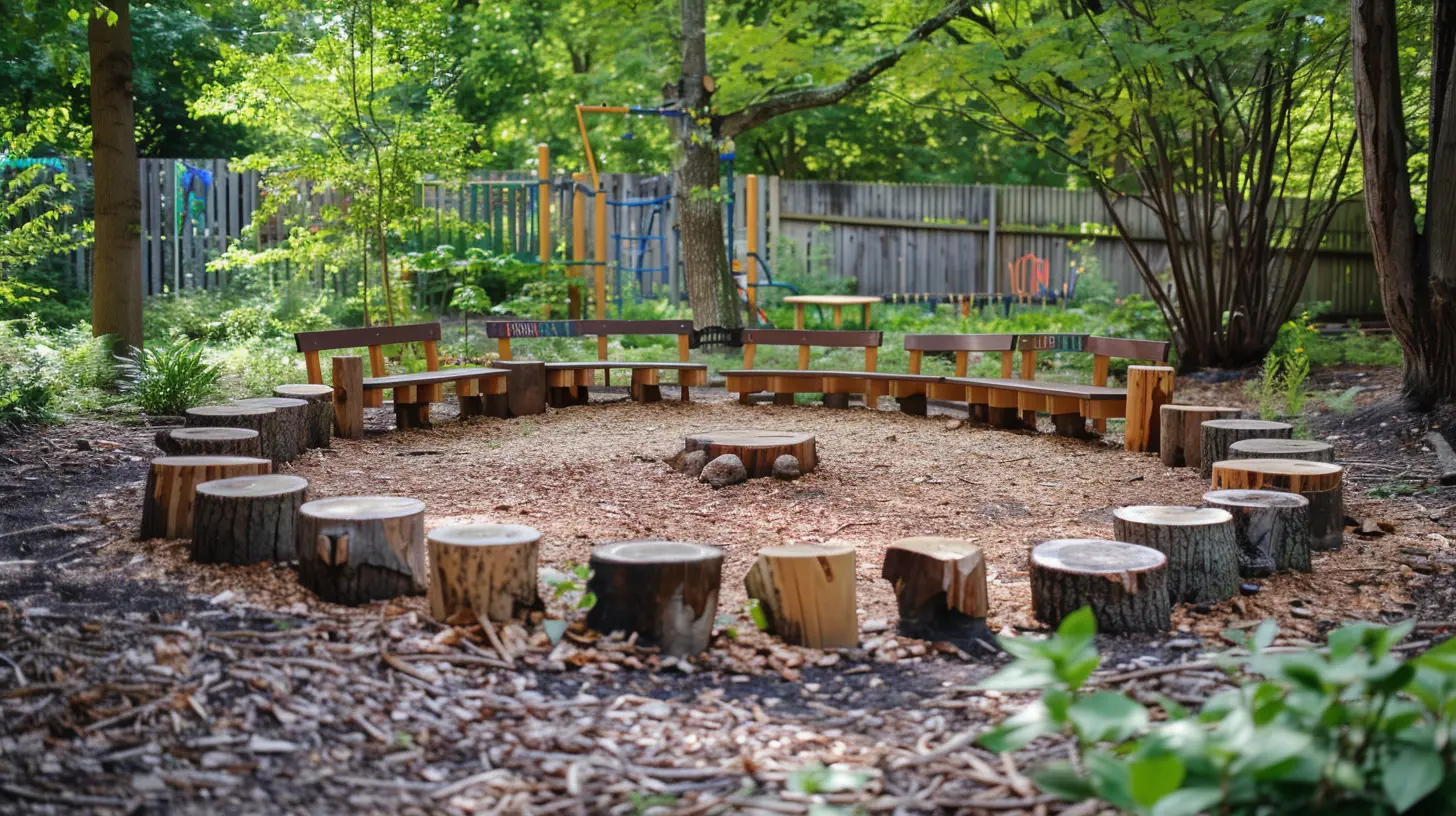
1. Boosts Engagement and Motivation
Let’s be real—kids get restless sitting in one place for too long. When learning happens outside, it breaks the monotony and makes education way more engaging. Being in nature sparks curiosity, which means students are naturally more interested in the lesson.Think about it: would you rather read about plants from a textbook or step outside and actually touch, smell, and observe them? That’s the magic of outdoor learning—it makes education interactive, exciting, and meaningful. 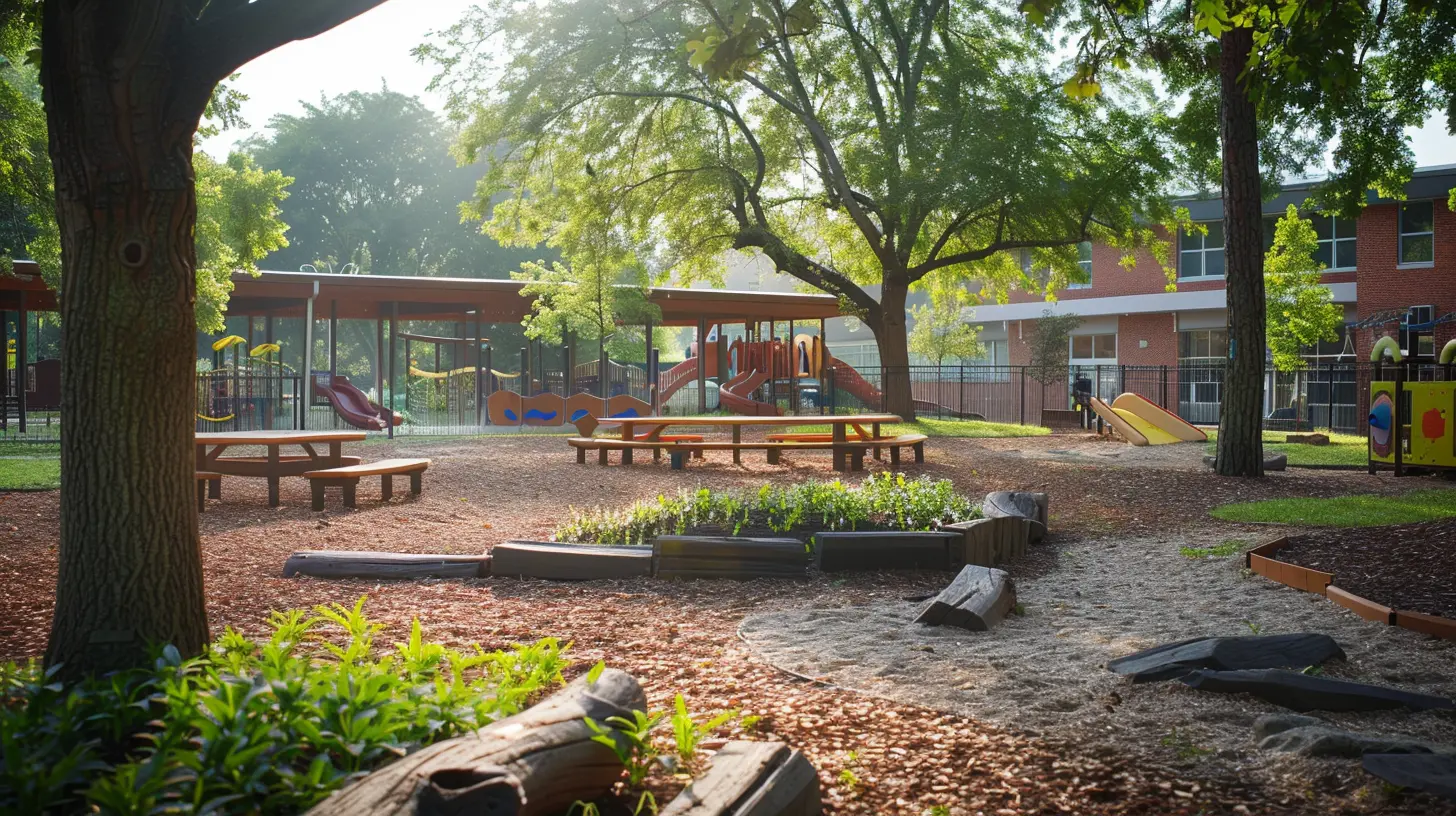
2. Enhances Physical and Mental Well-being
Spending time outdoors isn’t just good for learning; it’s great for overall health. With increasing cases of stress, anxiety, and even obesity among students, outdoor learning serves as a natural remedy.? How does it help?
- Reduces stress – Being in nature has been scientifically proven to lower cortisol (the stress hormone).- Improves focus – Outdoor activities increase attention span, especially among kids with ADHD.
- Encourages physical activity – Moving around instead of sitting for hours keeps students active and healthy.
A healthy mind and body make for better learners. Simple as that! 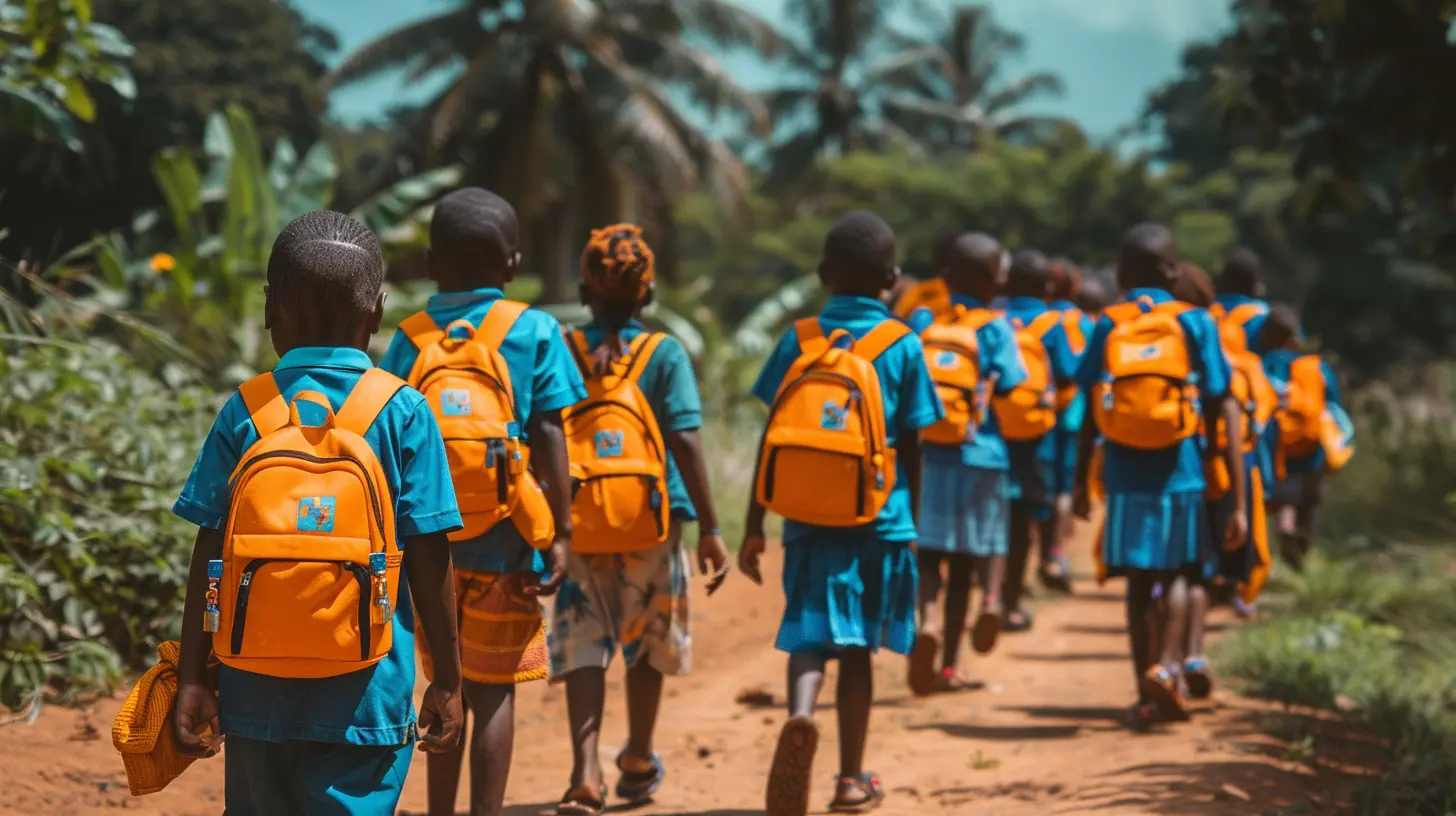
3. Develops Social Skills and Teamwork
Modern education isn’t just about memorizing facts—it’s about preparing students for the real world. And what’s a major skill needed in the real world? Collaboration.Outdoor learning often involves group activities, which means students get to work together, communicate, and solve problems as a team. Whether it’s building a model out of natural materials, conducting a science experiment, or navigating a map, outdoor learning teaches the kind of teamwork that textbooks simply can’t.
And let’s not forget—being outdoors also reduces classroom conflicts. Nature has a way of calming people down, making students more patient and understanding toward each other.
4. Encourages Practical, Hands-On Learning
Some things are just better understood when you experience them firsthand. Outdoor learning provides real-world applications of math, science, history, and even language.For example:
- Math – Measuring trees, counting natural objects, or estimating distances.
- Science – Observing ecosystems, identifying plant species, or testing water quality.
- History – Visiting historical sites and bringing history to life through reenactments.
This kind of hands-on learning cements concepts in students' minds far better than just reading about them.
Would you remember the life cycle of a butterfly better from a diagram or by actually watching a caterpillar transform into a butterfly in its natural habitat?
Exactly.
5. Sparks Creativity and Problem-Solving Skills
When kids are outside, they’re not just passive learners—they become active thinkers. Nature doesn’t give you all the answers on a silver platter, which means students have to think critically and solve problems creatively.For example, if a group needs to build a shelter using natural materials, they have to figure out:
- What materials to use
- How to structure it for stability
- How to adapt to unexpected challenges (like wind or rain)
This trial-and-error process fosters problem-solving skills that are essential for success in any career.
6. Improves Environmental Awareness and Responsibility
Let’s face it—our planet needs all the help it can get. Climate change, deforestation, pollution—these issues won’t solve themselves. Outdoor learning connects students with nature, teaching them to appreciate and respect the environment.When students witness deforestation up close or see the effects of pollution in a local river, the environmental lessons they learn aren’t just abstract—they become deeply personal. This often leads to a sense of responsibility and encourages sustainable habits.
Who knows? Maybe the next great environmentalist is sitting in a classroom right now, just waiting for the inspiration that outdoor learning can provide!
7. Boosts Academic Performance
You might be wondering—sure, outdoor learning is fun, but does it actually improve grades? Yes, it does!Studies show that students who engage in outdoor education tend to:
- Score higher on tests
- Retain information more effectively
- Develop better critical thinking skills
Why does this happen? Because learning through experience sticks. Instead of memorizing facts for a test and forgetting them later, students actually understand concepts deeply—and that makes a world of difference in their performance.
8. Makes Learning More Inclusive
Not all students learn the same way. Some thrive in traditional classrooms, while others struggle to stay engaged. Outdoor learning is a game-changer for students who learn best through experience.For kids who find it difficult to sit still or concentrate on textbooks, learning in a dynamic environment helps bridge the gap. They can see, touch, and interact with their lessons in ways that make sense to them.
Education should be engaging for everyone—not just those who excel in a classroom setting.
How Can Schools Incorporate Outdoor Learning?
Now that we know the benefits, the next question is: How can schools make outdoor learning a regular part of education?Simple Ways to Integrate Outdoor Learning:
- Outdoor classrooms – Set up garden spaces or shaded areas for lessons.- Field trips – Take students to parks, museums, or farms.
- Science experiments outdoors – Test physics, biology, and chemistry concepts in natural settings.
- Physical education & nature walks – Combine exercise with scientific or environmental discussions.
- Reading sessions under the sky – Let students enjoy literature in a peaceful outdoor environment.
Small changes can make a huge difference in how students learn and engage with their surroundings.
Final Thoughts
Education is evolving, and outdoor learning is proving to be one of the best ways to make it more engaging, effective, and meaningful. From increasing focus and creativity to improving health and social skills, the benefits are too great to ignore.In today’s fast-paced digital world, where kids are glued to screens, giving them real-world experiences outside the classroom may be exactly what they need. Schools need to embrace outdoor learning more than ever—because when students connect with nature, they don’t just learn better… they thrive.
Wouldn’t you agree it’s time to take education outside?
all images in this post were generated using AI tools
Category:
Education ReformAuthor:

Anita Harmon
Discussion
rate this article
1 comments
Sara Underwood
Outdoor learning offers students unique opportunities for hands-on experiences that enhance engagement and understanding. By connecting classroom lessons to real-world environments, educators can foster creativity, teamwork, and critical thinking skills. Embracing nature as a classroom enriches the educational journey for all learners.
July 13, 2026 at 12:20 PM
Anita Harmon
I completely agree. Outdoor learning truly bridges the gap between theory and practice, making education more relevant and engaging for students. It not only enhances understanding but also nurtures essential skills that are crucial in today's world.