How to Build Stronger Relationships Between Students to Prevent Bullying
12 January 2026
Bullying is a serious issue in schools, and while many strategies focus on stopping the act itself, one of the most effective ways to prevent it is by fostering strong relationships between students. When kids feel connected, valued, and respected, they are less likely to engage in or tolerate bullying behavior. But how do we create this sense of community among students? Let’s dive into some practical and impactful ways to strengthen student relationships and promote a bully-free environment. 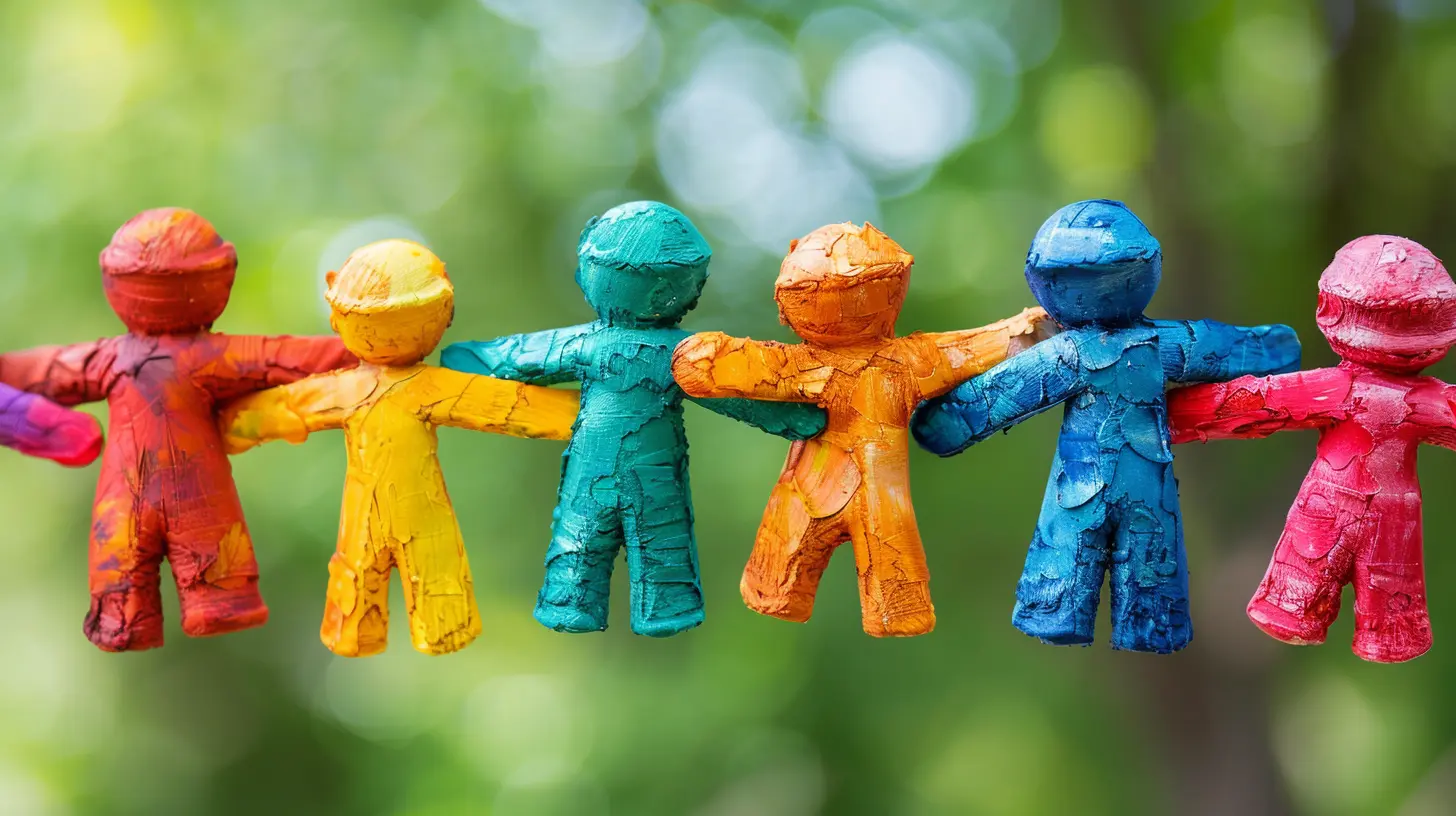
Why Strong Student Relationships Matter
Think about your own school experience. The friends you had, the connections you made—did they make your days better? Most likely, yes! When students feel like they belong, they’re not just happier; they’re also more confident and empathetic.Strong relationships help students:
- Feel safer at school – Knowing they have friends and supportive peers reduces anxiety.
- Develop empathy – Understanding others' experiences makes students less likely to participate in bullying.
- Resolve conflicts peacefully – When kids genuinely care about each other, they’re more likely to talk things through instead of resorting to aggression.
- Boost academic performance – A positive social environment leads to better focus and motivation in class.
Now that we know why student relationships matter, let’s look at how we can build them. 
Encouraging a Culture of Kindness and Respect
1. Teach Empathy from Day One
Empathy isn’t just something you're born with—it can be taught. Schools should introduce activities that encourage students to step into each other’s shoes.- Storytelling exercises – Have students share personal experiences where kindness made a difference in their lives.
- Role-playing activities – Let them act out scenarios where they must show empathy and resolve conflicts.
- Daily acts of kindness – Encourage students to compliment or help each other daily, making kindness a habit.
When kids learn to listen and care about others, bullying becomes less of an issue.
2. Promote Teamwork Through Group Activities
Think about a time when you worked with a group. If you bonded well, you probably felt a sense of belonging. That’s exactly what we want for students! Collaborative activities help kids build friendships naturally.- Group projects – Assign tasks that require teamwork so students rely on and support each other.
- Classroom buddies – Pair students up for different activities, mixing groups to help everyone connect.
- School clubs and extracurriculars – Sports, drama, debate, or even a book club can unite students based on shared interests.
When students work toward a common goal, they form connections that go beyond the classroom. 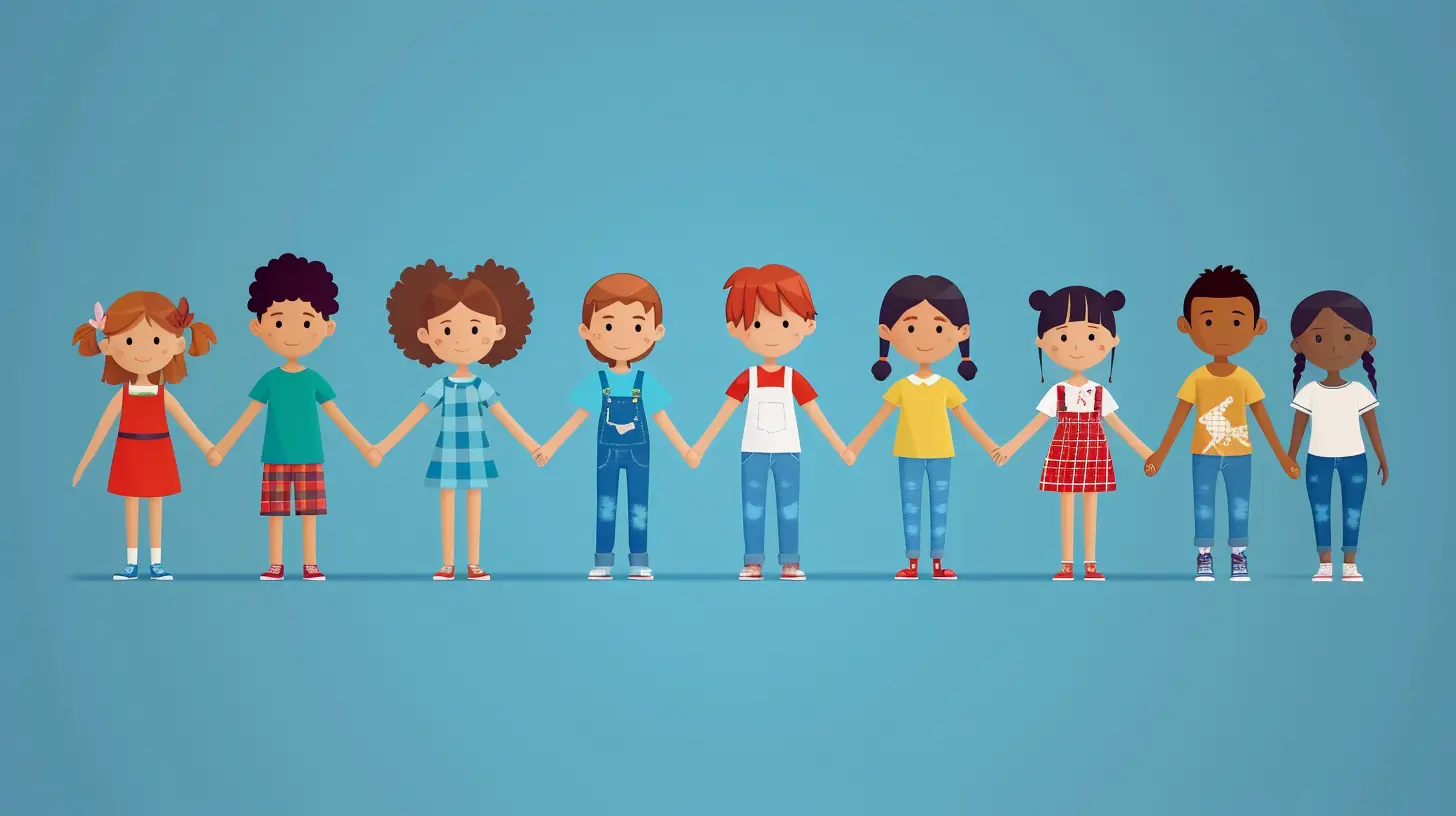
Creating a Safe and Inclusive Environment
3. Set the Right Tone in the Classroom
A classroom should be a safe space where respect is non-negotiable. Teachers play a huge role in shaping this environment.- Zero tolerance for bullying – Make it clear that mean behavior won’t be accepted.
- Encourage open discussions – Let students express their thoughts and feelings without fear of judgment.
- Celebrate diversity – Teach students to appreciate differences instead of seeing them as a reason for division.
When kids know they are valued, they’ll be more inclined to extend that same respect to their peers.
4. Pair Older and Younger Students Together
A mentorship system where older students guide younger ones fosters support and friendship. When younger students feel protected by an older buddy, they grow in confidence. Similarly, older students develop leadership and compassion.Some mentorship ideas include:
- "Big Brother, Big Sister" programs – Pairing older students with younger ones for guidance and support.
- Reading buddies – Older kids helping younger ones with reading assignments.
- Peer tutoring – Encouraging students to help each other with subjects they excel in.
These connections create a family-like environment in schools, reducing the likelihood of bullying. 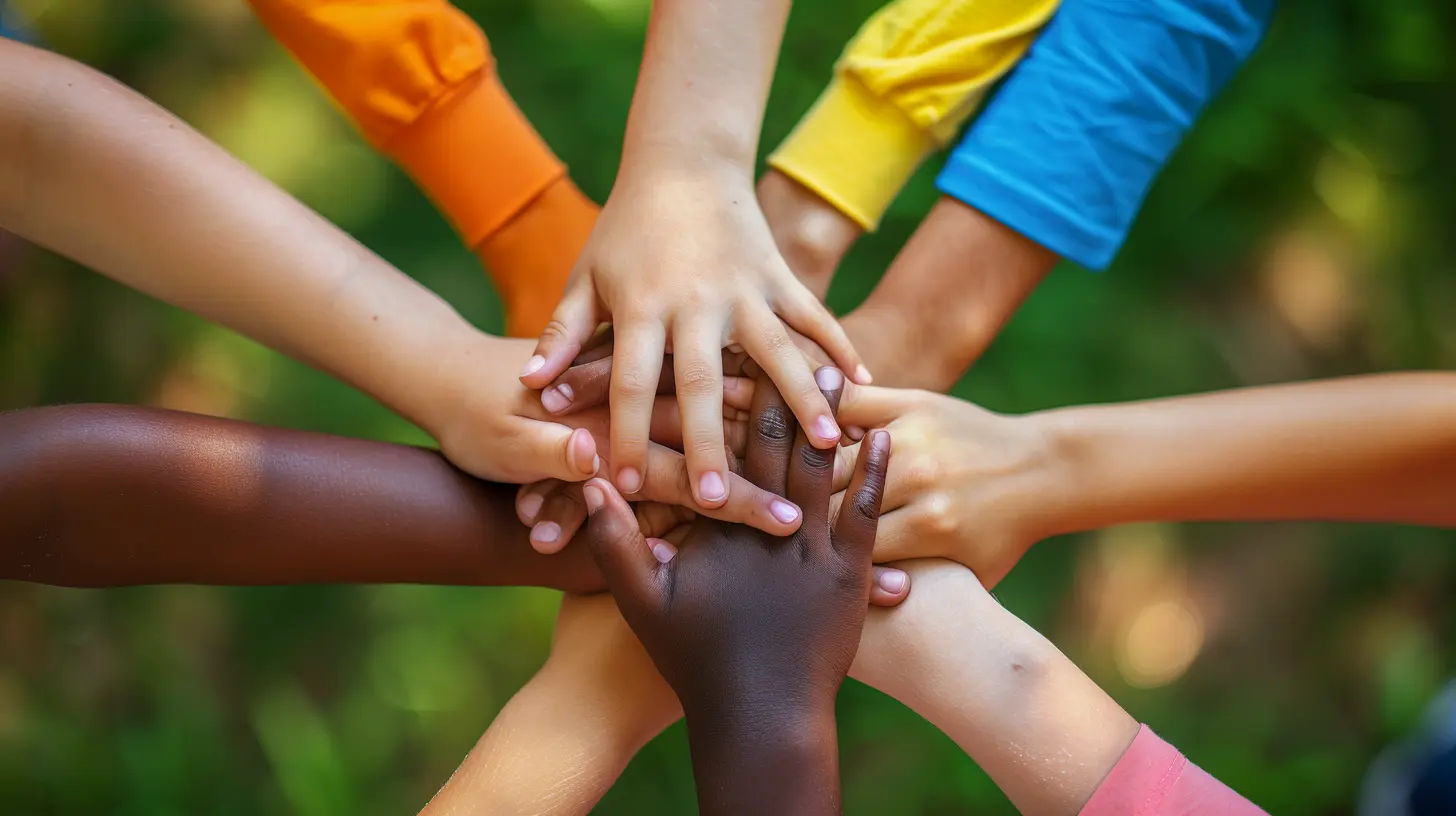
Encouraging Positive Communication
5. Teach Conflict Resolution Skills
Disagreements are inevitable. But instead of letting small issues escalate, schools should teach students how to communicate effectively.- Use "I" statements – Instead of blaming, kids should express how they feel. For example, "I felt hurt when you ignored me" rather than "You are so mean!"
- Practice active listening – Teach students to truly listen before responding.
- Encourage mediation – If a conflict arises, let neutral students help resolve it rather than letting it turn into bullying.
When students learn to handle conflicts calmly, relationships remain strong even during misunderstandings.
6. Encourage Gratitude and Positive Feedback
When students feel appreciated, they’re more likely to return positivity.- Gratitude journals – Ask students to write down things they appreciate about their classmates.
- "Kindness shout-outs" – Dedicate time for students to compliment others publicly.
- Recognition boards – A classroom wall where students post notes about kind acts they witnessed.
This simple practice shifts focus from negativity to appreciation, reinforcing positive relationships.
Encouraging Parental and Teacher Involvement
7. Get Parents Involved
Parents play a crucial role in shaping how kids interact with others. Schools can encourage parental involvement by:- Hosting family events – School picnics, game nights, or volunteer days can help parents and students bond.
- Providing resources on bullying prevention – Workshops and newsletters about fostering kindness at home.
- Encouraging open conversations at home – Parents should regularly discuss friendships and conflicts with their children.
When kindness is reinforced both at school and home, it becomes second nature for kids.
8. Teachers as Role Models
Kids watch and learn from adults. Teachers must set the example by:- Treating students with kindness and fairness
- Addressing bullying immediately
- Creating an inclusive classroom where every student feels heard
If teachers show warmth, respect, and understanding, students will naturally mirror that behavior with their peers.
Final Thoughts
Building stronger relationships between students isn’t just about preventing bullying—it’s about creating an uplifting and supportive school environment where everyone feels valued.It all starts with empathy, teamwork, communication, and kindness. By making these values a priority in schools, we set the foundation for lifelong friendships and a community where bullying has no place.
As educators, parents, and students, we all have the power to shape the school environment. So, let’s work together to make our schools places where every student feels safe, supported, and connected. Because when students stand together, bullying doesn’t stand a chance.
all images in this post were generated using AI tools
Category:
Bullying PreventionAuthor:

Anita Harmon
Discussion
rate this article
2 comments
Ariadne Martin
Building strong connections among students is like planting seeds of kindness—nurture them, and they’ll grow into a vibrant garden of support! By fostering friendships and open communication, we can create a school environment where everyone feels valued. Let’s cultivate compassion and watch our community flourish! 🌱💖
February 4, 2026 at 12:53 PM
Anita Harmon
Absolutely! Nurturing connections fosters empathy and support, creating a positive school culture that deters bullying and enhances everyone’s sense of belonging. 🌟
Quentin Mendez
Building stronger relationships among students is essential in preventing bullying. Fostering open communication, promoting teamwork, and encouraging empathy can create a supportive environment where differences are respected, ultimately reducing the likelihood of bullying behavior.
January 12, 2026 at 9:57 PM
Anita Harmon
I completely agree. Creating a culture of empathy and open communication is key to making students feel supported and valued, which can really help in reducing bullying.