Supporting Students with Traumatic Brain Injuries in the Classroom
12 March 2026
Traumatic brain injuries (TBIs) can happen in a split second, but the impact they leave behind often lasts a lifetime. For students who have experienced a TBI, the classroom can become a challenging environment. But here's the thing: with the right support, these students can thrive. Teachers, support staff, and even classmates can all play a role in helping students with TBIs succeed academically and emotionally.
So, how exactly do we go about supporting students with traumatic brain injuries in the classroom? Let’s dive into this important topic and explore strategies that can make a real difference.

What is a Traumatic Brain Injury (TBI)?
Before we jump into the practical stuff, it's important to understand what a traumatic brain injury is. In simple terms, a TBI occurs when an external force—like a blow to the head—causes damage to the brain. This could happen in a car accident, a fall, during sports, or even from something as seemingly minor as a knock to the head.TBIs can range from mild (like a concussion) to severe, and the severity of the injury will often dictate the kinds of challenges the student will face. Some common symptoms that students with TBIs might experience include:
- Memory problems
- Difficulty concentrating
- Fatigue
- Changes in mood or personality
- Sensitivity to light and noise
- Headaches
And those are just a few examples. No two TBIs are exactly the same, which means that supporting these students requires a flexible and individualized approach.
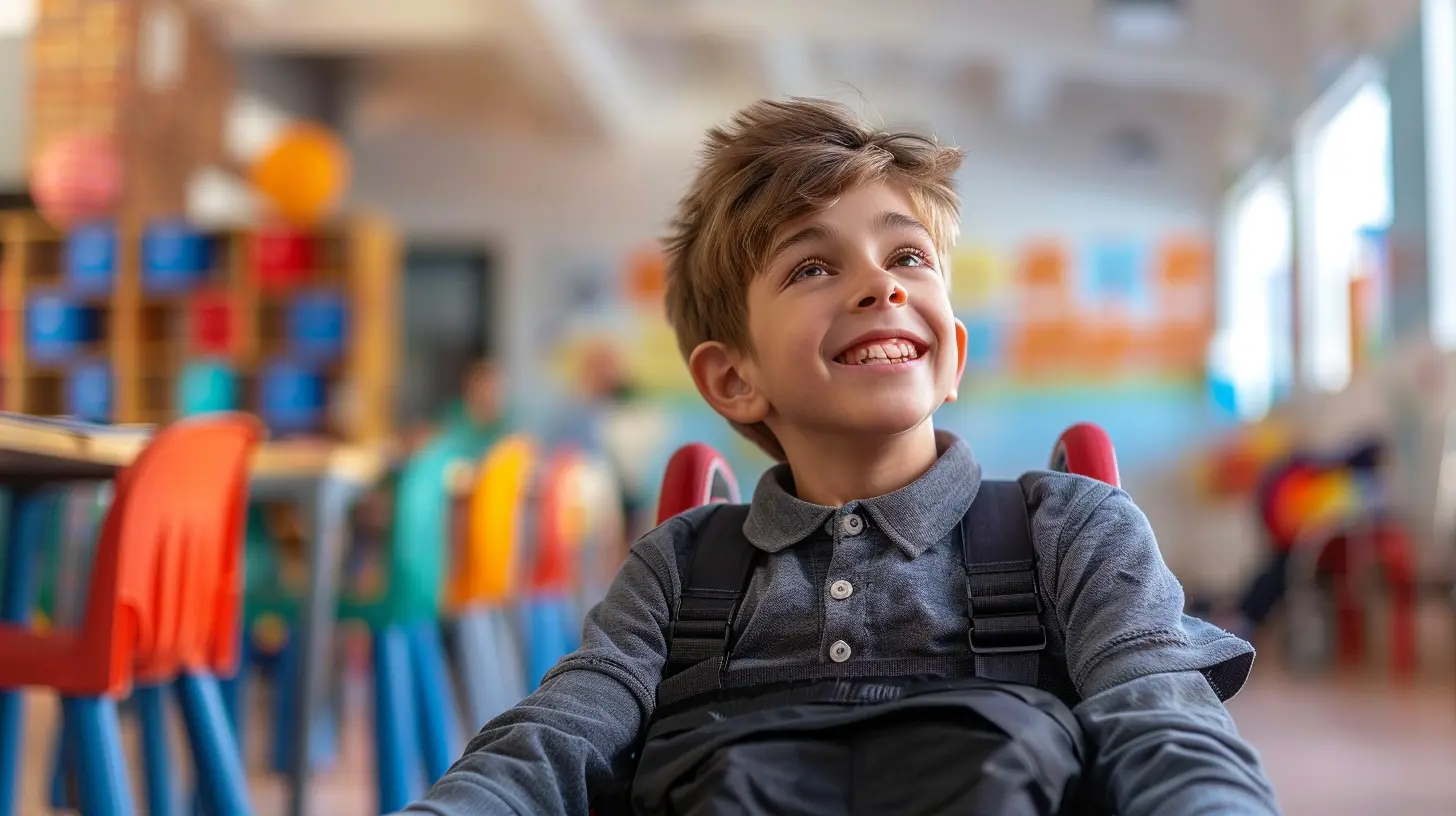
The Impact of TBIs on Learning
Now, let’s think about what happens when a student with a TBI enters the classroom. The brain is like the control center for everything we do—thinking, moving, feeling. So, when it's injured, various aspects of a student’s learning can be affected.Cognitive Challenges
Many students with TBIs face cognitive impairments that affect how they process information. They might struggle with memory, find it hard to focus for extended periods, or have difficulty organizing their thoughts. Tasks that were once easy—like completing a math problem or writing an essay—might now feel overwhelming.Physical Challenges
TBIs can also affect a student’s physical abilities. They might have trouble with fine motor skills, making it difficult to write or use classroom tools. Some students may experience balance issues or even seizures, which can be disruptive not just for them but for the entire classroom.Emotional and Behavioral Changes
In some cases, students with TBIs might exhibit changes in their behavior or emotions. They may become easily frustrated, anxious, or irritable. Others could struggle with impulse control, leading to outbursts in class. While these behaviors aren't intentional, they can create challenges for teachers and peers alike.
How Teachers Can Help Students with TBIs
The good news? Teachers have the power to make a huge difference. By implementing specific strategies and accommodations, educators can help students with TBIs succeed in school while also ensuring they feel supported and understood. Here are some key strategies to consider:1. Create a Flexible Learning Environment
Flexibility is key when it comes to supporting students with TBIs. Why? Because their symptoms can be unpredictable. Some days might be better than others, and the student’s needs might change over time.To create a flexible learning environment, consider providing:
- Extended time for assignments and tests. Processing information might take longer for a student with a TBI, so giving them extra time can ease the pressure.
- Flexible deadlines. If a student is having a particularly tough day, consider allowing them to submit work late without penalizing them.
- Frequent breaks. Fatigue is a common symptom of TBIs, so giving students the chance to take short breaks can help them recharge and refocus.
2. Use Visual Aids and Technology
For students with TBIs, processing written or spoken information can be a struggle. That's where visual aids and technology can come in handy. Using tools like diagrams, charts, and videos can help reinforce key concepts and make learning more accessible.Additionally, assistive technology like text-to-speech software or audio recordings of lectures can be game-changers for students who have difficulty reading or concentrating.
3. Break Down Instructions
Complex instructions can be overwhelming for students with TBIs, especially if they’re dealing with memory issues or difficulty processing information. Instead of giving long or complicated directions, try breaking tasks down into smaller, more manageable steps.For example, instead of saying, "Complete this worksheet and then write a summary," you could say, "First, complete the first three questions on the worksheet. Once you're done, let me know, and we’ll move on to the next step."
By breaking down instructions, you're giving the student the opportunity to focus on one thing at a time, which can reduce feelings of overwhelm.
4. Foster a Supportive Classroom Culture
It’s crucial to foster a classroom environment where all students feel accepted, including those with TBIs. Encourage classmates to be patient and understanding, and set a tone of inclusivity and respect from day one.You might also consider having open conversations (with the student’s permission, of course) about TBIs and how they affect learning. This can help demystify the injury for other students and reduce any stigma or misunderstandings.
5. Collaborate with Specialists
Supporting a student with a TBI doesn’t have to be a one-person job. In fact, it shouldn’t be! Collaborate with specialists like occupational therapists, speech therapists, and school counselors to create a comprehensive support plan for the student.Working together as a team ensures that the student is getting the help they need from multiple angles. Plus, specialists can offer valuable insights and strategies that you might not have considered.
6. Focus on Strengths
It can be easy to focus on what a student with a TBI can’t do, but it’s just as important to focus on their strengths. Every student, regardless of their injury, has unique talents and abilities. Maybe the student is great at art, excels in science, or has a knack for storytelling.By focusing on these strengths, you can help build the student’s confidence and create opportunities for them to shine. This not only boosts self-esteem but also helps them stay engaged and motivated in the classroom.

Supporting the Emotional Well-Being of Students with TBIs
It’s not just about academic support—students with TBIs also need emotional support. Navigating the challenges of a brain injury can be incredibly frustrating, and students might feel isolated or different from their peers.Here are a few ways to support their emotional well-being:
1. Encourage Open Communication
Let the student know that it’s okay to talk about their feelings and frustrations. Whether it’s through one-on-one conversations, journaling, or even art, giving the student a safe space to express themselves can be incredibly healing.2. Offer Positive Reinforcement
When the student makes progress, no matter how small, celebrate it! Positive reinforcement can go a long way in helping the student feel good about themselves and their accomplishments.3. Be Patient
Some days will be harder than others, and that’s okay. Patience is key. If a student is having an off day, try to be understanding and offer them the space they need to regroup.4. Connect with Parents and Caregivers
Parents and caregivers are often the ones who know the student best. Keep an open line of communication with them to ensure that you’re all on the same page when it comes to supporting the student’s emotional and academic needs.The Importance of Individualized Education Plans (IEPs)
For many students with TBIs, an Individualized Education Plan (IEP) can be a vital tool. An IEP outlines the specific accommodations, modifications, and support that the student needs to succeed in school.If you’re working with a student who has a TBI, make sure you’re familiar with their IEP and actively implementing the strategies it outlines. The IEP is a roadmap for success, and following it ensures that the student is getting the support they’re entitled to.
Conclusion: Everyone Can Thrive with the Right Support
Traumatic brain injuries can present significant challenges for students, but with the right support, those challenges don’t have to stand in the way of success. By creating a flexible, inclusive, and supportive classroom environment, educators can help students with TBIs not only survive but thrive.Ultimately, it’s about understanding that every student is unique, and a one-size-fits-all approach simply won’t work. With patience, creativity, and collaboration, we can create a classroom where all students feel empowered to reach their full potential.
all images in this post were generated using AI tools
Category:
Special EducationAuthor:

Anita Harmon
Discussion
rate this article
2 comments
Stella Adams
This article provides essential insights for effectively supporting students with traumatic brain injuries.
March 21, 2026 at 12:19 PM
Anita Harmon
Thank you! I'm glad you found the insights helpful for supporting these students.
Elin Murphy
Empowering students with traumatic brain injuries is essential in fostering their growth and resilience. By creating supportive, inclusive environments and employing tailored strategies, we can help these remarkable individuals thrive academically and socially, unlocking their potential and inspiring a brighter future.
March 20, 2026 at 4:53 AM
Anita Harmon
I completely agree. Creating inclusive classrooms and providing tailored support can truly make a difference in their journey. It's about unlocking potential and fostering resilience.