Rethinking High School Graduation Requirements for the Future
4 April 2026
Let’s face it: the world is changing fast. Technology is advancing at breakneck speed, industries are evolving, and the skills needed for tomorrow’s jobs are barely recognizable from what was required a decade ago. So why are high school graduation requirements still stuck in the past? In this blog post, we're going to peel back the layers and explore why it's time to rethink high school graduation requirements for the future. Spoiler alert: it’s not just about adding more tech classes!
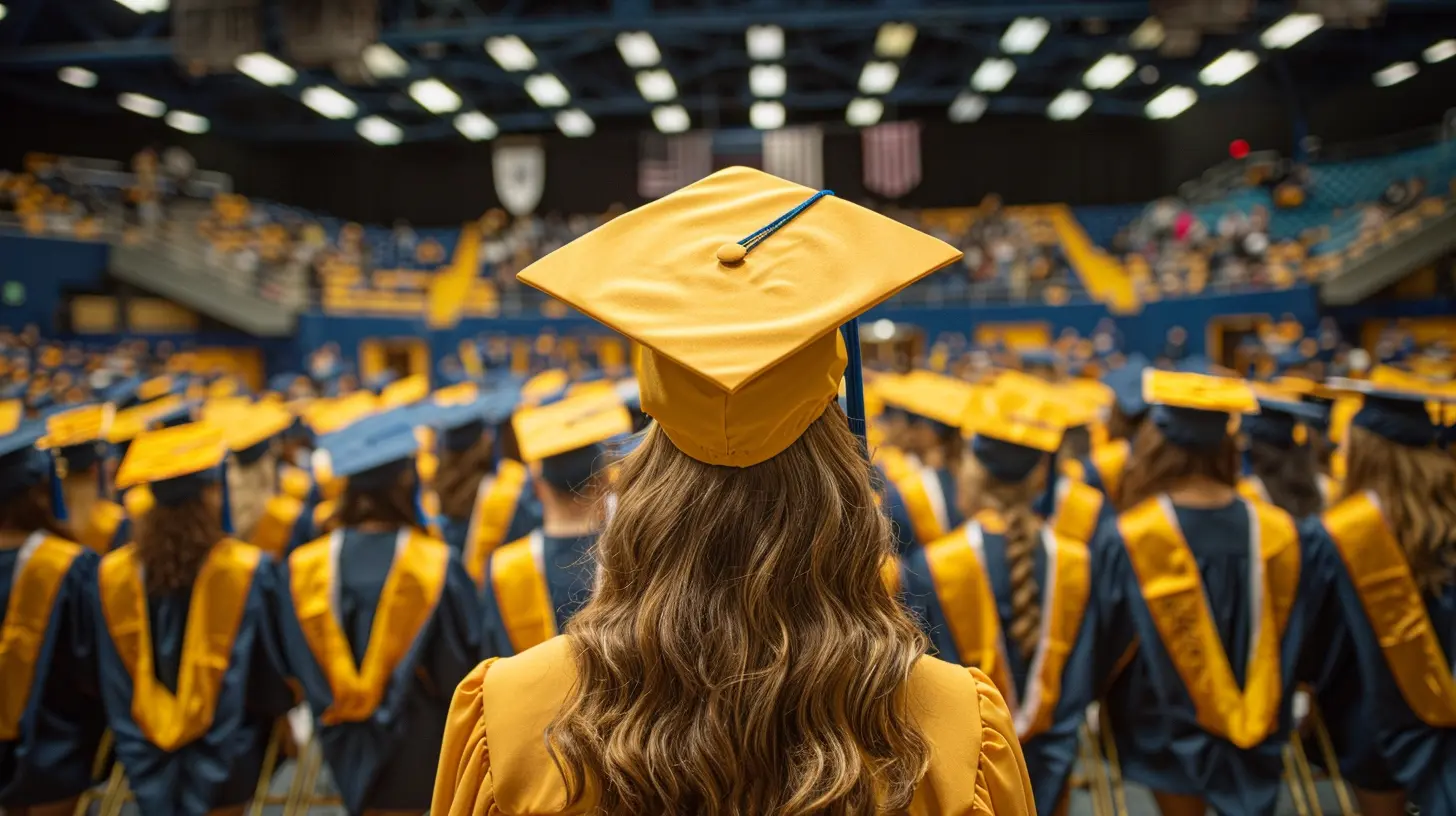
The Problem With Traditional Graduation Requirements
Most of us went through high school with a pretty standard checklist: English, math, science, history, and maybe a foreign language or two. Throw in some gym classes, a bit of art or music, and voila—you're ready to graduate, right?But here's the thing: that checklist hasn't changed much in decades, even though the world around us has. Think about it—when was the last time you used trigonometry in your daily life? On the flip side, how often do you wish you’d learned more about personal finance, digital literacy, or even mental health?
The traditional system focuses on a narrow set of academic subjects, leaving little room for practical life skills or the soft skills that employers are increasingly looking for. And that’s a problem.
The Disconnect Between Education and the Real World
The biggest issue with current high school graduation requirements is the disconnect between what students learn and what they need to succeed in the real world. Sure, mastering algebra or understanding Shakespeare is valuable, but is it enough?Take a look at the job market. Employers are looking for individuals who are not only technically skilled but are also adaptable, creative problem-solvers with strong communication skills. These are not traits that can be developed by sitting through a lecture on the Pythagorean theorem.
In fact, a report by the World Economic Forum lists skills like critical thinking, emotional intelligence, and people management as essential for the future workforce. Yet, when you look at most high school graduation requirements, these skills are rarely emphasized.
New Skills For A New World
So, what kinds of skills should students be learning if they’re going to thrive in the future? Let’s break it down.1. Digital Literacy
We live in an increasingly digital world, and the ability to navigate that world is no longer optional—it’s essential. This goes beyond knowing how to use a computer or post on social media. Digital literacy means understanding how technology works, how to use it safely, and how to leverage it for innovation.Imagine if high schools required students to take courses on cybersecurity, coding, or even digital marketing. Not only would this prepare them for a wide range of careers, but it would also equip them with the tools to create in the digital space, not just consume.
2. Financial Literacy
How many of us graduated high school not knowing how to file taxes or manage a budget? It’s a common gripe, and for good reason. Financial literacy is one of the most important life skills, yet it’s often overlooked in high school curricula.In a world where student loan debt is skyrocketing and financial independence is more vital than ever, it’s crucial that students understand how to manage their money. High schools should require courses on personal finance, including budgeting, credit scores, and investing. This would empower students to make informed financial decisions and avoid the pitfalls that so many fall into.
3. Emotional Intelligence and Mental Health
Another glaring omission from traditional graduation requirements is a focus on emotional intelligence and mental health. We ask students to memorize dates and formulas, but we rarely teach them how to manage stress or navigate complex social situations.Mental health issues are on the rise, especially among young people. According to the CDC, nearly 1 in 5 children has a mental, emotional, or behavioral disorder. Yet, schools often don’t provide the tools students need to manage their mental well-being.
Incorporating mental health education and emotional intelligence into graduation requirements could help students develop resilience, empathy, and self-awareness—skills that are crucial not just in the workforce, but in life.
4. Creative and Critical Thinking
Creativity is often seen as a "nice-to-have," but in reality, it's becoming a "must-have." As automation and artificial intelligence take over more routine tasks, the ability to think creatively and critically will be what sets humans apart.High schools should prioritize subjects that encourage creative thinking—whether that’s through the arts, design thinking, or problem-solving workshops. This doesn’t mean we should eliminate traditional subjects like English or math, but rather that we should integrate creativity into how we teach these subjects.
For example, instead of just reading literature, students could create their own stories or even design a multimedia project that brings a novel to life. The goal is to foster a mindset that sees problems as opportunities for innovation.
5. Collaboration and Communication
In almost any career, the ability to work with others and communicate effectively is key. Yet, too often, high school education is an individual endeavor. Students sit in rows, work on their own assignments, and are graded on individual performance.But in the real world, collaboration is king. Whether you're working on a team project at a tech startup or coordinating a marketing campaign, the ability to communicate clearly and work well with others is a non-negotiable skill.
High schools should integrate more collaborative projects into the curriculum, where students can work in teams to solve problems, debate ideas, and present their findings. This would not only prepare them for the workforce but also help them develop important social skills.
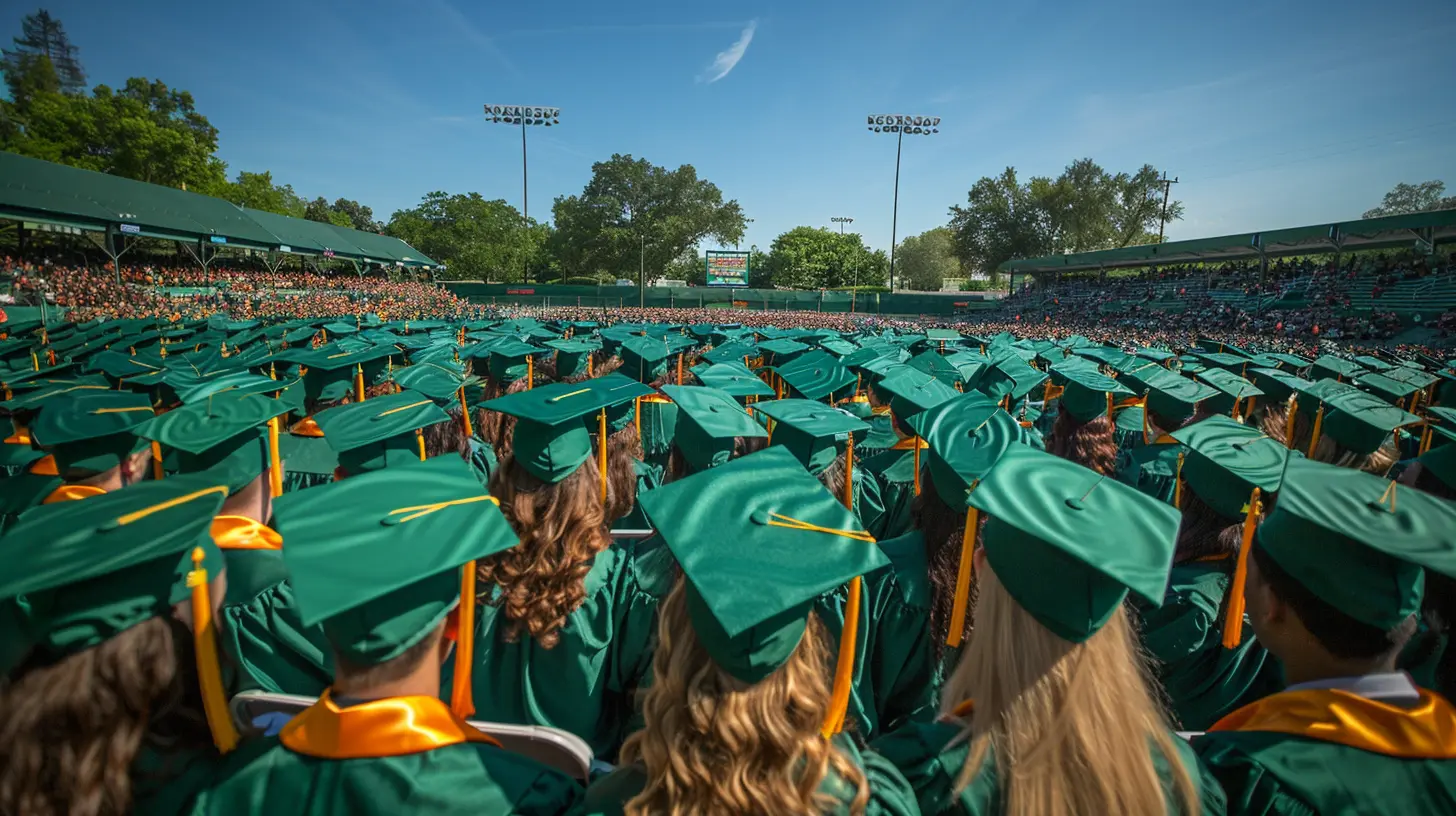
Customizing Graduation Paths
One size doesn’t fit all, and that’s especially true when it comes to education. Every student has different strengths, interests, and career goals, so why are we forcing them all down the same path?6. Career-Focused Learning
One approach that could better prepare students for the future is offering multiple graduation pathways that are tailored to different career goals. For example, a student interested in pursuing a career in tech might follow a STEM-focused path, while another student interested in social work could focus on humanities and social sciences.This idea isn’t new—many vocational schools and magnet programs already do this—but it’s time to make these options more widely available. Offering specialized tracks would allow students to dive deeper into subjects that align with their interests and career aspirations, making their education more relevant and engaging.
7. Internships and Real-World Experience
Imagine if high schools required students to complete internships or real-world projects before graduating. This wouldn’t just be a checkbox on a list; it would be a chance for students to gain hands-on experience in their chosen field.Internships, apprenticeships, and other experiential learning opportunities give students a taste of the working world long before they enter it. They also help students develop important soft skills like time management, responsibility, and professionalism—skills that are hard to teach in a traditional classroom setting.
The Role of Teachers and Technology
Of course, none of this can happen without the support of teachers and the smart use of technology. Teachers are the backbone of any educational system, and they need the training and resources to adapt to a changing world.8. Teacher Training and Support
If we want to rethink graduation requirements, we need to start by rethinking how we support our educators. Teachers must be equipped with the skills and knowledge to teach in new and innovative ways. This means offering professional development opportunities, encouraging collaboration among teachers, and providing the tools they need to integrate 21st-century skills into their lessons.9. Leveraging Technology
Technology can play a huge role in modernizing education, but it’s not just about putting tablets in students’ hands. Schools need to use technology in a way that enhances learning, not just replaces traditional methods.For example, online platforms can offer personalized learning experiences that adapt to each student’s pace and style. Virtual reality can bring historical events or scientific experiments to life in ways that textbooks never could. The possibilities are endless, but only if we use technology thoughtfully and intentionally.
Conclusion: Time for a Change
It's clear that the current high school graduation requirements aren't cutting it anymore. As the world continues to evolve, so too must our approach to education. By focusing on digital literacy, financial literacy, emotional intelligence, creative thinking, and collaboration, we can better prepare students for the future.But more than that, we need to offer flexible, personalized learning pathways that allow students to pursue their passions and career goals. And we must support our teachers and leverage technology to create a learning environment that’s dynamic, engaging, and relevant.
It’s time to stop thinking of high school as a one-size-fits-all system and start seeing it for what it should be: a launching pad for future success.
all images in this post were generated using AI tools
Category:
Education ReformAuthor:

Anita Harmon
Discussion
rate this article
2 comments
Laura Roberts
How will these changes impact students' futures?
April 9, 2026 at 10:21 AM
Anita Harmon
These changes aim to better prepare students for the evolving job market, equipping them with essential skills and knowledge for success in their future careers and lives.
Thaddeus Ruiz
Embracing innovative graduation requirements empowers students to thrive in a dynamic world. Let's redefine success, foster creativity, and equip the next generation with skills for the future!
April 6, 2026 at 3:46 AM
Anita Harmon
Thank you for your insightful comment! I completely agree—innovative graduation requirements are essential for preparing students to navigate and excel in an ever-changing world.