How Open Educational Resources Support Equity in Education
14 January 2026
Imagine a world where every student, no matter where they live or how much money they have, gets the same quality education. Sounds ideal, right? Well, that world is getting closer to reality thanks to Open Educational Resources (OER). These resources are not just digital files; they are the keys to unlocking equal education for all.
In this article, we’re going to walk through how OER levels the playing field in education. If you’ve ever wondered why so many educators and policy-makers are obsessed with open-access materials, stick around—we’re breaking it all down in simple terms.
What Are Open Educational Resources?
Let’s start with the basics.Open Educational Resources (OER) are freely accessible, openly licensed materials that are used for teaching, learning, and research. These can include everything from textbooks and lesson plans to videos, quizzes, and even full courses. The beauty of OER? They’re free to use, adapt, and share. That means no paywalls, no subscriptions, and no hidden fees.
To put it plainly—OER is like Netflix, but for learning, and it doesn’t ask for your credit card.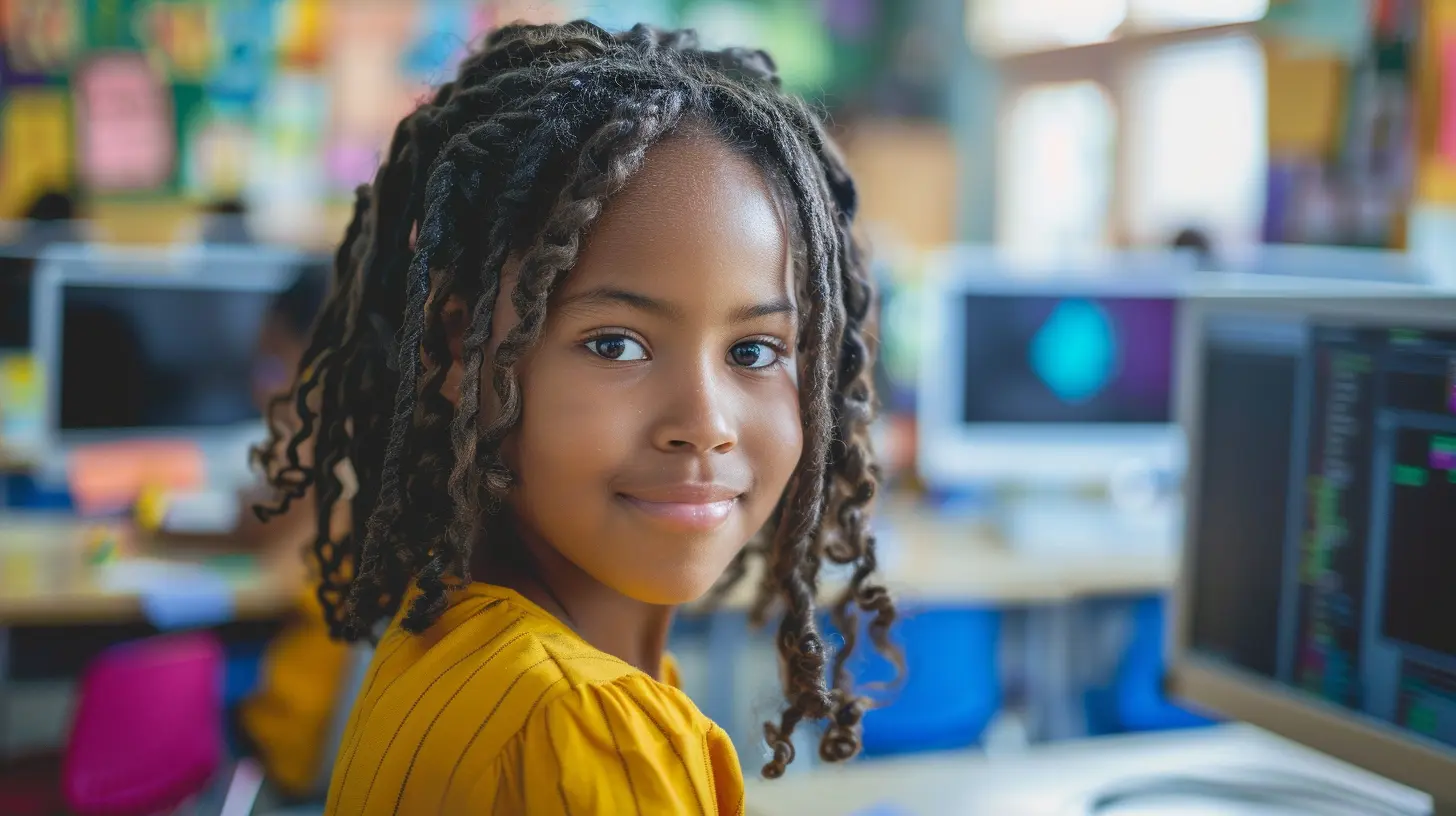
The Core Idea Behind OER: Sharing Knowledge Freely
At the heart of OER is one powerful belief: knowledge should be a shared resource. Education is a right, not a privilege. The internet has blown the doors wide open to information, and OER takes that internet-fueled access and turns it into educational gold.So, how does sharing materials help with equity? Let’s talk about that.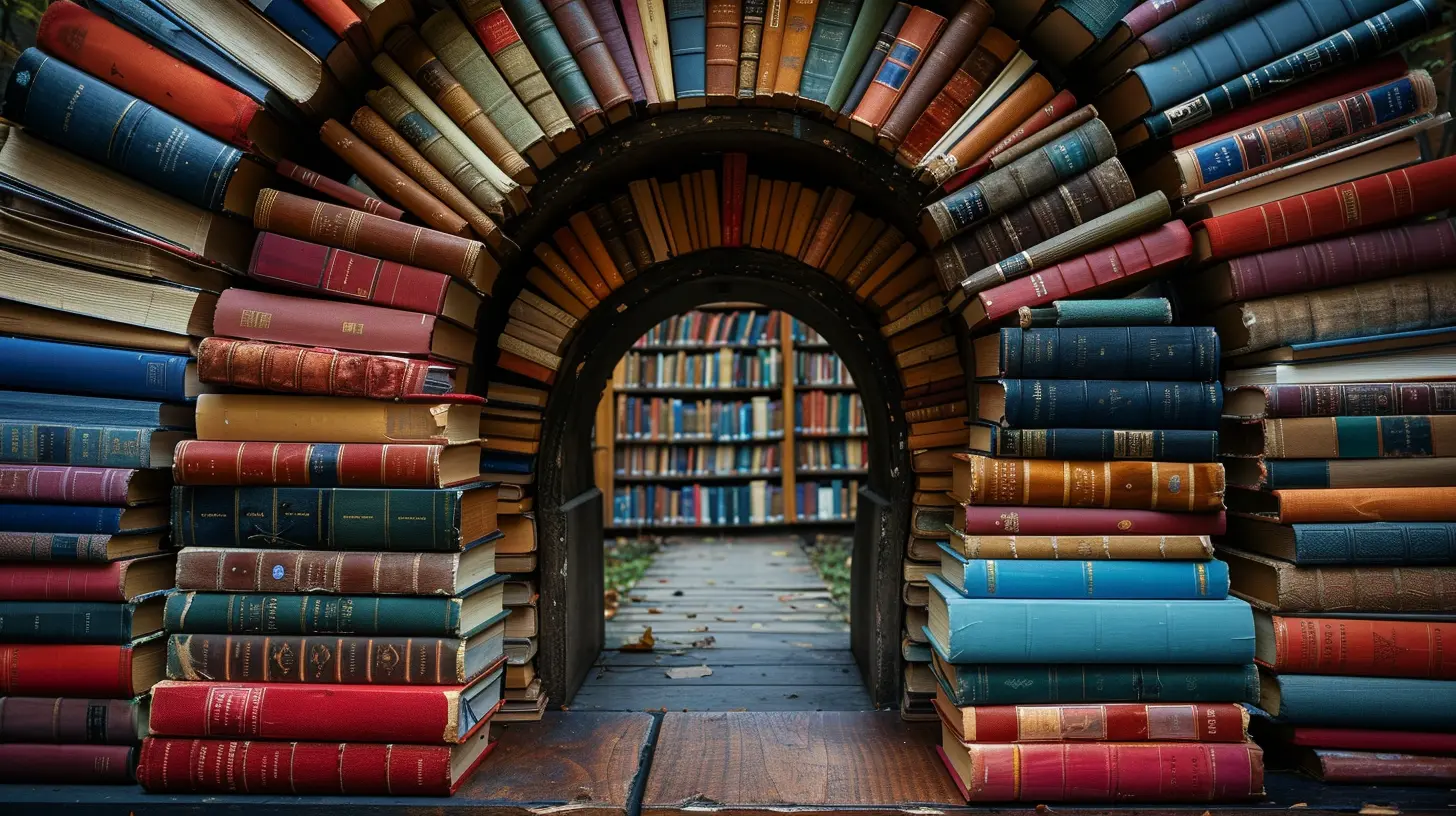
The Equity Gap in Education: A Real Issue
Before we dive into the solution, we need to understand the problem.All over the world, there’s a wide gap in educational access. Students in low-income communities often have outdated textbooks, fewer learning materials, and limited access to quality instruction. Meanwhile, more affluent schools offer top-notch resources, advanced technology, and experienced educators.
This gap doesn’t just make things unfair—it builds walls between students and their potential.
Think of it like trying to run a race when your shoes are worn out while others are wearing the latest high-tech sneakers. That’s the disadvantage many students face daily.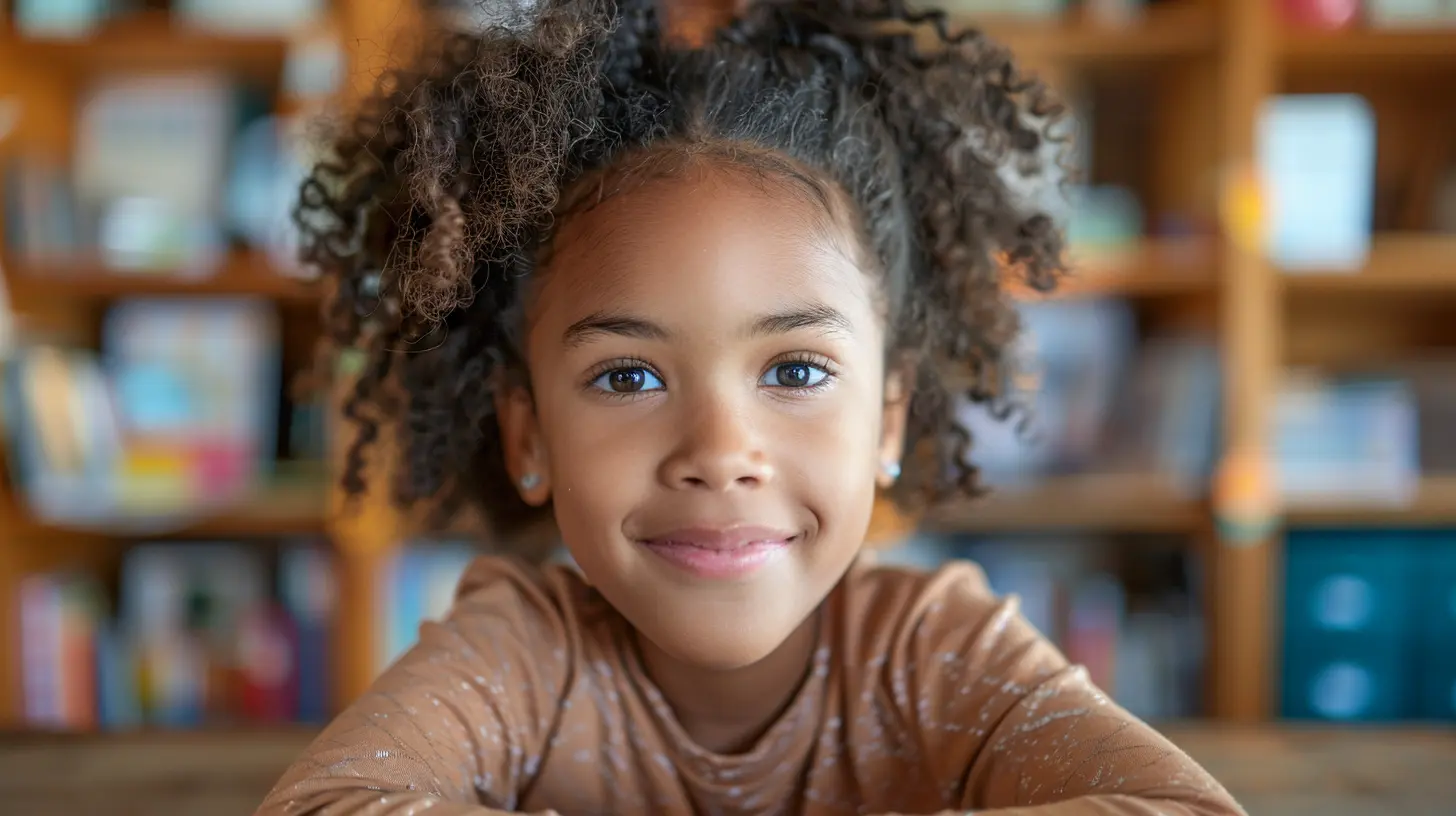
How OER Closes the Gap
Now, here’s where things get exciting. OER breaks down those walls and levels the playing field in several powerful ways.1. Free Access to Quality Content
Let’s start with the obvious—cost.Traditional textbooks and learning materials are expensive. For some students, buying all the required books for a semester means skipping meals or taking on debt. With OER, the content is free. That’s right—zero dollars.
This alone lifts a big financial burden off students’ shoulders. And the best part? Instructors can update and customize the materials anytime to match learning goals or respond to current events.
2. Localization and Cultural Relevance
One-size-fits-all doesn’t work in education.What makes OER unique is the freedom it gives educators to adapt content to reflect their students' local context, culture, and needs. Instead of teaching students in Brazil using a science example based in Canada, OER can be tweaked to include local plants, local issues, or native languages.
This helps make learning more relevant and relatable, which boosts student engagement and understanding.
3. Empowering Educators and Students
With OER, teachers aren’t just passive users—they become curators, creators, and collaborators. They can remix OER content into personalized lesson plans that directly address their students’ learning styles and challenges.Meanwhile, students, especially at the higher ed level, can participate in creating or improving materials. That’s not just empowering—it’s transformative. It turns students into contributors, not just consumers.
4. Closing the Digital Divide
Now, you might be thinking, “But what if students don’t have internet access?”Great point. While OER is often digital, it doesn’t have to stay that way. Many OER materials can be downloaded and printed. Some universities and nonprofits are even distributing OER-based textbooks physically to students in remote areas.
Also, as internet access becomes more common globally, the ability to reach even more learners is growing. It’s not perfect yet, but OER definitely helps narrow that digital divide.
Real-Life Success Stories
Let’s take a look at a few places where OER has already made a major impact.Zambia’s Open Textbook Project
In Zambia, teachers and government officials teamed up with open education advocates to develop textbooks that were not only free but aligned with the national curriculum. These books are now being used in schools across the country, saving families money and ensuring consistency in learning content.U.S. Community Colleges
In the United States, many community colleges are turning to OER to offer “Z-Degrees” (as in, zero textbook costs). This means students can complete a full degree without paying for a single textbook. As a result, more low-income and first-generation students are enrolling, staying, and graduating.India’s National Repository of OER
India launched an online platform offering OER in multiple languages to serve students across its vast, diverse population. Teachers can contribute and access materials anytime, which is especially beneficial in rural areas with fewer resources.These aren’t just isolated cases—they’re proof that OER can work anywhere, for anyone.
Challenges and How We Can Overcome Them
Let’s be real—OER isn't a magic wand. There are challenges, but none that can't be solved with a bit of teamwork and creativity.Quality Control
Not every free resource is gold. Some educators worry about the reliability of OER materials. Luckily, peer-reviewed repositories and open textbook networks have stepped up to vet and recommend high-quality resources.Awareness and Training
Many educators simply don’t know OER exists or how to use it. That’s where workshops, training sessions, and communities of practice come in. The more we spread the word, the more educators can take advantage of it.Sustainable Funding
Since OER is free, who pays for its creation? The answer lies in grants, public funding, and institutional support. Think of it as investing in long-term equity.OER and the Future of Inclusive Education
It’s hard to talk about the future of education without talking about inclusivity.OER is not just about money or access. It’s about giving every learner a fair shot—regardless of geography, income, language, or ability. When educators can adapt content for students with disabilities or translate materials into different languages, we get closer and closer to universal inclusion.
Imagine a global library that everyone can use, customize, and share. That’s not science fiction anymore. That’s what OER offers.
What You Can Do
So, what can YOU do to support equity in education through OER?- If you’re a teacher, start exploring open repositories like OER Commons, MERLOT, or OpenStax.
- If you’re a student, ask your professors about using open textbooks.
- If you’re a parent or community member, advocate for OER in your local schools or districts.
- And if you’re an admin or decision-maker, consider funding or supporting OER initiatives within your institution.
Every little step helps move us toward a more equitable education system.
Final Thoughts: Education Without Barriers
At the end of the day, Open Educational Resources are about more than just free textbooks. They’re about tearing down the barriers that keep learners from reaching their potential.OER gives voice to underserved communities, flexibility to educators, and freedom to students. Whether you’re in a high-rise apartment in New York or a rural school in Kenya, access to quality education should be your right—not a privilege tied to your wallet.
Let’s keep pushing for an education system where everyone, everywhere, gets the chance to shine. And OER? It’s one of the brightest tools we’ve got.
all images in this post were generated using AI tools
Category:
Open Educational ResourcesAuthor:

Anita Harmon
Discussion
rate this article
2 comments
Myles McHugh
Open resources foster inclusivity and equal access.
February 8, 2026 at 1:34 PM
Anita Harmon
Thank you for your comment! Indeed, open resources play a crucial role in promoting inclusivity and ensuring that all learners have equal access to quality educational materials.
Lana Taylor
Great article! Open Educational Resources are a fantastic way to level the playing field in education. Let's keep spreading the word and empowering everyone to learn! 🚀✨
January 19, 2026 at 5:24 AM
Anita Harmon
Thank you! I completely agree—OER truly have the power to democratize education and empower learners everywhere! Let’s continue to promote access and equity! 🚀✨