Promoting Kindness in Schools: A Powerful Tool for Bullying Prevention
22 July 2026
Let’s be real for a second—school can sometimes feel like a jungle. And no, not the fun kind with Tarzan swinging around. We're talking more like the kind where cliques form territories, hallway drama is a daily soap opera, and bullying can sneak in like an unwelcome pop quiz.
But what if we told you there's a secret weapon, something ridiculously simple yet stupidly powerful, that can shift the atmosphere from hostile to wholesome?
Yep, it’s kindness.
You might be side-eyeing that word right now, thinking, “Kindness? That’s it?” But hang tight. Kindness isn’t just holding a door open or flashing a smile. It’s a habit, a culture, and a downright game-changer in the fight against bullying. And schools? They're the perfect battleground for this revolution.
Kindness: Not Just Fluff—It’s Anti-Bullying Armor
Let’s squash the myth upfront: kindness is not just soft and squishy stuff meant for bedtime stories and unicorn fan clubs. It’s got grit. When practiced intentionally in schools, it becomes a legit strategy—think of it as emotional armor—for students and even teachers.Bullying feeds off of fear, exclusion, and a whole lot of silence. Kindness, on the other hand, thrives on courage, inclusion, and connection. When you build a culture of kindness, bullying has fewer cracks to sneak into.
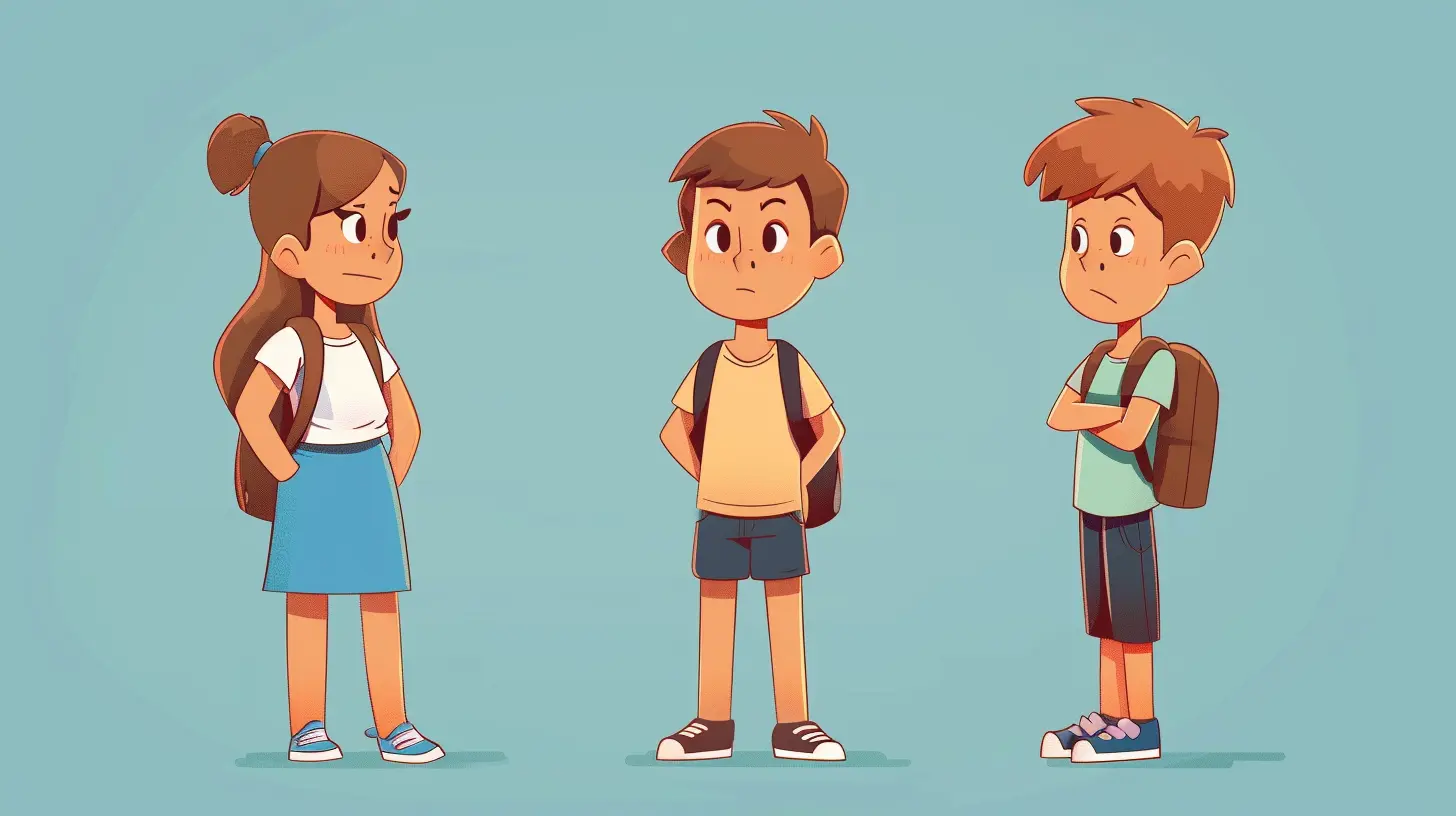
Why Our Schools Desperately Need More Kindness
Let’s look at the stats, and yeah—they're a bit grim. According to numerous studies, 1 in 5 kids report being bullied. That’s like… 5 kids standing in a line, and one of them is hurting in silence.But what if instead of turning a blind eye or whispering about it behind lockers, kids were equipped and empowered to act differently?
Enter kindness.
Kindness creates a ripple effect that shifts the entire tone of a school. A kind culture encourages empathy, awareness, and responsibility. It gives kids the tools not just to not be bullies, but to actively stand up for others.
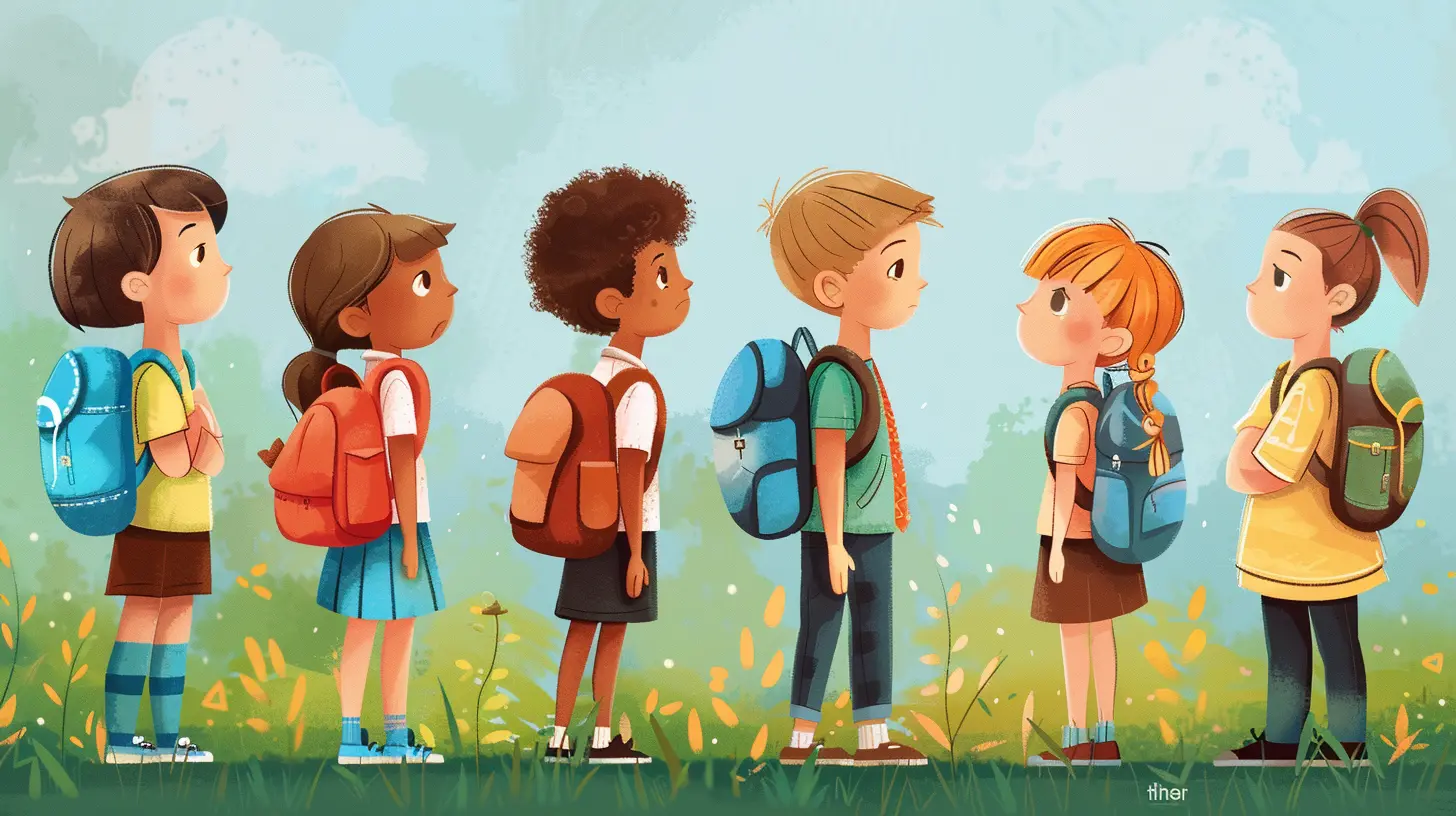
The Butterfly Effect of One Simple Act
Ever heard of the Butterfly Effect? Basically, a butterfly flapping its wings in one part of the world can, in theory, trigger a tornado somewhere else. (Wild, right?)Kindness works kinda like that. One small, seemingly insignificant action—a compliment, a shared sandwich, a compassionate ear—can set off a chain reaction. And that wave of warmth? It changes everything.
That one kind act can shift someone’s day. That shift can change how they treat others. And boom—before you know it, you've got a full-on kindness contagion happening.
School Is Where the Kindness Seeds Get Planted
Kids spend more time in school than almost anywhere else (besides the couch on weekends). That makes it the perfect place to plant those kindness seeds early and often.And here’s the truth: kindness can be taught. Just like math, science, and yes—even algebra (as painful as that may be). We just have to be intentional about it.
It’s about weaving kindness into daily routines, classroom rules, school traditions—it should be part of the air we breathe. It’s not just posters on the wall or the once-a-year anti-bullying assembly that everyone forgets by lunch. It’s baked into the school’s DNA.
Creating Kindness Ninjas: Practical Ways to Make It Happen
Okay, so we’ve talked about why kindness matters. But how do we actually roll it out? How do we create kindness ninjas who walk the hallways armed with empathy and compassion?Glad you asked. Here are some quirky, practical, and proven ways to bring kindness front and center in schools:
1. Kindness Challenges That Don’t Suck
Make kindness a game. Seriously.Set up monthly (or even weekly) kindness challenges. Like “Compliment Five People Friday” or “Kindness Bingo.” Getting kids involved in fun tasks makes it feel less like homework and more like a mission.
Bonus: Throw in a prize or some public kudos, and you’ve got buy-in.
2. Peer Mentoring Programs That Don’t Feel Forced
Older students mentoring younger ones isn’t just cute—it’s powerful.It builds empathy, leadership, and genuine friendships across grades. Plus, having someone to look up to can make a world of difference for a kid who's feeling isolated.
3. Brainstorm “Kindness Corners” in Classrooms
Think of it like a kindness embassy. A physical space where students can write kind notes, reflect on empathy-driven quotes, or just take a few deep breaths.It’s a visual, tangible reminder of what the school stands for. And you’d be surprised how much impact it has when things get tense.
4. Make Morning Announcements Fun and Uplifting
Scrap the robotic “Good morning students, today’s lunch is…” script. Instead, throw in a daily kindness quote, a student shout-out for being awesome, or even a “Kindness Joke of the Day.”It sets the mood. Starts the day with positive vibes. And it sticks.
5. Teach Emotional Intelligence Like It's a Superpower
Because… it is.EQ (emotional intelligence) is just as important as IQ. Teaching kids how to recognize, express, and manage their emotions helps them understand others, resolve conflicts, and not lash out as bullies.
Use storytelling, role-playing, or even memes (yep, memes work) to teach emotional intelligence in ways that resonate.
When Teachers Lead with Kindness, Kids Follow Suit
You know what else is super contagious in schools? Teacher energy.When educators model kindness—not just towards students, but toward each other—it sets the tone. Students absorb it. They notice how problems are talked through, how differences are handled, and how support is shown.
So teachers, you’re not just curriculum guides. You're kindness role models, even when you don’t realize it.
Bullying Can't Thrive Where Kindness Grows
Here’s the secret sauce: when kindness becomes a norm, bullying becomes the outlier.Kids start to recognize cruelty as weird, not cool. Exclusion becomes uncomfortable, not unnoticed. And standing up for someone stops being awkward—it becomes expected.
That’s the kind of culture shift we’re aiming for. Bullying may not disappear overnight, but it loses its footing when kindness holds the power.
The Long-Term Payoff of Kindness Culture in Education
This isn’t just a feel-good fad. Promoting kindness in schools doesn’t only reduce bullying—it boosts academic success, emotional well-being, and long-term social skills.Kids who feel safe, supported, and valued are more likely to attend school, participate, and shine. They carry those kindness values into adulthood, creating better workplaces, relationships, and communities.
Basically, we’re not just growing students. We’re growing awesome future humans.
A Word for the Skeptics
Maybe you’re rolling your eyes thinking, “Sure, kindness is nice, but isn’t this just wishful thinking?”Here's the counterpunch: Kindness strategies are backed by science. Studies consistently show that kindness:
- Lowers anxiety levels
- Reduces incidents of bullying
- Increases feelings of belonging
- Boosts academic performance
- Improves mental health
So yeah, it's not fluffy. It's factual. And it works.
Let’s Build a World Where Kindness Isn't Optional
Imagine a school where kindness isn’t the exception—it’s woven into every hallway, every classroom, every interaction. A place where kids lift each other up. Where bullies realize their power doesn’t last. Where empathy walks the halls in sneakers and backpacks.It starts with one kind act. One brave student. One teacher who believes in the power of connection.
So let’s stop seeing kindness as an extra. It’s not dessert—it’s the main course. And in the fight against bullying, it’s the most powerful tool we’ve got.
all images in this post were generated using AI tools
Category:
Bullying PreventionAuthor:

Anita Harmon
Discussion
rate this article
1 comments
Caelum Cross
Kindness truly transforms school environments for everyone involved.
July 23, 2026 at 10:48 AM
Anita Harmon
Absolutely! A culture of kindness can create a positive atmosphere that benefits students and staff alike.