Peer Mediation as a Tool for Bullying Prevention
5 July 2026
Bullying is one of those issues that never seems to go away in school environments. Whether it's physical, verbal, or even digital harassment, it's something students experience too often—and sadly, some suffer in silence. But here’s some good news: there’s a simple, student-centered approach that can make a big difference—peer mediation.
Now, before we dive in, let’s clear something up. Peer mediation isn’t some magic switch that turns bullies into best friends overnight. But when done right, it can shift school culture, help young people handle conflict better, and at the core? It promotes empathy and understanding. So, if you’re a teacher, parent, student, or someone who just cares about creating healthier school environments, keep reading.
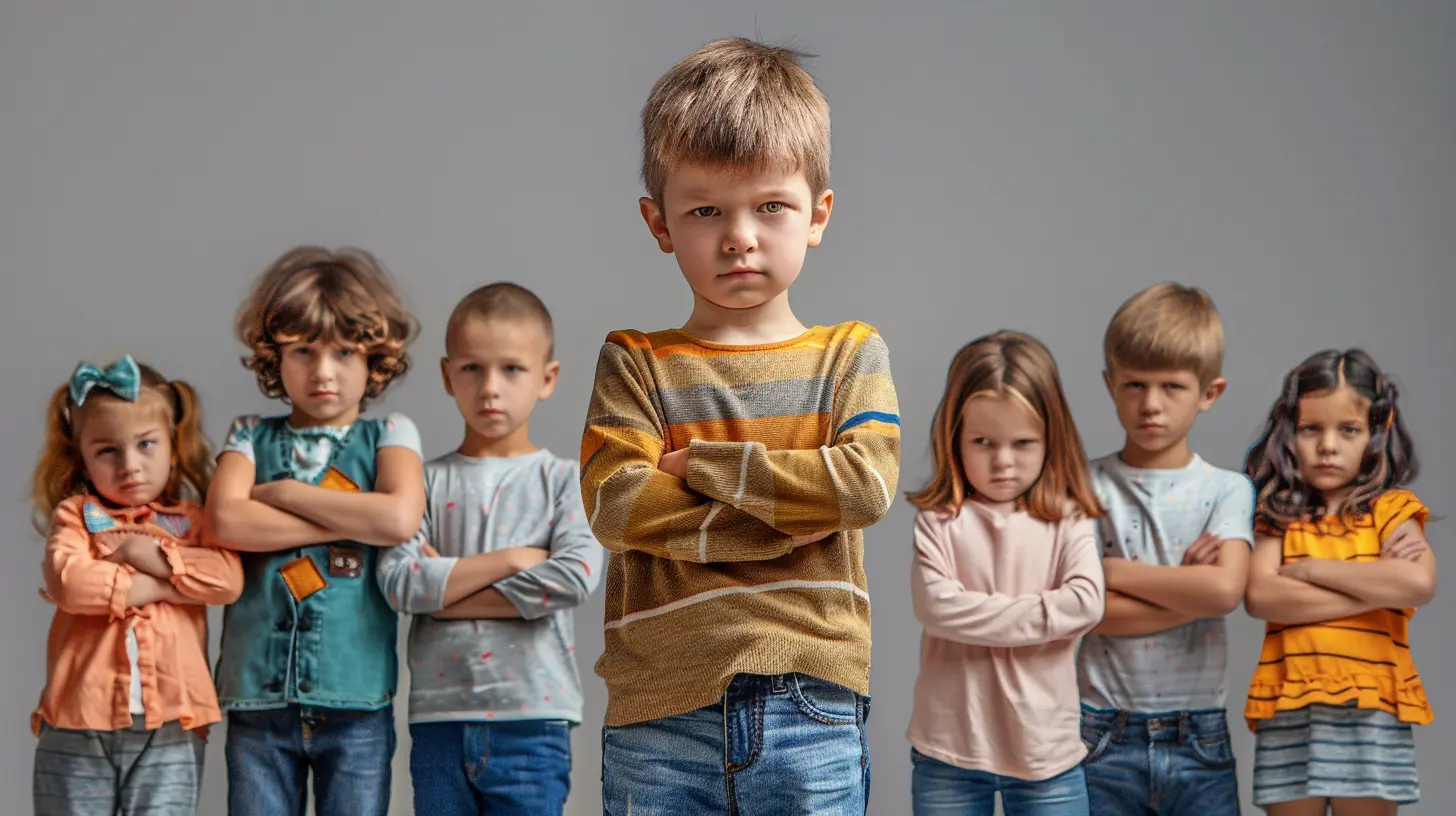
What Exactly Is Peer Mediation?
Let’s break it down. "Peer" means fellow student. "Mediation" means jumping in to help resolve a conflict. So, peer mediation involves students helping other students work through disputes. Pretty simple, right?Instead of immediately involving teachers or administrators, trained student mediators step in to guide a calm, neutral conversation between the students involved in a conflict. The idea is to hear both sides, find common ground, and reach a peaceful resolution—without blame or punishment.
It’s not about being a referee. It’s about being a listener, a peacekeeper, and sometimes, a gentle mirror that helps people see the impact of their actions.
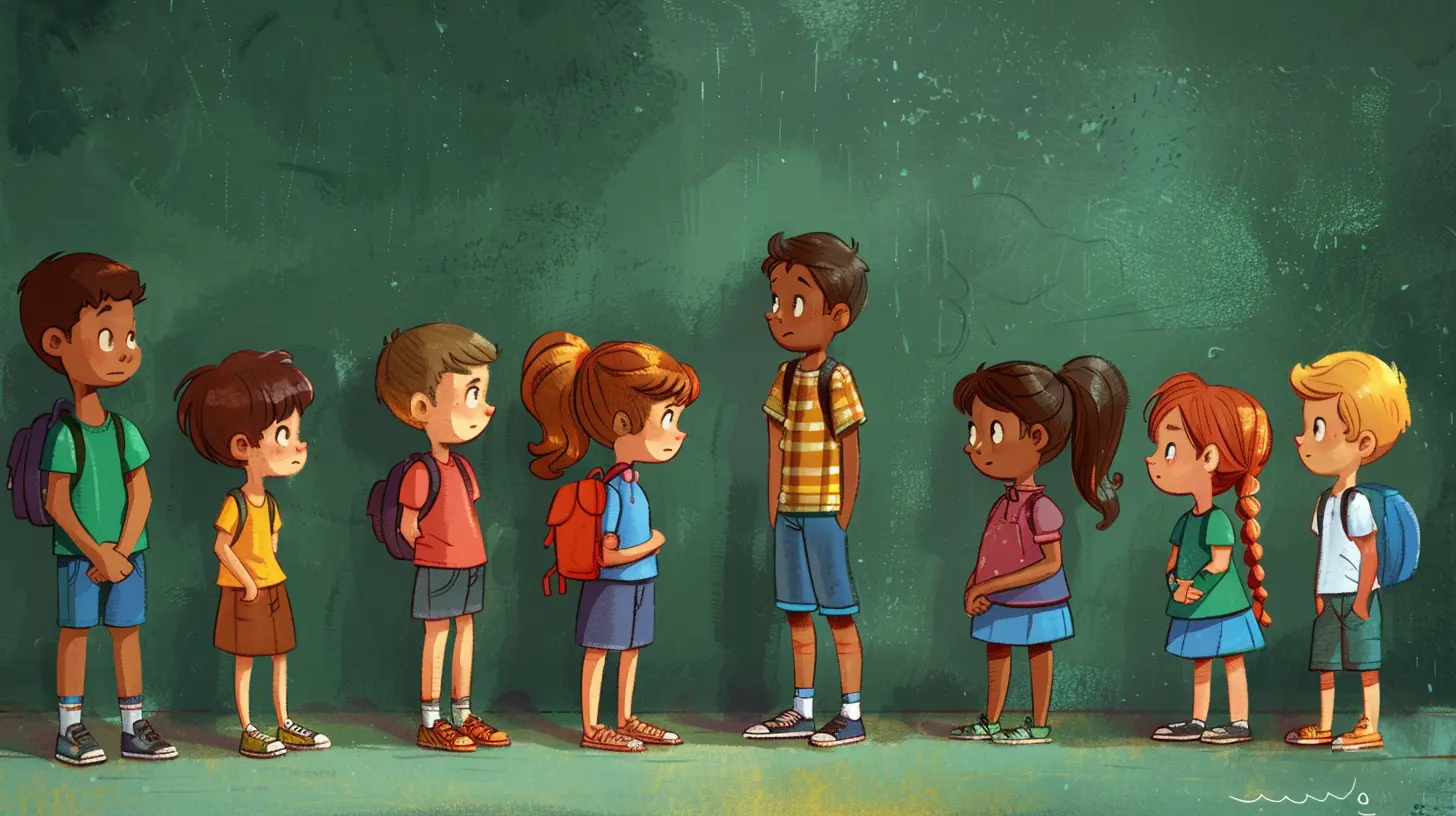
Why Is Peer Mediation Gaining Traction?
Think about this: who understands students better than other students? Adults can try, of course, but there’s a different level of connection when peers talk to each other.Peer mediation works because:
- It feels less threatening. A student might shut down in front of a teacher, but open up to a peer.
- It empowers students. They learn that they don’t have to be passive in the face of conflict—they can be problem-solvers.
- It changes school dynamics. When peer mediation becomes the norm, bullying becomes less "cool" and more exposed.
More importantly, peer mediation plants the seeds for emotional intelligence—something that grows with them long after high school.
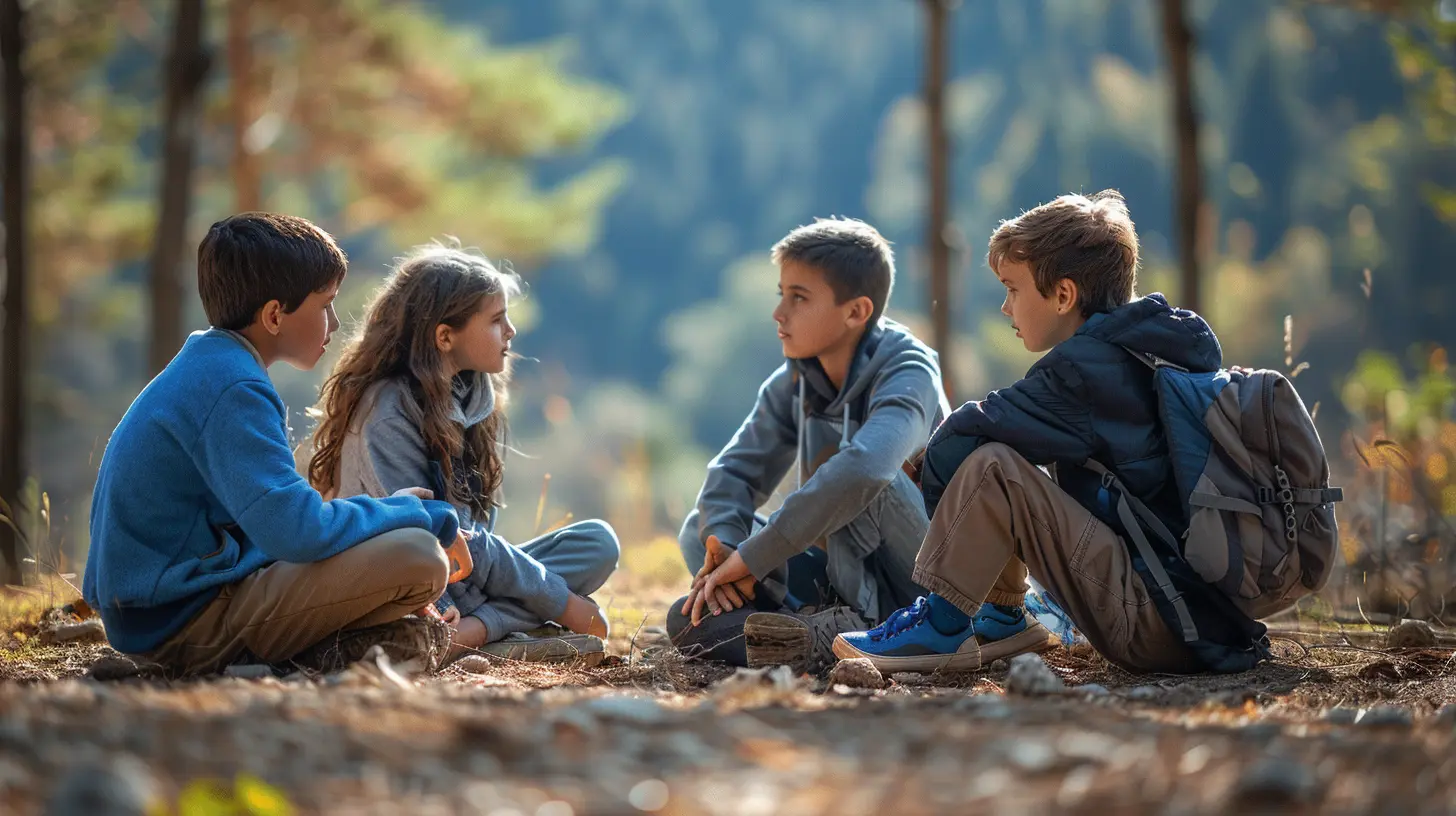
The Link Between Peer Mediation and Bullying Prevention
So how does all this tie into bullying prevention?Well, bullying thrives in environments where conflict isn’t addressed or is handled the wrong way. When people feel unheard, misunderstood, or powerless, they lash out—or shut down. Peer mediation helps break that cycle by encouraging communication, empathy, and accountability.
Here’s how it helps specifically:
- Early intervention: Peer mediation can catch small conflicts before they escalate into full-blown bullying.- Empathy building: When students hear firsthand how their actions hurt others, it can lead to genuine reflection.
- Creating upstanders: Peer mediators aren’t just passive helpers—they often become advocates who stand up when they see bullying.
- Victim support: Victims of bullying feel less alone when their peers step in to mediate and support them.
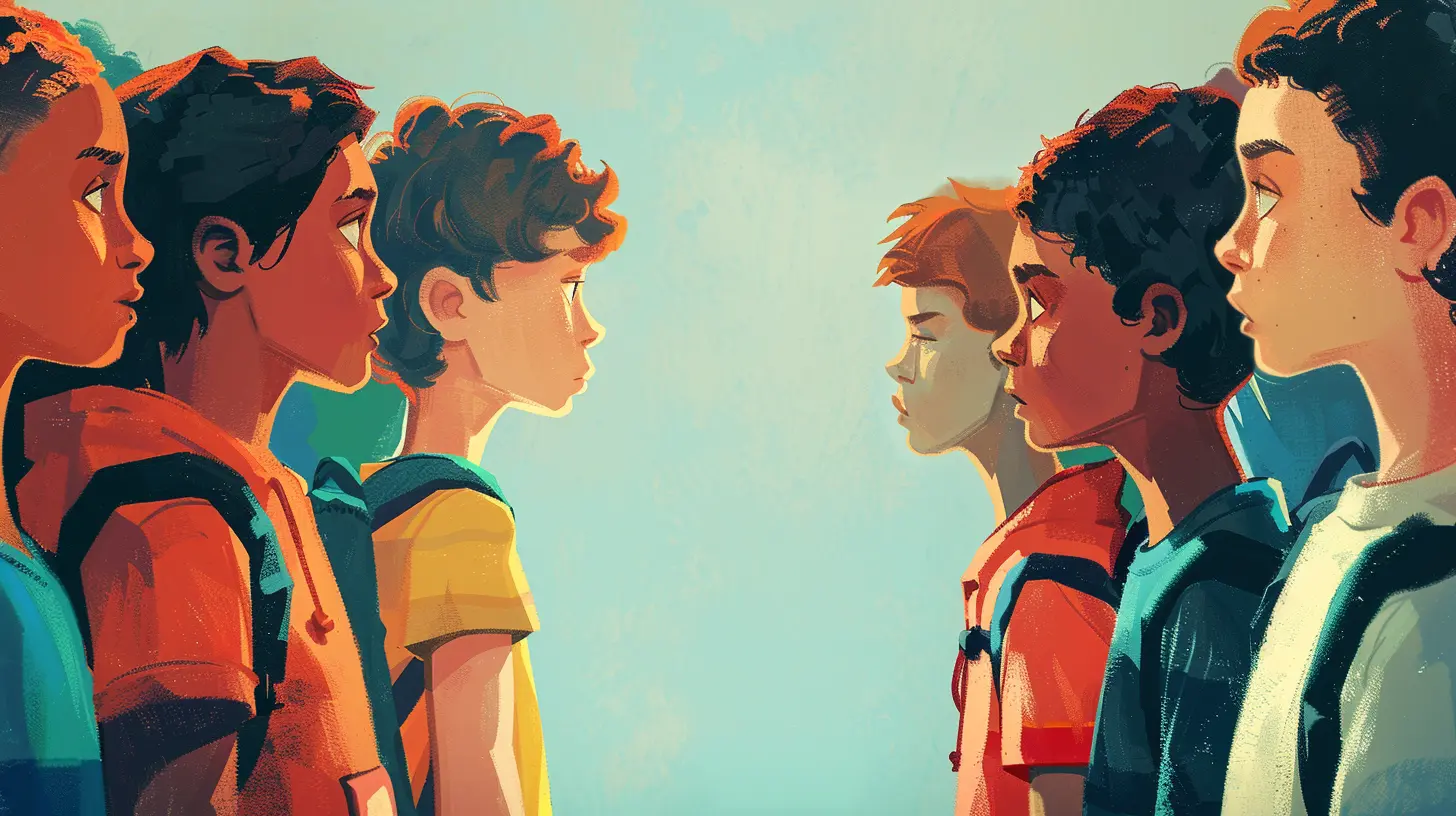
What a Peer Mediation Session Looks Like
Let’s paint a picture. Imagine Sarah and Emily, two eighth graders who used to be friends. Lately, they’ve been bickering, and now Emily’s making snide comments about Sarah on social media. Sarah’s upset, but doesn’t want to tell a teacher—she’s scared it’ll make things worse.Instead, they’re referred to peer mediation. Two trained mediators, other students, sit down with them in a quiet room. There's no judgment. Everyone has a chance to talk. The mediators ask open-ended questions, like:
- “How did that make you feel?”
- “What do you think could have been done differently?”
- “What would help you move forward?”
Over the course of 30 minutes, both girls start to open up. Emily admits she was hurt by something Sarah said weeks ago. Sarah apologizes. They don’t walk out as best friends, but they leave understanding each other just a little better.
That’s a win.
Training Peer Mediators: It’s More Than Just Putting on a Vest
Okay, so you can’t just toss a few students into a conflict resolution role and hope it all works out. Proper training is essential.A strong peer mediation program includes:
- Basic conflict resolution skills: active listening, staying neutral, leading structured conversations.- Role plays and simulations: practice makes perfect.
- Values education: empathy, respect, confidentiality, and fairness.
- Support systems: adult oversight, continued training, and safe spaces for mediations.
Training isn’t a one-off event either. It’s ongoing—just like the development of any skill.
Challenges in Implementing Peer Mediation
Alright, let’s keep it real. Peer mediation isn’t a cure-all. There are bumps in the road.Here are a few:
- Skepticism from staff: Some adults worry students can’t handle serious issues.- Power imbalances: Not all conflicts are equal—some may need adult intervention.
- Confidentiality concerns: Students must learn when to keep things private and when something needs to be reported.
- Lack of diversity in mediators: Programs thrive when mediators come from all walks of school life, not just the top-performers.
These are valid concerns, but guess what? With the right training, support, and structure, they’re addressable. The benefits outweigh the challenges.
Success Stories: It’s Working!
Let’s shine a light on a few real wins. Schools across the globe have implemented peer mediation programs with impressive results.- Reduced incidents of bullying: In schools with active programs, bullying reports drop. That’s not a coincidence.
- Improved school climate: Students report feeling safer and more respected.
- Academic improvements: When students aren’t distracted by social drama or fear, guess what? They can learn better!
- Student growth: Mediators themselves often gain confidence, leadership skills, and emotional maturity.
In one middle school in California, after just one year of peer mediation, the number of suspensions related to fights dropped by 60%. Why? Because students were given tools, not punishments.
Tips for Schools Looking to Start a Program
Thinking of starting a peer mediation program? Smart move.Here are a few tips to lay a strong foundation:
1. Get buy-in from everyone. Teachers, administrators, students, and parents all need to understand and support the program.
2. Choose the right students. Look for diversity, maturity, and empathy. Popularity isn’t the key trait here.
3. Provide solid training. Invest time in teaching the skills that make mediation effective.
4. Set clear boundaries. Know which issues are appropriate for peer mediation and which aren’t.
5. Track progress. Keep records—not of specific cases, but general data—to see if the program’s working.
Bringing It All Together
At the heart of it, peer mediation is about giving students the chance to solve their own problems in a safe, supportive way. It turns passive bystanders into active peacekeepers. It turns conflict into conversation.And let’s be honest—wouldn’t you rather see students talking things out than hurling insults or punches?
No, it won’t eliminate every case of bullying overnight. But it’s a step in the right direction. It’s a culture shift. When students realize their voice matters, when they’re taught how to listen, and when they see peace as something they can create—not just wish for—that’s powerful.
So next time you hear about a conflict at school, remember this: maybe the best person to step in isn’t an adult with authority—but a peer with compassion.
all images in this post were generated using AI tools
Category:
Bullying PreventionAuthor:

Anita Harmon
Discussion
rate this article
1 comments
Sorin McCracken
Ah yes, because nothing solves bullying like a friendly chat between the aggressor and victim...
August 1, 2026 at 10:46 AM
Anita Harmon
I understand your skepticism. Peer mediation isn't a cure-all, but it can help create understanding and reduce conflict when done right. It's about fostering a safer environment.