Open Educational Resources: Empowering Educators to Innovate
26 June 2026
In the fast-paced and ever-changing world of education, educators are constantly searching for new ways to deliver content, engage students, and foster better learning experiences. One of the most revolutionary tools to enter the education space in recent years is Open Educational Resources (OER). These resources are not only changing the way educators teach but are also empowering them to innovate in ways that were once unimaginable.
But what exactly are Open Educational Resources, and how are they helping educators create more dynamic and inclusive learning environments? Let’s dive deep into the world of OER and explore how they are reshaping education for the better.

What Are Open Educational Resources (OER)?
At its core, OER refers to any teaching, learning, or research materials that are freely available for anyone to use, adapt, and share. These resources can range from textbooks and lecture notes to quizzes, videos, and entire course modules. The key feature is that they are “open,” meaning they are free of cost and come with an open license—typically a Creative Commons license—that allows users to modify and distribute them.In simpler terms, imagine having access to a library where every book is not only free, but you're also allowed to rewrite chapters, update information, and even share your edited version with others. That’s the beauty of OER.
Brief History of OER
The concept of OER dates back to the early 2000s when universities, particularly MIT, began offering free access to their course materials online. Over time, this movement gained traction, and today, countless institutions, educators, and organizations contribute to the growing pool of open resources. The OER movement aims to democratize education, providing learners and educators worldwide with free access to high-quality materials.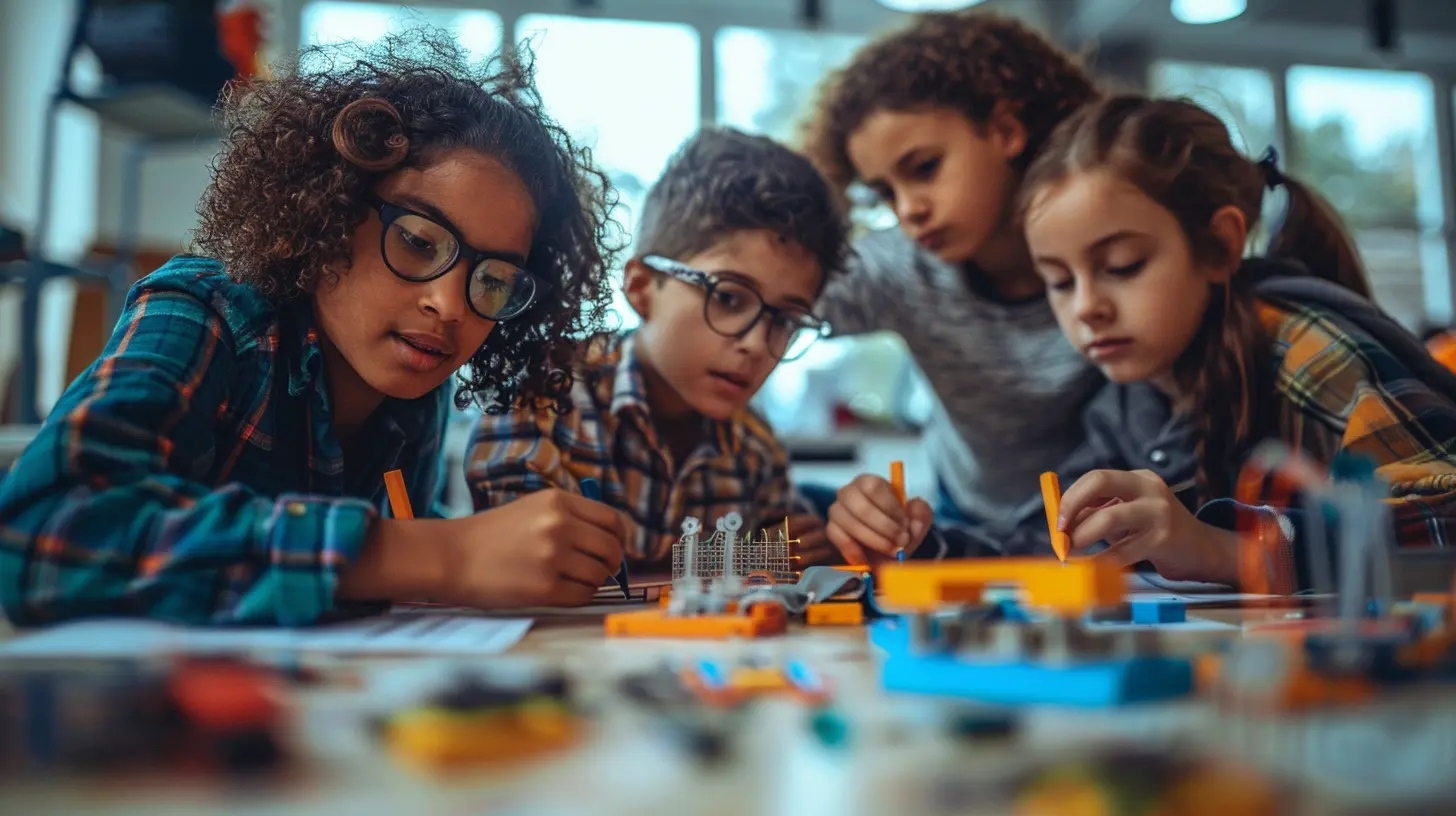
Why OER Matters in 2023
With the rapid advancement of technology, the role of OER has become more significant than ever. Traditional education models, which often rely on expensive textbooks and proprietary software, are being disrupted by the availability of open and free resources. Here are a few reasons why OER is making waves in education today:Accessibility for All Learners
One of the most significant advantages of OER is its ability to break down barriers. Many students, particularly those in underfunded schools or from low-income backgrounds, struggle with the high costs of textbooks and other educational materials. OER eliminates this financial burden, offering students free access to the resources they need to succeed.In a world where education is often viewed as a privilege, OER is leveling the playing field. Whether you're a student in a rural town or an urban metropolis, if you have internet access, you have access to a wealth of information. And this isn’t just limited to students—educators, too, benefit by gaining access to a range of tools and materials they might not otherwise have.
Fostering Innovation in Teaching
Imagine being a teacher and having the freedom to tweak a textbook to better suit your students’ needs. Want to add a section on a current event? Go ahead. Need to simplify a complex concept for your class? You can do that too. OER allows teachers to customize learning materials to match the unique needs of their students, encouraging innovation in the classroom.The flexibility of OER means that educators aren’t bound by the limitations of traditional textbooks. They can mix and match resources, create new content, and constantly update materials to ensure their teaching is relevant and engaging. This freedom fosters a more dynamic and interactive learning environment, where students are more likely to be engaged and motivated.
Collaboration and Sharing Across Borders
OER also opens doors for collaboration. Educators from different parts of the world can share resources, ideas, and best practices. This global exchange of knowledge not only enriches the learning experience but also promotes a sense of community among educators.For instance, a teacher in the United States could use an OER lesson plan created by an educator in India, modifying it to fit their local context. Similarly, educators can contribute back to the OER community by sharing their own adapted or newly created resources, leading to a continuous cycle of improvement and innovation.
Promoting Lifelong Learning
Learning isn’t confined to the classroom. OER supports the idea that education is a lifelong pursuit, providing individuals with the tools they need to learn new skills or explore new fields of interest, regardless of their age or location. Whether you're a high school student preparing for college or a professional looking to upskill, OER provides a wealth of resources to help you on your learning journey.In a world where new technologies and industries are constantly emerging, the ability to learn and adapt is more important than ever. OER ensures that everyone has access to the resources they need to stay informed and competitive in a rapidly changing job market.
Challenges Facing OER
While the benefits of OER are clear, it’s important to acknowledge the challenges that come with widespread adoption. Like any movement, OER faces hurdles that need to be addressed for it to reach its full potential.Quality Control
One of the main concerns about OER is ensuring the quality of the resources. Since anyone can create and distribute materials, there’s a potential for low-quality or outdated information to circulate. However, many institutions and organizations are working to address this issue by establishing guidelines and reviewing processes to ensure that OER maintains a high standard of quality.Lack of Awareness
Despite the growing popularity of OER, many educators and institutions are still unaware of the resources available to them. According to studies, a significant percentage of teachers do not even know what OER is, let alone how to incorporate it into their curriculum. This lack of awareness limits the widespread adoption of OER, and it's crucial for advocates to focus on raising awareness and providing training to educators.Technological Barriers
While OER is often hailed as a solution for underprivileged students, it’s important to remember that not all students have reliable access to the internet or the devices needed to use these resources. In some areas, especially where technology infrastructure is lacking, the benefits of OER may be out of reach.Intellectual Property Concerns
While the open nature of OER is one of its biggest strengths, it also raises concerns about intellectual property. Some educators may be hesitant to share their work freely, especially if they have invested significant time and effort into creating it. Additionally, there’s the risk of others misusing or misrepresenting the material. Educators and institutions need to be reassured that proper attribution and licensing structures are in place to protect their work.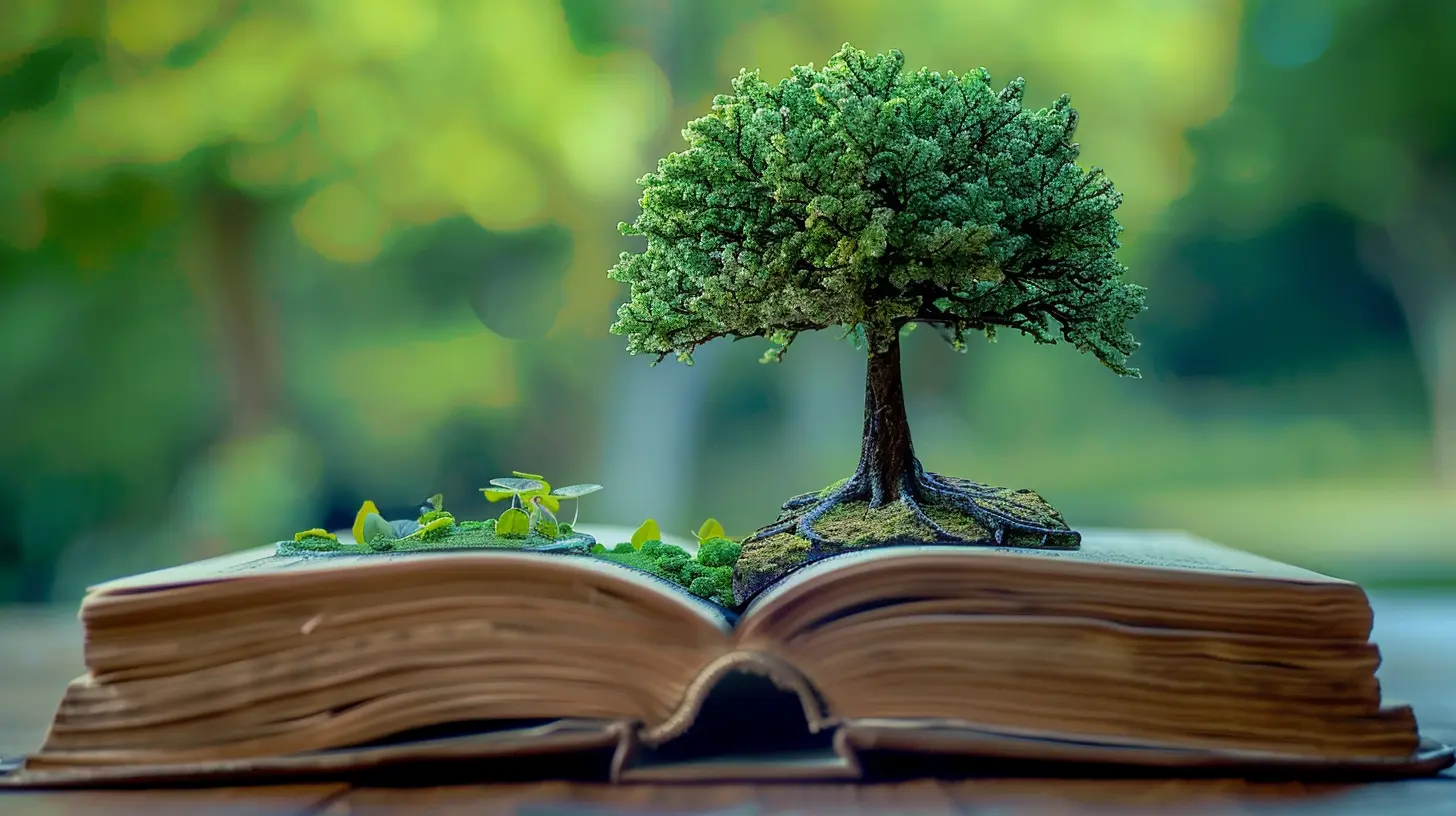
The Future of Open Educational Resources
As we look to the future, the role of OER in education is only set to expand. With more institutions recognizing the benefits of open resources, the pool of available materials will continue to grow. Furthermore, technological advancements, such as artificial intelligence and machine learning, could make it easier to curate and personalize OER for individual learners.Imagine a world where every student has access to the highest quality educational resources, tailored to their learning style, and available at no cost. That’s the future OER is working towards—a future where education is truly open, accessible, and adaptable to everyone.
OER and the Pandemic
The COVID-19 pandemic brought a significant shift in education, with many schools and universities moving to online or hybrid models. During this time, OER played a critical role in helping educators adapt to the new normal. Teachers who were suddenly thrust into the world of remote teaching found solace in OER, which provided them with a wealth of digital resources they could use to enhance their online lessons.The pandemic also highlighted the importance of flexible, adaptable learning materials—something that OER excels at. With traditional textbooks and rigid curricula struggling to keep up with the sudden changes, OER provided a much-needed lifeline, allowing educators to quickly modify their resources to fit the new reality.
How Educators Can Get Started with OER
If you’re an educator looking to incorporate OER into your teaching, the good news is that it’s easier than you might think. Here are a few simple steps to get started:1. Explore OER Repositories: There are numerous platforms, such as OER Commons, OpenStax, and the MIT OpenCourseWare, where you can find a wealth of open resources in various subjects.
2. Adapt the Resources: Once you’ve found resources that fit your needs, don’t be afraid to modify them. Tailor the content to your students, update outdated information, or combine resources from multiple sources to create something new.
3. Share Your Creations: If you’ve created or adapted an OER, share it with the community! By contributing to the pool of open resources, you’re helping other educators innovate in their classrooms.
4. Stay Updated: The world of OER is constantly evolving. Stay updated on new resources, tools, and best practices by joining OER communities or participating in online forums.
Conclusion
Open Educational Resources are more than just free textbooks—they are a powerful tool for educators to innovate, collaborate, and create more inclusive learning environments. By breaking down barriers and providing access to high-quality materials for all, OER is helping to democratize education and empower both teachers and students alike.As the world continues to evolve, the importance of flexible, adaptable, and accessible educational resources will only grow. OER offers a glimpse into the future of education—one that is open, dynamic, and tailored to the needs of all learners. So why not dive in and explore the possibilities that OER has to offer? Your students—and your creativity—will thank you.
all images in this post were generated using AI tools
Category:
Open Educational ResourcesAuthor:

Anita Harmon
Discussion
rate this article
1 comments
Ranger McLaughlin
This article beautifully captures the transformative power of Open Educational Resources. By empowering educators to think outside the box, we can inspire creativity and enhance learning experiences for all students. Thank you for sharing this valuable insight!
July 1, 2026 at 11:09 AM
Anita Harmon
Thank you for your thoughtful comment! I'm glad the article resonated with you. Let's continue to inspire and innovate in education together.