Closing the Achievement Gap: Equity in Education
27 May 2026
Education is supposed to be the great equalizer. The golden ticket. The ultimate stepping stone to success. But let’s be real—it's not always that simple. Some students start the race ten steps behind, while others are practically at the finish line before the starter pistol even fires.
That’s where the concept of educational equity comes in. It’s not about giving everyone the exact same resources but ensuring that every student gets what they actually need to thrive. So, how do we bridge this achievement gap and create a school system that works for everyone? Let’s dive in! 
? What Is the Achievement Gap?
The achievement gap refers to the disparity in academic performance between different groups of students. Typically, it’s measured by standardized test scores, graduation rates, and college enrollment statistics.Who does it affect most?
- Students from low-income families
- Students of color
- English language learners (ELLs)
- Students with disabilities
- Rural and underfunded school districts
These students often face more challenges than their peers—limited access to quality resources, less experienced teachers, and even biases in the education system itself.
But here’s the good news: this gap isn’t set in stone. It can be closed with the right mindset, policies, and support! 
? The Difference Between Equality and Equity
You’ve probably heard the terms equality and equity thrown around in education. But they’re not the same thing.- Equality is when everyone gets the same thing. Sounds fair, right?
- Equity is when everyone gets what they actually need to succeed. That’s the real goal!
Imagine a classroom where every student is given the same textbook. That’s equality. But what if some students don’t speak the language fluently? What if others need extra learning support? Equity would mean providing them with additional tools—like bilingual materials or tutoring—so they can succeed on their own terms. 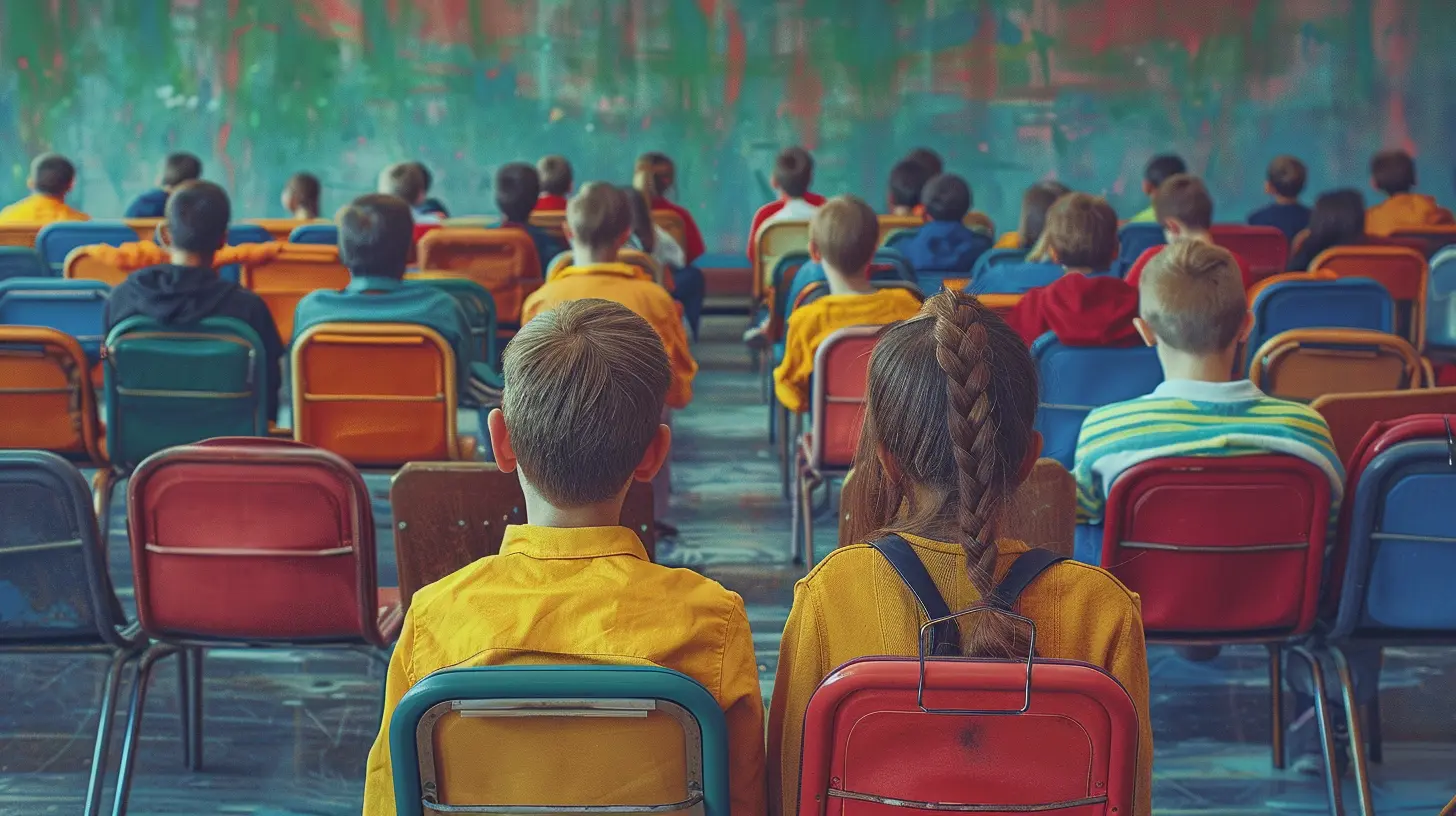
? What Causes the Achievement Gap?
The achievement gap doesn't just pop up out of nowhere. It’s the result of systemic barriers that have been around for generations. Some of the biggest culprits include:1️⃣ Funding Disparities
Let’s be real—schools with more money tend to have better teachers, smaller class sizes, and newer technology. But schools in lower-income areas often don’t get the same level of funding, which puts students at a disadvantage from the start.2️⃣ Access to Experienced Teachers
Teachers are the backbone of education, but not all students have access to highly qualified, experienced educators. Lower-income schools often struggle with high teacher turnover rates, meaning students may not get consistent, quality instruction.3️⃣ Bias in Standardized Testing
Standardized tests are supposed to measure student knowledge, but they are often unintentionally biased. Students from different cultural backgrounds, non-native English speakers, and those with learning disabilities may not perform as well—not because they aren’t smart, but because the tests weren’t designed with them in mind.4️⃣ Outdated Curriculums
Not all curriculums reflect the diverse experiences of students today. Some students don’t see themselves represented in what they’re learning, which can make school feel irrelevant or even alienating.5️⃣ Home and Community Environment
Not all students have the luxury of a quiet, stable home environment for studying. Some may have to work jobs, take care of siblings, or deal with financial hardships—all of which can make focusing on school much harder.
? How Can We Close the Gap?
The good news? There are countless ways we can tackle the achievement gap head-on. It won’t happen overnight, but change is possible.✅ 1. Increase Funding for Underprivileged Schools
More funding means better resources, updated technology, and access to experienced teachers. States and local governments need to ensure that funding is based on need, rather than property taxes that favor wealthier districts.✅ 2. Hire and Retain Diverse, Qualified Teachers
Students benefit when they learn from teachers who understand their backgrounds and challenges. Schools should work on recruiting diverse educators and providing them with ongoing professional development.✅ 3. Make Learning More Inclusive
Curriculums should reflect the diversity of students in the classroom. Representation matters! Students need to see their cultures, histories, and voices in what they’re learning.✅ 4. Offer More Individualized Learning Support
Not every student learns the same way. Small group tutoring, mentoring programs, and adaptive learning technologies can help students receive personalized support.✅ 5. Address Societal Barriers
Schools alone can’t close the gap. Communities, businesses, and policymakers all play a role. Providing families with financial stability, affordable childcare, and access to healthcare can make a huge difference in a child’s ability to learn.✅ 6. Reduce Bias in Standardized Testing
Education systems must rethink how they assess student success. Encouraging alternative assessments—such as project-based learning, portfolios, and performance-based evaluations—can help level the playing field.✅ 7. Use Technology to Bridge Gaps
Not every student has access to a personal laptop or reliable internet. Schools should invest in programs that ensure every child has access to the tools they need for digital learning, especially in the age of remote education.? Why Equity in Education Benefits Everyone
Addressing the achievement gap isn’t just about helping underprivileged students. It’s about creating a stronger, smarter, and more innovative society.When students get a fair chance at success, we all win. Think about it—today’s students are tomorrow’s doctors, engineers, teachers, and leaders. Why wouldn’t we want to give all of them the tools they need to succeed?
A fair education system leads to:
✅ A better-prepared workforce
✅ Lower crime rates
✅ Stronger economies
✅ More innovation
✅ A more just and inclusive society
The bottom line? Everybody benefits when we invest in equity.
? Final Thoughts
Closing the achievement gap isn’t easy, but it’s absolutely possible. It takes a combination of fair policies, dedicated educators, engaged parents, and community support to make real progress.The key is not to settle for a system that only works for some. Every student deserves the opportunity to reach their full potential, no matter where they come from or what challenges they face.
So, whether you're an educator, parent, policy-maker, or just someone who cares about the future, know this: your voice, your actions, and your support can help create a better, fairer education system for all.
Let’s make it happen.
all images in this post were generated using AI tools
Category:
Education ReformAuthor:

Anita Harmon
Discussion
rate this article
1 comments
Simon McLaughlin
This article sheds light on the critical need for equity in education, highlighting effective strategies and highlighting diverse perspectives on closing the achievement gap.
June 18, 2026 at 4:29 AM
Anita Harmon
Thank you for your insight! I hope the strategies and perspectives shared can drive meaningful change in education.