Open Educational Resources and the Role of Collaborative Learning
4 October 2026
When was the last time you felt truly excited about learning something new? Maybe it was a late-night Google spiral into some topic you never thought you'd enjoy, or maybe a group project that unexpectedly clicked. In today’s fast-paced, hyper-connected world, learning is no longer limited to classrooms and expensive textbooks. This is where Open Educational Resources (OER) and collaborative learning come in—not just as buzzwords, but as game-changing tools that are reshaping education as we know it.
In this article, we’re diving deep into OER and the magic of collaborative learning. We'll break down what they really are, why they matter, and how they work together to make education more accessible, interactive, and—dare we say it—fun.
? What Are Open Educational Resources (OER)?
Let’s start with the basics. Open Educational Resources are like the “Wikipedia” of educational content—freely accessible, openly licensed, and adaptable to anyone’s needs. Think textbooks, lesson plans, instructional videos, online courses, and even quizzes. The beauty of OER? You can use them, tweak them, share them, and never have to pay a dime.No gatekeepers. No paywalls. Just quality learning materials available to students, teachers, and self-learners everywhere.
? Why “Open” Matters
The “open” in OER isn’t just a techy term—it’s a philosophy. It means:- Open access: Everyone can use the materials.
- Open license: You’re allowed to modify and build upon the resources.
- Open sharing: You can redistribute improved versions to others.
This open model levels the playing field. Whether you’re a student in a developing country or a parent homeschooling on a budget, OER opens the door to high-quality education.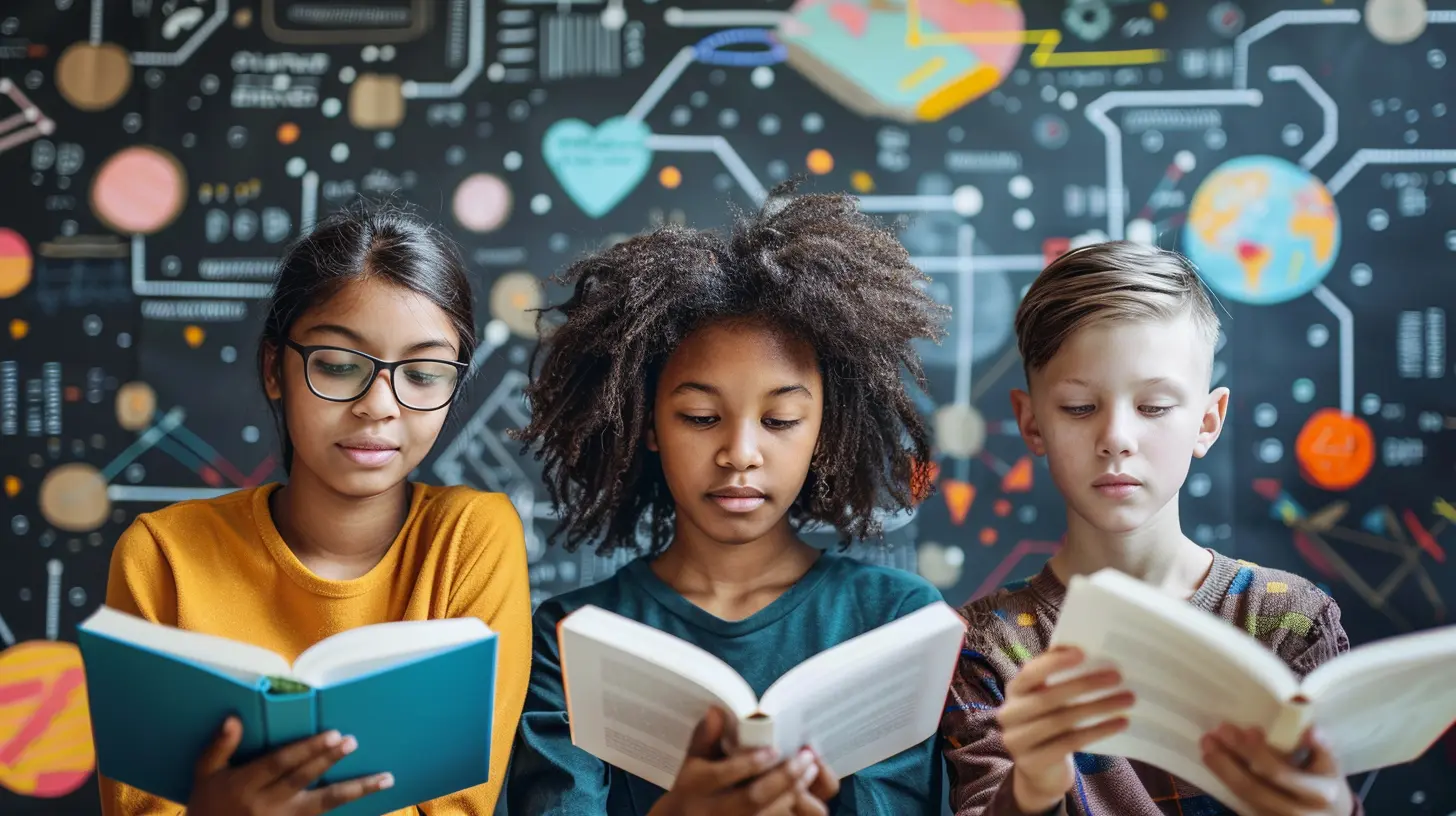
? The Global Impact of OER
OER isn’t just helping a few students here and there—it’s creating ripple effects across the globe.? Expanding Access in Developing Countries
In regions where educational infrastructure is limited, OER can be a lifeline. Local educators can tailor open materials to their culture and language, providing relevant, practical content to their communities.? Saving Students Serious Money
Let’s be real—textbooks are pricey. The average college student spends hundreds every semester. With OER, those costs vanish into thin air, giving students the freedom to focus on learning instead of budgeting.? Fueling Lifelong Learning
OER isn’t just for students. Career changers, working professionals, or curious minds can access world-class educational resources without enrolling in formal programs. This means education becomes a lifelong journey, not just a phase.
? What Is Collaborative Learning?
Alright, now let’s flip the script and talk about collaborative learning—because learning isn’t just about consuming information; it’s about engaging with it.Collaborative learning is exactly what it sounds like: learning that happens when people work together. It could be a group project, a peer review session, or an online forum where learners share ideas and solve problems together.
Think of it like assembling a puzzle. One person might have the corners, another has a few edge pieces, and someone else finds the center. Only by working together do you see the full picture.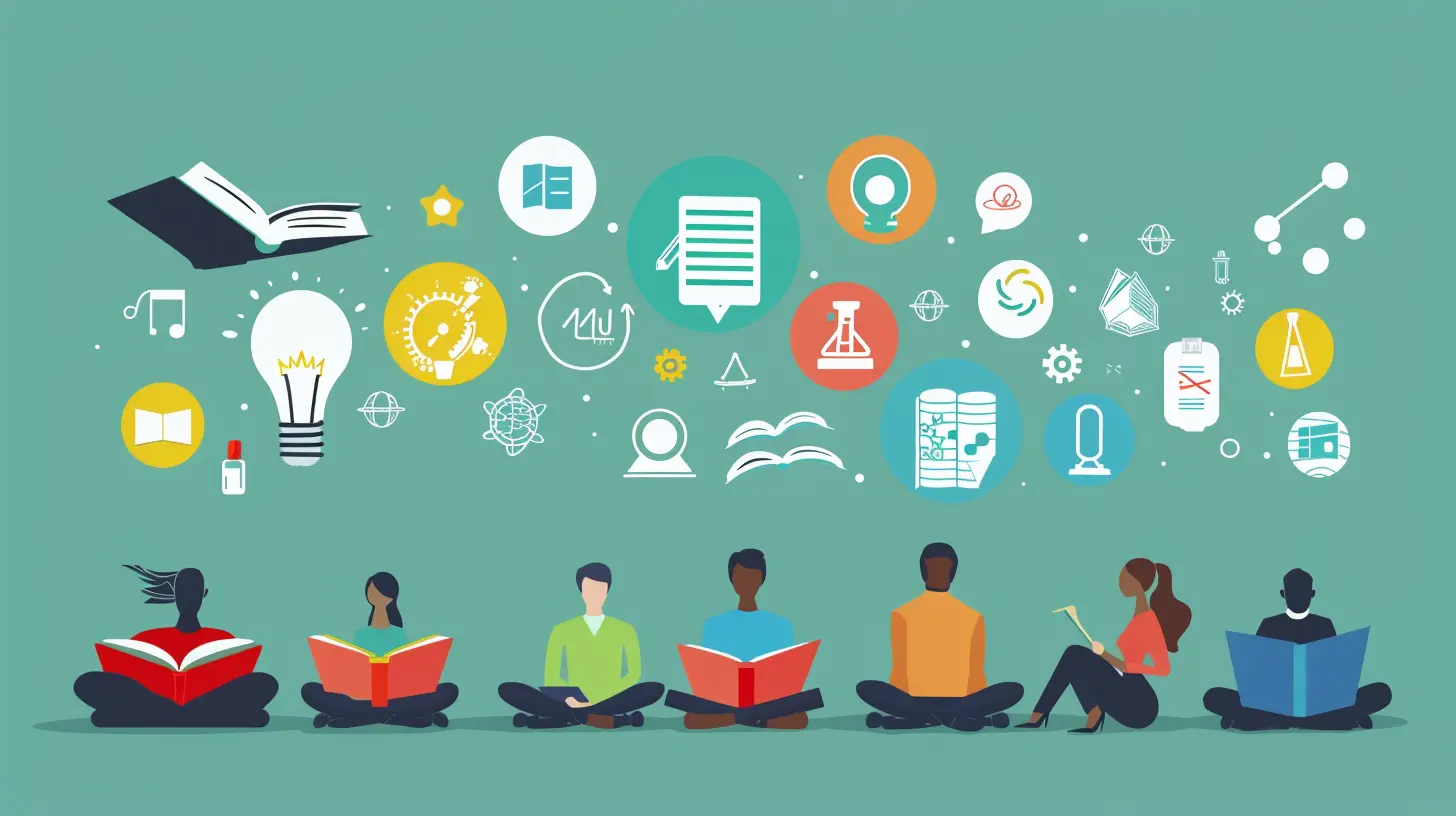
? The Beauty of Collaborative Learning
Let’s face it—learning alone can be isolating. Collaborative learning brings people together and boosts the experience in tons of ways.? Builds Communication Skills
You can't collaborate without talking it out. Group learning naturally improves discussion, debate, and active listening skills—skills that are crucial well beyond school.? Increases Understanding Through Diversity
Different people bring different perspectives. One person’s confusion might spark another’s explanation, helping everyone understand the material more deeply.? Encourages Reflective Thinking
Explaining your ideas to others forces you to think critically. You’re not just memorizing—you’re processing, reflecting, and making connections.? How OER Supercharges Collaborative Learning
Here’s where it gets really interesting. When you combine OER with collaborative learning, magic happens.? Easy Access Means More Contribution
Since everyone has access to the same open resources, it’s easier to collaborate. No one’s left out because they couldn’t afford a book or missed a class.Imagine a study group where everyone works from the same free online textbook. Discussions get richer, more focused, and inclusive.
?️ Editable Content Encourages Group Innovation
Remember how OER is customizable? That’s a huge win for collaborative projects. Students or teams can remix resources to fit their group's goals, then share those adaptations with others. It’s like crowdsourcing for better learning.? Peer-to-Peer Learning with Open Tools
Many OER platforms come with built-in collaborative tools—forums, document sharing, annotation features—you name it. These tools make it easy for learners to practice, help each other, and create new knowledge together.? Real-Life Examples of OER + Collaborative Learning in Action
Want proof that this combo works? Let’s take a look at how OER and collaborative learning are being used around the world.?? BCcampus in Canada
BCcampus offers open textbooks and tools for college students in British Columbia. They’ve integrated peer feedback and group activities into their OER use, saving students millions of dollars while boosting engagement.? African Storybook Project
This project provides open-source picture books for African children in multiple local languages. Communities come together to translate, adapt, and share these resources, preserving culture while promoting literacy.? MIT OpenCourseWare
MIT’s legendary platform shares full course materials with the world. Study groups worldwide use the same content to collaborate across time zones, cultures, and languages.? The Academic Benefits: More Than Just Feel-Good Stuff
Think this is all just warm fuzzy feelings? Nope. Research backs it up.- Improved retention: Collaborative learners engage more deeply, which leads to better long-term memory.
- Higher grades: Group-based OER use has been linked to academic improvement.
- Stronger motivation: Being part of a learning team keeps people inspired and committed.
? Tools and Platforms That Support OER and Collaboration
You don’t have to be tech-savvy to get started. There are tons of user-friendly platforms that blend OER and collaboration beautifully.Here are a few you might want to check out:
- Khan Academy – Open lessons combined with discussion forums.
- Google Workspace for Education – Collaborate in real-time on open resources.
- OER Commons – A hub for finding and customizing open materials.
- Slack or Discord – Use them for group discussions around OER content.
- WikiEducator – A platform where educators collaboratively build open lessons.
? Challenges? Sure. But Totally Worth Tackling
Like anything worthwhile, there are a few hurdles to clear.? Internet Access
Not everyone has reliable connectivity. That’s where creating offline versions or low-bandwidth adaptations of OER becomes critical.? Quality Control
Since anyone can create OER, not all content is created equal. But community feedback and peer review help weed out the weak stuff.? Teacher Training
Teachers need support to switch from traditional resources to OER. More workshops and professional development can help bridge that gap.? The Future Is Open and Collaborative
If you're wondering whether OER and collaborative learning are just passing trends—think again. They're reshaping how we think, teach, and learn.As AI, remote learning, and digital tools evolve, the role of open and collaborative methods will only grow. Education is becoming a shared space, a living network of knowledge where everyone contributes and learns together.
And that’s not just good for schools—it’s good for the world.
? Final Thoughts
So, what does all this mean for you?If you’re a student: Dive into OER. Join a study group. Start a discussion board. You’re not just a consumer—you’re a creator.
If you're an educator: Start small. Replace one textbook with a free one. Try a collaborative assignment. Watch your classroom come alive.
And if you're just curious: Grab an open course and invite a friend to take it with you. Learning is better together.
Whether you're in a classroom or your living room, Open Educational Resources and collaborative learning are your ticket to a smarter, more connected future.
all images in this post were generated using AI tools
Category:
Open Educational ResourcesAuthor:

Anita Harmon