LMS Accessibility Features That Will Be Standard by 2027
19 April 2026
Welcome to the future of learning! If you haven’t noticed, the landscape of Educational Technology is evolving faster than a kid on a skateboard. With the rise of Learning Management Systems (LMS), accessibility features are no longer just an afterthought; they’re becoming essential. By 2027, certain accessibility features in LMS platforms will be standard, making education more inclusive for everyone. Buckle up, because we’re about to dive into the top LMS accessibility features that you’ll see universally adopted in just a few years!

Why Accessibility Matters
Let's be frank: accessibility isn’t just a checkbox to tick off. It’s about human dignity. Imagine being locked out of education just because the platform you’re using doesn’t cater to your needs. That’s not just unfair; it’s downright unacceptable. As educators and technologists, we have a responsibility to ensure that everyone, regardless of their abilities, has equal access to learning opportunities.The Current State of LMS Accessibility
Right now, many LMS platforms are on the right track, but there’s still a long road ahead. Some systems have features like closed captioning, text-to-speech tools, and customizable interfaces. However, these offerings are often inconsistent and vary from one platform to another. By 2027, it won’t just be nice to have these features; they’ll be the norm.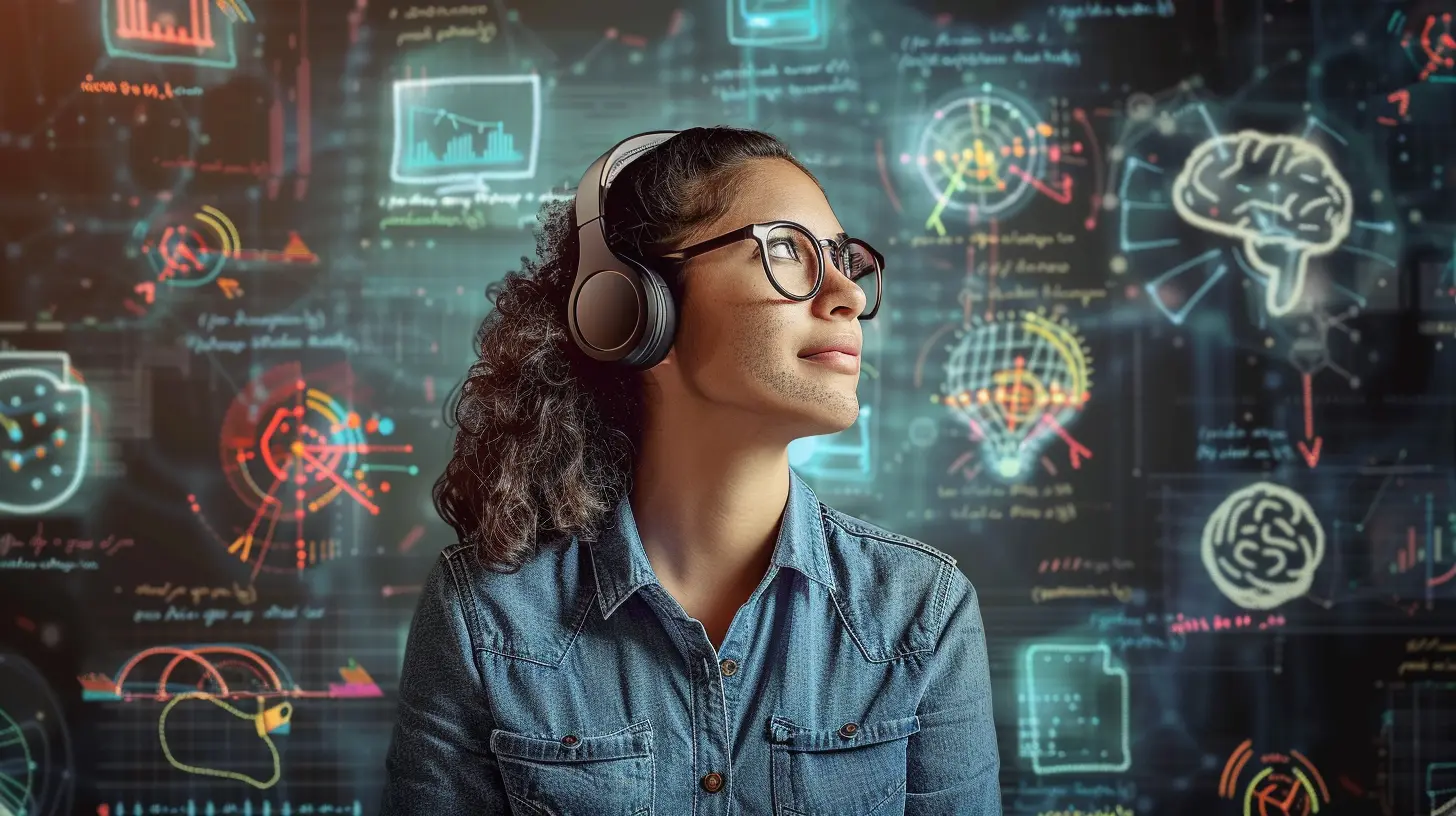
Anticipated Accessibility Features by 2027
So, what can we expect in the next few years? Let’s break down the LMS accessibility features that will likely become standard by 2027.1. Universal Design for Learning (UDL) Principles
Think of UDL as the Swiss Army knife of educational design. By adopting UDL principles, LMS platforms will cater to different learning styles from the get-go. This means offering multiple means of engagement, representation, and action/expression. Whether you're a visual learner or someone who thrives on hands-on activities, UDL will have your back.Why it matters: By 2027, UDL will be the foundation of LMS design, ensuring that every student can participate in their own way. Imagine a world where everyone gets to learn how they learn best. Sounds awesome, right?
2. Enhanced Screen Reader Compatibility
If you’ve ever used a screen reader, you know the magic it brings to the learning experience—transforming text into speech and allowing visually impaired users to access materials seamlessly. By 2027, LMS platforms will ensure enhanced compatibility with popular screen readers like JAWS, NVDA, and VoiceOver.Why it matters: Improved screen reader support means that everyone, regardless of visual ability, can engage with course materials, discussions, and assessments without barriers.
3. Keyboard Navigation
Let’s face it: not everyone uses a mouse. For many individuals with mobility impairments, keyboard navigation is a lifeline. By 2027, LMS platforms will incorporate keyboard shortcuts and navigational aids that allow users to move through courses without needing a mouse.Why it matters: Providing robust keyboard navigation will empower users who rely on assistive technologies, ensuring they're not sidelined in the learning process.
4. Customizable User Interfaces
Ever walked into a room that just felt all wrong? Well, that’s how some learners feel when they log into a clunky LMS that doesn’t suit their needs. By 2027, customizable interfaces will be a norm, enabling users to choose colors, fonts, and layouts that are comfortable for their individual learning styles.Why it matters: A personalized experience can drastically increase user engagement and comfort, leading to better learning outcomes. It’s like setting the stage for a performance that’s tailored just for you.
5. Multimodal Content Delivery
Let’s talk about the importance of variety. By 2027, LMS platforms will take content delivery to the next level by offering multimodal options. This means that learners can choose how they want to consume content—whether through text, video, audio, or interactive simulations.Why it matters: Catering to different modalities keeps learners engaged and helps them absorb information more effectively. It’s like having a buffet of learning options!
6. Real-Time Captioning and Transcription
Picture this: a student in a lecture who can’t hear, but thanks to real-time captioning, they’re not missing a thing. By 2027, this will be standard in all LMS platforms. Real-time captioning and transcription services will provide instant access to spoken content, making learning more inclusive.Why it matters: It’s not just about hearing; it’s about understanding. Real-time captioning ensures that everyone can follow along, fostering an inclusive learning environment.
7. Accessible Assessment Tools
Imagine preparing for a big test and then realizing the assessment tool isn’t designed for you. By 2027, LMS platforms will feature assessment tools that are fully accessible, offering options like alternative formats, extended time, and various ways to express answers.Why it matters: Accessible assessments ensure that all students can demonstrate their knowledge fairly, without being hindered by the format of the test. It’s like leveling the playing field.
8. Inclusive Gamification Elements
Gamification can be a powerful motivator in learning, but only if it’s done right. By 2027, inclusive gamification elements will be standard in LMS platforms, ensuring that game mechanics are accessible to all learners, including those with cognitive disabilities.Why it matters: When everyone can join in on the fun, engagement skyrockets. Imagine a classroom where every student is excited to participate, all thanks to thoughtful gamification!
9. Inclusive Communication Tools
Communication is key in any learning environment. By 2027, LMS platforms will integrate communication tools that are accessible, including options for text-to-speech, speech-to-text, and even sign language interpretation.Why it matters: Facilitating clear communication helps to break down barriers and fosters collaboration among students. Think of it as building bridges instead of walls.
10. User-Friendly Help Resources
Let’s be real—sometimes, technology can feel like a foreign language. By 2027, LMS platforms will prioritize user-friendly help resources, including easily accessible tutorials, FAQs, and support chatbots that can assist all learners in navigating the platform.Why it matters: When students can get the help they need without frustration, they’re more likely to stay engaged and succeed. It’s like having a guide on a challenging adventure!

The Road Ahead
The question is not whether these features will be adopted, but how quickly they will become the standard. With increasing awareness of inclusivity and accessibility, the push for these LMS features will be driven by both demand and necessity.The Role of Educators and Institutions
Educators and institutions have a huge role to play in this transformation. By advocating for accessible LMS platforms and prioritizing inclusive practices, they can help shape the future of education.The Importance of Partnerships
Partnerships between tech companies, educators, and disability advocates will also be crucial. Collaboration is the key to unlocking innovative solutions that benefit everyone. It’s a team effort, and together we can create a more equitable learning environment.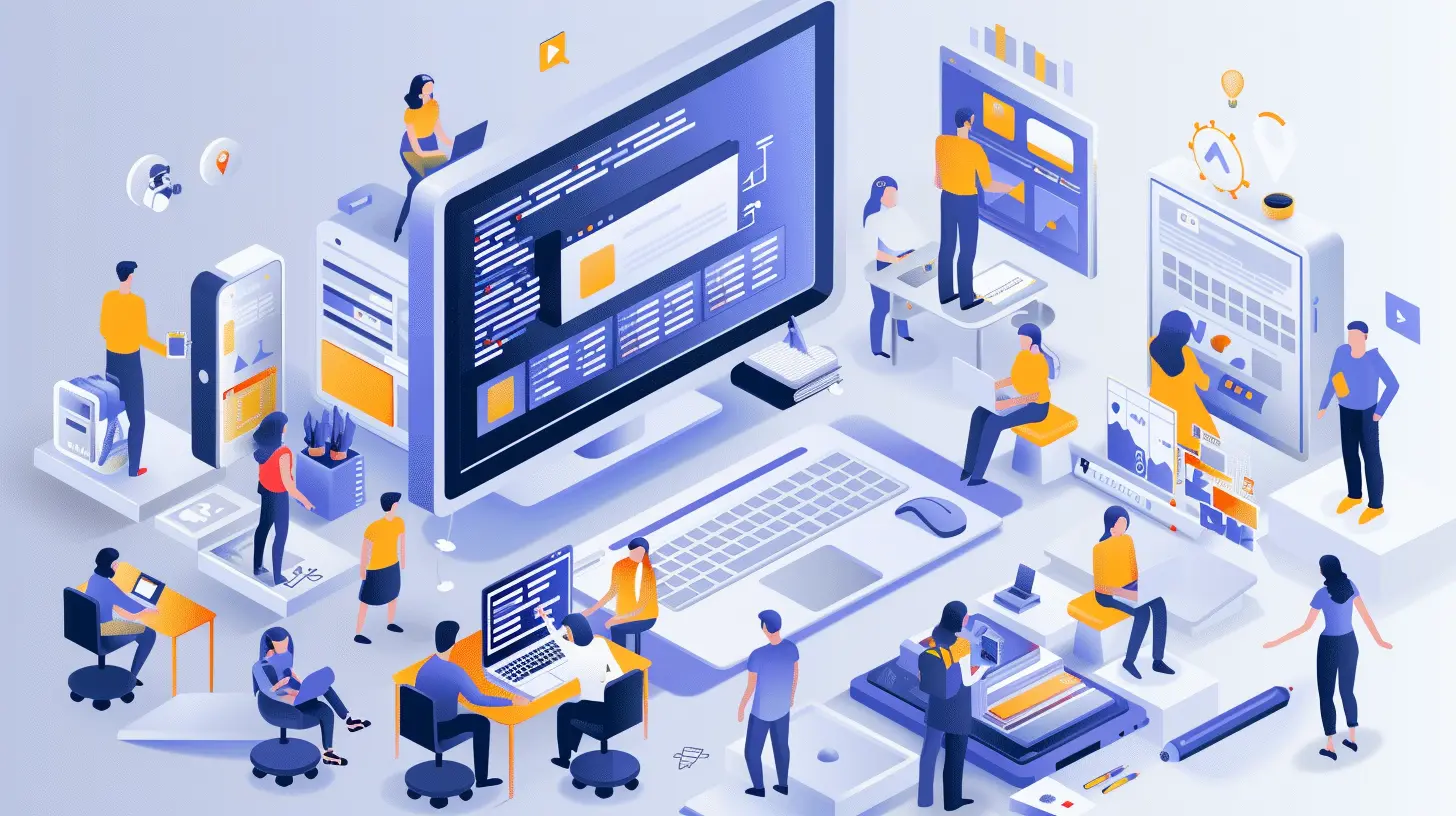
Conclusion: A Future Worth Fighting For
As we move toward 2027, the importance of accessibility in LMS platforms will be more critical than ever. The features we discussed are not just nice-to-haves; they are essentials that will redefine how we approach education. Imagine a world where every learner has the opportunity to shine—this is not just a dream; it’s our responsibility to make it a reality.So, are you ready to embrace this future? Let’s advocate for change, push for inclusivity, and ensure that no learner is left behind. Together, we can create a brighter, more accessible future for education.
all images in this post were generated using AI tools
Category:
Learning Management SystemsAuthor:

Anita Harmon
Discussion
rate this article
2 comments
Ardent Rodriguez
What an exciting glimpse into the future of education! Embracing these LMS accessibility features by 2027 will foster inclusivity and enhance learning experiences for everyone. Can't wait to see these positive changes unfold! 🌟📚
April 26, 2026 at 3:20 AM
Anita Harmon
Thanks for your enthusiasm! It's exciting to think about the positive impact these features will have on learning for all. Let's keep the conversation going!
Jessamine Watson
This article highlights crucial LMS accessibility advancements, emphasizing inclusivity and compliance that will shape educational environments.
April 20, 2026 at 12:19 PM
Anita Harmon
Thanks for your feedback! I'm glad you found the article relevant to ongoing advancements in LMS accessibility.